Silencio BeachSpain Beach Guide
Wild Asturian cliffs, emerald water, earned by the descent
 🎁 Gift idea: the star map of your most beautiful night↓
About
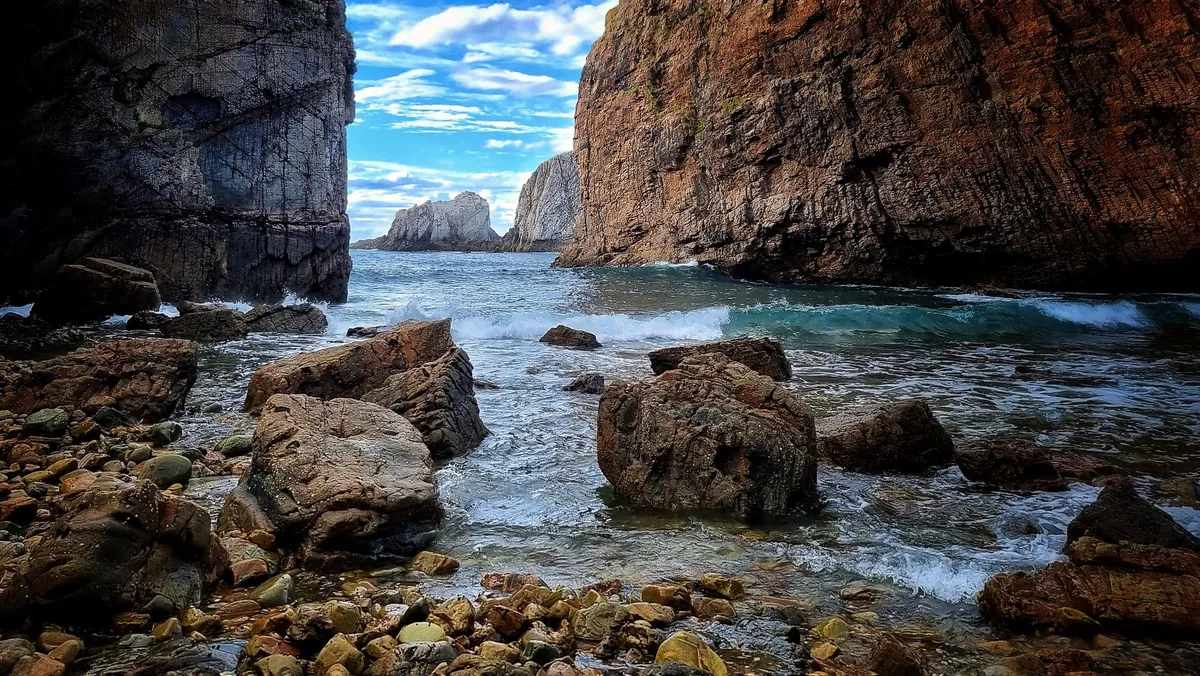
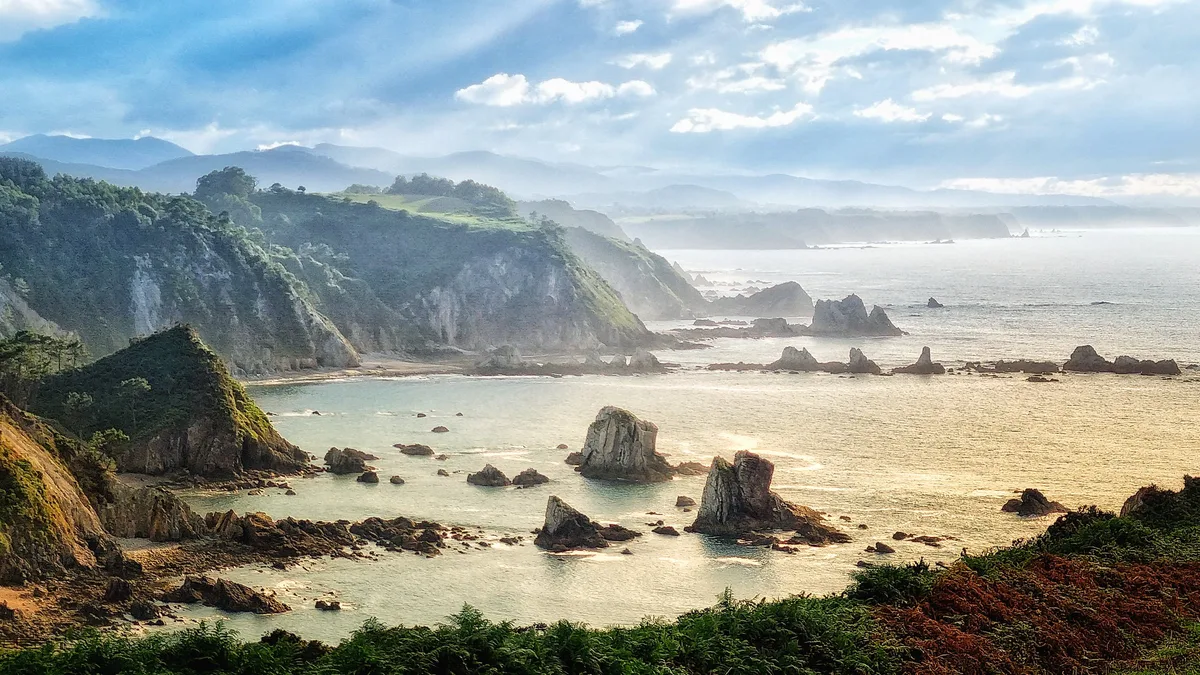
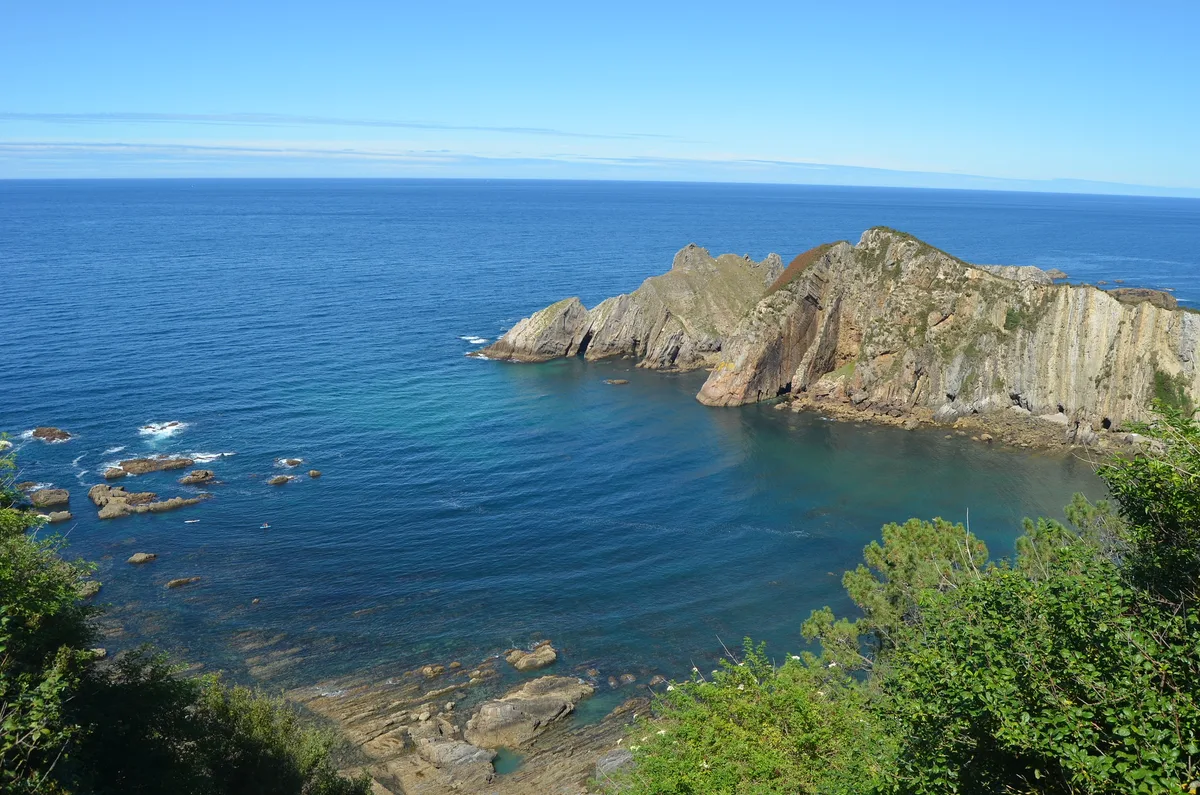
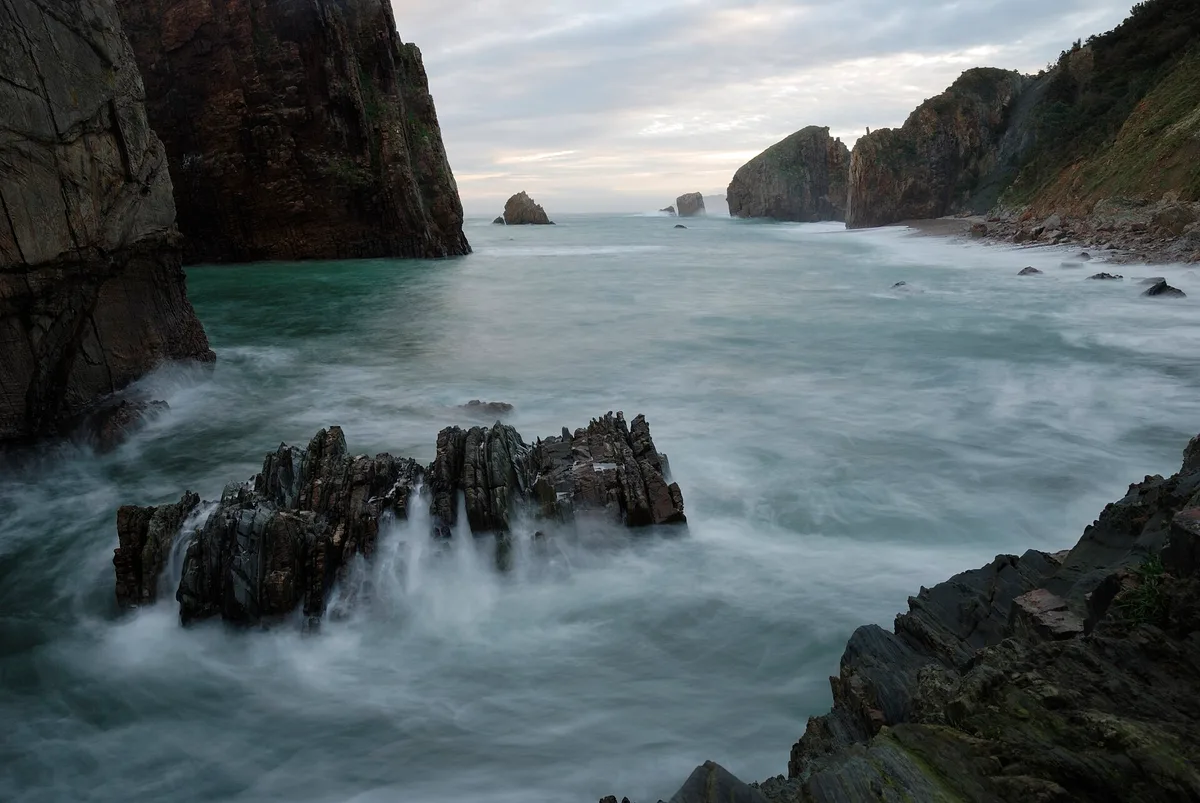
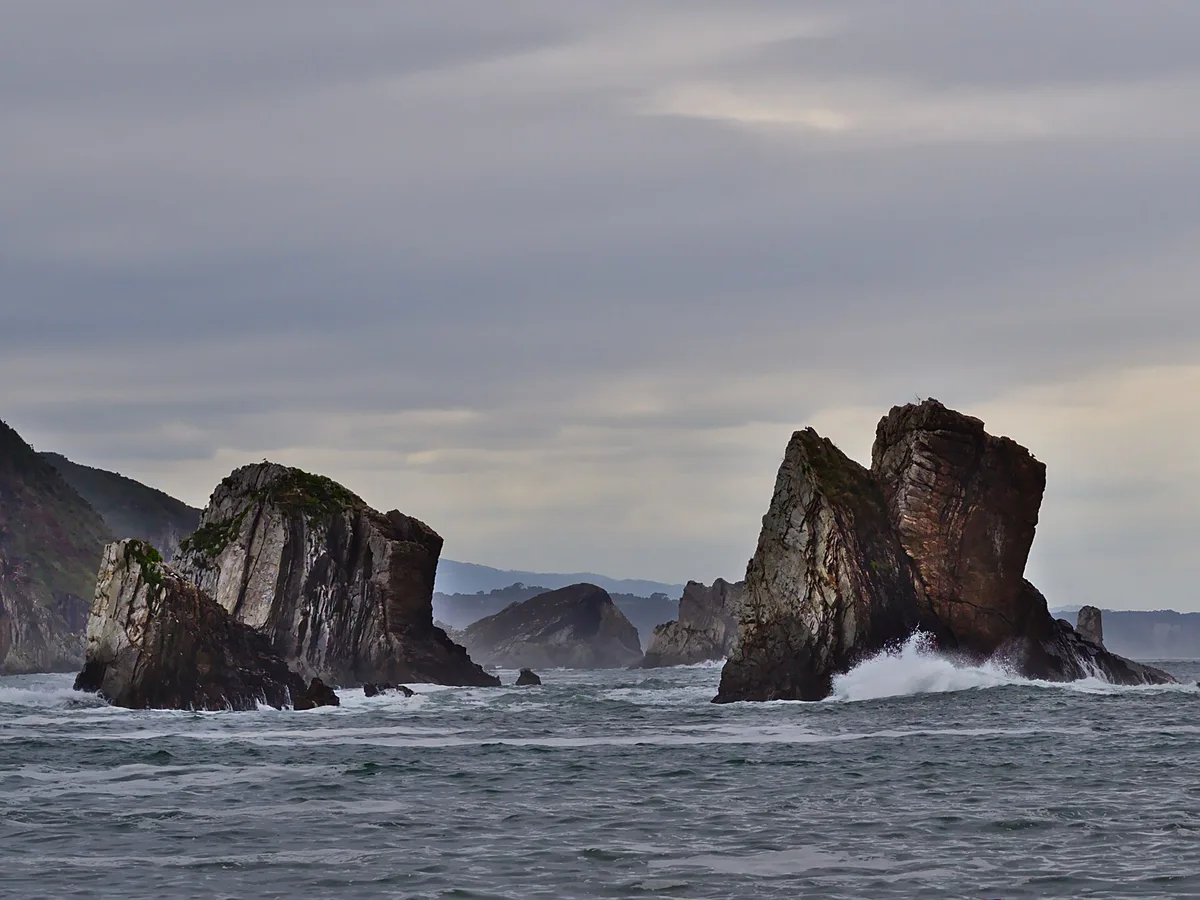
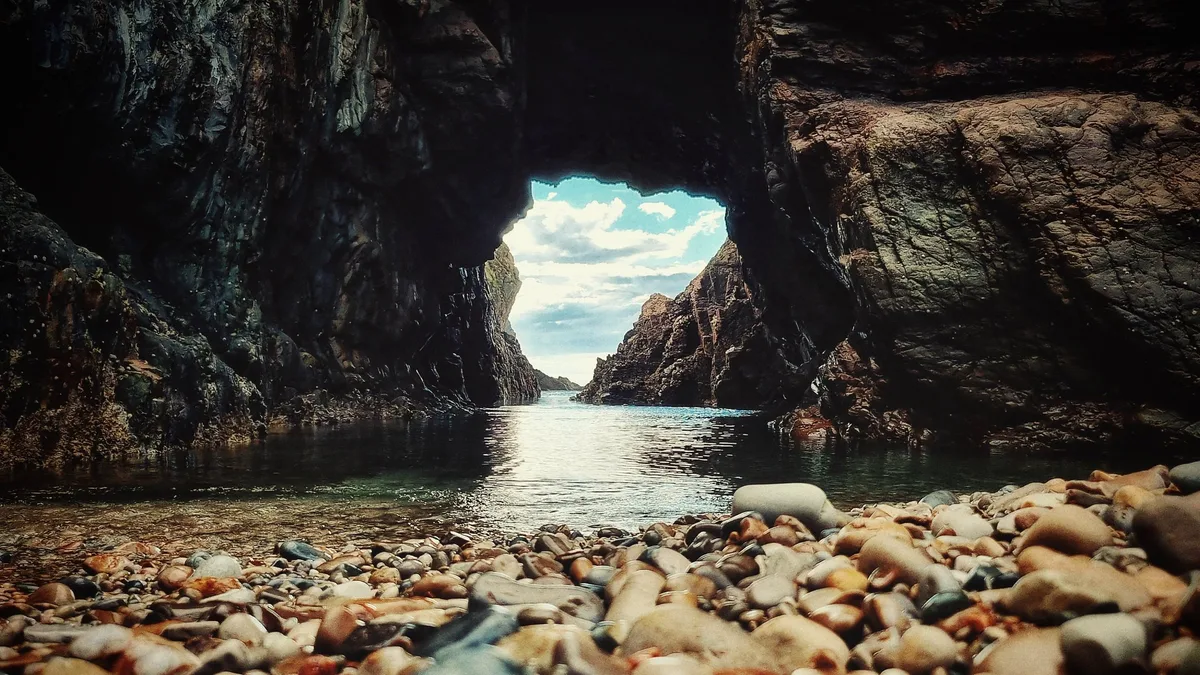
Playa del Silencio sits on the Asturias coast of northern Spain, a roughly 500-metre arc of smooth pebbles framed by some of the most dramatic cliff scenery on the Cantabrian Sea. The water runs a deep, vivid emerald — cold, clear, and striking against the dark stone walls that rise on either side. There's no sand here, just rounded stones and the sound of waves working the shore. A naturist zone makes it one of the more relaxed stretches on this coast, and the forest path descent keeps the vibe genuinely wild. It's quiet by nature — the access alone filters out anyone not willing to walk.
How to get there
Drive to the village of Castañeras, where free roadside parking is available near the village. From the parking area, a 10-minute hike brings you down to the beach via a forest path — expect steep stairs on the final approach. There's no direct road to the shore, so the walk is non-negotiable for every visitor. The beach is accessible daily.
Who it's for
For couples
The hike-only access and genuinely quiet atmosphere make Playa del Silencio one of those rare spots where you can actually hear each other talk. The dramatic cliff scenery and emerald water create a backdrop that doesn't need any embellishment.
For families
Families with young children should factor in the steep stairs and cold water carefully — swimming is safe, but the pebble shore and chilly temperatures outside August mean it suits older kids more than toddlers. The 10-minute forest path walk is manageable for most school-age children and adds a small adventure to the visit.
Our take
Playa del Silencio earns its name. The steep stairs and forest path descent aren't obstacles — they're the filter that keeps it this way. Swimming is safe and the water is genuinely emerald, though cold outside of August, so adjust expectations if you're visiting in June or September. The pebble shore won't suit everyone, but the cliff scenery is among the most dramatic on the Cantabrian coast — that part lives up to the reputation. It's a naturist-friendly beach, so come with an open attitude. Skip it in winter: cold water and slippery stairs make the descent more risk than reward between November and February. Come in July or August, walk down slowly, and give yourself time to just sit with it.
What to do
Cabo Vidío, just over 5km away, is a prominent cape with sweeping coastal views and a hiking trail worth the trip on its own. The Ermita de La Regalina in Cadavedo, about 6km out, is one of the most photographed chapels on the Asturian coast — rated 4.9 stars for good reason. If you want to stretch the day further, the colourful fishing village of Cudillero is the cultural anchor of this stretch of coastline, with a harbour and hillside houses that reward a slow afternoon wander.
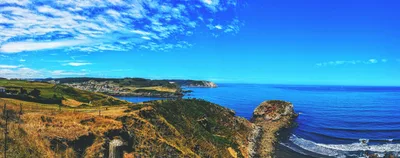
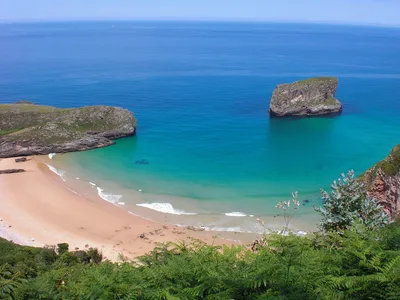
The clifftop view from the top of the descent path gives you the full sweep of the cove with the emerald water below — shoot it wide.
The base of the cliffs at the western end of the beach frames the rock walls dramatically against the water, especially in morning light. The forest path itself, with its canopy and stone steps, makes a strong atmospheric shot before you even reach the shore.
Where to eat
For a proper Asturian meal after the hike, Bar - Casa De Comidas El Único is the closest option at 4.6km, rated 4.6 stars across nearly 2,600 reviews — a reliable local choice. Further out, Sidrería El Remo and Casa Mari Sidrería-Restaurante both sit around 12km away and offer the cider-house experience this region is known for. There are no food or drink facilities at the beach itself, so bring water and snacks for the visit.
Where to stay
Hotel Restaurante El Fornón is the closest base at just 1km from the beach, rated 4.5 stars by over 1,200 guests — hard to beat for proximity. Casa Fernando, 3.6km away with a 4.4-star rating, offers a comfortable mid-range option with strong reviews. If you prefer something with sea views and a bit more distance, Hotel Playa de Aguilar sits 14km out and holds an impressive 4.8-star rating.
Photography
The cliff walls at either end of the beach are the headline shot — arrive in the morning when the light hits the rock faces and the emerald water catches the angle cleanly. The top of the forest path descent also offers a wide elevated view of the full bay that works well in the golden hour before sunset.
Good to know
The steep stairs are a real obstacle — they're not wheelchair accessible and become slippery in wet conditions, so wear shoes with grip. Water is cold outside of August, so swimming in shoulder months means bracing temperatures; plan accordingly. Avoid visiting in November through February when cold water and slippery stairs make the descent genuinely hazardous. A naturist zone is established on the beach — respect it and the people using it.
GAMES
🕹️ Five minutes of sand?
Three daily games — including the UV simulator set to this beach.
Map
Nearby places
Sidrería El Remo
Meson El Carbayo
Bar - Casa De Comidas El Único
Casa Mari Sidrería-Restaurante
Casa Julio
Casa Fernando
Restaurante Pensión Casa Miguel
Hotel Restaurante El Fornón
Hotel Playa de Aguilar
Camping L'Amuravela
Things to see around Cudillero
Cudillero Village
Picturesque fishing village with colorful houses and harbor.
Cabo Vidio
Prominent cape with breathtaking coastal views and hiking trail.
Luarca
White village of Asturian coast with fishing port and three beaches.
GIFT IDEA · MARCEL ET LES BLONDES
🎁 Give a moment, not a thing


What’s the occasion?

 💑 Dating anniversaryTwo dates, two starry skies
 💍 Wedding anniversaryCotton, silver, golden…
 🎂 BirthdayTheir own newspaper front page
 👶 New babyThe stars on the day they were bornValentine’s DayOur two moons, as a print
Shipping €5, free from €49 · made to order, shipped within 48 hAlso: our engraved wooden bracelets, €23.90 →
Frequently asked
The information on this page is provided for guidance only and may evolve. Access conditions, safety and infrastructure can change without notice. Always check official sources before traveling.
Nearest beaches
Other wild beaches in Spain
More beaches in Asturias
Reviews of this beach
- No reviews yet, what a shame — leave yours and share your experience.
Photo credits
Sources and licenses for the photos shown above.
- Photo 1 — Neticola · source · CC BY-ND 2.0
- Photo 2 — Neticola · source · CC BY-ND 2.0
- Photo 3 — Pedro Nuno Caetano · source · CC BY 2.0
- Photo 4 — Javier Pérez López · source · CC BY 3.0
- Photo 5 — senza senso from Moscow, Russua · source · CC BY 2.0
- Photo 6 — Neticola · source · CC BY-ND 2.0