Famara BeachSpain Beach Guide
Six kilometres of wild Atlantic edge beneath volcanic cliffs
About
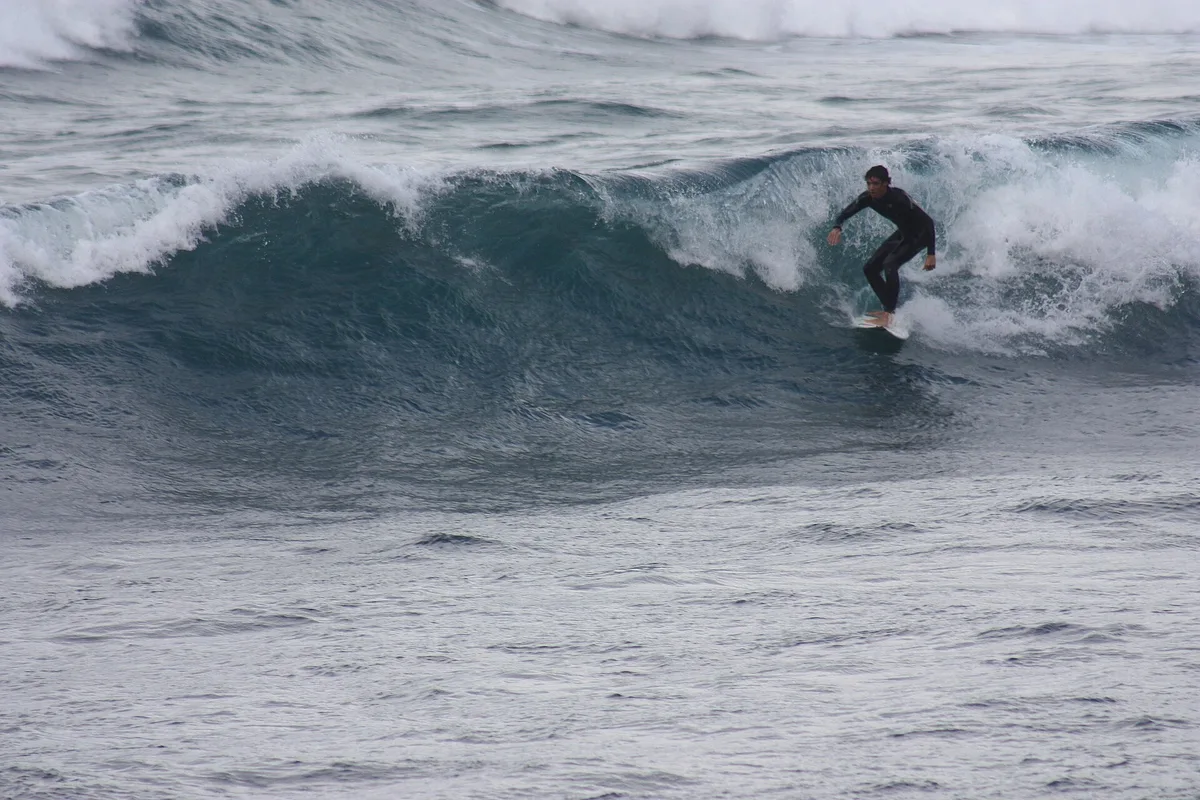
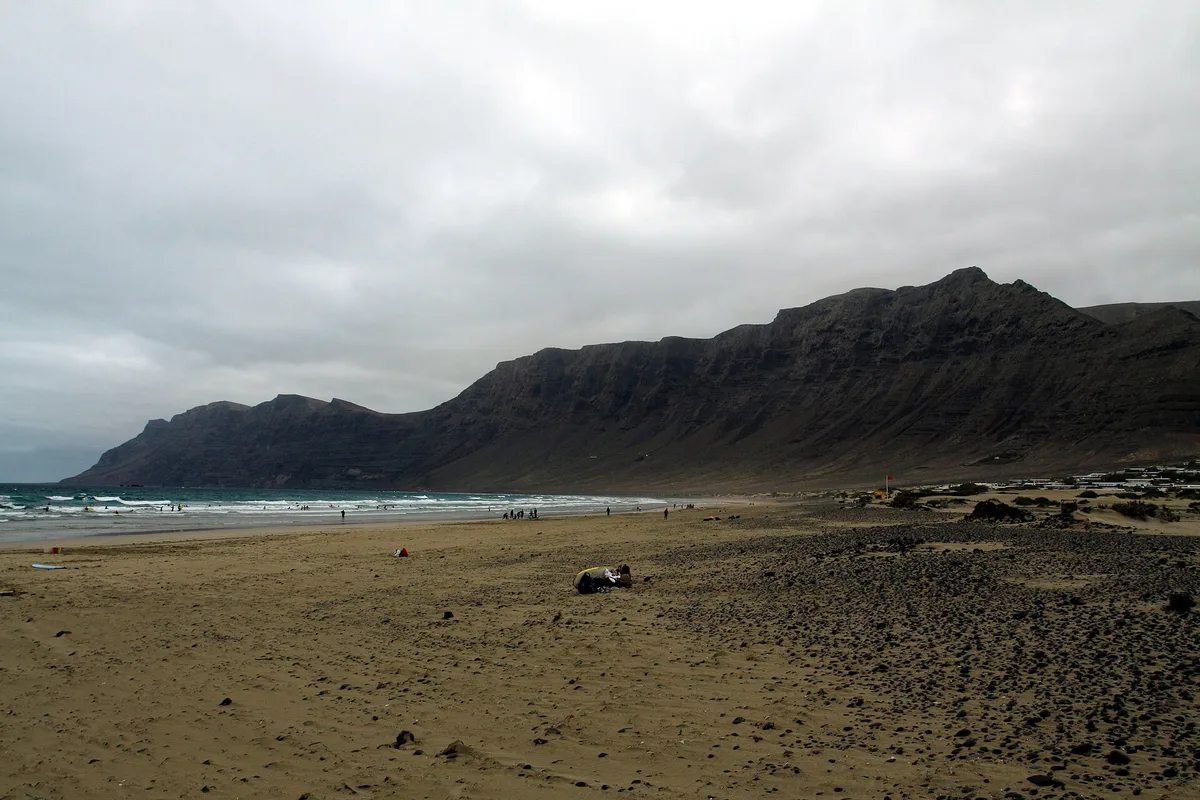
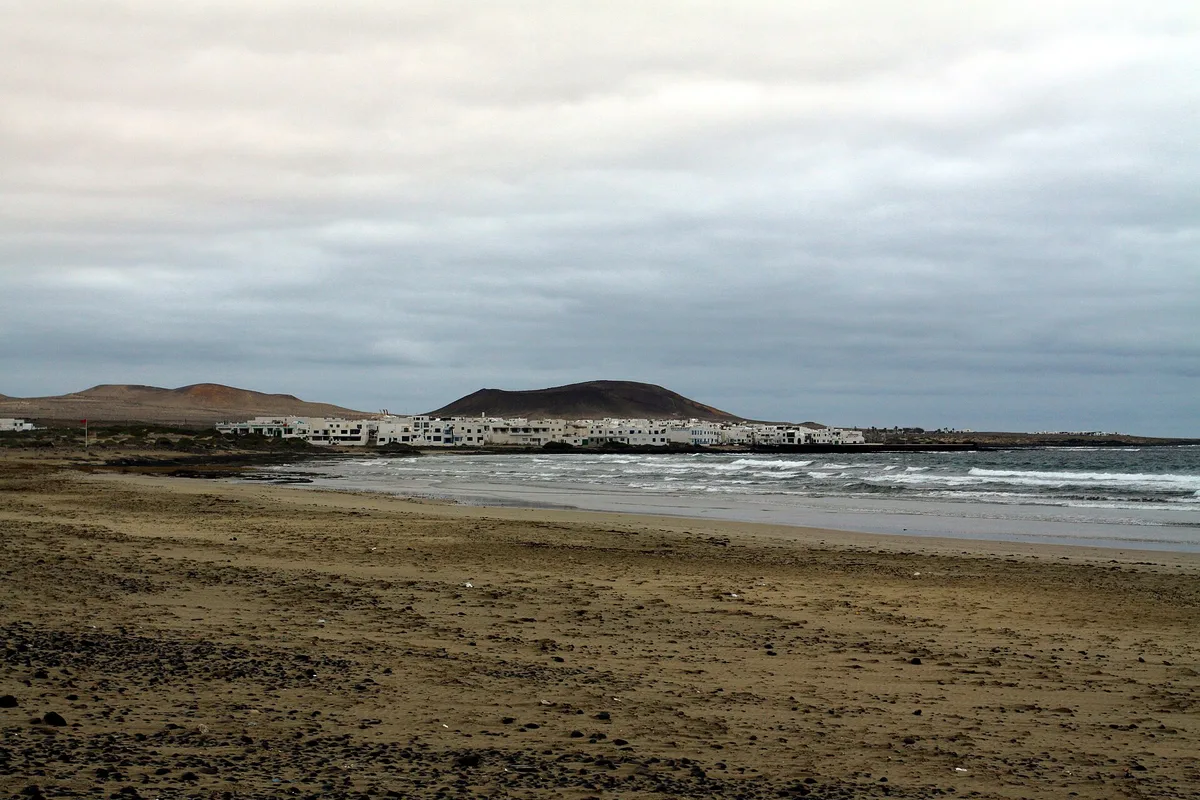
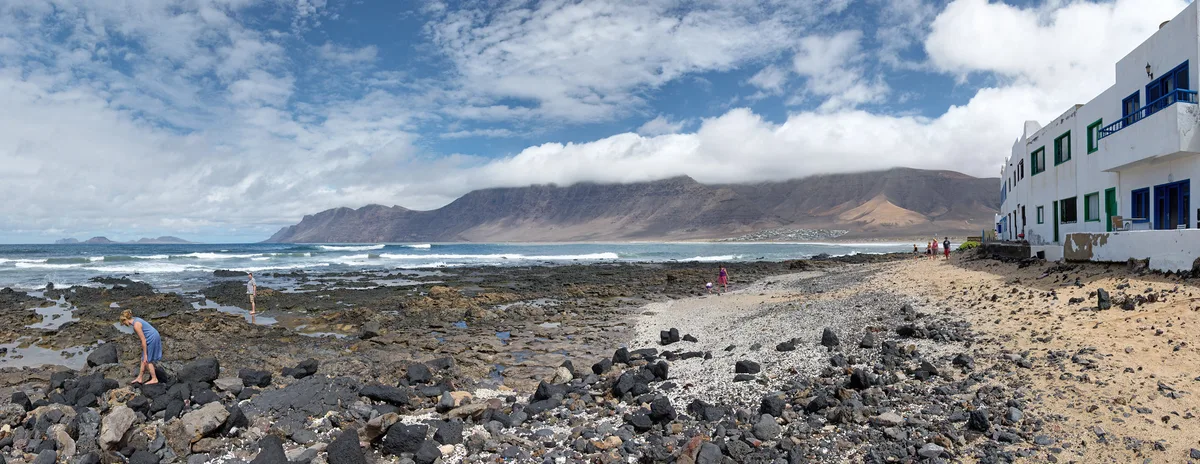
Playa de Famara stretches an unbroken 6km arc of golden sand along Lanzarote's northwest coast, backed by the towering 600m Risco de Famara escarpment that drops almost vertically to the beach. The blue Atlantic rolls in with consistent force here — this is open-ocean surf country, not a sheltered cove. At the southern end, a small authentic fishing village anchors the scene with weathered boats and low whitewashed buildings. On clear days, the outline of La Graciosa island sits on the horizon like a mirage. The vibe is raw and unhurried, the kind of place where the wind does the talking.
How to get there
By car, Famara is 15 minutes from Teguise and 25 minutes from Arrecife — both straightforward drives on daily-accessible roads. Buses run from Teguise (15 min, four times daily) and from Arrecife (22 min, every four hours), so plan your return carefully. Parking is available at the village edge in an informal free area, though it fills on summer weekends and paid options may be needed nearby. There is no entry fee.
Who it's for
For couples
The long, relatively uncrowded golden sand and the dramatic cliff backdrop make Famara a striking place for an evening walk — just stay well clear of the water's edge given the rip current risk.
For families
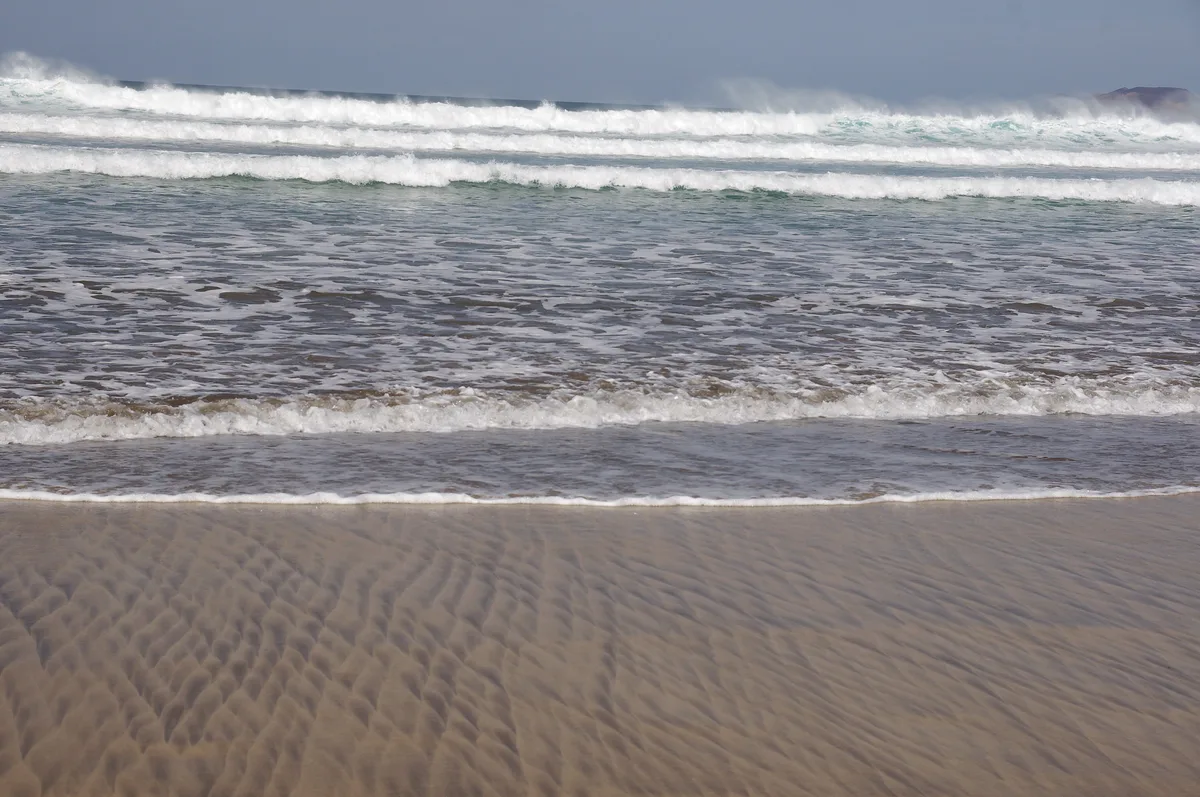
Famara is not suitable for families expecting a safe swimming beach — the rip currents are real and year-round, and there is no lifeguard cover. Older children interested in surf culture or cliff scenery will find it engaging, but keep young children away from the waterline.
Our take
Let's be direct: Famara is not a beach you come to swim. The rip currents are strong, they run all year, and there is no lifeguard watching most of this coastline. That warning is not small print — it is the first thing to understand before you go. What Famara is, unambiguously, is one of the most visually dramatic beaches in the Canary Islands — 6km of golden sand under a 600m cliff wall, with the Atlantic doing exactly as it pleases. The fishing village at the southern end keeps it grounded and real, far from the resort strip. Come for the scenery, the surf culture if you have the experience, and the kind of elemental quiet that a long, wild beach delivers. Skip July and August if you can — the trade winds are at their strongest and the surf schools fill the water. The rest of the year, this place earns its reputation.
What to do
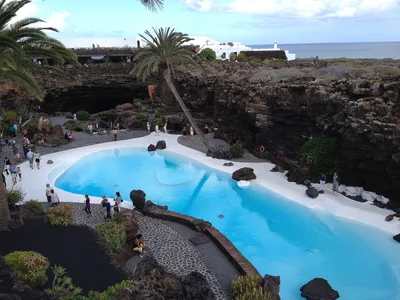
The Risco de Famara cliff escarpment is the obvious first stop — viewpoints along the Mirador del Río road give you the full scale of that 600m drop above the beach. From there, the César Manrique-designed Mirador del Río (13.2km) is worth the drive for its clifftop panorama over La Graciosa and the Chinijo Archipelago. Jameos del Agua (13km) is another Manrique creation — a volcanic lava tube containing a seawater lake that feels genuinely otherworldly. Closer in, Mirador de Las Nieves at 2.7km and Pico de Maramajo at 3km offer rewarding ridge walks above the cliff line.
The Risco de Famara cliff wall rising behind the golden sand is the defining shot — use a wide lens from mid-beach to capture the full 600m drop.
The fishing village at the southern end offers textured, low-key frames of boats and weathered facades. For elevation, the viewpoints above the escarpment give you the full 6km sand arc curving into the Atlantic below.
Where to eat
The cluster of restaurants near the village — Restaurante El Risco, Costa Famara, and Restaurante Sol — are all within a kilometre and cover Spanish staples in a no-frills setting that suits the beach's character. Restaurante El Rincón de la Abuela, also around 0.8km away, rounds out the local options. None of these are fine-dining destinations, but after a morning on a windswept beach, honest local cooking is exactly what you want.
Where to stay
Famara Cottage (0.5km) is the closest base, putting you steps from the beach. Apartamentos Las Calas and Apartments in Famara (both 0.8km) offer self-catering flexibility that suits longer stays. For surfers specifically, Hostal Clandestino Surf Adventure at 1.1km is built around the surf culture here, and Duplex Famara at the same distance gives a more independent option.
Photography
Shoot the Risco de Famara cliffs from the beach at golden hour — the warm light catches the ochre rock face and the golden sand in the same frame. Early morning is best for the La Graciosa island view from the waterline, before the trade winds kick up haze in the afternoon.
Good to know
Do not enter the water — strong rip currents run year-round and swimming is genuinely dangerous on this beach. There is no lifeguard service across most of the beach, so if something goes wrong, help is not close. If you are here to surf, do so only with instruction or solid experience, and always respect the designated surf zones. Strong afternoon trade winds are a constant, not an occasional inconvenience — bring a windbreak and secure anything light. Wheelchair access is very difficult: soft sand and no paved path to the beach face make it impractical.
GAMES
🕹️ Five minutes of sand?
Three daily games — including the UV simulator set to this beach.
Map
Nearby places
Restaurante El Risco
Costa Famara
Restaurante El Rincón de la Abuela
El Rincón de la Abuela
Restaurante Sol
Famara Cottage
Apartamentos Las Calas
Apartments in Famara
Hostal Clandestino Surf Adventure
Duplex Famara
Mirador de Las Nieves
Pico de Maramajo
Mirador de la Ermita de las Nieves
Things to see around Teguise
Risco de Famara
Dramatic 600m cliff escarpment with viewpoints accessible from the Mirador del Río road.
Mirador del Río
César Manrique-designed clifftop viewpoint overlooking La Graciosa and the Chinijo Archipelago.
Jameos del Agua
César Manrique-designed cultural space inside a volcanic lava tube with seawater lake.
GIFT
🎁 Gift this beach
Its exact coastline, your date, your words — on a print or a PDF you print yourself.
Famara Beach
THAT DAY
Famara Beach, Canary Islands
© OpenStreetMap contributors
Clean & decorative, or “That day” with the real sky of your date.
Shipping included 3-6 business days
A question before you order? Contact us
Delivered within minutes on the confirmation page and by email: a ZIP with all 4 print sizes (30×40 cm, 12×16″, 50×70 cm, 18×24″), each as a high-resolution PDF and PNG (300 dpi), plus a screen version. Print at home or at any print shop.
Please complete the delivery address.
Please accept the Terms of Sale.
Almost there — the shop opens very soon.
Secure payment · Printed locally in 30+ countries · 7 languages
Frequently asked
The information on this page is provided for guidance only and may evolve. Access conditions, safety and infrastructure can change without notice. Always check official sources before traveling.
Nearest beaches
Other wild beaches in Canary Islands
More beaches in Canary Islands
Reviews of this beach
- No reviews yet, what a shame — leave yours and share your experience.
Photo credits
Sources and licenses for the photos shown above.
- Photo 1 — Dguendel · source · CC BY 4.0
- Photo 2 — Chmee2 · source · CC BY-SA 3.0
- Photo 3 — pictures Jettcom · source · CC BY 3.0
- Photo 4 — Chmee2 · source · CC BY-SA 3.0
- Photo 5 — Antonio_Ortega · source · CC BY 2.0
- Photo 6 — Juhele_CZ · source · CC BY-SA 2.0