Isleta BeachSpain Beach Guide
Dark volcanic sand, fishing boats, zero tourist fuss
About
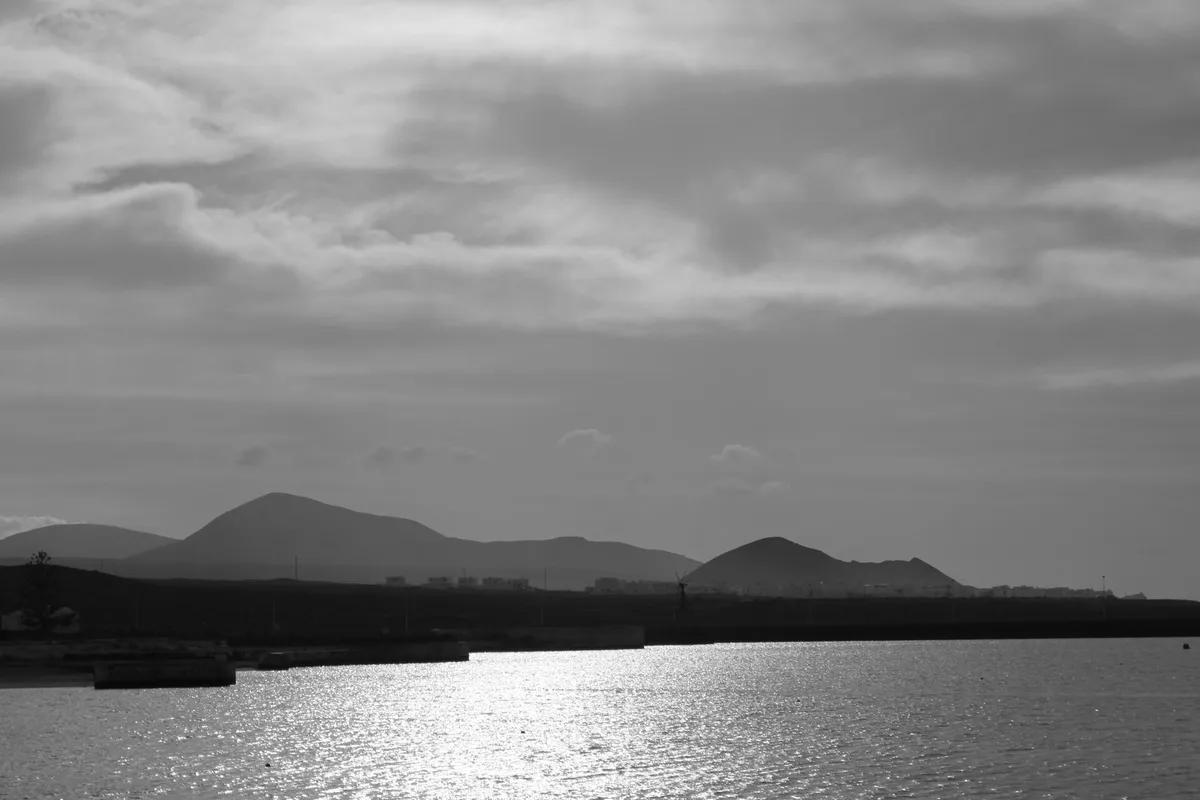
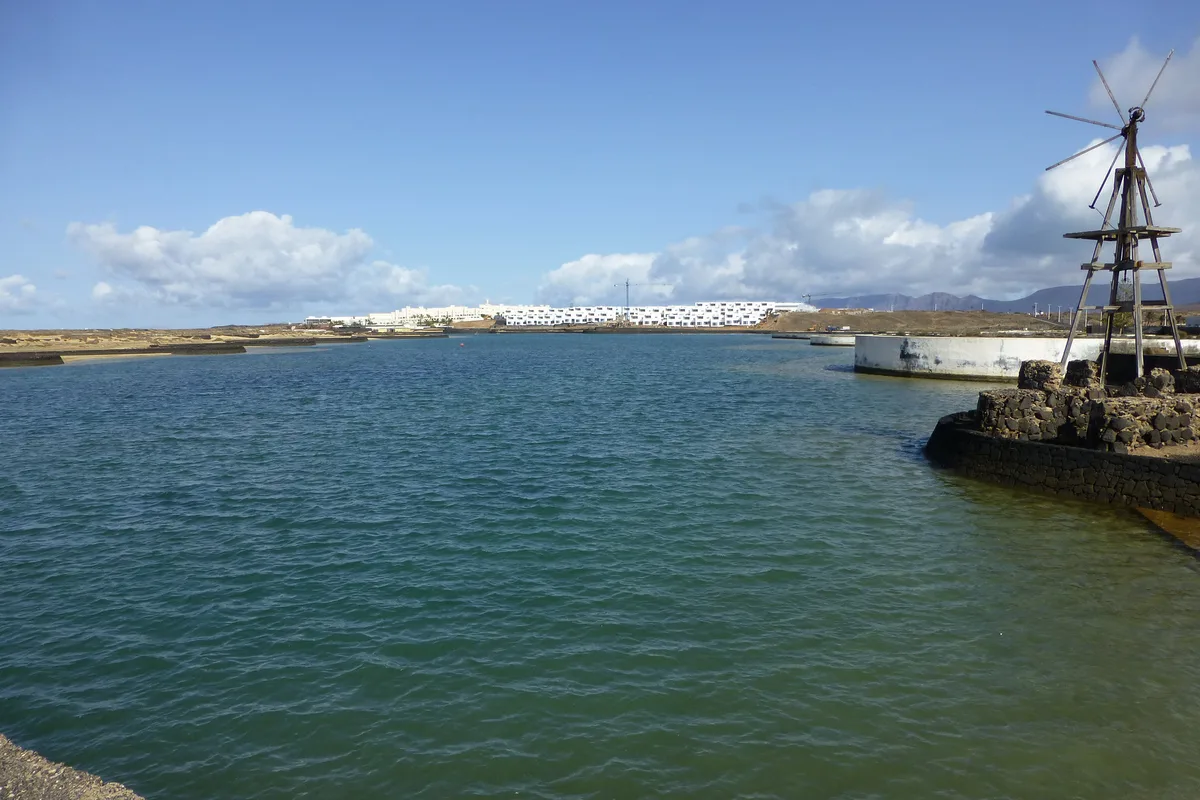
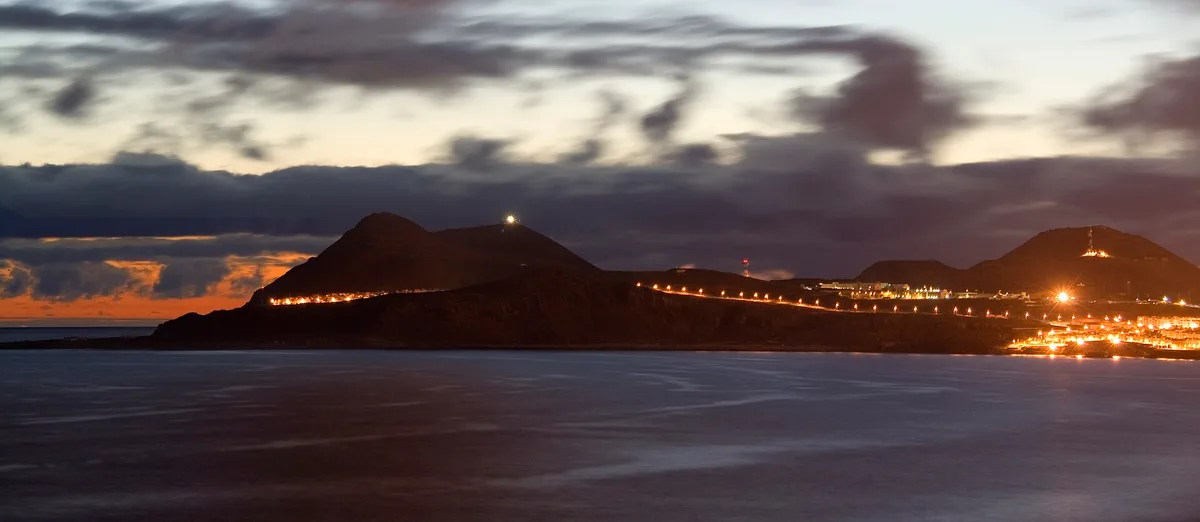
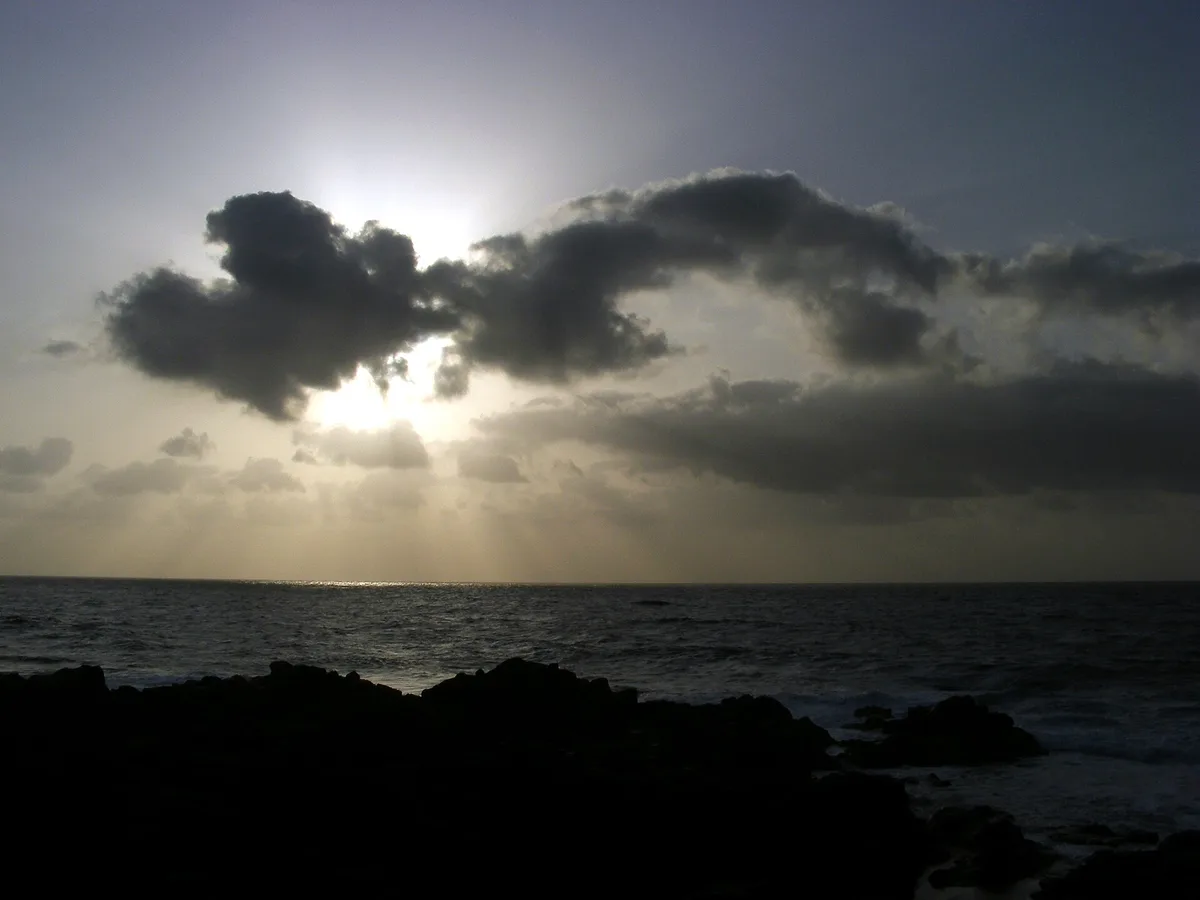
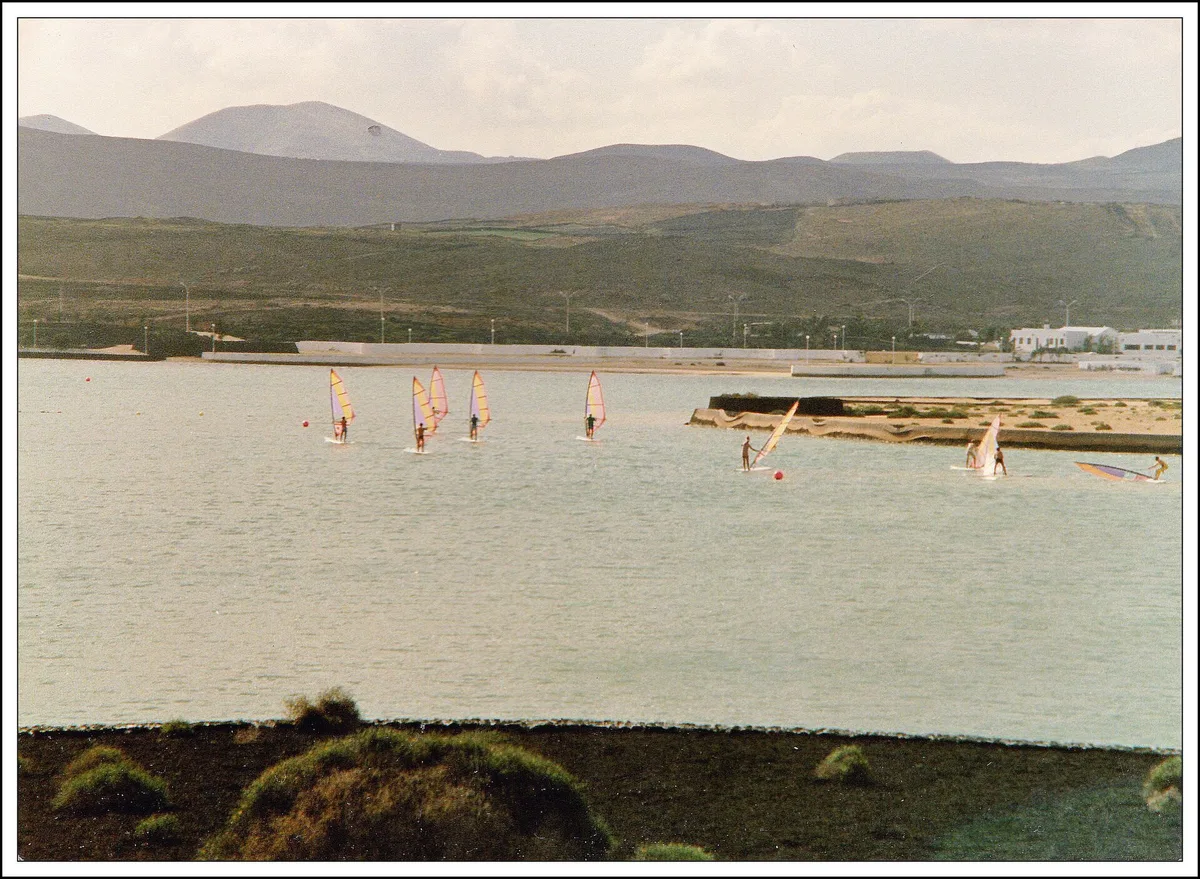
Playa de la Isleta sits quietly in Arrecife's old town harbour on Lanzarote, tucked behind the marina breakwater where fishing boats still outnumber sunbathers. The dark volcanic sand is the first thing that stops you — black and coarse underfoot, a sharp contrast to the deep blue water lapping at its edge. At around 100 metres long, it's compact and unhurried, shielded from the main tourist strip by the harbour's own geography. Local fishermen use this stretch as a working base, and that lived-in authenticity is exactly what makes it worth finding. The relaxed, unpretentious atmosphere here is a world away from the resort beaches just minutes down the road.
How to get there
Playa de la Isleta is easy to reach — it's a five-minute drive or a five-minute walk from Puerto del Carmen's main beach promenade. On foot, follow the harbour-side path from the promenade toward the old town; by car, the marina area has both free and paid parking nearby, though spaces can tighten in high season. There's no entry fee. The flat harbour-side approach makes arrival straightforward for most visitors.
Who it's for
For couples
The quiet, unhurried pace and the unusual dark sand make this a genuinely different date-day beach — somewhere to linger without the noise and performance of the main resort strips nearby.
For families
The flat harbour-side approach is easy with kids in tow, but note there is no lifeguard on duty and the breakwater can produce localised currents — younger or less confident swimmers need close supervision at all times.
Our take
Playa de la Isleta is one of those places that rewards the curious and ignores the impatient. It's not polished, it's not signposted, and it doesn't try to be. The black volcanic sand, the working fishing boats, the breakwater keeping the outside world at arm's length — it all adds up to something genuinely rare on a Canary Islands coastline increasingly shaped for package tourism. Go in June or September for the best balance of weather and solitude. Skip July and August if the whole point is escaping the resort atmosphere — it seeps in. Come here to sit, watch the fishermen work, and remember what a beach looked like before the sunbed industry got involved.
What to do
Just 15.7 km away, Timanfaya National Park delivers Lanzarote's most dramatic volcanic landscape — lava fields and craters from the 1730s eruptions that put the island's geology into vivid perspective. For something more intimate, the Fundación César Manrique (16.6 km) is built into five volcanic bubbles and showcases the artist's work alongside his extraordinary home. Closer in, El Risco at 4.7 km and the Rock Garden at 7.2 km offer easy half-day excursions, while the Jardin de Cactus at 7.3 km is a sculptural garden worth an hour of anyone's afternoon.
Frame the black volcanic sand against the deep blue water at low angle for a shot that looks nothing like a typical Canary Islands postcard.
The fishing boats moored against the breakwater give you a ready-made foreground with the old town harbour behind. Early morning light hits the water cleanly and keeps the frame free of other visitors.
Where to eat
A cluster of good options sits within a kilometre of the beach. Alma serves Spanish tapas with a local slant — a solid pick after a morning on the sand. Verde Mar, Restaurant El Lago, and Amendoa are all within 0.9 km if you want to compare menus before committing.
Where to stay
Club La Santa, 1.1 km away, is the closest base and well-positioned for exploring this quieter side of Lanzarote. If you need more distance from the action, Apartamentos Esmeralda is around 9 km out and offers a self-catering option.
Photography
The most striking shot here is the contrast between the black volcanic sand and the deep blue water, best captured in the soft light of early morning before the sun climbs high and flattens the texture. The marina breakwater and fishing boats in the background give mid-distance frames an authentic, working-harbour character that no resort beach on the island can replicate.
Good to know
No lifeguard is on duty here, so swim with caution and never alone — the breakwater can generate localised currents that catch people off guard. Because the beach is not visible from the main promenade, let someone know where you're going before you head down. This is a working fishing area: respect the boats, nets, and equipment you'll find on the sand — don't move or sit on gear. July and August bring heavier foot traffic to the adjacent main beach, which spills over and reduces the secluded feel of this spot, so aim for June or September if you want it at its quietest.
GAMES
🕹️ Five minutes of sand?
Three daily games — including the UV simulator set to this beach.
Map
Nearby places
Amendoa
Restaurant El Lago
Alma
Verde Mar
Chinese Restaurant International
Club La Santa
Apartamentos Esmeralda
Playa Grande (Puerto del Carmen)
Fundación César Manrique
Timanfaya National Park
Things to see around Tías
Playa Grande (Puerto del Carmen)
Puerto del Carmen's main 3 km Blue Flag beach, the busiest resort beach on Lanzarote.
Fundación César Manrique
César Manrique's former home built into five volcanic bubbles, now a museum of his art and architecture.
Timanfaya National Park
Dramatic volcanic landscape of lava fields and craters from the 1730s eruptions, a protected national park.
GIFT
🎁 Gift this beach
Its exact coastline, your date, your words — on a print or a PDF you print yourself.
Isleta Beach
THAT DAY
Isleta Beach, Canary Islands
© OpenStreetMap contributors
Clean & decorative, or “That day” with the real sky of your date.
Shipping included 3-6 business days
A question before you order? Contact us
Delivered within minutes on the confirmation page and by email: a ZIP with all 4 print sizes (30×40 cm, 12×16″, 50×70 cm, 18×24″), each as a high-resolution PDF and PNG (300 dpi), plus a screen version. Print at home or at any print shop.
Please complete the delivery address.
Please accept the Terms of Sale.
Almost there — the shop opens very soon.
Secure payment · Printed locally in 30+ countries · 7 languages
Frequently asked
The information on this page is provided for guidance only and may evolve. Access conditions, safety and infrastructure can change without notice. Always check official sources before traveling.
Nearest beaches
Other relaxed beaches in Canary Islands
More beaches in Canary Islands
Reviews of this beach
- No reviews yet, what a shame — leave yours and share your experience.
Photo credits
Sources and licenses for the photos shown above.