Alojera BeachSpain Beach Guide
Black-shore solitude on La Gomera's wild northwest coast
About
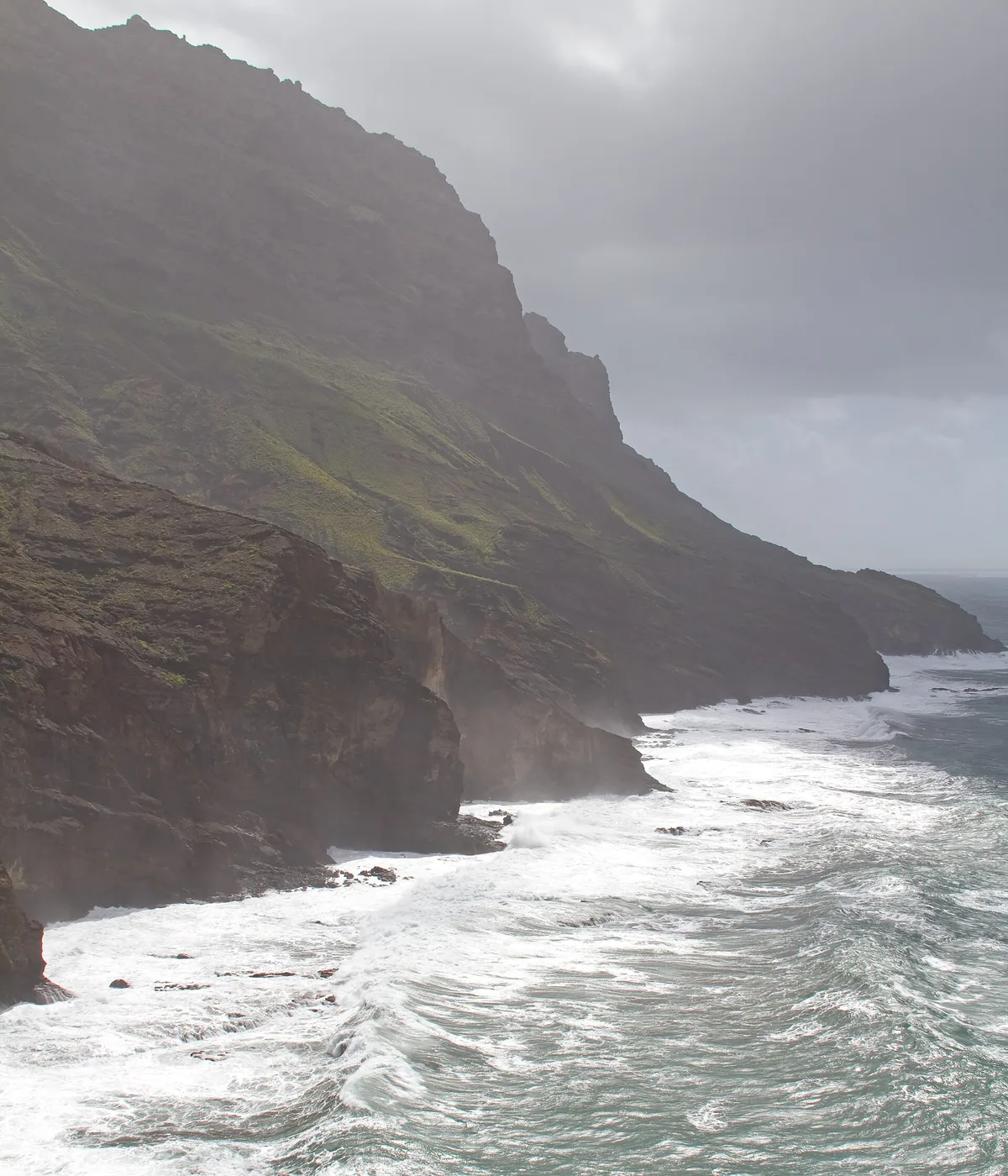
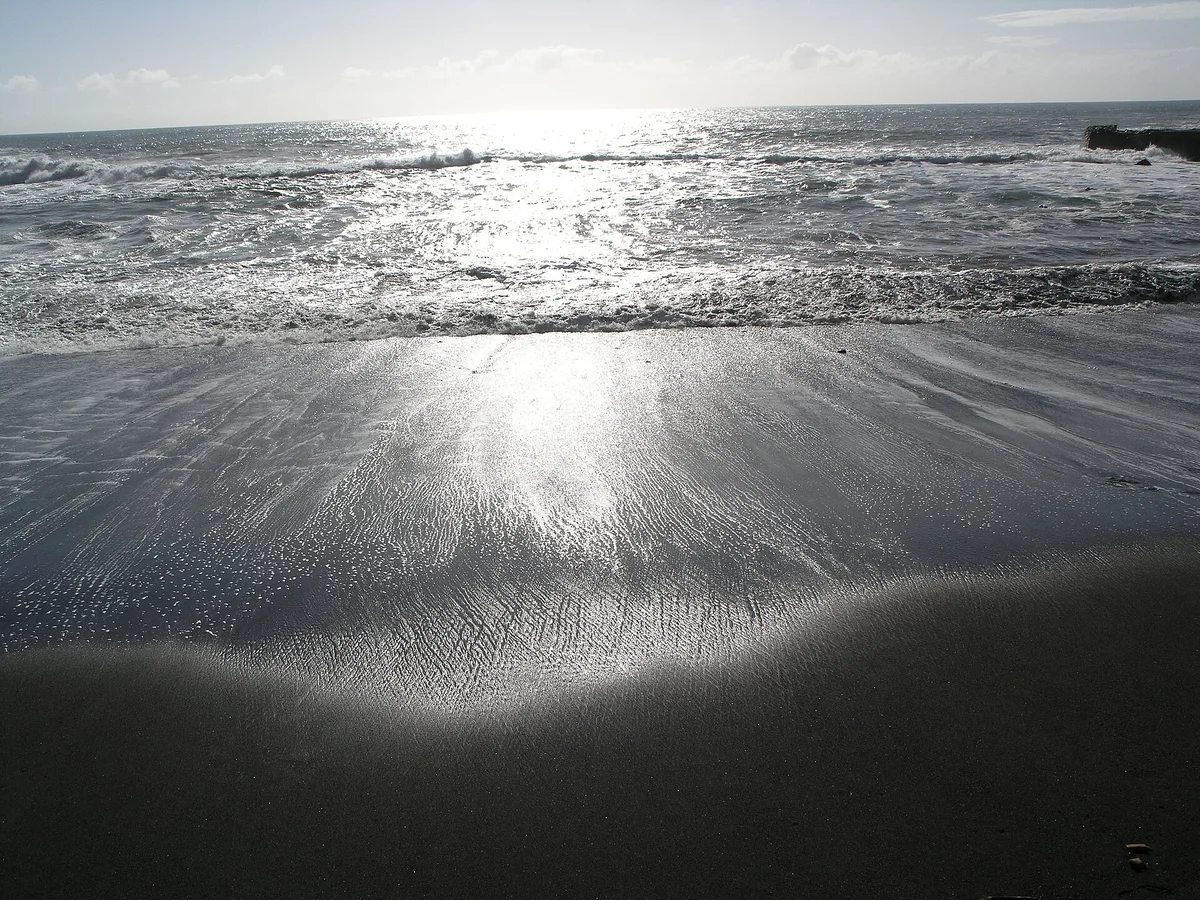
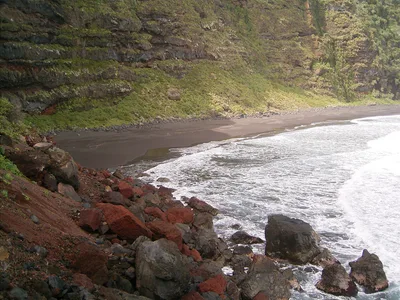
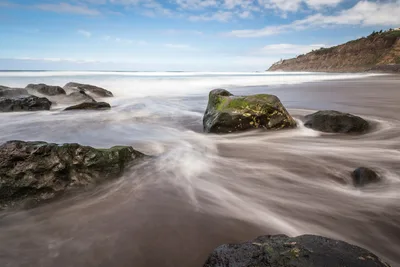
Playa de Alojera sits at the foot of a terraced palm grove on La Gomera's northwest coast, backed by a tiny hamlet that feels untouched by modern tourism. The shore is a mix of grey-black volcanic sand and pebbles, meeting open blue Atlantic water that rolls in with real force. At roughly 200 metres long, it's a compact strip — but the scale feels generous when you're often the only person here. Northwest exposure means the ocean rarely settles, and the drama of that raw coastline is the whole point. Near-solitude year-round is the norm, not a lucky accident.
How to get there
From Vallehermoso, the beach is a 20-minute drive by car or a 25-minute bus ride (twice daily, Monday to Friday). The road ends at the beach, where very limited free roadside parking is available — arrive early or expect to walk back from wherever you find a spot. A steep descent from the road leads down to the shore; the path is not wheelchair accessible. There's no entry fee.
Who it's for
For couples
If you and your partner want a beach that's genuinely yours — no vendors, no noise, just volcanic shoreline and palm terraces — Alojera delivers that in full. It's a place to sit with the sound of the Atlantic and little else, which is either perfect or not your thing.
For families
The steep access path, rough waters, absence of any facilities, and a safety warning against swimming make Playa de Alojera a poor fit for families with young children. There are safer, calmer beaches on La Gomera better suited to a family day out.
Our take
Playa de Alojera is not a swimming beach — be clear about that before you make the drive. The safety warnings are real: rough water, rocky seabed, no lifeguard, no facilities. What it is, unambiguously, is one of the most atmospheric stretches of coastline on La Gomera — dark volcanic shore, terraced palms, a hamlet that barely registers on the map, and the kind of quiet that's genuinely hard to find. Come between June and September, come for the landscape and the solitude, and keep your feet dry. The northwest coast of La Gomera rewards the curious traveller who doesn't need a sunlounger to feel the value of a place. Worth the detour — just not worth a swim.
What to do
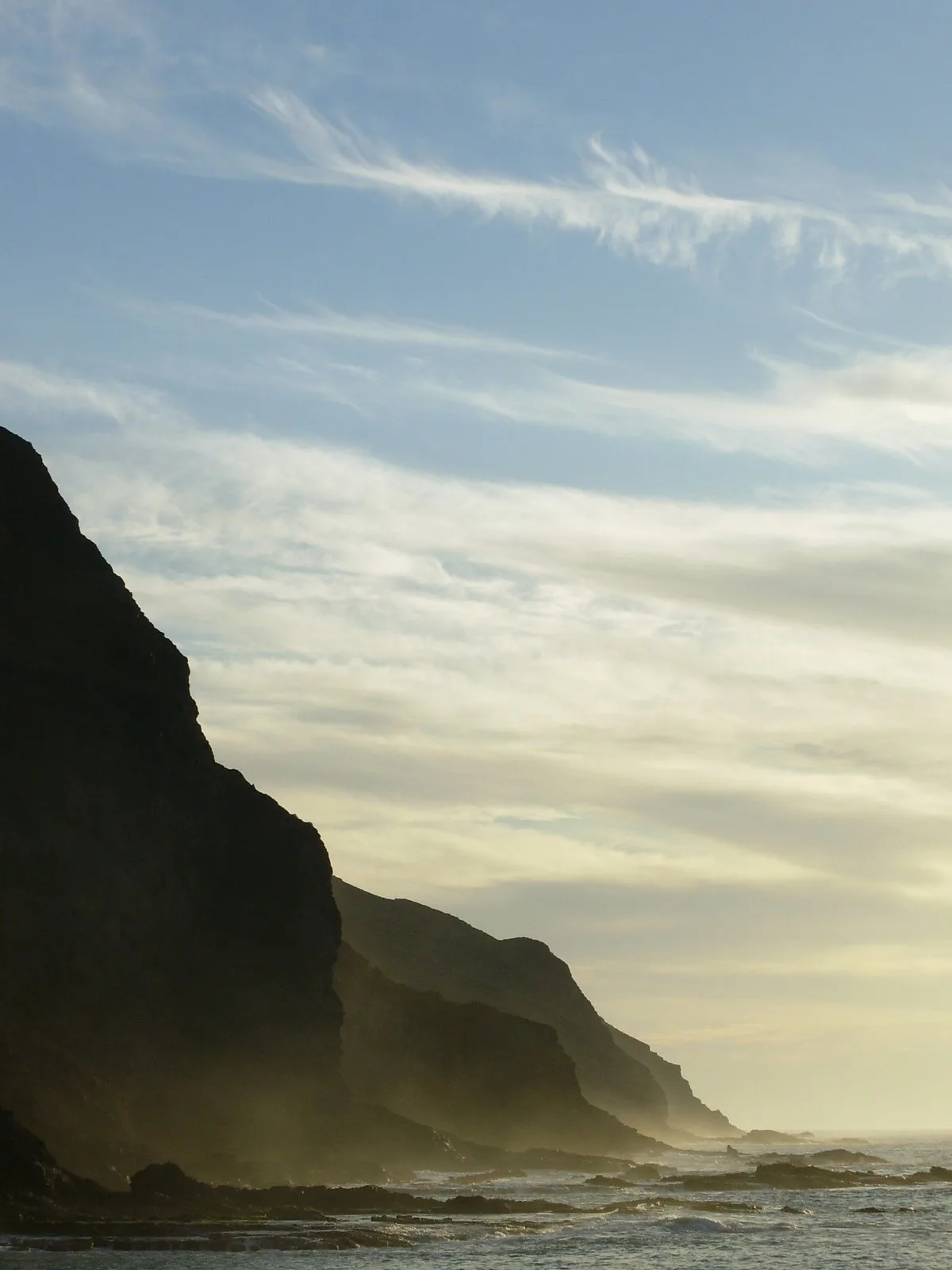
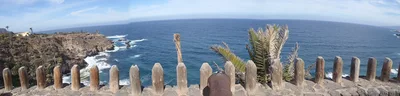
The Mirador de Alojera, just 2.9km away, rewards the short detour with sweeping views back over the coastline you just stood on. Closer still, the Mirador de San Miguel at 1.1km offers another vantage point worth the climb. Further inland, Parque Nacional de Garajonay — a UNESCO-listed laurisilva cloud forest at the island's centre, about 9.3km away — is one of the Canary Islands' great natural treasures and pairs well with a day that starts at the coast. The basalt monolith of Roque Cano looms over nearby Vallehermoso and gives the north-coast village its unmistakable silhouette.
Frame the grey-black shore against the blue Atlantic from the top of the steep descent path — the palm terraces cascading down behind you add rare depth to a coastal shot.
The Mirador de Alojera, 2.9km away, gives you an elevated perspective of the whole cove and its wild northwest setting. For scale and drama, the Roque Cano basalt monolith above Vallehermoso photographs best in the golden hour before sunset.
Where to eat
Restaurante Prisma, just 0.3km away, is the closest option and earns consistently strong reviews — a practical first stop before or after the descent to the beach. For something more of a destination meal, Restaurante Casa Efigenia La Montaña and Amparo restaurante Las Hayas are both about 5.6km away and are among the most-reviewed restaurants on the island. Tasca El Carraca, 7.1km out, rounds out the local options with another highly rated kitchen.
Where to stay
The nearest hotels are clustered around 7km from the beach — Hotel Añaterve, Hotel de telegrafo, Faro del Inglés, Los Tarajales, and Jardin Concha all fall within that range. It's a short drive back to comfort after a day on the coast, and basing yourself in the Vallehermoso area keeps the beach easily reachable. Options are modest in number, so booking ahead in the June–September peak period is sensible.
Photography
The terraced palm grove rising behind the dark shore makes for a striking composition — shoot from the base of the descent looking inland in the soft morning light. Late afternoon, when the low Atlantic sun catches the grey-black mixed shore against the deep blue water, is the most rewarding time to point a lens seaward.
Good to know
Do not enter the water. The beach carries a firm safety warning: rough waters and a rocky seabed make swimming generally unsafe, there is no lifeguard on duty, and no facilities of any kind. From October through March, northwest swells intensify significantly — these months should be avoided entirely if you're hoping for anything beyond a windswept walk. Come for the scenery, the palms, and the quiet; leave the swimming for a calmer beach elsewhere on the island.
GAMES
🕹️ Five minutes of sand?
Three daily games — including the UV simulator set to this beach.
Map
Nearby places
Restaurante Prisma
Restaurante Casa Efigenia La Montaña
Amparo restaurante Las Hayas
Tasca El Carraca
Tamahuche Hotel Rural
Hotel Añaterve
Hotel de telegrafo
Faro del Inglés
Los Tarajales
Jardin Concha
Things to see around Vallehermoso
Parque Nacional de Garajonay
UNESCO-listed laurisilva cloud forest at the island's centre
Los Órganos
Dramatic basalt organ-pipe rock formation on the northwest coast, viewable by boat
Vallehermoso
North-coast village beneath the Roque Cano basalt monolith
GIFT
🎁 Gift this beach
Its exact coastline, your date, your words — on a print or a PDF you print yourself.
Alojera Beach
THAT DAY
Alojera Beach, Canary Islands
© OpenStreetMap contributors
Clean & decorative, or “That day” with the real sky of your date.
Shipping included 3-6 business days
A question before you order? Contact us
Delivered within minutes on the confirmation page and by email: a ZIP with all 4 print sizes (30×40 cm, 12×16″, 50×70 cm, 18×24″), each as a high-resolution PDF and PNG (300 dpi), plus a screen version. Print at home or at any print shop.
Please complete the delivery address.
Please accept the Terms of Sale.
Almost there — the shop opens very soon.
Secure payment · Printed locally in 30+ countries · 7 languages
Frequently asked
The information on this page is provided for guidance only and may evolve. Access conditions, safety and infrastructure can change without notice. Always check official sources before traveling.
Nearest beaches
Other wild beaches in Canary Islands
More beaches in Canary Islands
Reviews of this beach
- No reviews yet, what a shame — leave yours and share your experience.
Photo credits
Sources and licenses for the photos shown above.
- Photo 1 — Tony Hisgett from Birmingham, UK · source · CC BY 2.0
- Photo 2 — Canarina · source · CC BY-SA 3.0
- Photo 3 — Susannka · source · CC BY-SA 2.0