Valle Gran Rey BeachSpain Beach Guide
Black volcanic sand meets blue Atlantic at La Gomera's alternative shore
About
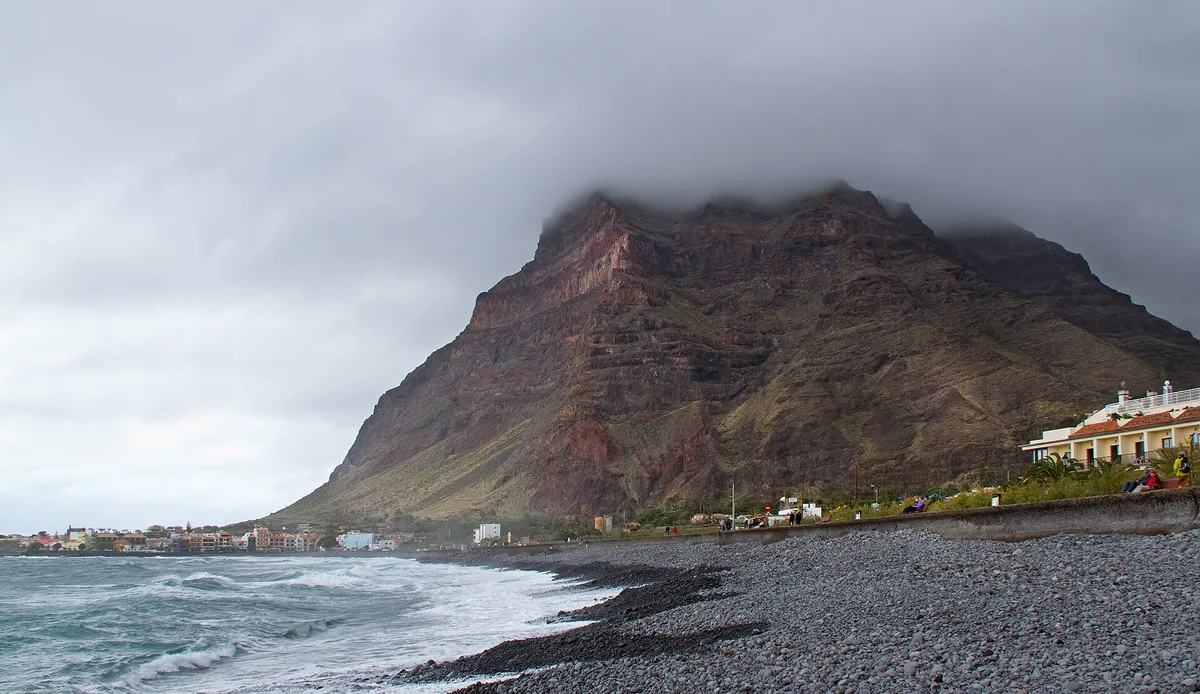
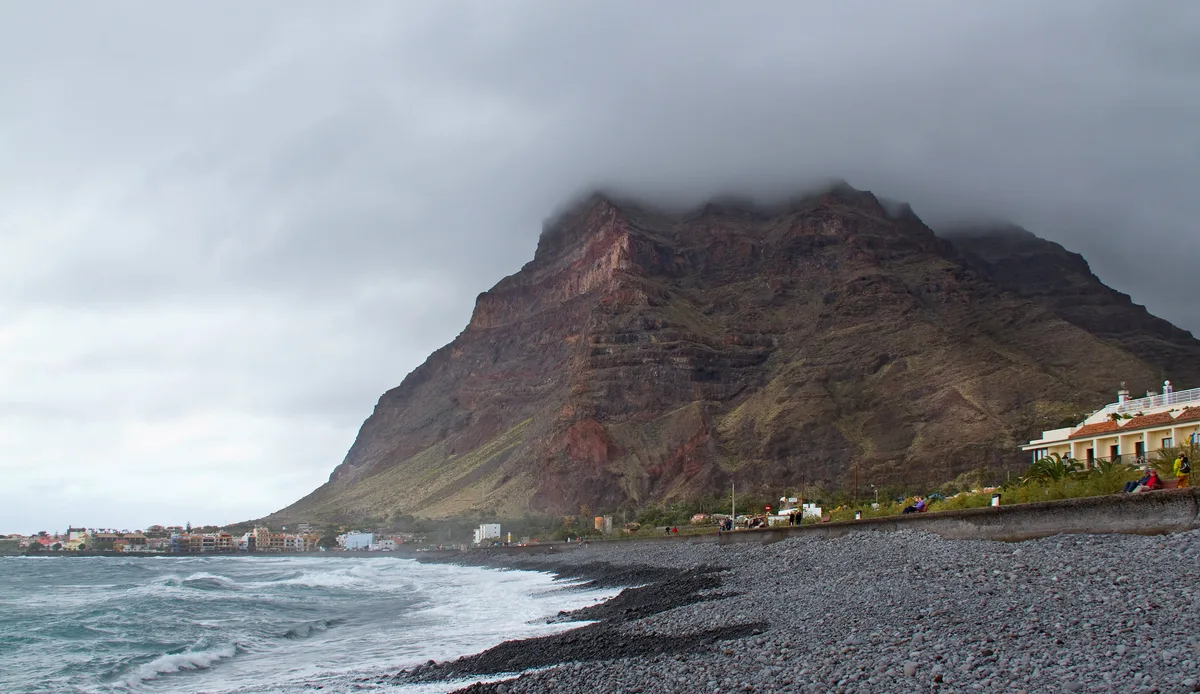
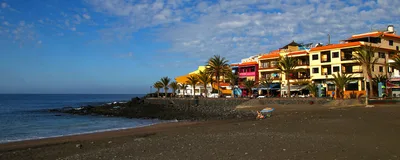
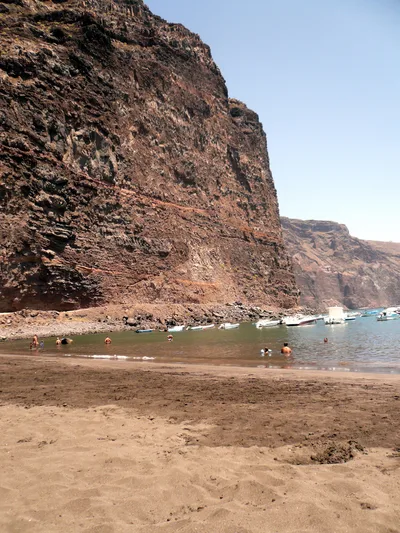
Playa de Valle Gran Rey sits at the mouth of one of La Gomera's great ravines, where layered basalt cliffs drop dramatically to roughly 1,000 metres of dark volcanic sand. The blue Atlantic stretches wide in front of you, and the contrast between the black sand and the open water is genuinely striking. This is a lively beach with a long-standing alternative traveller community — think backpackers, long-stay Europeans, and people who discovered La Gomera decades ago and never quite left. The ravine setting gives the whole place a theatrical backdrop, and in winter the swell rolls in with real force. It's iconic for a reason, but it rewards those who understand its character.
How to get there
You can reach Valle Gran Rey by car from San Sebastián de La Gomera in around 60 minutes on daily services. Alternatively, take the daily ferry from Los Cristianos, Tenerife — the crossing takes approximately 180 minutes. Free parking is available in Valle Gran Rey village, though spaces close to the sea fill quickly in high season, so arrive early. There is no entry fee.
Who it's for
For couples
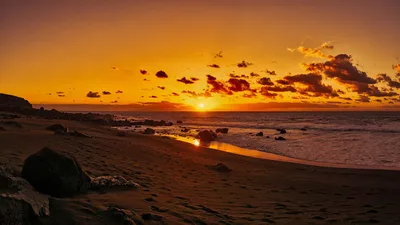
The dramatic ravine backdrop and the lively alternative atmosphere make this a beach for couples who want character over comfort — walk the coastal path toward Playa de Argaga together, then catch the sunset from the village.
For families
Families should be aware that there is no lifeguard service and wave action can be strong, particularly in winter — the moderate swimming conditions mean younger children need close supervision at all times. The easy village access and free parking are practical pluses.
Our take
Valle Gran Rey is one of those beaches that has a genuine identity — the alternative traveller community, the basalt cliffs, the dark sand, the ravine dropping straight to the sea. It's not a polished resort beach, and that's exactly the point. The lack of lifeguard cover is a real consideration: the Atlantic here is not a swimming pool, and winter swells can arrive with little warning. Go in late spring or early autumn if you can — the beach is busy enough in peak summer that the experience suffers, and the wave action adds an extra variable. Come for the landscape, the community, the walks to Garajonay and Argaga. Stay alert near the water. Skip in August.
What to do
The wild black-sand cove of Playa de Argaga, about 2 kilometres away, is reachable by coastal walk or kayak and is well worth the effort. Head up to Mirador del Santo, roughly 3 kilometres from the beach, for panoramic views over the Valle Gran Rey ravine and the coastline below. For something more ambitious, Parque Nacional de Garajonay is about 10 kilometres inland — a UNESCO-listed laurisilva cloud forest at the island's centre that feels like another world entirely.
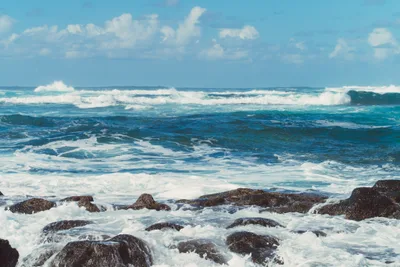
The black volcanic sand against the blue Atlantic, framed by the layered basalt cliffs at the ravine mouth, is the defining shot — get there early before the beach fills.
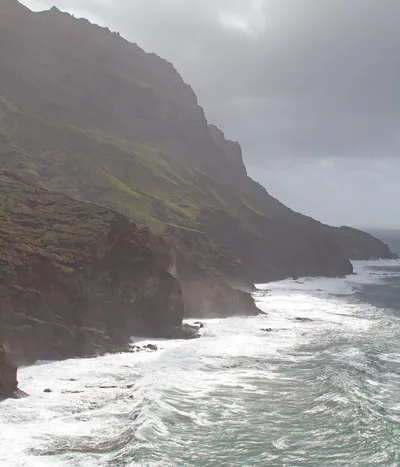
Mirador del Santo, 3 kilometres up, gives you the full valley-and-coast panorama that puts the whole scene in context. Playa de Argaga, 2 kilometres along the coast, offers a wilder, more isolated black-sand frame for those willing to walk.
Where to eat
Trasmallo, just 200 metres from the beach, covers fish, grilled meats and steak-house fare — a solid choice after a day on the sand. Pizzeria Avenida and Colorado (a German-leaning restaurant) are both at a similar distance if you want something different. Los Olivos is a short 300-metre walk, and La Pardela is around 600 metres away for a slightly longer stroll.
Where to stay
Hotel Tres Palmeras is the closest option at 300 metres, followed by Los Tarajales at 50 metres and Faro del Inglés at 500 metres. Jardin Concha and AP Villa Aurora are both within 700 metres if you prefer a little more distance from the beach action.
Photography
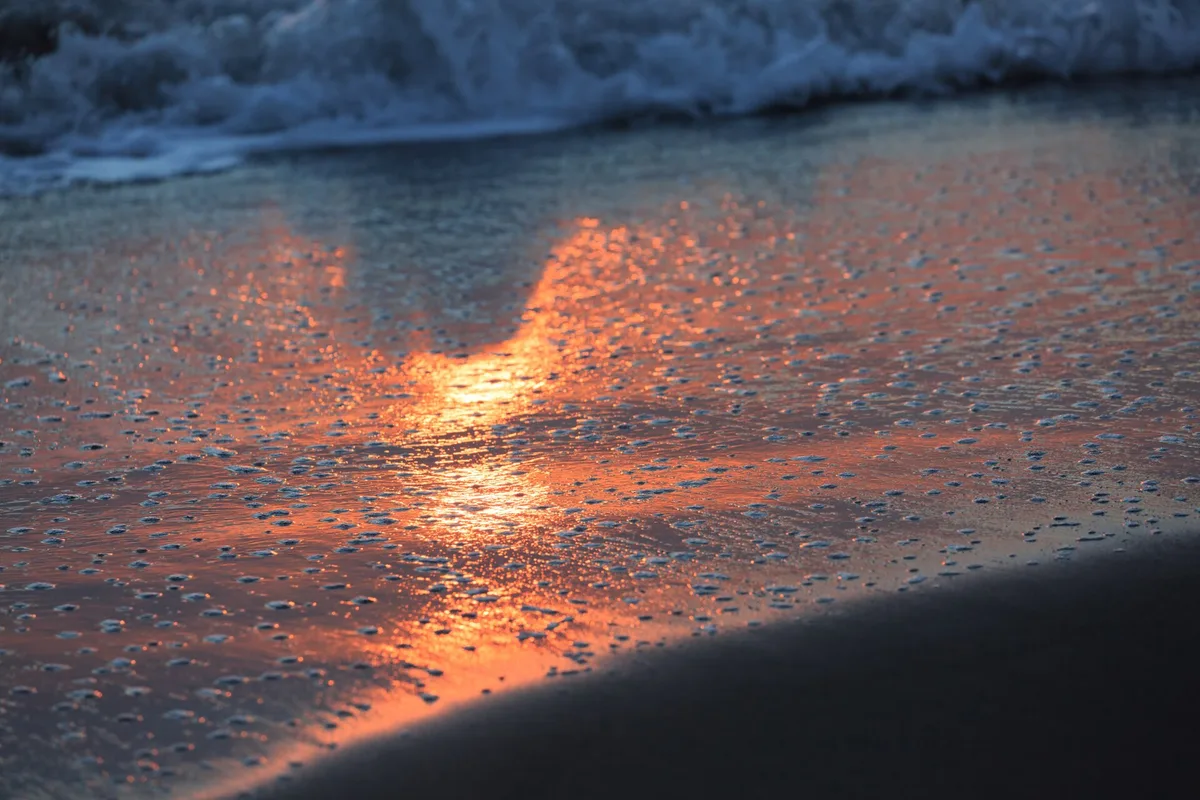
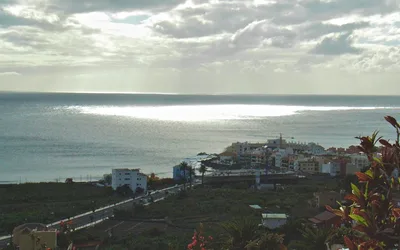
Shoot from the base of the basalt cliffs in the early morning, when the low light catches the dark volcanic sand and the blue water behind it — the ravine walls frame the scene naturally. The elevated viewpoints at Riscos de La Mérica (1km) and Valle Gran Rey View (3.2km) give you the full sweep of the ravine mouth and coastline, best in the golden hour before sunset.
Good to know
Camping on the beach is not permitted — respect this rule or risk a fine. There is no lifeguard service here, so you swim entirely at your own risk; strong wave action is possible, especially during winter swells, and caution is essential before entering the water. Wheelchair access is very difficult due to the soft black sand and the absence of any hard path. July and August bring the heaviest visitor numbers and can also see strong wave action — if you want space and calmer conditions, aim for late spring or early autumn instead.
GAMES
🕹️ Five minutes of sand?
Three daily games — including the UV simulator set to this beach.
Map
Nearby places
Trasmallo
Pizzeria Avenida
Colorado
Los Olivos
La Pardela
Hotel Tres Palmeras
Los Tarajales
Faro del Inglés
Jardin Concha
AP Villa Aurora
Riscos de La Mérica
Mirador de la curva del Queso
Valle Gran Rey View
Things to see around Valle Gran Rey
Mirador del Santo
Panoramic viewpoint over the Valle Gran Rey ravine and coast
Parque Nacional de Garajonay
UNESCO-listed laurisilva cloud forest at the island's centre
Playa de Argaga
Wild black sand cove accessible by coastal walk or kayak from Valle Gran Rey
GIFT
🎁 Gift this beach
Its exact coastline, your date, your words — on a print or a PDF you print yourself.
Valle Gran Rey Beach
THAT DAY
Valle Gran Rey Beach, Canary Islands
© OpenStreetMap contributors
Clean & decorative, or “That day” with the real sky of your date.
Shipping included 3-6 business days
A question before you order? Contact us
Delivered within minutes on the confirmation page and by email: a ZIP with all 4 print sizes (30×40 cm, 12×16″, 50×70 cm, 18×24″), each as a high-resolution PDF and PNG (300 dpi), plus a screen version. Print at home or at any print shop.
Please complete the delivery address.
Please accept the Terms of Sale.
Almost there — the shop opens very soon.
Secure payment · Printed locally in 30+ countries · 7 languages
Frequently asked
The information on this page is provided for guidance only and may evolve. Access conditions, safety and infrastructure can change without notice. Always check official sources before traveling.
Nearest beaches
Other lively beaches in Canary Islands
More beaches in Canary Islands
Reviews of this beach
- No reviews yet, what a shame — leave yours and share your experience.
Photo credits
Sources and licenses for the photos shown above.
- Photo 1 — Tony Hisgett from Birmingham, UK · source · CC BY 2.0
- Photo 2 — Georg Botz · source · CC BY-SA 3.0
- Photo 3 — ahisgett · source · CC BY 2.0
- Photo 4 — gertrudis2010 · source · CC BY-SA 3.0