Pouldu BeachFrance Beach Guide
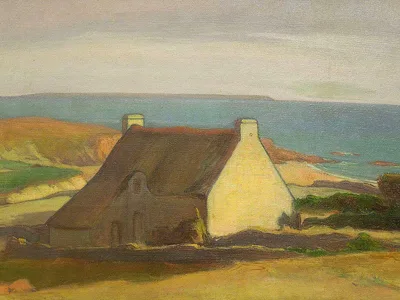
Golden sands where Gauguin once found his muse
About
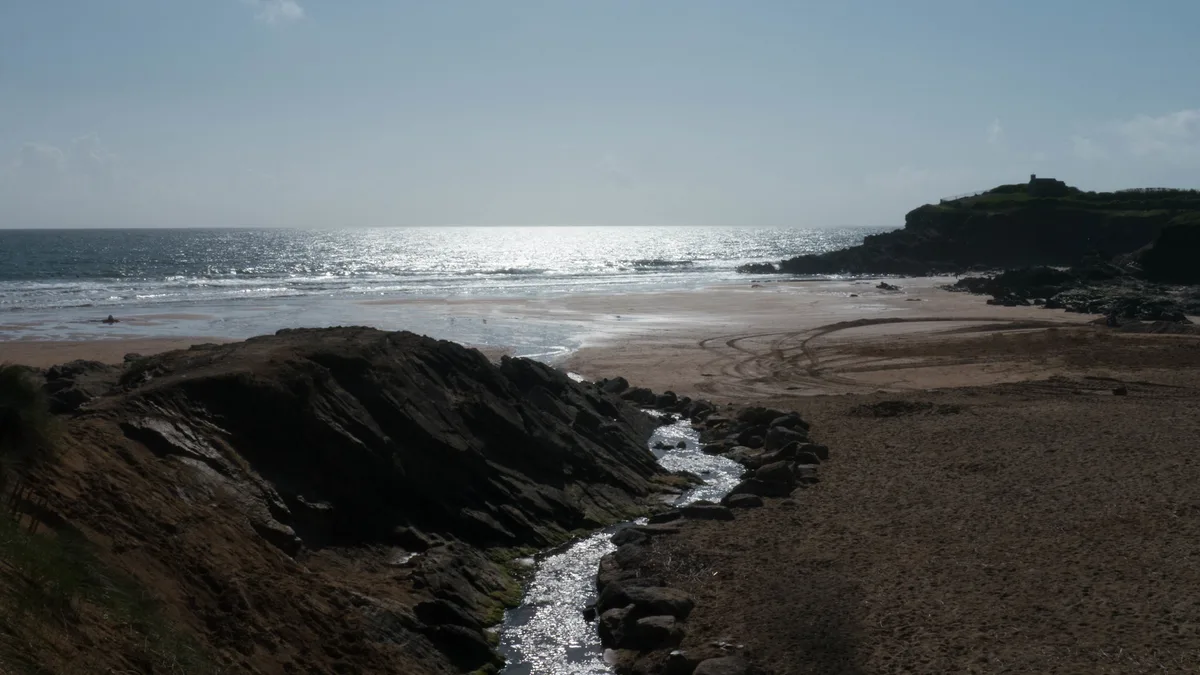
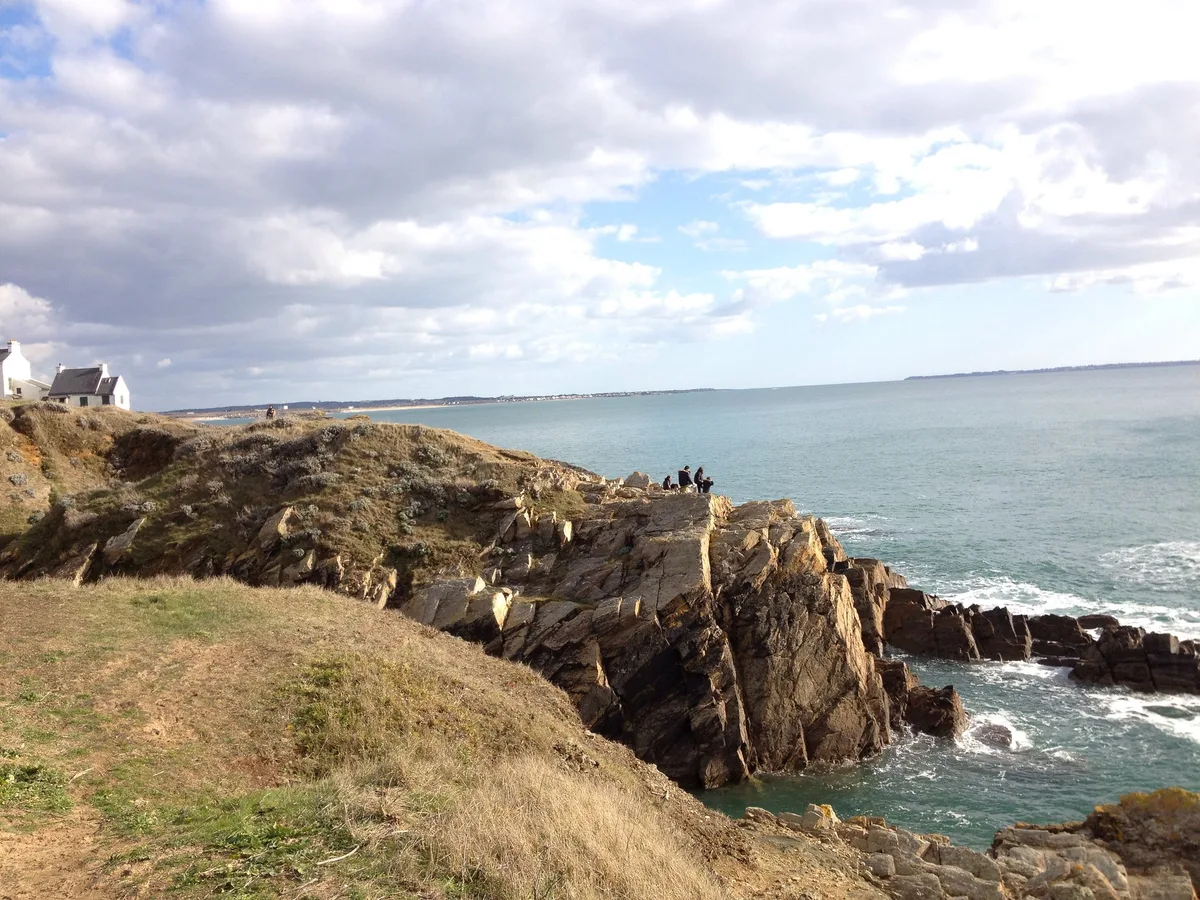
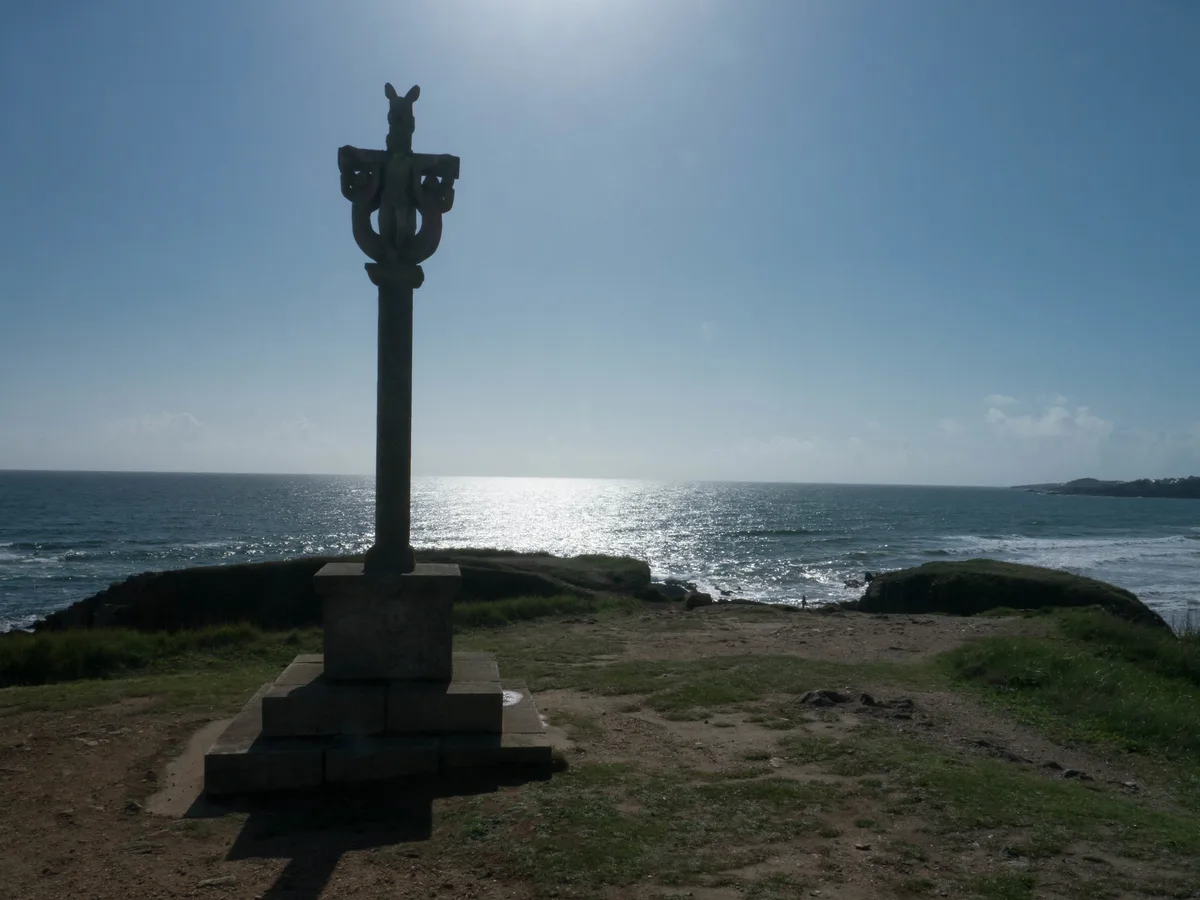
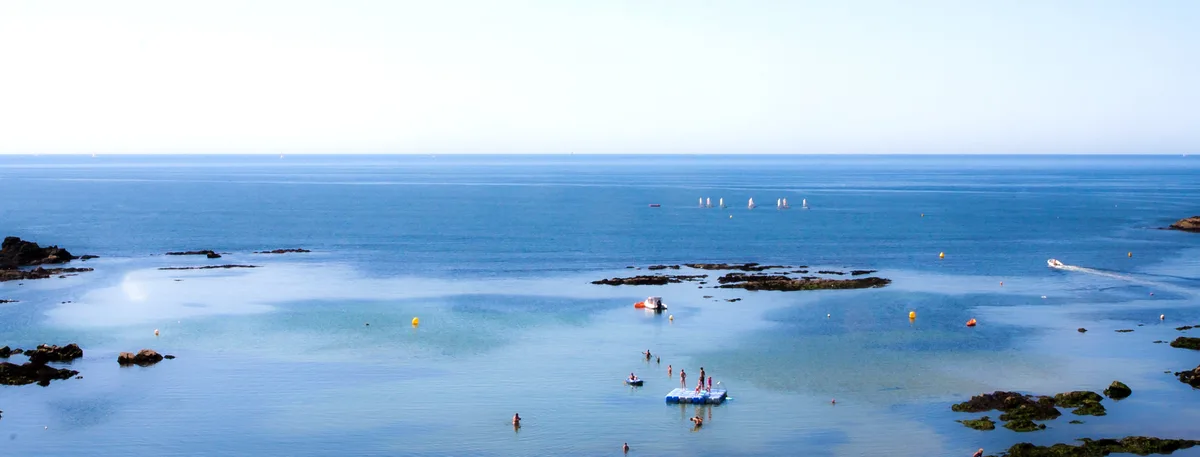
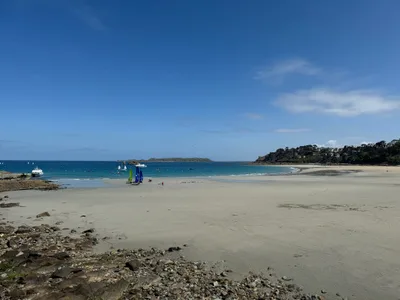
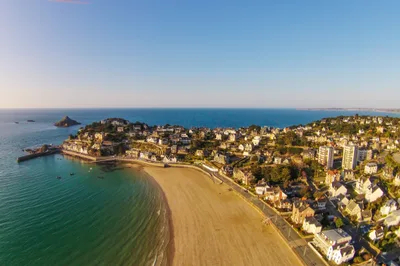
Plage de Pouldu stretches roughly 600 metres of golden sand along the southern Brittany coast, where the Laïta estuary meets the Atlantic. The water runs a genuine turquoise here — surprising for this latitude — and a backdrop of early 20th-century villas gives the shoreline a quietly distinguished character. The beach sits at a departmental border, with the river mouth adding a sense of place that most Breton beaches simply don't have. It's relaxed rather than rowdy, with moderate visitor numbers that keep things civilised without feeling deserted. Paul Gauguin painted in this village in 1889–1890, and that artistic legacy still hangs in the air.
How to get there
From Quimperlé, it's an easy 20-minute drive to Le Pouldu village, where free car parks sit close to the beach — no app, no ticket machine, no fee. Ferry options also exist; multiple operators run services in the area, and Izilo connects Lorient's Port de Pêche to Port-Louis La Pointe, though a longer 90-minute crossing is available too. The beach itself is reached via village roads, and the soft sand surface is straightforward underfoot once you arrive.
Who it's for
For couples
The combination of art history, a relaxed pace, and early 20th-century villa scenery makes this a genuinely atmospheric choice for couples who want culture alongside the beach — walk from the Maison Gauguin straight onto the golden sand in under a minute.
For families
The easy village road access, free parking, and 600 metres of golden sand give families room to spread out without logistical stress; the moderate swimming conditions mean children can paddle, but keep them close near the estuary end where currents shift.
Our take
Plage de Pouldu earns its place on the Brittany itinerary not just as a beach but as a place with a genuine story. The Gauguin connection is real and walkable — the reconstructed inn is literally at the sand's edge. Swimming is moderate rather than guaranteed safe, so treat the estuary mouth with respect and read the flags. The golden sand and turquoise water are the real deal for this latitude, and the free parking and easy access mean there's no friction getting here. It's best in June or early September when visitor numbers ease off and the light is still long. Worth the detour from Quimperlé — and worth staying a night to catch it at its quietest.
What to do
Start at the Maison Gauguin du Pouldu, right at the beach — it's a reconstructed inn where Gauguin lived and worked in 1889–1890, with reproductions of his murals still on the walls, and it's the single best reason to linger in the village. When you're ready to stretch your legs, the Forêt de Carnoët is 6.6km away, an ancient forest threaded with marked walking trails along the Laïta river valley. The medieval town of Quimperlé, 13.2km inland, rewards an afternoon visit for its Romanesque Sainte-Croix abbey sitting at the confluence of two rivers.
The Maison Gauguin du Pouldu exterior — with its painted inn history and village setting — is the most distinctive foreground subject on this stretch of coast.
Shoot the estuary mouth from the eastern end of the beach at low tide for the widest view of turquoise water meeting golden sand, with the villa backdrop completing the frame.
Where to eat
Au Grand Bleu is the closest option at just 0.4km, serving French cuisine within easy walking distance of the sand. For something regional, À l'arbre rouge is 0.8km away, and Les Pieds dans l'Eau — a regional crêpe and pancake spot — is worth the 2.2km trip if you want a proper Breton feed. The Snack Bar des Kérousiens at 0.5km covers coffee and quick bites when you don't want to stray far.
Where to stay
Hôtel-Restaurant du Pouldu at 1.9km is the most convenient base, combining rooms with a French restaurant on-site. Fleur de Sel at 2.6km offers another nearby option, while those after something more expansive can look at Domaine de Kerbastic (5.6km), Manoir de Kertalg (9km), or the Moulin du Duc (9.4km) — all within reasonable driving distance of the beach.
Photography
The Maison Gauguin facade framed against the early-morning light makes a compelling shot that connects place to art history — go before 9am when the village is quiet. For landscape work, the Laïta estuary mouth at golden hour gives you turquoise water, golden sand, and the villa skyline in a single frame.
Good to know
June through September is the reliable window — Brittany's temperate climate means outside those months you're gambling on wind and grey skies. Swimming is rated moderate here, so keep an eye on conditions at the estuary mouth where river and sea currents can interact unpredictably; always check local flags before entering the water. The Laïta estuary edge deserves particular caution — tidal flow near a river mouth behaves differently from open beach. Arrive before mid-morning in July and August to secure a good spot without the peak-day press.
GAMES
🕹️ Five minutes of sand?
Three daily games — including the UV simulator set to this beach.
Map
Nearby places
Au Grand Bleu
Snack Bar des Kérousiens
À l'arbre rouge
Hôtel-Restaurant du Pouldu
Les Pieds dans l'Eau
Hôtel-Restaurant du Pouldu
Fleur de Sel
Domaine de Kerbastic
Manoir de Kertalg
Moulin du Duc
Things to see around Clohars-Carnoët
Maison Gauguin du Pouldu
Reconstructed inn where Gauguin stayed and painted 1889–1890, with reproductions of his murals.
Forêt de Carnoët
Ancient forest along the Laïta river valley with marked walking trails.
Quimperlé
Medieval Breton town with Romanesque Sainte-Croix abbey at river confluence.
GIFT
🎁 Gift this beach
Its exact coastline, your date, your words — on a print or a PDF you print yourself.
Pouldu Beach
THAT DAY
Pouldu Beach, Brittany
© OpenStreetMap contributors
Clean & decorative, or “That day” with the real sky of your date.
Shipping included 3-6 business days
A question before you order? Contact us
Delivered within minutes on the confirmation page and by email: a ZIP with all 4 print sizes (30×40 cm, 12×16″, 50×70 cm, 18×24″), each as a high-resolution PDF and PNG (300 dpi), plus a screen version. Print at home or at any print shop.
Please complete the delivery address.
Please accept the Terms of Sale.
Almost there — the shop opens very soon.
Secure payment · Printed locally in 30+ countries · 7 languages
Frequently asked
The information on this page is provided for guidance only and may evolve. Access conditions, safety and infrastructure can change without notice. Always check official sources before traveling.
Nearest beaches
Other relaxed beaches in France
More beaches in Brittany
Reviews of this beach
- No reviews yet, what a shame — leave yours and share your experience.
Photo credits
Sources and licenses for the photos shown above.
- Photo 1 — mkepto · source · CC BY 2.0
- Photo 2 — neyssensas · source · CC BY-SA 2.0
- Photo 3 — mkepto · source · CC BY 2.0
- Photo 4 — jfgornet · source · CC BY-SA 2.0
- Photo 5 — Władysław Ślewiński · source · CC BY-SA 4.0