Campas BeachBrazil Beach Guide
Wild golden sands, zero facilities, Atlantic swell — earn it
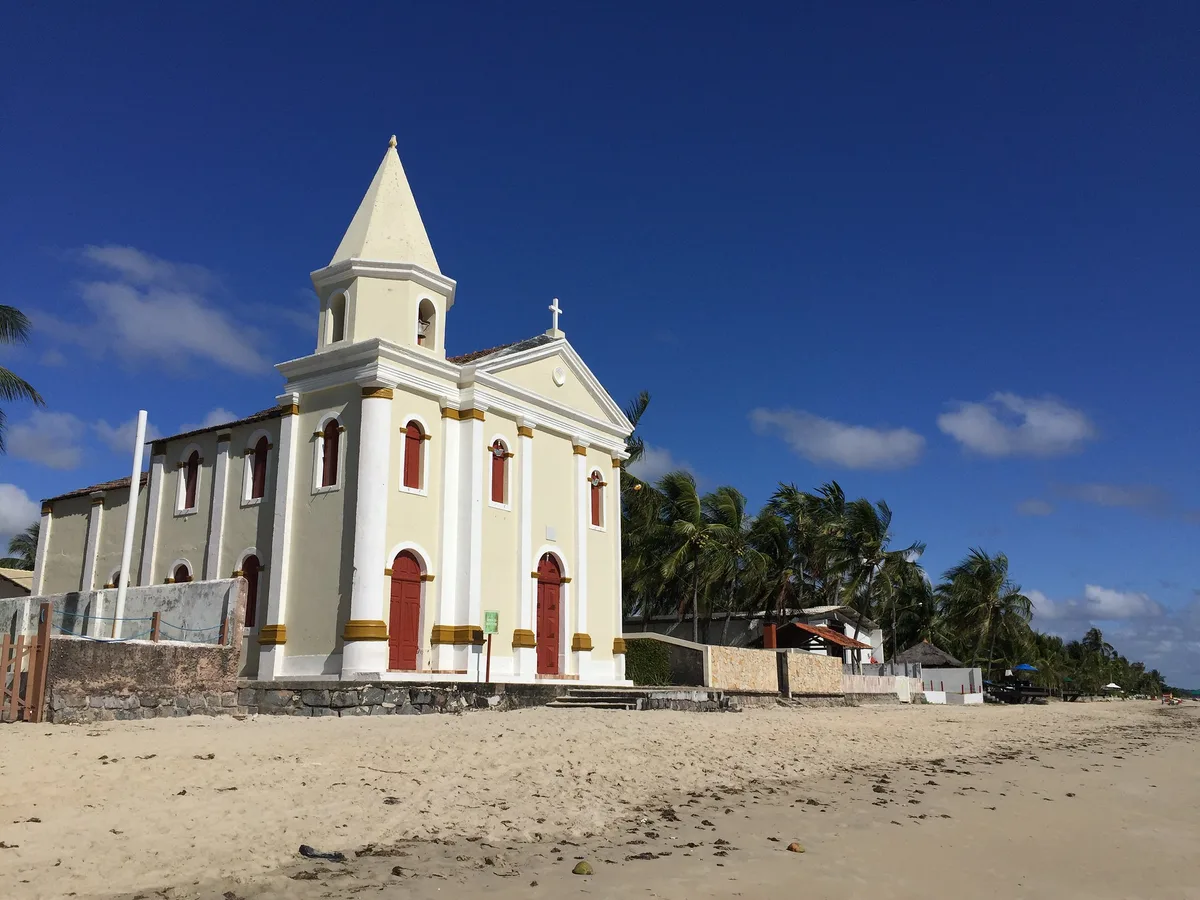
 🎁 Gift idea: the star map of your most beautiful night↓
About
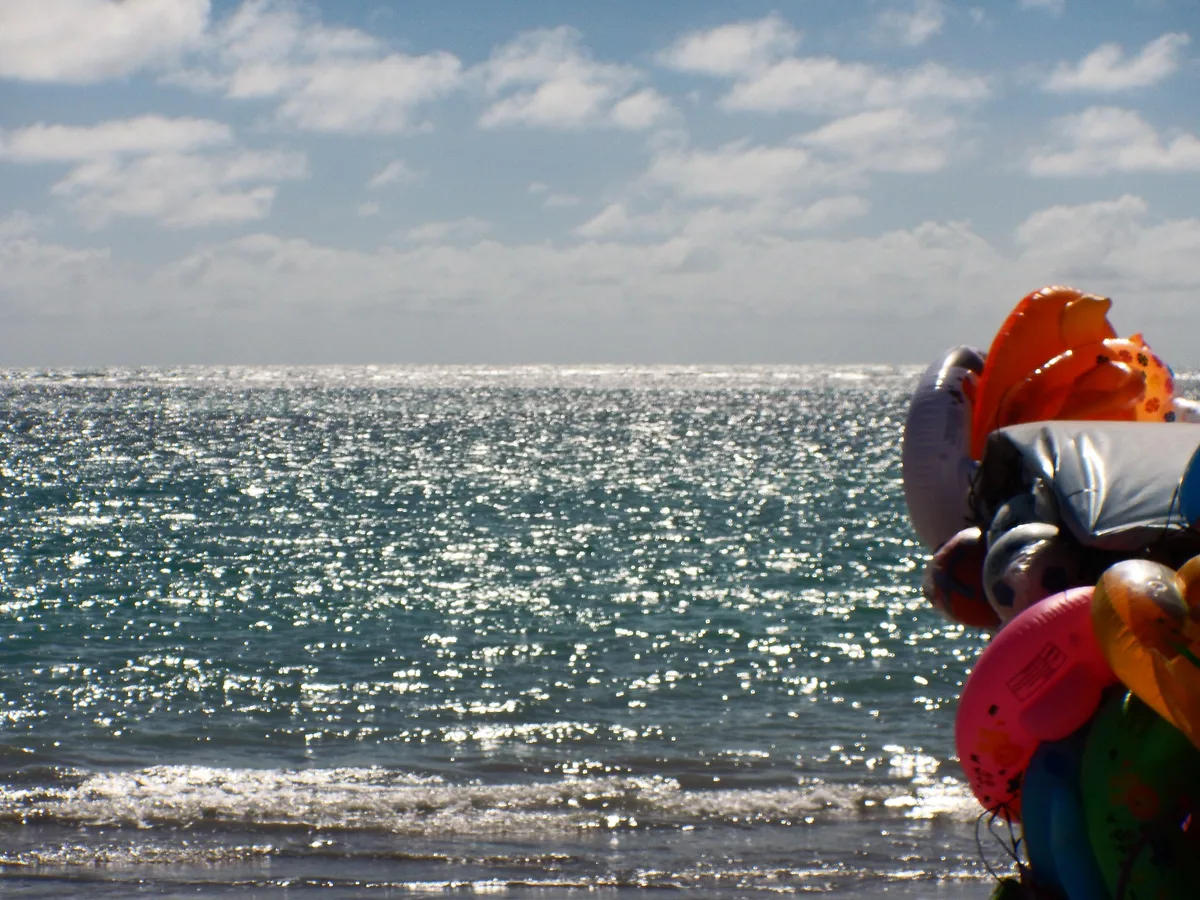
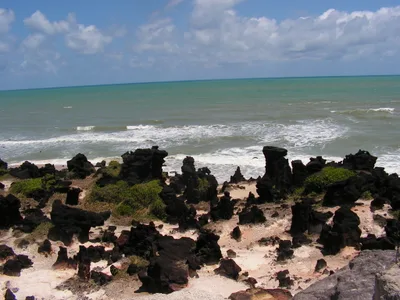
Praia de Campas sits on the coast of Tamandaré in Northeast Brazil, a stretch of golden sand backed by low scrub dune vegetation and punctuated by raw sandstone reef outcrops that jut into open blue Atlantic water. There is no bar, no sunbed rental, no lifeguard — just the wind, the waves, and the occasional seabird. Access is hike-in only, which keeps visitor numbers genuinely low; on most days you'll have the beach almost entirely to yourself. The exposed Atlantic swell gives the shoreline an untamed energy that feels a world away from the polished resort beaches further up the coast.
How to get there
From Tamandaré center, Praia de Campas is roughly a 15-minute walk or a 5-minute drive, both routes available daily. The final approach is walk-only — over sand and scrub — so sturdy footwear is essential and the beach is not accessible for visitors with mobility limitations. Parking is available near the beach, with a mix of public spots and private options linked to nearby accommodations.
Who it's for
For couples
Praia de Campas rewards couples who are happy to carry their own picnic and share a genuinely empty beach — the sandstone outcrops and open blue water create a dramatic backdrop that feels private by default, not by luck.
For families
Families with young children should think carefully before visiting: there is no shade, no water, no emergency services, and strong rip currents near the sandstone outcrops make unsupervised swimming genuinely risky. Older children who are confident hikers and can handle a self-sufficient day out may enjoy the wild landscape, but it is not a beach for toddlers or non-swimmers.
Our take
Let's be direct about safety first: strong rip currents at the sandstone outcrops are a documented hazard, there are no emergency services on site, and no shade or water anywhere on the beach. Do not swim near the rocks without reliable local knowledge of current conditions on that specific day. With that clearly understood, Praia de Campas is one of the most genuinely wild stretches of coast in the Tamandaré area — golden sand, open blue water, sandstone formations, and almost nobody else around. The hike-in access is the filter that keeps it that way. Come in the dry season between May and October, arrive self-sufficient, and treat the place with the respect a beach this exposed demands. It is not a beach for a casual afternoon dip — it is a beach for people who know what they are doing.
What to do
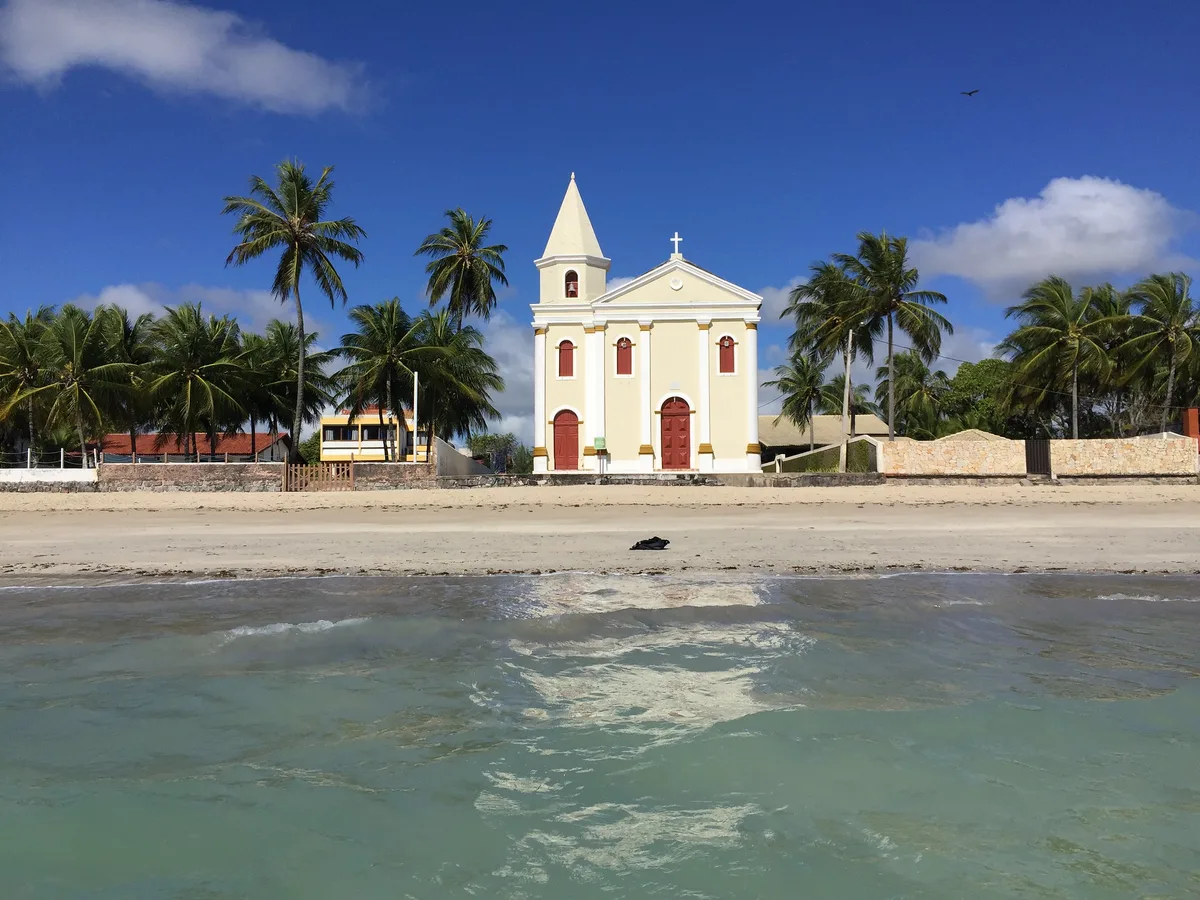
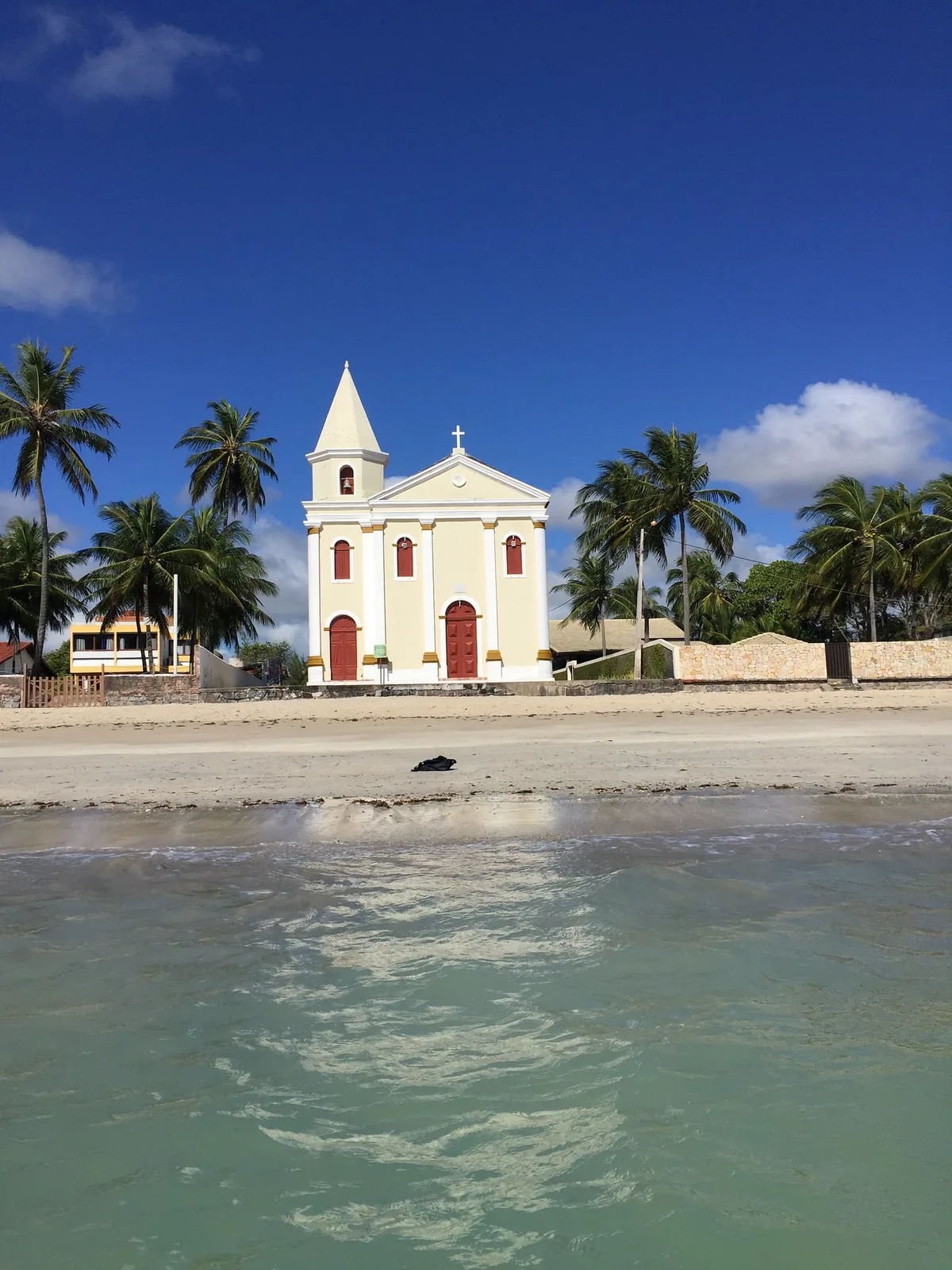
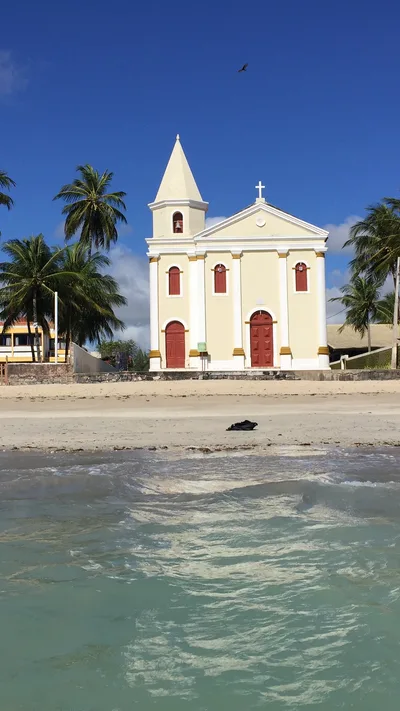
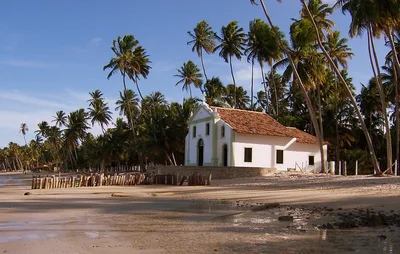
The beach itself — Praia das Campas — is the main event, worth exploring on foot for its sandstone formations and wild swimming spots in calmer conditions. Further afield, Praia dos Carneiros, about 15 km away, rewards the drive with a palm-fringed shoreline and a colonial chapel at the Rio Formoso mouth, while the APA de Guadalupe protected coastal area, around 18 km out, holds reef pools that rival Porto de Galinhas.
The sandstone reef outcrops at the shoreline are the defining shot — position yourself low on the golden sand with the blue Atlantic behind for a frame that needs no filter.
The scrub dune vegetation along the beach's back edge offers a second angle, especially effective in early-morning light when the beach is empty and the shadows are long.
Where to eat
There are no food or drink options on the beach itself, so eat before you go. Il Giardino, an Italian restaurant just 0.4 km away, is the closest option for a meal after your visit. For seafood, O Rei dos Crustáceos is about 1.5 km from the beach, and Rappa Nui is a similar distance if you want something more casual.
Where to stay
Ancoradouro, just 0.7 km away, is the closest place to stay and a practical base for an early-morning visit before the heat builds. Sol & Mar at 1.2 km and Hotel Arena Carneiros at 1.6 km offer further options within easy reach. If you prefer something more secluded, Pontal Beach Bungalows is about 4.2 km out.
Photography
The sandstone reef outcrops at the water's edge make the strongest foreground subjects — shoot at low sun angles in the early morning when the golden sand catches warm light and the blue Atlantic stretches uninterrupted behind the rocks. The low scrub dune vegetation along the back of the beach frames wide-angle compositions that emphasise the beach's wild, empty character.
Good to know
This beach has zero commercial infrastructure — you must arrive fully self-sufficient with water, food, sun protection, and a first-aid kit. Strong rip currents have been reported at the sandstone outcrops: do NOT enter the water near the rocks without solid local knowledge of the specific currents on that day. There is no shade, no fresh water, and no emergency services anywhere on the beach, so plan your visit accordingly. Avoid the months of March, April, May, and June: the rainy season intensifies rip current danger at the outcrops and turns the walk-in route into a muddy slog.
GAMES
🕹️ Five minutes of sand?
Three daily games — including the UV simulator set to this beach.
Map
Nearby places
Il Giardino
Rappa Nui
Pizzaria do Gaúcho
O Rei dos Crustáceos
João
Ancoradouro
Sol & Mar
Hotel Arena Carneiros
Pousada Baia dos Corais
Pontal Beach Bungalows
Praia das Campas
Tamandaré beach
Vila Padre Arlindo Carneiros Tamandaré
Things to see around Tamandaré
Praia dos Carneiros
Palm-fringed beach with colonial chapel at the Rio Formoso mouth.
Tamandaré town
Small coastal town with local seafood restaurants and access to APA de Guadalupe.
APA de Guadalupe
Protected coastal area with reef pools rivaling Porto de Galinhas.
GIFT IDEA · MARCEL ET LES BLONDES
🎁 Give a moment, not a thing


What’s the occasion?

 💑 Dating anniversaryTwo dates, two starry skies
 💍 Wedding anniversaryCotton, silver, golden…
 🎂 BirthdayTheir own newspaper front page
 👶 New babyThe stars on the day they were bornValentine’s DayOur two moons, as a print
Shipping €5, free from €49 · made to order, shipped within 48 hAlso: our engraved wooden bracelets, €23.90 →
Frequently asked
The information on this page is provided for guidance only and may evolve. Access conditions, safety and infrastructure can change without notice. Always check official sources before traveling.
Other beaches in the region
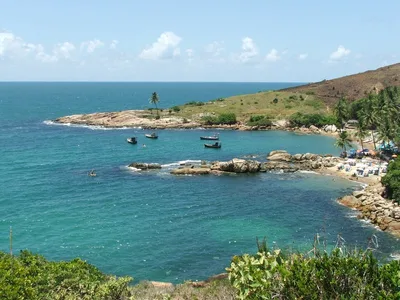
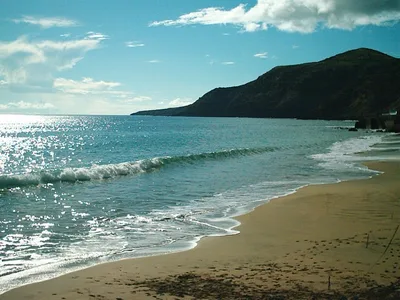
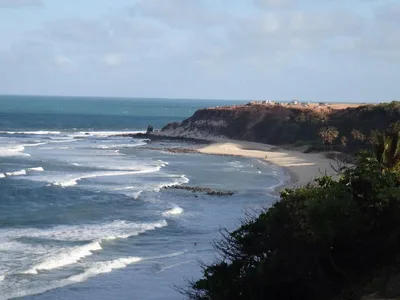
Other wild beaches in Brazil
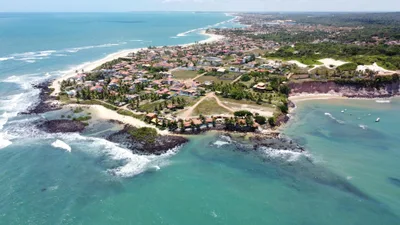
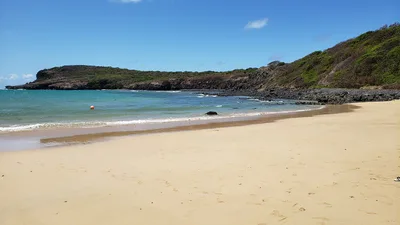
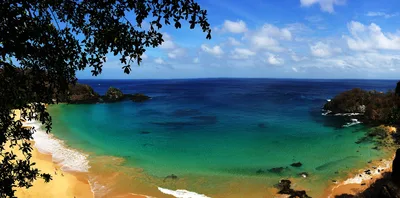
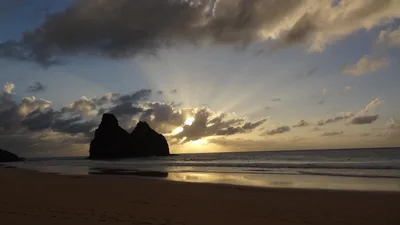
More beaches in Northeast Brazil
Reviews of this beach
- No reviews yet, what a shame — leave yours and share your experience.
Photo credits
Sources and licenses for the photos shown above.
- Photo 1 — Rodrigo_Soldon · source · CC BY-ND 2.0
- Photo 2 — Rodrigo_Soldon · source · CC BY-ND 2.0
- Photo 3 — Rodrigo_Soldon · source · CC BY-ND 2.0
- Photo 4 — Rodrigo Soldon Souza · source · CC BY-ND 2.0
- Photo 5 — Rodrigo_Soldon · source · CC BY-ND 2.0