Gaibu BeachBrazil Beach Guide
Golden crescent bay, fresh crab, calm emerald water
 🎁 Gift idea: the star map of your most beautiful night↓
About
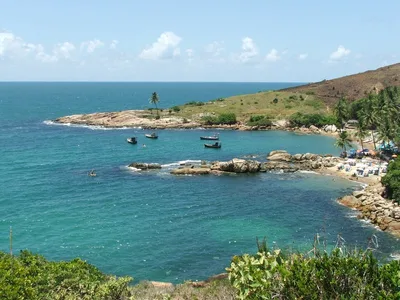
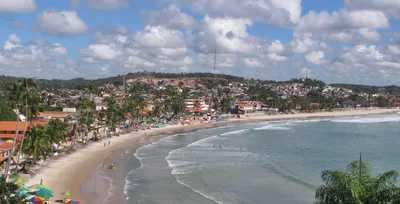
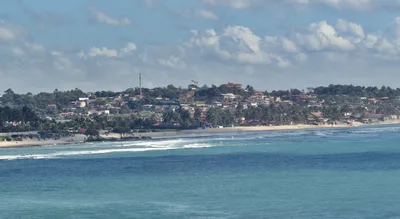
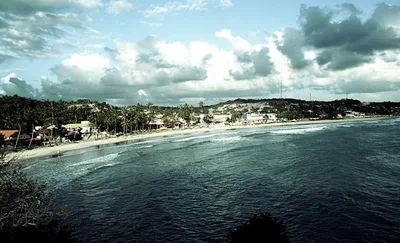
Praia de Gaibu sweeps nearly four and a half kilometres of golden sand along a headland-sheltered crescent bay in Cabo de Santo Agostinho, Northeast Brazil. The surrounding headlands keep the water calm enough for families, and that emerald colour catches the light in a way that makes the whole bay feel like a secret the locals have been quietly keeping. It carries a genuinely residential atmosphere — barracas serving fresh crab and seafood line the shore, and the pace is unhurried on weekday mornings. visitors levels shift dramatically by zone and by season, so where and when you plant your towel matters. It's an easy day-trip from Recife, but it rewards those who linger.
How to get there
From Recife, the drive takes around 39 minutes by car; from Cabo de Santo Agostinho itself, you're looking at roughly 15 minutes. Access to the beach is easy and the sand is flat, making it straightforward to reach the waterline. Parking is available in private lots near the beach access points, with fees typically running R$10–15 — note that these lots fill quickly on summer weekends, so an early arrival is your best strategy.
Who it's for
For couples
The calm emerald water and local residential atmosphere make Gaibu a genuinely low-key escape — share a plate of fresh crab at a barraca on a quiet weekday and the beach feels like it belongs to you alone.
For families
The headland-sheltered bay keeps conditions moderate for swimming, and flat sand access means easy going with young children; just check for red flags before anyone enters the water, and aim for a weekday arrival to avoid the busiest summer periods.
Our take
Rip currents are real here, particularly at high tide — always check the flags and never dismiss a red warning as overly cautious. That said, when conditions are calm, Praia de Gaibu delivers something increasingly rare on the Northeast Brazil coast: a long, golden-sand bay that still feels like it belongs to the people who live there. The emerald water, the fresh crab at the barracas, the easy drive from Recife — it all adds up to a genuinely satisfying day out. Come on a weekday in the dry season, before the day-trippers arrive, and you'll understand why locals are in no hurry to shout about it. Skip April through June if you want the water at its best.
What to do
A zip-line (Tirolesa) operates about 1.6 km from the beach — a solid activity to break up a lazy afternoon. For a scenic detour, the Vista da Casa do Faroleiro viewpoint sits 2.6 km away and offers a different perspective on the coastline. History-minded visitors can make the short trip to the Cabo de Santo Agostinho fort ruins, roughly 8 km out, while the clean Atlantic surf of Praia do Paiva is around 10 km away for those wanting a change of scenery.
The crescent bay itself — shot from the waterline at sunrise with the golden sand curving toward the headlands — is the defining frame.
The Vista da Casa do Faroleiro viewpoint, 2.6 km away, gives you an elevated panorama of the emerald bay that works especially well in the clear-sky dry season. The seafood barracas at the shoreline, with their colourful plastic chairs and fresh-catch displays, make for an honest, characterful shot of local beach life.
Where to eat
Bar do Arthur, just 1.8 km from the beach, is the closest sit-down option and a natural stop for fresh seafood after a swim. Further along, Itapuama at 3.8 km and Novo Horizonte at 5.8 km round out the regional dining options within easy reach. The barracas right on the beach are your best bet for fresh crab and grilled seafood without leaving the sand.
Where to stay
Hotel Canariu's sits just 0.2 km from the beach — as close as it gets for a proper hotel stay. Pousada Caravelas de Pinzon at 1.1 km and Pousada Estrela de Gaibu at 1.3 km offer pousada-style comfort within a short walk of the waterfront. A couple of additional pousadas at 1.6 km round out the options for those who want to wake up close to the bay.
Photography
The headland-framed crescent bay photographs best in the early morning, when the golden sand is still empty and the emerald water catches the low-angle light without haze. For elevated compositions, the Vista da Casa do Faroleiro viewpoint 2.6 km away gives you a sweeping look back across the bay that no beach-level shot can match.
Good to know
Arrive before 9 a.m. on summer weekends — December through February — or visit on a weekday, because Recife day-trippers pack the beach by mid-morning during those months. Strong currents develop, especially at high tide, and some zones have rip currents; always check for red flags before entering the water and do not swim in flagged areas. Avoid the months of April, May, and June if water clarity and beach usability matter to you, as the rainy season significantly reduces both. Flat sand access and some paved areas at the barracas make the beach reasonably manageable for visitors with mobility considerations.
GAMES
🕹️ Five minutes of sand?
Three daily games — including the UV simulator set to this beach.
Map
Nearby places
Bar do Arthur
Itapuama
Novo Horizonte
Empório Gourmet Parma Deli
3359 - Alfredão DA Pituzada
Hotel Canariu's
Pousada Caravelas de Pinzon
Pousada Estrela de Gaibu
Pousada
Pousada
Cabo de Santo Agostinho fort ruins
Praia do Paiva
Recife historic centre
Things to see around Cabo de Santo Agostinho
Cabo de Santo Agostinho fort ruins
Praia do Paiva
4 km clean Atlantic beach with consistent surf near Recife.
Recife historic centre
Colonial waterfront district with museums and the Recife Antigo neighbourhood.
GIFT IDEA · MARCEL ET LES BLONDES
🎁 Give a moment, not a thing


What’s the occasion?

 💑 Dating anniversaryTwo dates, two starry skies
 💍 Wedding anniversaryCotton, silver, golden…
 🎂 BirthdayTheir own newspaper front page
 👶 New babyThe stars on the day they were bornValentine’s DayOur two moons, as a print
Shipping €5, free from €49 · made to order, shipped within 48 hAlso: our engraved wooden bracelets, €23.90 →
Frequently asked
The information on this page is provided for guidance only and may evolve. Access conditions, safety and infrastructure can change without notice. Always check official sources before traveling.
Other beaches in the region
Other family beaches in Brazil
More beaches in Northeast Brazil
Reviews of this beach
- No reviews yet, what a shame — leave yours and share your experience.
Photo credits
Sources and licenses for the photos shown above.
- Photo 1 — Clovis D Figueiredo · source · CC BY-SA 3.0
- Photo 2 — Josuel21 · source · CC BY-SA 4.0
- Photo 3 — Josuel21 · source · CC BY-SA 4.0
- Photo 4 — Luci Correia · source · CC BY 2.0