Onetahuti BeachNew Zealand Beach Guide
Golden sand, no roads, no rules — just wilderness
About
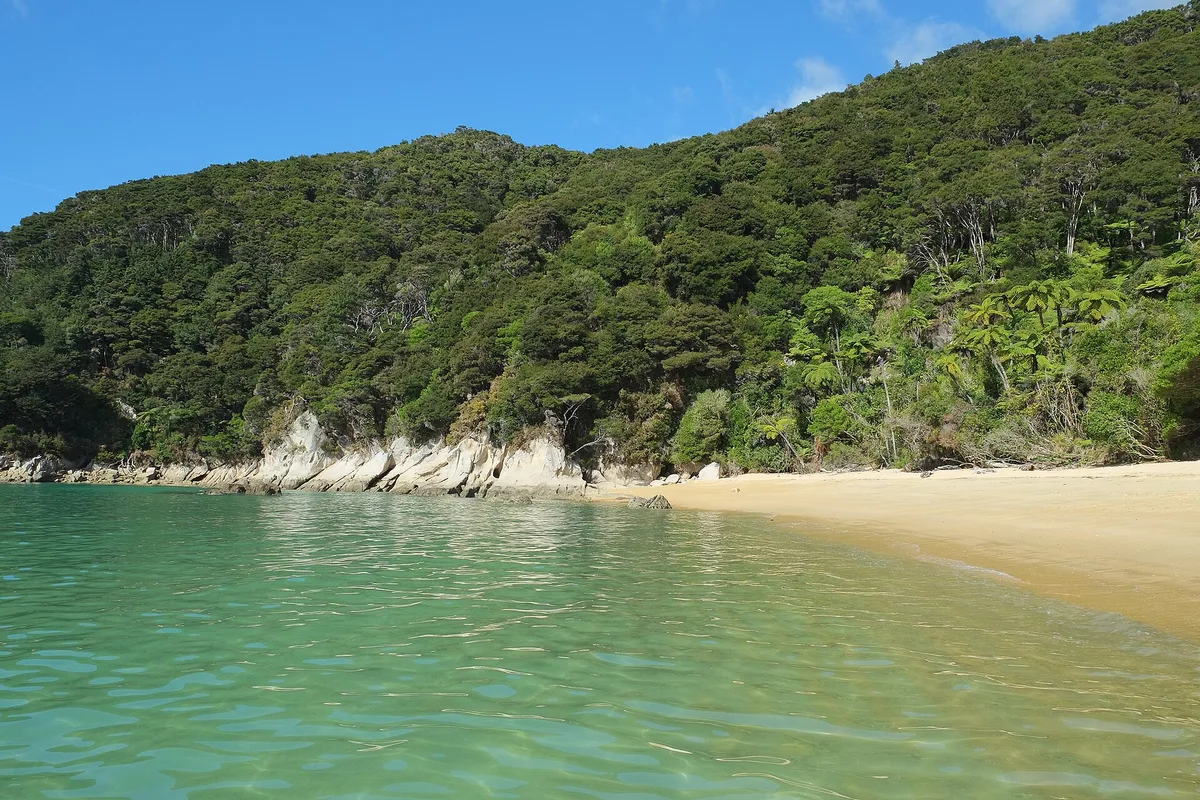
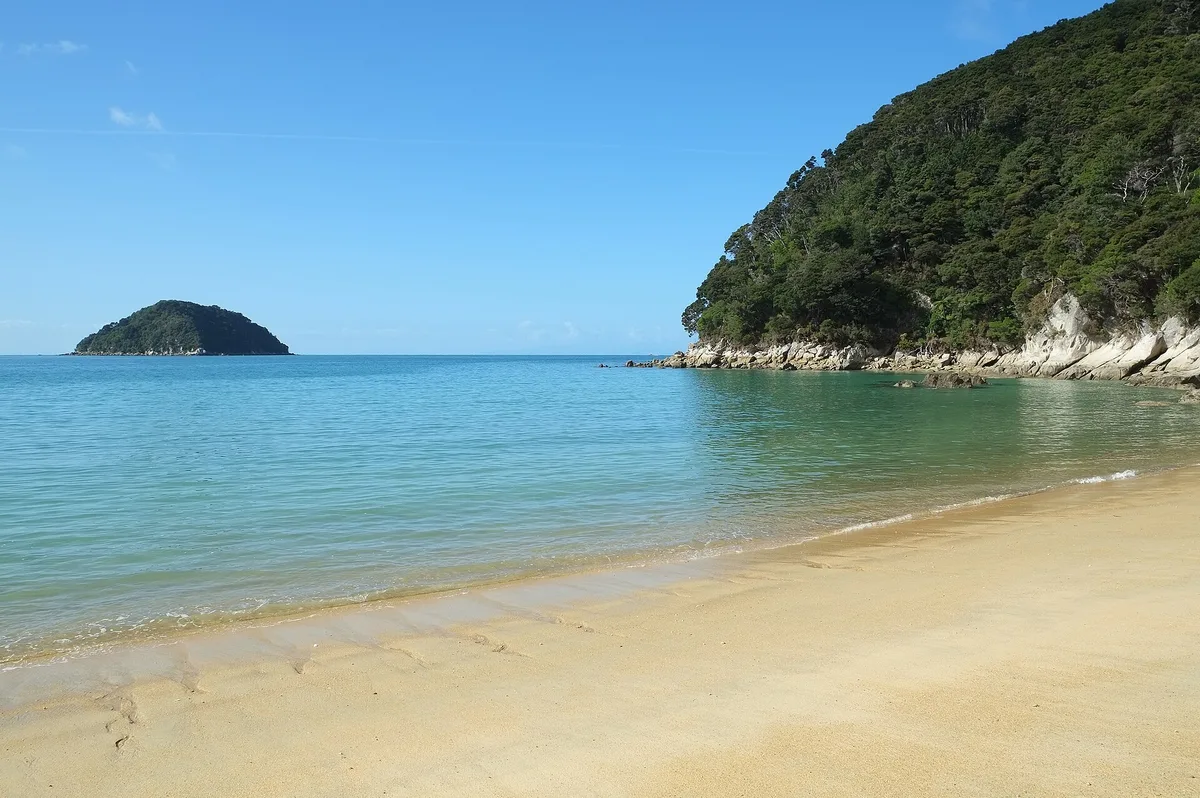
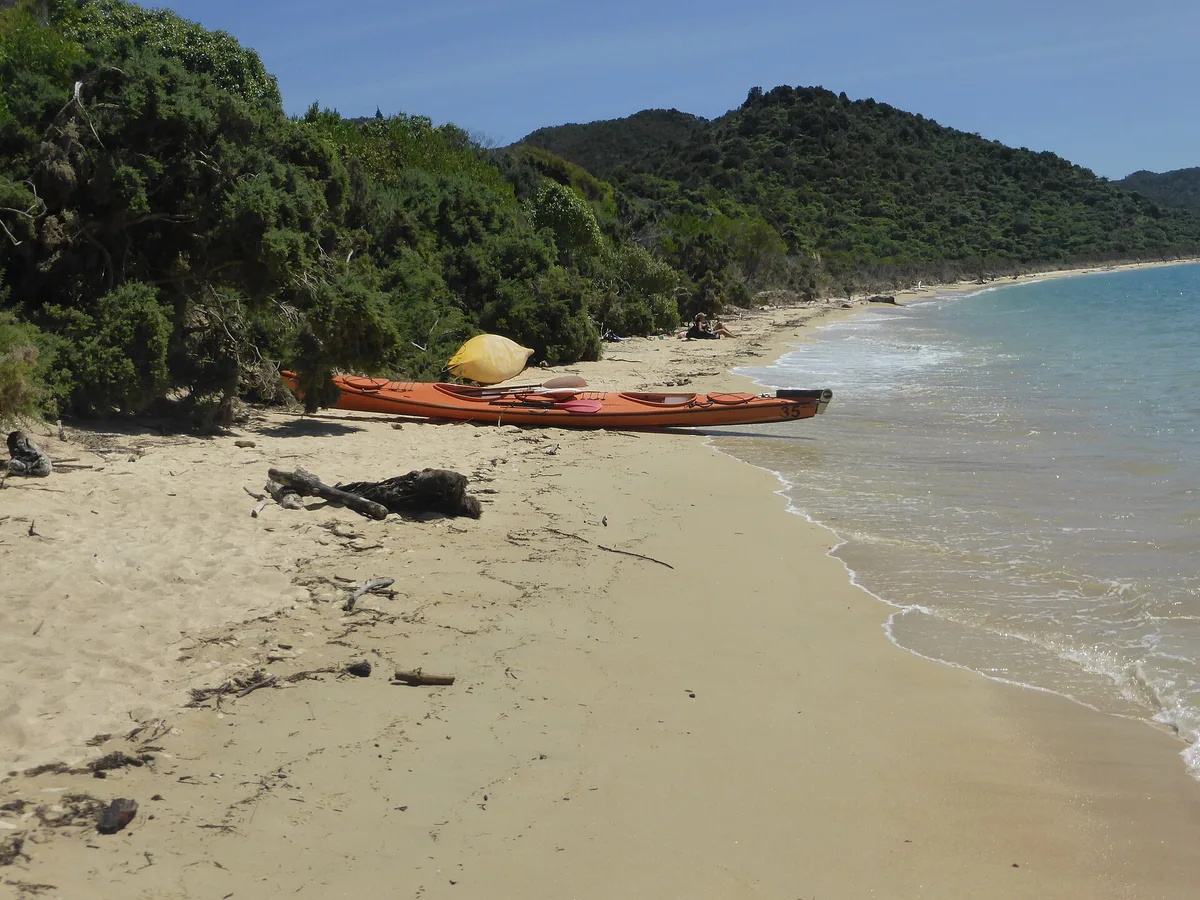
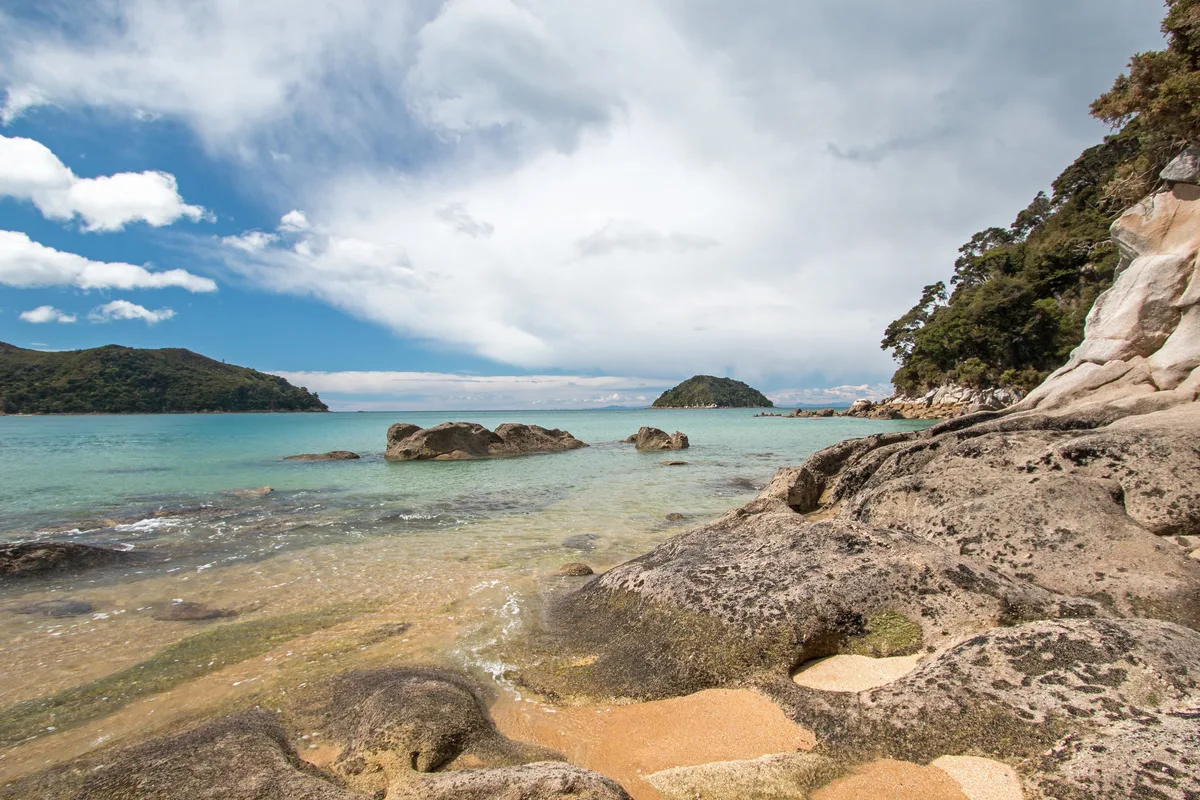
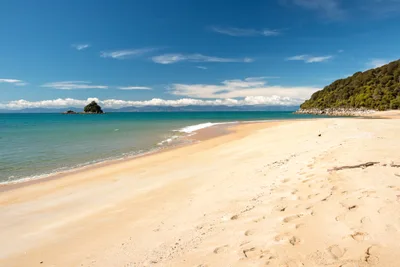
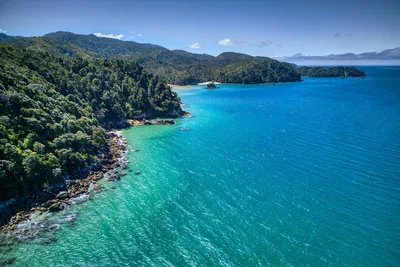
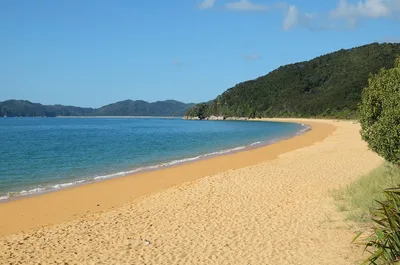
Onetahuti is a 1.5 km straight strip of golden sand tucked inside Abel Tasman National Park on New Zealand's South Island, reachable only on foot or by water. The beach faces turquoise water that shifts in shade through the day, backed by a wall of native forest that keeps the light soft and the air still. There are no facilities whatsoever — no toilets, no taps, no café hut — which is exactly why visitor numbers stay low and the place feels genuinely wild. Sandflies are part of the deal, and tidal crossings at Richardson Stream demand real attention. Come prepared, and Onetahuti rewards you with a solitude that most New Zealand beaches can't offer.
How to get there
There is no road to Onetahuti and no parking of any kind — the national park has zero vehicle access. Your options are three: hike in from Awaroa or Bark Bay along the Abel Tasman Coast Track (roughly 120 minutes on foot, daily), take a water taxi from Marahau or Kaiteriteri (approximately 75 minutes, daily), or paddle a kayak from Marahau (around 300 minutes, daily). No entry fee applies to the beach itself, but factor in water taxi or kayak hire costs when planning.
Who it's for
For couples
Onetahuti's low visitor numbers and foot-access-only status make it one of the few places in New Zealand where two people can genuinely have a long stretch of golden sand to themselves — bring a picnic, leave the phones in the bag, and let the native forest do the rest.
For families
Families with older, trail-confident children who can handle a 120-minute hike will find the beach rewarding, but the complete absence of facilities, no safe drinking water on site, and the sandfly intensity mean it's not suited to very young children or anyone who needs amenities close at hand.
Our take
Be honest with yourself before you go: Onetahuti is not a beach you drift into casually. The tidal crossing at Richardson Stream is a genuine hazard, sandflies are relentless, there is no drinking water, and the nearest help is a long walk away. Get those facts straight first. Once you have, what you find is one of the most unspoiled stretches of golden sand in the South Island — 1.5 km of it, backed by native forest, lapped by turquoise water, and shared with almost nobody. The effort of getting here, whether by boot or by paddle, is the price of admission, and it's a fair one. Skip it in June, July, and August — winter on an exposed beach with no shelter is a miserable proposition. December through March is when Onetahuti earns its reputation.
What to do
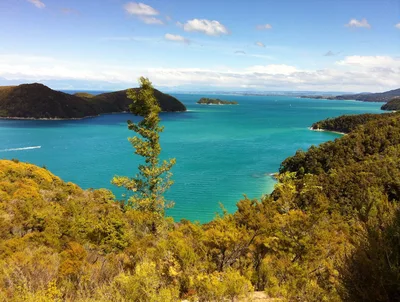
Three lookout points sit within 1.7 km of the beach, offering elevated views over the national park coastline — worth the short scramble for a different perspective on the golden sand below. A 4 km walk brings you to Awaroa Beach, a tidal inlet famous for its 2016 crowdfunded public purchase, one of New Zealand's more unusual conservation stories. Push further along the Coast Track and Bark Bay (5 km) offers a swing bridge and a DOC campsite, while Separation Point (12 km) is home to a resident New Zealand fur seal colony on a granite headland.
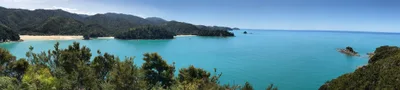
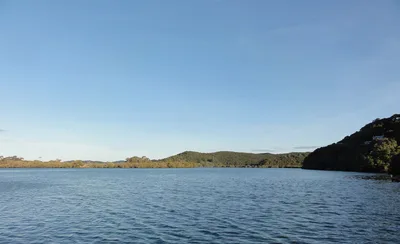
The full-length view from any of the three lookout points within 1.7 km frames the entire golden sand strip against turquoise water and native forest in a single shot.
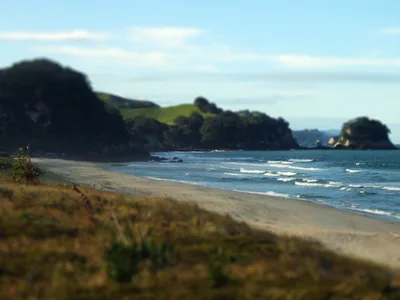
At beach level, the forest-meets-sand edge at low tide gives a strong foreground texture, especially in the soft directional light of early morning.
Where to eat
The nearest dining option is Awaroa Lodge Restaurant, about 2.5 km away — a welcome stop after a long day on the Coast Track. The beach itself has absolutely nothing in the way of food or water, so treat every meal as a packed lunch and plan accordingly.
Where to stay
Awaroa Lodge, roughly 2.5 km from the beach, is the closest place to stay in this stretch of the national park. Note that there is no DOC campsite at Onetahuti itself, so overnight plans must account for that gap.
Photography
The forest-to-sea line at the southern end of the beach shoots well in morning light, when the turquoise water is glassy and the golden sand picks up warm tones before midday haze sets in. The three lookout points within 1.7 km give elevated angles over the full 1.5 km strip — the widest and most dramatic composition available without a drone.
Good to know
No dogs are permitted anywhere in Abel Tasman National Park, and fires are strictly prohibited on the beach. There is no treated drinking water at Onetahuti — carry all the water you need or bring purification gear, as boiling is required if you source from streams. Pack out every piece of rubbish you bring in; there are no bins. Sandflies can be severe, so cover up and bring strong repellent; also be aware that tidal crossings at Richardson Stream can be dangerous — check tide times before you set off and do not attempt a crossing when the stream is running high.
GAMES
🕹️ Five minutes of sand?
Three daily games — including the UV simulator set to this beach.
Map
Nearby places
Awaroa Lodge Resteraunt
Awaroa Lodge Resteraunt
Awaroa Lodge
Things to see around Tasman District
Awaroa Beach
Tidal inlet beach famous for its 2016 crowdfunded public purchase
Bark Bay
Split-level beach with swing bridge and DOC campsite on the Coast Track
Separation Point
Granite headland with resident New Zealand fur seal colony
GIFT
🎁 Gift this beach
Its exact coastline, your date, your words — on a print or a PDF you print yourself.
Onetahuti Beach
THAT DAY
Onetahuti Beach, Nelson-Tasman
© OpenStreetMap contributors
Clean & decorative, or “That day” with the real sky of your date.
Shipping included 3-6 business days
A question before you order? Contact us
Delivered within minutes on the confirmation page and by email: a ZIP with all 4 print sizes (30×40 cm, 12×16″, 50×70 cm, 18×24″), each as a high-resolution PDF and PNG (300 dpi), plus a screen version. Print at home or at any print shop.
Please complete the delivery address.
Please accept the Terms of Sale.
Almost there — the shop opens very soon.
Secure payment · Printed locally in 30+ countries · 7 languages
Frequently asked
The information on this page is provided for guidance only and may evolve. Access conditions, safety and infrastructure can change without notice. Always check official sources before traveling.
Nearest beaches
Other wild beaches in New Zealand
Reviews of this beach
- No reviews yet, what a shame — leave yours and share your experience.
Photo credits
Sources and licenses for the photos shown above.
- Photo 1 — Pseudopanax at English Wikipedia · source · Public Domain
- Photo 2 — Pseudopanax at English Wikipedia · source · Public Domain
- Photo 3 — Arend Veenhuizen · source · CC BY 3.0
- Photo 4 — adeshfr · source · CC BY 2.0