Watering Cove BeachNew Zealand Beach Guide
Golden sand, crystal water, zero footprints — earn it by kayak
About
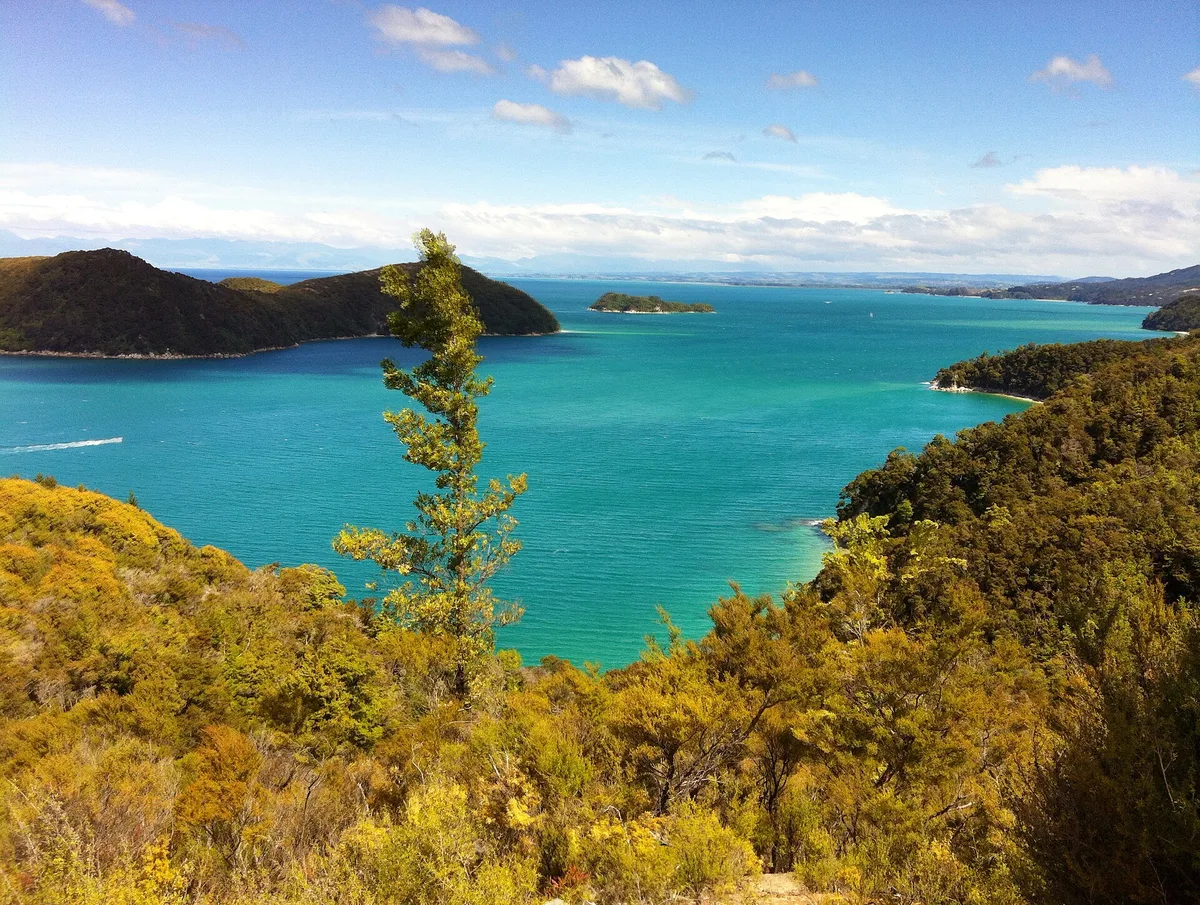
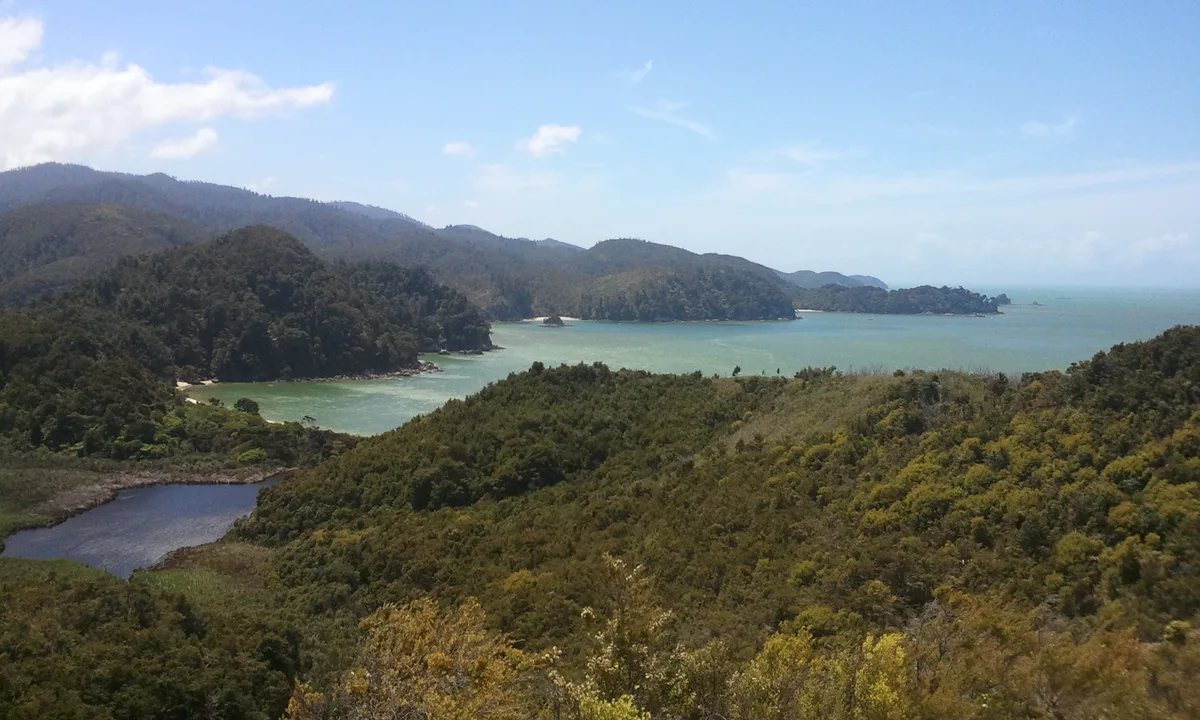
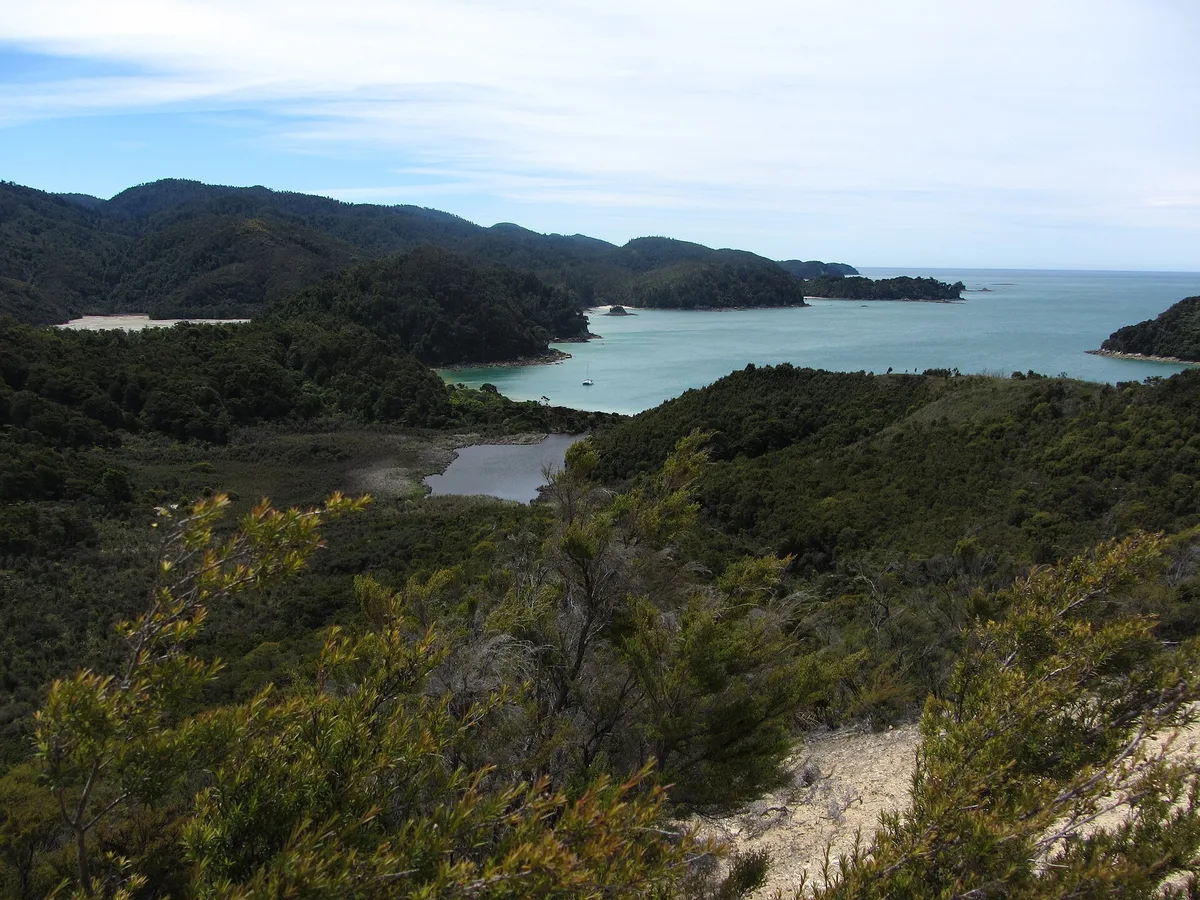
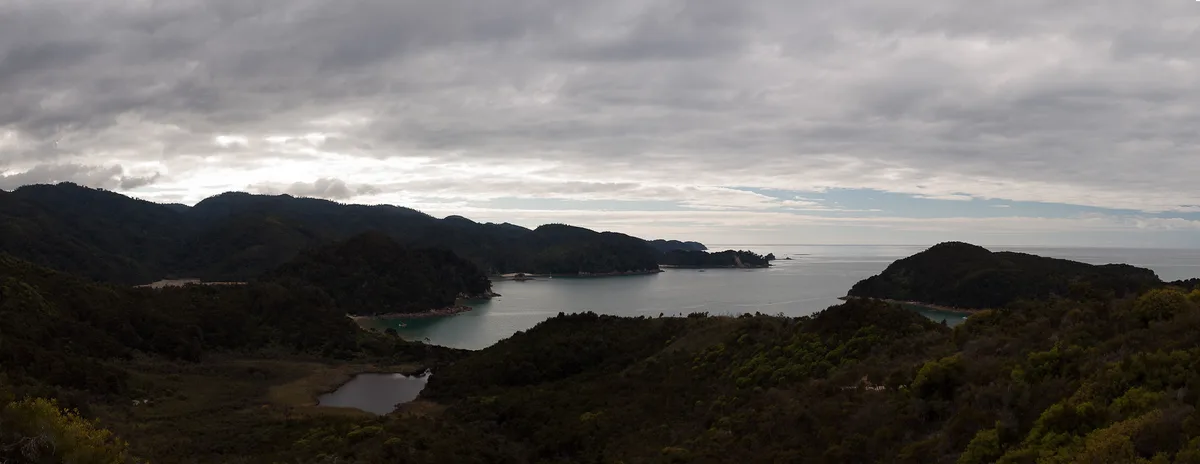
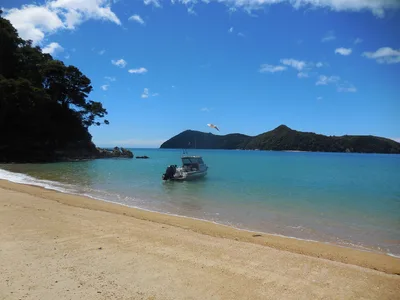
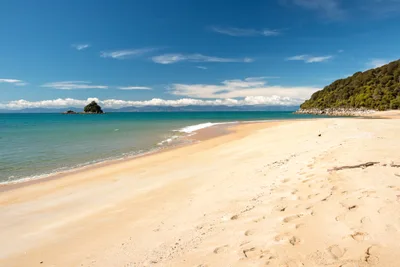
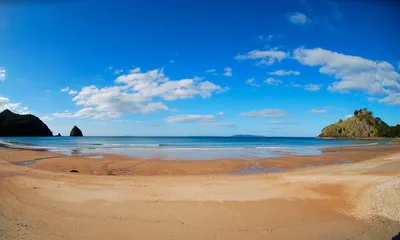
Watering Cove sits on Motuareronui / Adele Island within Abel Tasman National Park, a compact arc of golden sand lapped by crystal-clear water on New Zealand's South Island. It faces north, catching the sun from morning through afternoon, and a freshwater stream trickles across the beach — a small, practical miracle when you've been paddling for hours. At roughly 150 metres of shoreline, it's intimate rather than expansive, and on most days you'll have it entirely to yourself. No signage marks it, no facilities serve it, and the only sounds are water, wind, and the occasional guided tour group pausing for lunch.
How to get there
Watering Cove is boat- or kayak-access only — there is no road, no track from a car park, and no way to walk in from a sealed surface. The practical route is by kayak from Marahau, the main launch point, a paddle of around three hours on demand. Alternatively, the Abel Tasman Coast Track passes close by, with a roughly 15-minute scramble connecting the main trail to the cove. Wellington International Airport (WLG) is the primary gateway, approximately 152 km away.
Who it's for
For couples
The near-guaranteed solitude and the novelty of arriving by kayak make Watering Cove an unusually private escape — a golden-sand cove with crystal-clear water and a freshwater stream, shared with almost no one.
For families
The calm, north-facing aspect and clear water are appealing, but the difficult kayak-only access, absence of any facilities, active sandflies, and exposure to northerly swells make this a challenging destination for young children — older, experienced paddling families only.
Our take
Watering Cove earns its remoteness honestly — you paddle three hours from Marahau, or scramble off the Coast Track, and the reward is a golden-sand cove with crystal-clear water and a freshwater stream that you'll likely have entirely to yourself. Swim with moderate caution: the cove is exposed to northerly swells and there are no lifeguards, no facilities, and no one coming to help if conditions turn. Sandflies will find you, so repellent is non-negotiable. Skip June through August entirely — winter swells make the kayak approach dangerous and the cove uncomfortably exposed. Come December through March, pack everything in and out, and treat the place with the respect a national park demands. True digital-detox territory — bring offline books, cell signal fades fast and there's nowhere to plug anything in. For those willing to do the work to get here, it's one of the quietest, most unspoiled stretches of sand in Abel Tasman.
What to do
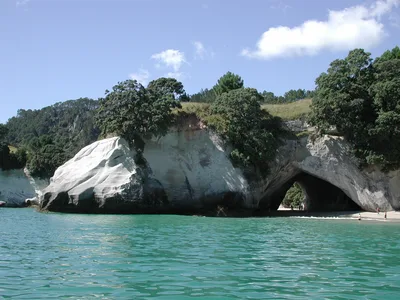
Yellow Point Lookout, about 1.3 km away, rewards the short detour with elevated views back over the cove and surrounding coastline. Separation Point, roughly 6 km distant, is home to a resident New Zealand fur seal colony — a highlight of any multi-day Abel Tasman itinerary. Tōtaranui Beach, 2 km away, offers a wide golden-sand arc and the park's main northern campground, while the smaller, sheltered Anapai Bay sits 3 km north with a six-bunk DOC campsite. A cave 1.1 km from the cove and the Pitt Head viewpoint at 1.8 km round out the immediate options for those staying overnight.
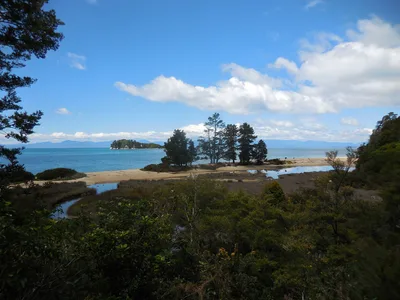
Frame the freshwater stream in the foreground with the golden sand and crystal-clear water stretching behind it — this is the cove's most distinctive and photogenic composition.
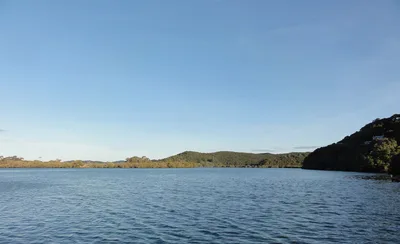
The view from the waterline looking back toward the dense native bush on the hillside captures the wild, untouched character of the place. Arrive before any guided tour groups land for a completely empty-beach shot.
Where to eat
There are no cafés, kiosks, or restaurants at Watering Cove — bring your own picnic and carry out everything you bring in. Guided tour groups sometimes use the cove as a lunch stop, but that catering is for their own clients only. Plan all provisions before you leave Marahau.
Where to stay
The Anchorage Hut, rated 4.8 out of 5 across 87 reviews, sits just 0.8 km from the cove and is the closest overnight option inside the park. Apple Tree Bay Campsite, rated 4.6 out of 5 from 42 reviews, is a further option at 2.8 km. Both require advance booking through DOC, especially in the December–March peak season.
Photography
The north-facing aspect means the cove holds good light from mid-morning through late afternoon — arrive early for soft golden-hour light on the sand with no other visitors in frame. The freshwater stream cutting across the beach makes a strong foreground element, and the view back from the water's edge toward the bush-clad hillside is the cove's signature shot.
Good to know
No dogs are permitted anywhere within Abel Tasman National Park — leave them at home. Open fires are prohibited; pack out every scrap of rubbish you bring in. There are zero facilities here, so carry all food, water, and first-aid supplies before you launch. Sandflies are active and persistent, so bring strong repellent; the cove is also exposed to northerly swells, so check the forecast carefully and avoid the June–August winter months when swells make kayak access genuinely dangerous.
GAMES
🕹️ Five minutes of sand?
Three daily games — including the UV simulator set to this beach.
Map
Nearby places
Anchorage Hut
Apple Tree Bay Campsite
Things to see around Tasman District
Tōtaranui Beach
Wide golden-sand arc and main northern campground of Abel Tasman National Park
Separation Point
Granite headland with resident New Zealand fur seal colony
Anapai Bay
Small sheltered bay with a six-tent DOC campsite north of Tōtaranui
GIFT
🎁 Gift this beach
Its exact coastline, your date, your words — on a print or a PDF you print yourself.
Watering Cove Beach
THAT DAY
Watering Cove Beach, Nelson-Tasman
© OpenStreetMap contributors
Clean & decorative, or “That day” with the real sky of your date.
Shipping included 3-6 business days
A question before you order? Contact us
Delivered within minutes on the confirmation page and by email: a ZIP with all 4 print sizes (30×40 cm, 12×16″, 50×70 cm, 18×24″), each as a high-resolution PDF and PNG (300 dpi), plus a screen version. Print at home or at any print shop.
Please complete the delivery address.
Please accept the Terms of Sale.
Almost there — the shop opens very soon.
Secure payment · Printed locally in 30+ countries · 7 languages
Frequently asked
The information on this page is provided for guidance only and may evolve. Access conditions, safety and infrastructure can change without notice. Always check official sources before traveling.
Nearest beaches
Other wild beaches in New Zealand
Reviews of this beach
- No reviews yet, what a shame — leave yours and share your experience.
Photo credits
Sources and licenses for the photos shown above.
- Photo 1 — David Broad · source · CC BY 3.0
- Photo 2 — новичёк · source · CC BY 3.0
- Photo 3 — Akos Kokai · source · CC BY 2.0
- Photo 4 — zwennie · source · CC BY-SA 2.0
- Photo 5 — Dawgy · source · CC BY-SA 2.0
- Photo 6 — Henry Winkelmann · source · Public Domain