Te Pukatea BeachNew Zealand Beach Guide
A sheltered golden cove worth every step to reach
About
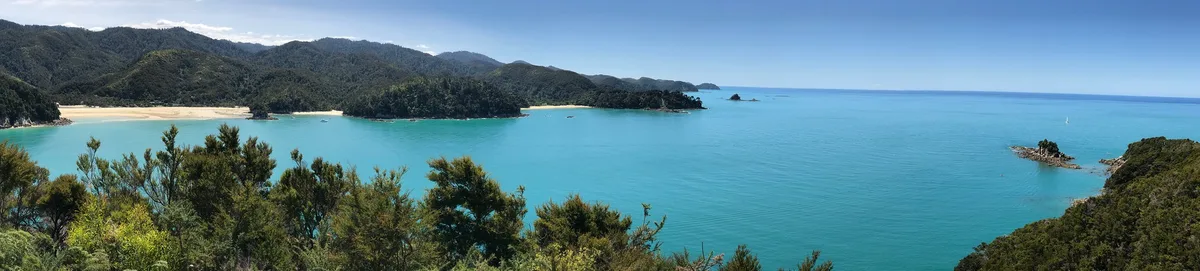
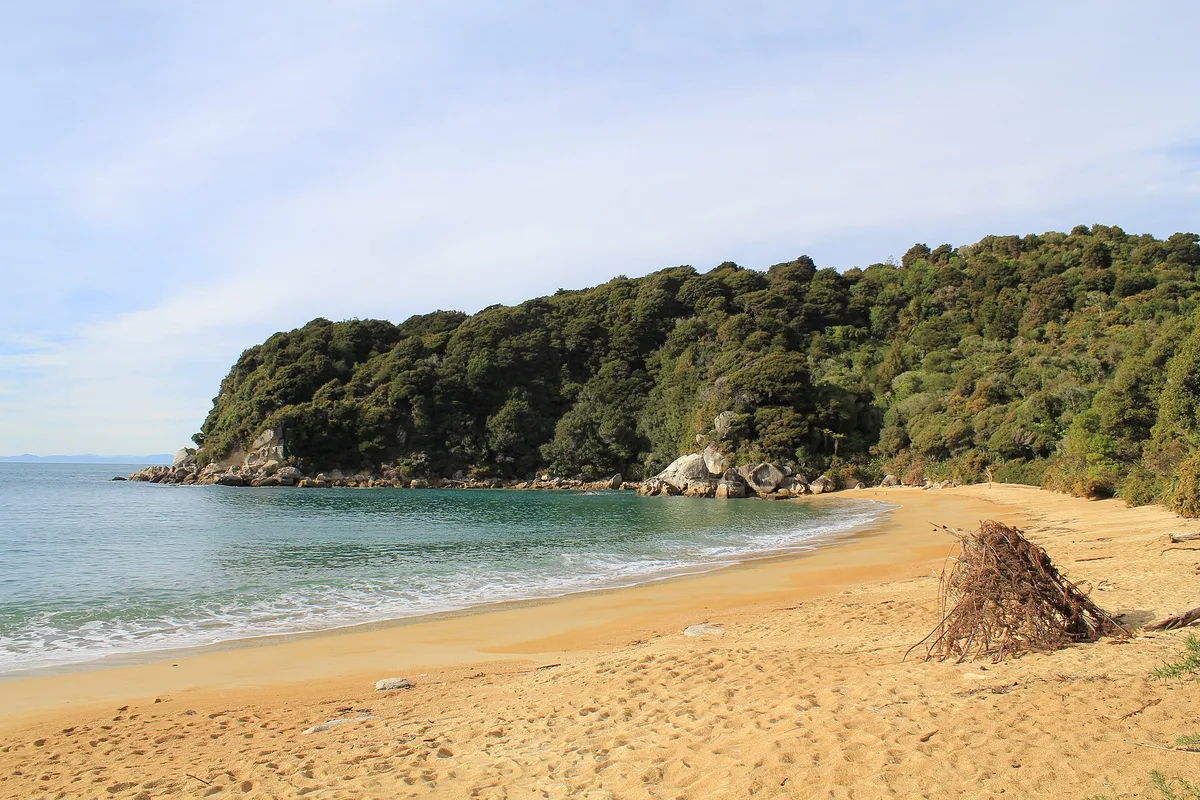
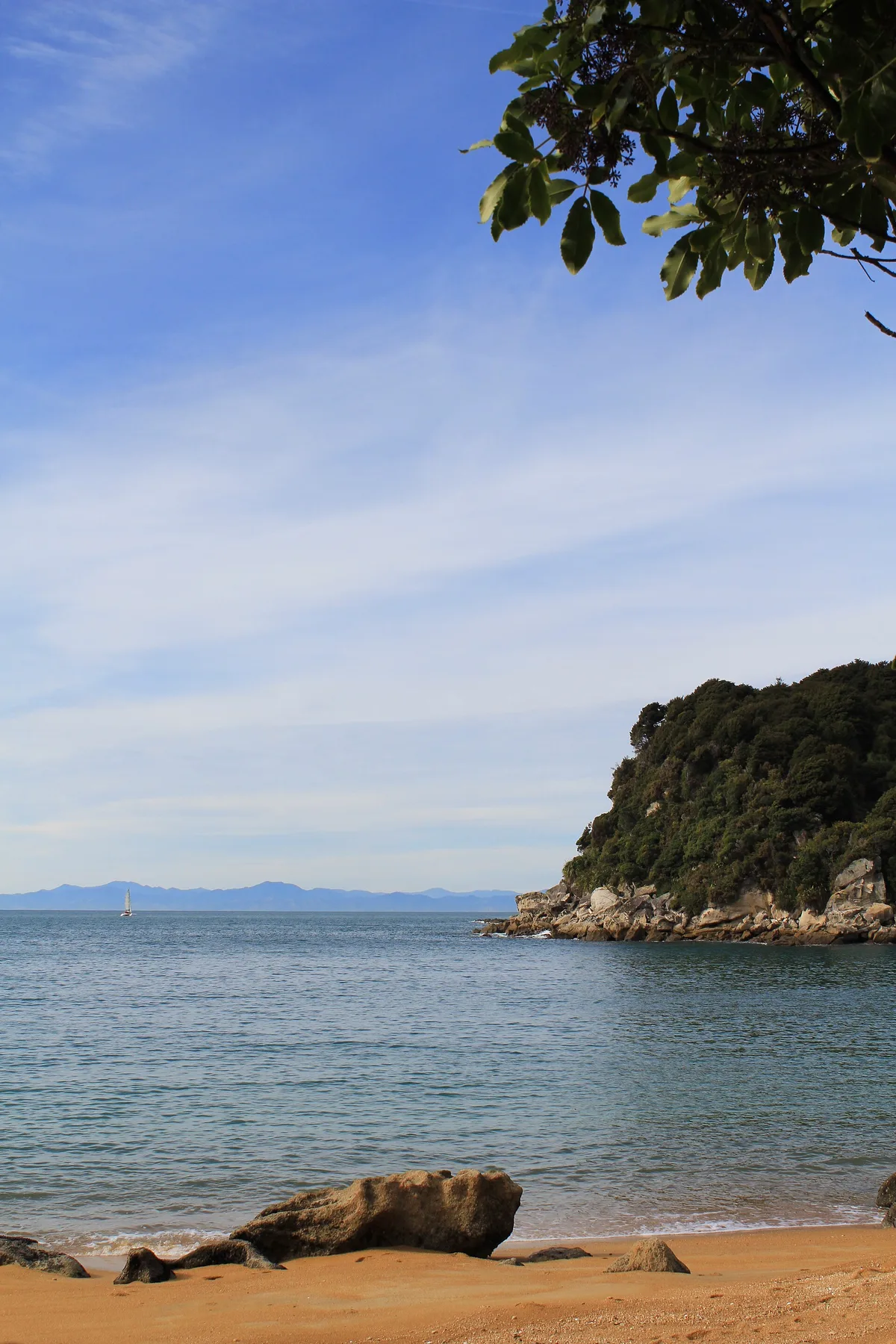
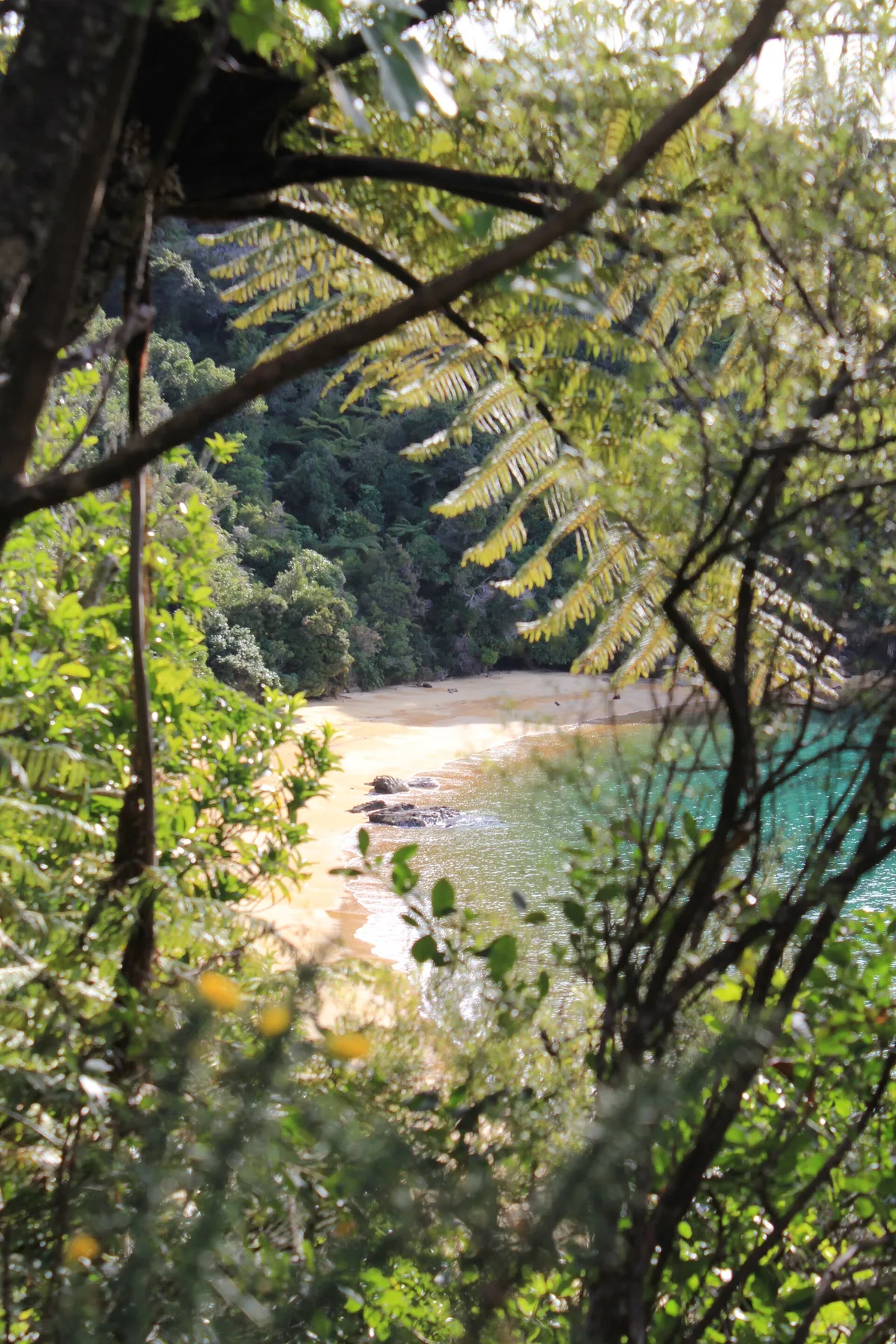
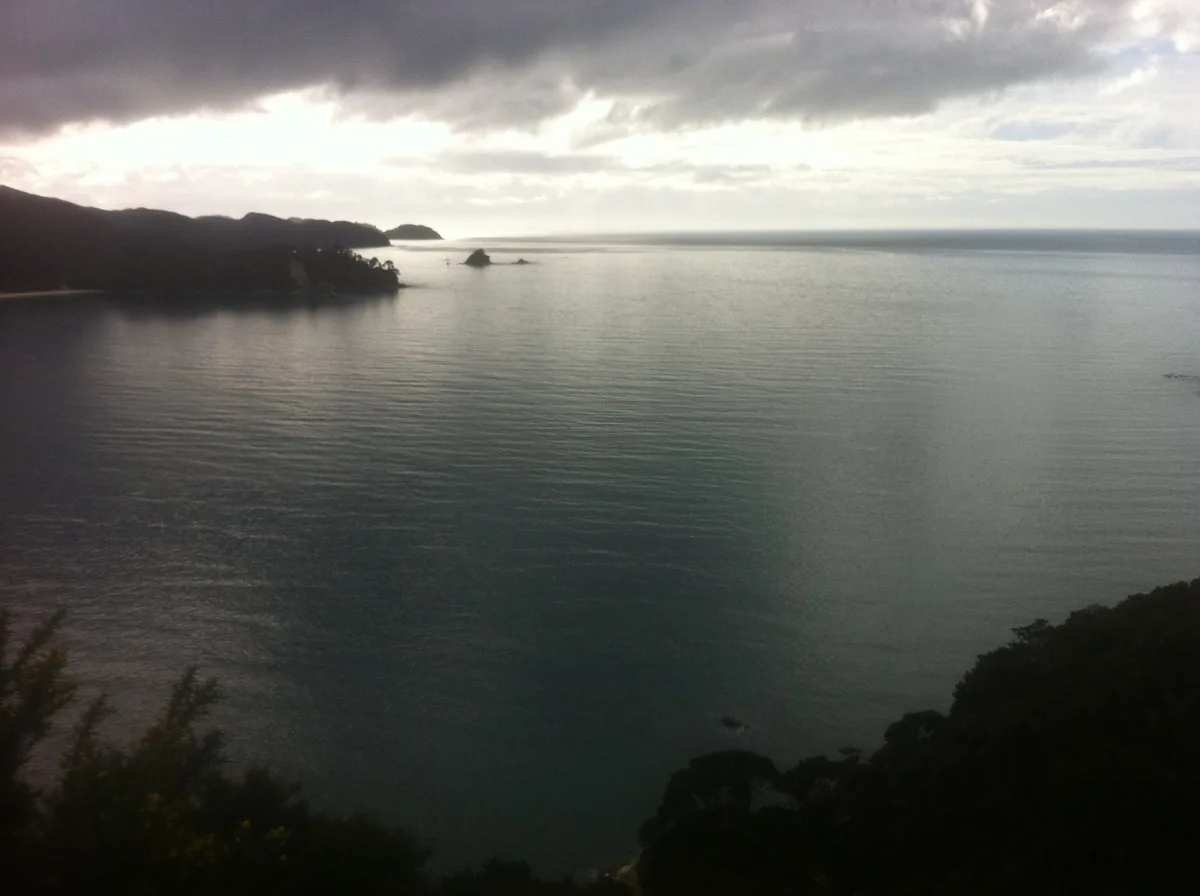
Tē Pukatea is a small, quiet cove tucked inside Abel Tasman National Park on New Zealand's South Island, sitting off Dolly Varden island in the Nelson-Tasman region. Golden sand meets crystal-clear, calm water, framed by granite rock edges that give the bay its distinctive character. Overhanging native trees lean over the shoreline, casting dappled shade across the beach and lending it a sense of seclusion that larger bays in the park rarely offer. It's a side-track discovery — reached via a short walk from Anchorage — and almost always quiet even when Anchorage itself is busy with visitors. The sheltered water and gentle atmosphere make it one of those rare spots that feels genuinely unhurried.
How to get there
Tē Pukatea has no road access whatsoever — reach it by water taxi or ferry from Kaiteriteri to Anchorage (a journey of around 65 minutes, seasonal service), then follow the side track from Anchorage Beach for approximately 20 minutes on foot. Alternatively, if you're already staying at Anchorage, the track is a short daily walk from camp. If you're coming from further afield, the nearest practical starting points are Kaiteriteri or Marahau — both offer water taxi services into the park. There is no parking at the beach itself, and no road leads anywhere near it.
Who it's for
For couples
The almost-always-quiet atmosphere and sheltered, calm water make Tē Pukatea a genuinely peaceful retreat for two — pack a picnic, claim a patch of golden sand in the shade of the overhanging trees, and you'll likely have the whole cove to yourselves.
For families
The safe swimming, calm sheltered water, and short 20-minute walk from Anchorage make this an achievable and rewarding outing for families with older children — just remember there are no facilities on-site, so bring food, water, and sun protection from the start.
Our take
Tē Pukatea earns its place on any Abel Tasman itinerary not through spectacle but through quiet quality. Swimming here is safe, the water is crystal-clear, and the golden sand backed by granite and overhanging trees delivers exactly what the park promises — without the foot traffic of Anchorage. The 20-minute walk from Anchorage is the right amount of effort to filter out anyone who isn't serious about finding it. Avoid June through August — reduced water taxi services and cold conditions make the journey more trouble than it's worth. Come between December and March, get here early, and you'll likely have the whole cove to yourself. Worth every step of the side track.
What to do
From Tē Pukatea, the short walk to Pitt Head (0.4km) rewards you with elevated views over the surrounding coastline and is a natural extension of your visit. Anchorage Beach, just 0.5km away, is the most-visited overnight stop on the Abel Tasman Coast Track and worth exploring before or after your time at the cove. Further along the track, Torrent Bay — a tidal estuary bay with a private bach settlement — sits about 3km away and gives a flavour of the quieter, lived-in side of the park. A cave at 2.5km adds an easy half-day objective if you want to stretch your legs.
Frame the overhanging native trees against the crystal-clear water from the waterline at the cove's edge — the natural canopy creates a layered, organic composition that stands apart from standard beach shots.
The granite rock edges at either end of the golden sand offer elevated vantage points for wide shots that capture the full curve of the cove, best in the clean morning light before any visitors arrive.
Where to eat
There are no cafés, kiosks, or restaurants at Tē Pukatea or within reach of the cove — this is a national park beach, and you'll need to bring everything you plan to eat and drink. Pack a proper lunch, plenty of water, and any snacks before you board the ferry at Kaiteriteri or Marahau, where services are available.
Where to stay
The Anchorage Hut, rated 4.8 out of 5 from 87 reviews, sits just 0.7km from the cove and is the most comfortable base for an overnight stay in this part of the park. The Anchorage Campsite, also 0.7km away and rated 4.6 out of 5 from 82 reviews, is a solid option if you prefer sleeping under canvas with the sound of the bush around you. Book both well in advance for the December–March peak season.
Photography
The granite rock edges at either side of the cove make strong foreground anchors — shoot across the golden sand toward the overhanging trees in the soft morning light for the cleanest, shadow-free frames. Midday light on the crystal-clear water picks up the colour and transparency of the shallows beautifully, especially when the cove is at its quietest.
Good to know
Sandflies become active at dusk, so cover up or move on before the light fades — they're persistent and the bites linger. Dogs are strictly prohibited throughout Abel Tasman National Park, so leave them at home. No fires are permitted anywhere in the park, and you must pack out all rubbish — there are no bins on the beach. True digital-detox spot — bring offline books, the cell signal fades and there's nowhere to plug in a laptop.
GAMES
🕹️ Five minutes of sand?
Three daily games — including the UV simulator set to this beach.
Map
Nearby places
Anchorage Hut
Anchorage Campsite
Things to see around Tasman District
Anchorage Beach
The most-visited overnight stop on the Abel Tasman Coast Track
Torrent Bay
Tidal estuary bay with private bach settlement on the Coast Track
Marahau
Southern gateway village for Abel Tasman with kayak hire and services
GIFT
🎁 Gift this beach
Its exact coastline, your date, your words — on a print or a PDF you print yourself.
Te Pukatea Beach
THAT DAY
Te Pukatea Beach, Nelson-Tasman
© OpenStreetMap contributors
Clean & decorative, or “That day” with the real sky of your date.
Shipping included 3-6 business days
A question before you order? Contact us
Delivered within minutes on the confirmation page and by email: a ZIP with all 4 print sizes (30×40 cm, 12×16″, 50×70 cm, 18×24″), each as a high-resolution PDF and PNG (300 dpi), plus a screen version. Print at home or at any print shop.
Please complete the delivery address.
Please accept the Terms of Sale.
Almost there — the shop opens very soon.
Secure payment · Printed locally in 30+ countries · 7 languages
Frequently asked
The information on this page is provided for guidance only and may evolve. Access conditions, safety and infrastructure can change without notice. Always check official sources before traveling.
Nearest beaches
Other relaxed beaches in New Zealand

Reviews of this beach
- No reviews yet, what a shame — leave yours and share your experience.
Photo credits
Sources and licenses for the photos shown above.
- Photo 1 — Neil Rickards · source · CC BY 2.0
- Photo 2 — Alex Corioze · source · CC BY-SA 3.0
- Photo 3 — Alex Corioze · source · CC BY-SA 3.0
- Photo 4 — Alex Corioze · source · CC BY-SA 3.0
- Photo 5 — Grayskullduggery · source · CC BY-SA 2.0