Mutton Cove BeachNew Zealand Beach Guide
Fur seals, golden sand, and zero phone signal
About
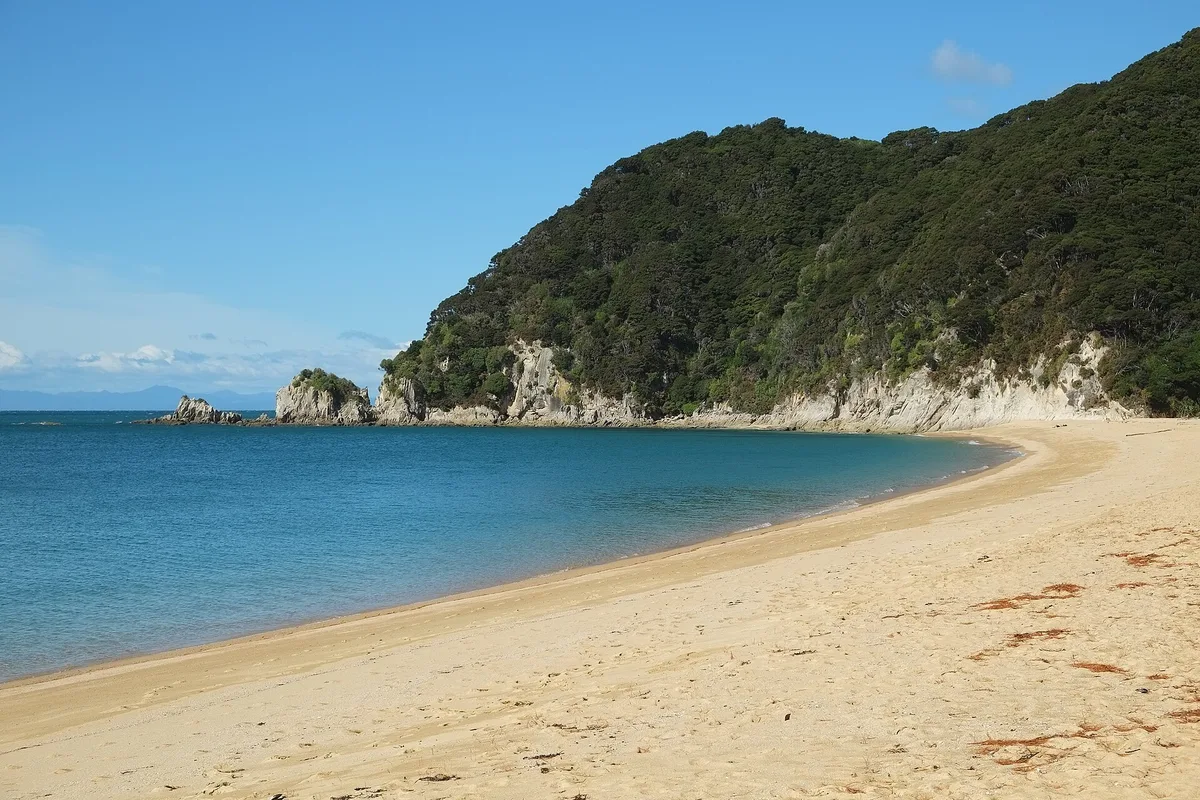
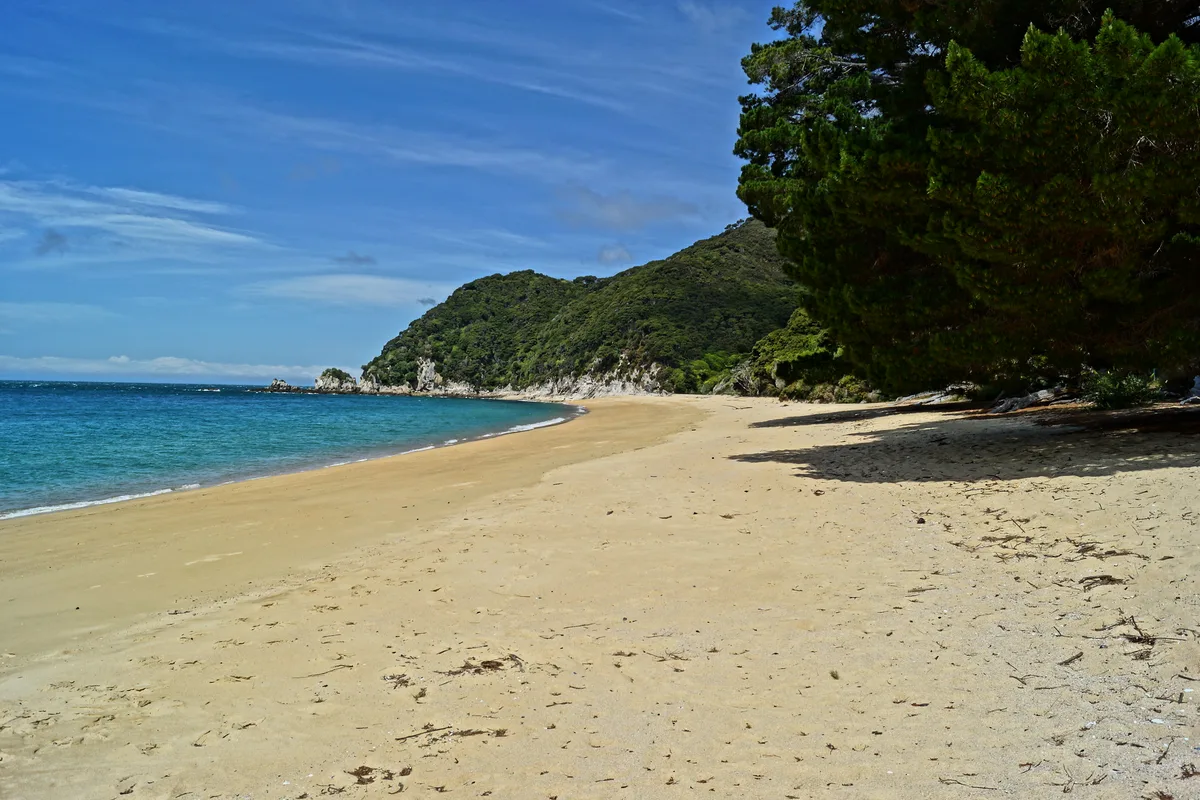
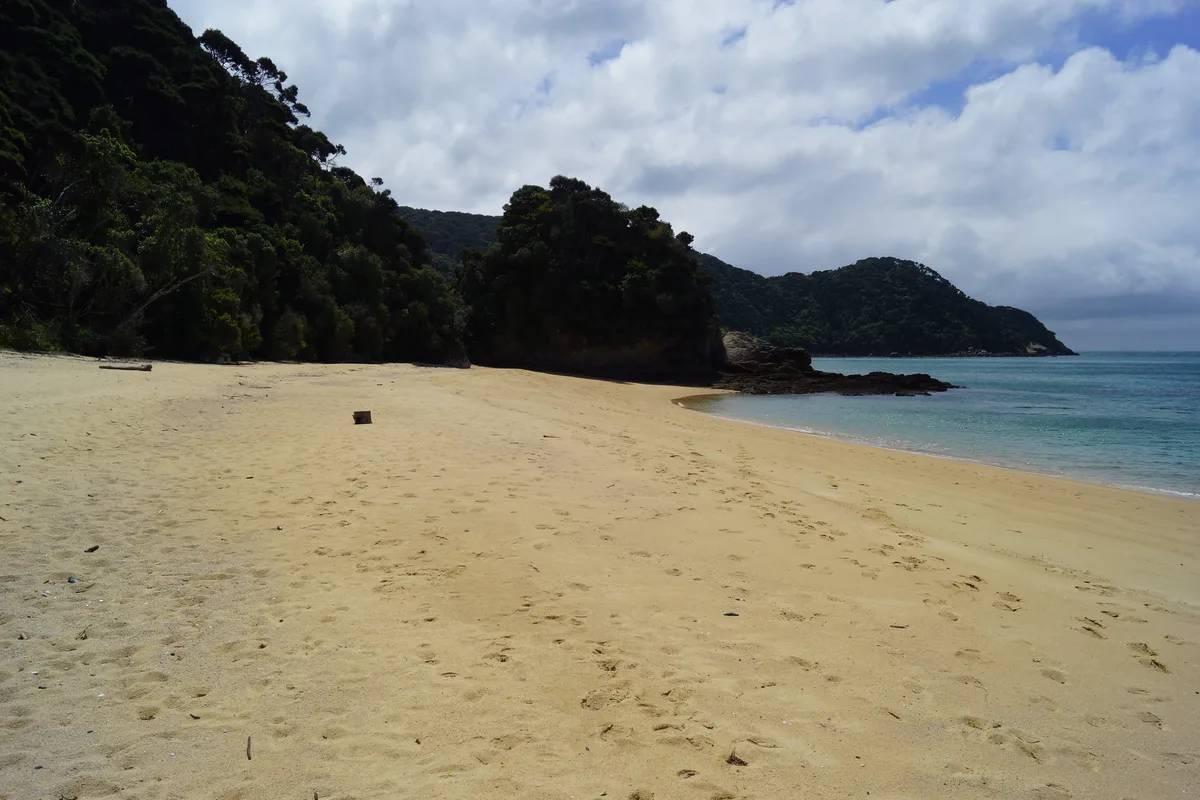
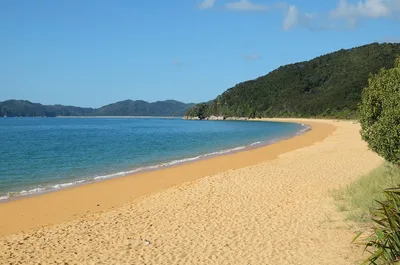
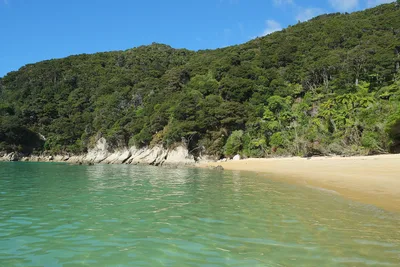
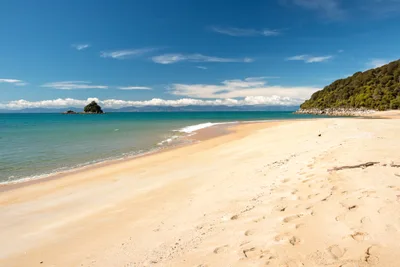
Mutton Cove sits at the wild northern edge of Abel Tasman National Park, a compact arc of golden sand backed by native bush and open to the Tasman Sea. The water runs crystal clear over the shoreline, and on most days you'll share the beach with more New Zealand fur seals than people. Separation Point, the granite headland that marks the park's northern tip, is barely a kilometre and a half away — close enough to feel its presence. Getting here takes real effort, which is exactly why the place feels so untouched. This is the kind of coast that reminds you what remote actually means.
How to get there
Mutton Cove is boat or foot only — there is no road and no vehicle access of any kind. On foot, follow the Abel Tasman Coast Track north from Tōtaranui; the walk takes around two hours. By kayak from Tōtaranui's launch point, you can reach the cove in roughly an hour on demand. Plan this as a multi-day trip: you cannot day-trip here from a car park, and the nearest village, Tōtaranui, is about 2.8 km away.
Who it's for
For couples
Mutton Cove rewards couples who want genuine solitude — two days on the Coast Track, a near-empty beach, and wildlife that doesn't care you're there is about as far from a package holiday as you can get in New Zealand.
For families
Older children and teenagers who are comfortable with multi-day hiking or kayaking will find the fur seal colony genuinely exciting, but the difficult access, no facilities, and mandatory DOC campsite booking make this a poor fit for families with young children or anyone who needs reliable amenities.
Our take
Mutton Cove is not a beach you stumble across. You earn it — two hours on foot through national park bush, or an hour by kayak across open water — and that barrier is the whole point. The exposed coast means northerly swells can arrive with force, and swimming is rated moderate at best; read conditions carefully before entering the water. The fur seal colony near Separation Point is the genuine highlight, but observe the 20-metre rule without exception, especially between November and January when pups are present. There are no facilities, no signal, and nowhere to charge anything. True digital-detox territory — bring offline maps, a good book, and enough food for the full stay. If you're willing to plan carefully and carry everything you need, this corner of the South Island will deliver a kind of quiet that's increasingly hard to find.
What to do
The main draw is wildlife: the New Zealand fur seal colony near Separation Point is one of the most accessible in the South Island, and dawn is the best time to observe the animals before the light hardens. The Coast Track connects Mutton Cove to Anapai Bay, a small sheltered bay about 3 km south with its own DOC campsite, making a satisfying half-day extension. Tōtaranui Beach, roughly 5 km away, offers the widest golden-sand arc in the northern park and serves as the main hub for multi-day walkers and kayakers passing through.
The fur seals hauled out on rocks near Separation Point with the granite headland behind them are the defining shot — get there at dawn for warm light and active animals.
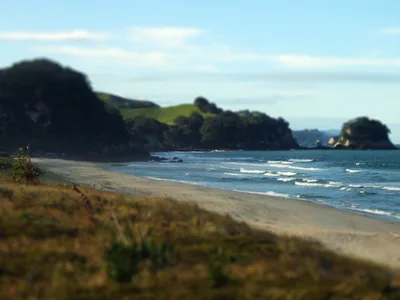
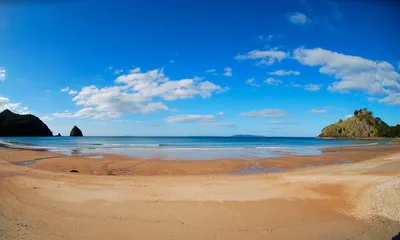
The view back along the golden sand from the northern end of the cove, with native bush framing the crystal-clear water, gives you the classic Abel Tasman composition without another person in frame.
Where to eat
There are no cafés, kiosks, or restaurants anywhere near Mutton Cove — this is a true self-sufficient wilderness experience. Bring all your own food and more water than you think you need; there are no resupply options once you leave Tōtaranui.
Where to stay
The Mutton Cove Campsite sits right at the beach and is the only place to stay — it holds a near-perfect rating from those who've made the journey. Anapai Bay Campsite, 1.5 km away, and Whariwharangi Hut, 1.7 km away, are both highly rated DOC options if you're walking the full Coast Track. All require advance DOC bookings; do not show up without one.
Photography
Shoot at dawn when the low light catches the golden sand and the fur seals are active along the shoreline near Separation Point — the granite headland makes a dramatic backdrop. The crystal-clear water at the cove's edge photographs best in the mid-morning before any northerly swell picks up and disturbs the surface.
Good to know
Dogs are strictly prohibited throughout Abel Tasman National Park — leave them at home. Keep at least 20 metres from all fur seals at all times; during pupping season (November to January) the animals are especially sensitive and you must be extra vigilant. No fires are permitted, there are zero facilities on site, so carry all food, water, and supplies in — and pack every scrap of rubbish out. The DOC campsite requires advance booking; don't arrive without a confirmed reservation or you may have nowhere to sleep.
GAMES
🕹️ Five minutes of sand?
Three daily games — including the UV simulator set to this beach.
Map
Nearby places
Things to see around Tasman District
Separation Point
Granite headland with resident New Zealand fur seal colony at the northern tip of Abel Tasman National Park
Tōtaranui Beach
Wide golden-sand arc and main northern campground of Abel Tasman National Park
Anapai Bay
Small sheltered bay with a six-tent DOC campsite
GIFT
🎁 Gift this beach
Its exact coastline, your date, your words — on a print or a PDF you print yourself.
Mutton Cove Beach
THAT DAY
Mutton Cove Beach, Nelson-Tasman
© OpenStreetMap contributors
Clean & decorative, or “That day” with the real sky of your date.
Shipping included 3-6 business days
A question before you order? Contact us
Delivered within minutes on the confirmation page and by email: a ZIP with all 4 print sizes (30×40 cm, 12×16″, 50×70 cm, 18×24″), each as a high-resolution PDF and PNG (300 dpi), plus a screen version. Print at home or at any print shop.
Please complete the delivery address.
Please accept the Terms of Sale.
Almost there — the shop opens very soon.
Secure payment · Printed locally in 30+ countries · 7 languages
Frequently asked
The information on this page is provided for guidance only and may evolve. Access conditions, safety and infrastructure can change without notice. Always check official sources before traveling.
Nearest beaches
Other wild beaches in New Zealand
Reviews of this beach
- No reviews yet, what a shame — leave yours and share your experience.
Photo credits
Sources and licenses for the photos shown above.
- Photo 1 — Pseudopanax at English Wikipedia · source · Public Domain
- Photo 2 — Yssso · source · CC BY-SA 2.0
- Photo 3 — Yssso · source · CC BY-SA 2.0