Kapoho Tide PoolsUnited States Beach Guide
Lava-forged tide pools, crystal-clear water, zero sand
About
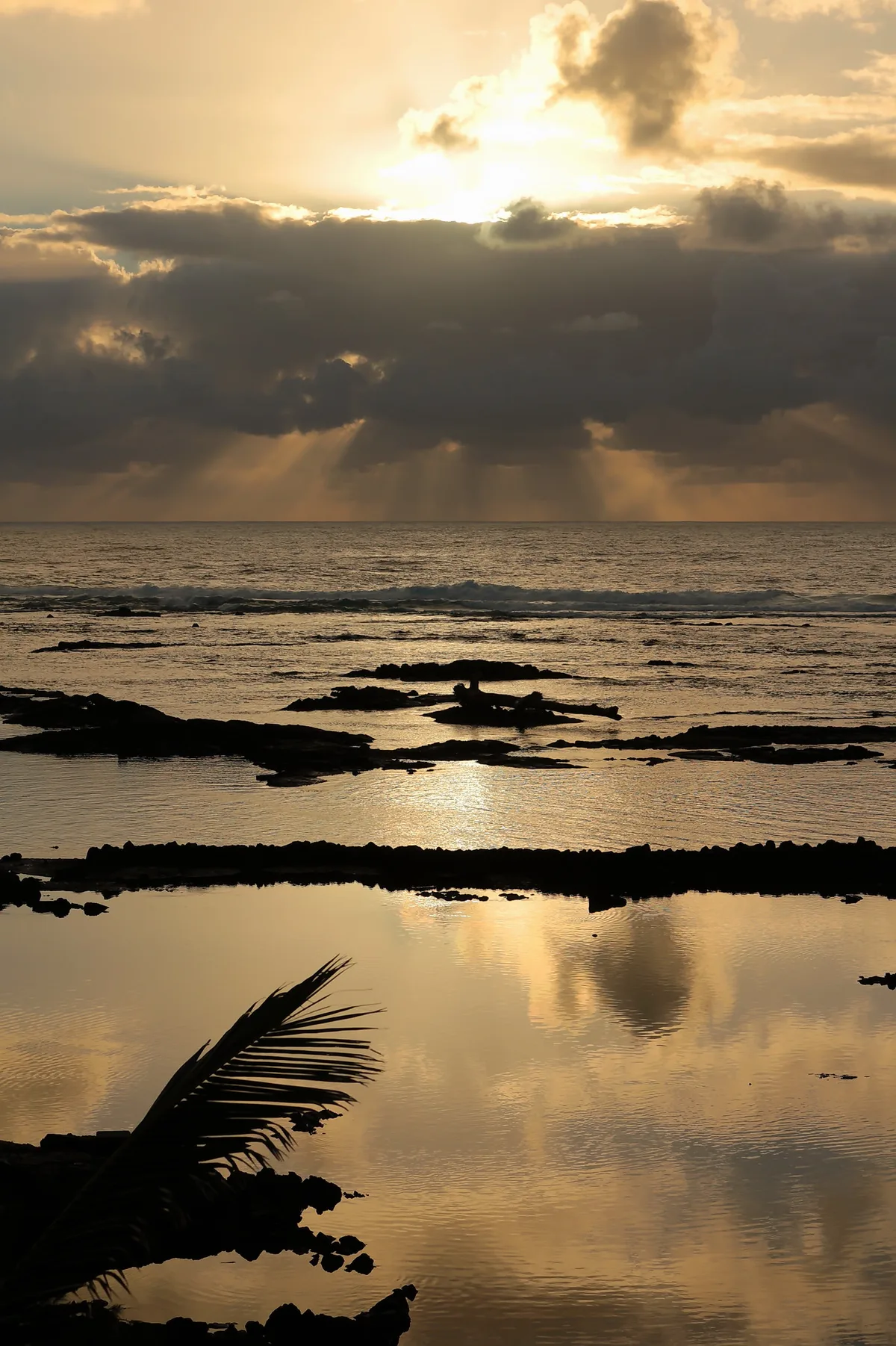
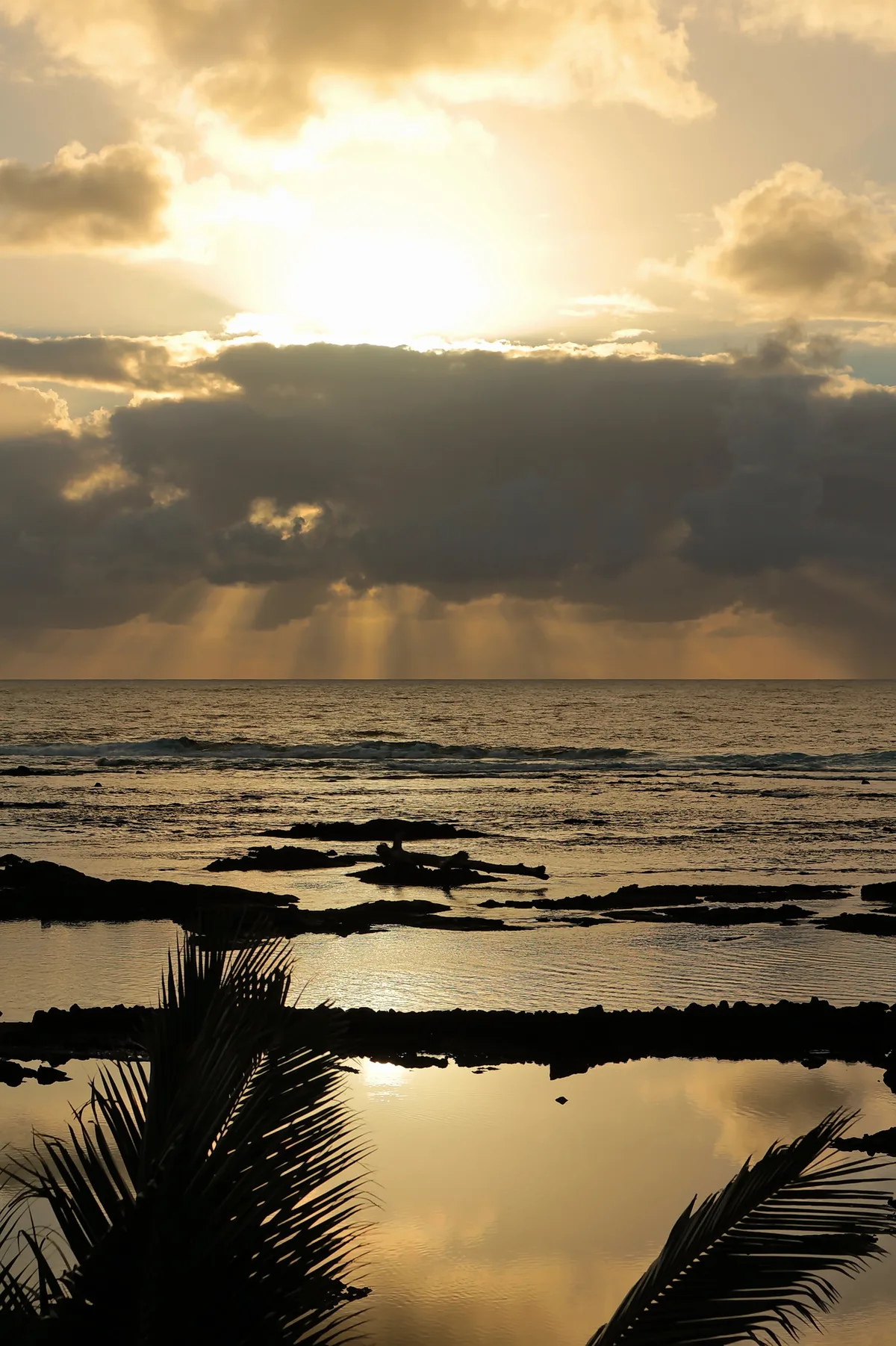
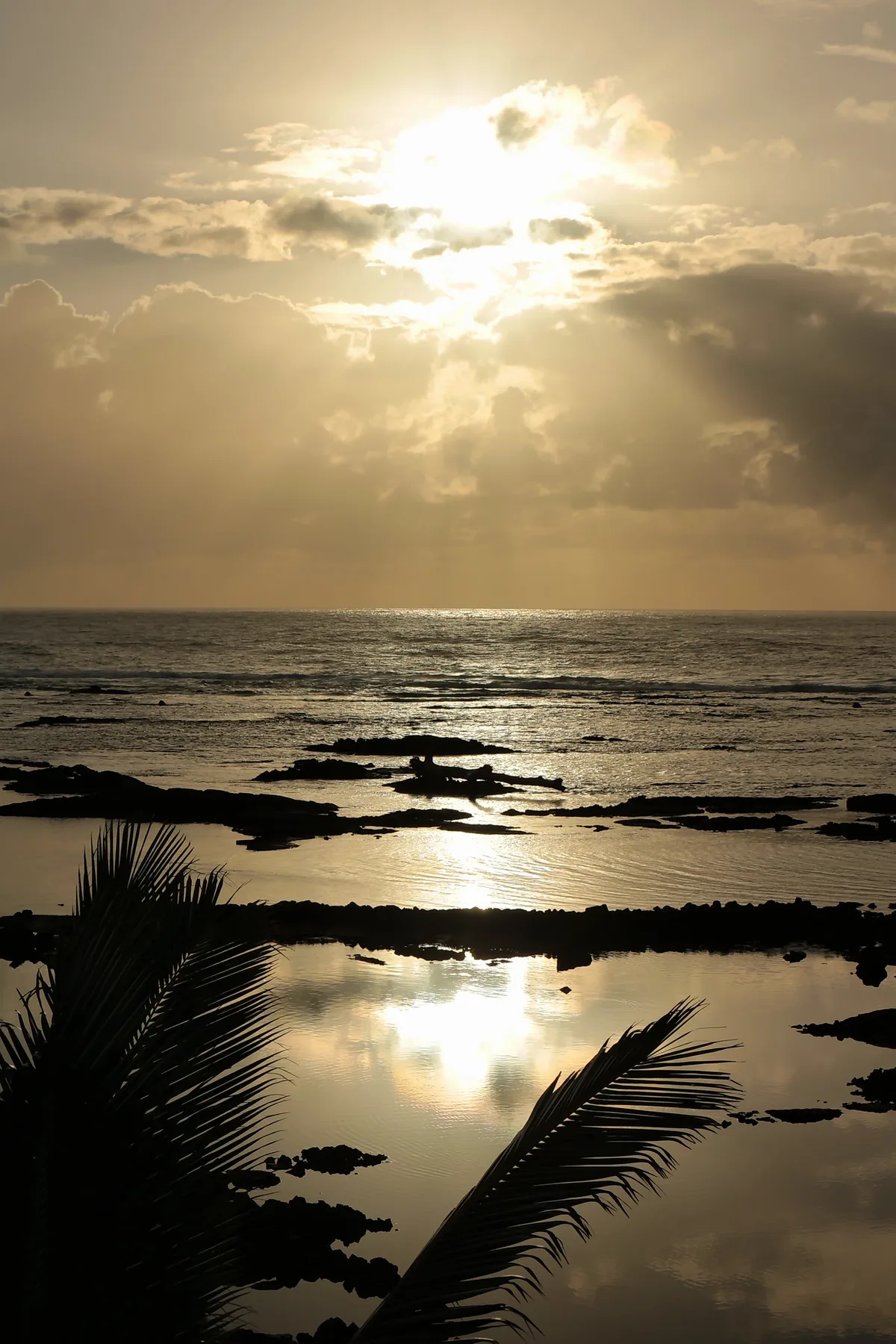
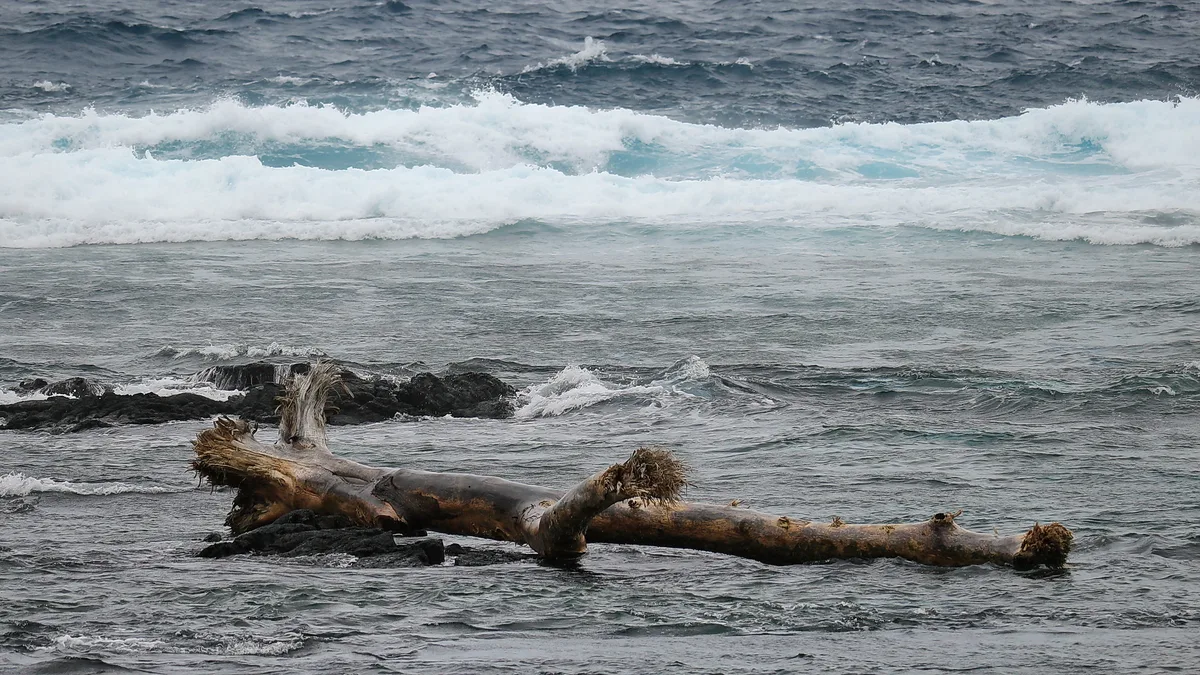
Kapoho Tide Pools sit on a raw lava shelf on the eastern tip of Hawaiʻi Island, where the 2018 Kilauea eruption reshaped the coastline entirely. What remains is a network of interconnected tide pools carved into black lava rock, filled with crystal-clear, warm, protected water. There's no sand here — just the honeycombed lava shelf stretching roughly 400 metres along the Puna coast, sheltering dense populations of reef fish in surprisingly calm conditions. The post-eruption landscape gives the place an otherworldly quality: stark, quiet, and alive beneath the surface.
How to get there
Drive from Pahoa via Highway 132 and Kapoho Road to the coast — about 30 minutes by car. Informal roadside parking is free, but access points shifted significantly after the 2018 lava flow, so verify current entry points locally before you leave the house. There is no entry fee. Respect private property boundaries near the lava flow — the line between public access and private land is not always obvious.
Who it's for
For couples
The quiet atmosphere and otherworldly lava landscape make this a genuinely unusual date — snorkelling side by side through warm, clear pools with reef fish darting past, far from the typical resort beach scene.
For families
Calm, protected water makes the pools manageable for older children who are confident swimmers, but the sharp lava shelf rules out toddlers and anyone without reef shoes — plan accordingly and supervise closely near the rock edges.
Our take
Kapoho Tide Pools is not a beach in any conventional sense — no sand, no loungers, no gentle shore break. Before anything else: access points changed after the 2018 eruption and some zones remain under hazard assessment, so confirm current entry locally before you go. That said, for snorkellers willing to pull on reef shoes and navigate sharp lava, the reward is a calm, warm, crystal-clear pool system packed with reef fish that feels almost private. The post-eruption landscape is stark and striking — this is what volcanic coastline looks like when the ocean moves in and claims new ground. It's quiet, it's raw, and it's unlike anywhere else on the island. Worth the detour if you come prepared.
What to do
The tide pools themselves are the main event — snorkelling among dense reef fish populations in calm, protected water is as good as it gets on this coast. A short drive away, Lava Tree State Monument (8.5km) preserves hollow lava casts of tree trunks swallowed by the 1790 flow — a strange, beautiful detour that puts the 2018 eruption in geological context. Further down the Puna coast, Kehena Black Sand Beach (20km) draws visitors for spinner dolphin sightings and its lava-shelf setting. If you have more time, Hawaii Volcanoes National Park (61.6km) is a UNESCO World Heritage site and the broader story behind everything you're seeing here.
The lava shelf edge where crystal-clear pool water meets the raw black rock is the defining shot — shoot wide at golden hour to catch the texture and colour contrast.
Looking back from the waterline toward the 2018 lava flow landscape gives a stark, dramatic backdrop that reads nothing like a conventional Hawaii beach photo.
Where to eat
The nearest dining options are clustered around 13km away — Kaleo's Bar & Grill and Ning's Thai Cuisine are both at roughly 12.9km, with Pele's Kitchen just a kilometre further. Bring lunch and water to the pools themselves; there is nothing on site and the drive back to town takes time.
Where to stay
Lava Tree Tropic Inn (8.4km) is the closest lodging option, conveniently positioned near Lava Tree State Monument and within easy reach of the pools. Beyond that, Pahoa town is your best base for a wider choice of accommodation.
Photography
Shoot early morning when the light is low and the water in the pools reflects the sky without glare — the contrast between the black lava shelf and crystal-clear water is sharpest then. The post-eruption landscape looking inland, with the raw lava field meeting the pool network at the shoreline, makes for a compelling wide-angle frame that no beach postcard can replicate.
Good to know
Reef shoes are not optional — the lava shelf is sharp and slippery, and bare feet will regret it within minutes. Some areas near the pools may still be under restriction due to ongoing lava hazard assessment, so check locally before exploring beyond the main access zone. Do not remove coral, shells, or any marine life — it's illegal and damages the ecosystem that makes this place worth visiting. Pack out everything you bring in; there are no bins on site.
GAMES
🕹️ Five minutes of sand?
Three daily games — including the UV simulator set to this beach.
Map
Nearby places
Kaleo's Bar & Grill
Ning's Thai Cuisine
Pele's Kitchen
Sushi Rolls & Bowls
Under the Bodhi Tree
Lava Tree Tropic Inn
Lava arch
Lava Arch
Lava Tree State Monument
Kehena Black Sand Beach
Hawaii Volcanoes National Park
Things to see around Puna
Lava Tree State Monument
Lava tree molds formed when 1790 lava flow engulfed a forest, leaving hollow lava casts of tree trunks.
Kehena Black Sand Beach
Black lava-shelf beach on the Puna coast known for spinner dolphins and clothing-optional custom.
Hawaii Volcanoes National Park
UNESCO World Heritage site with active volcanic landscapes.
GIFT
🎁 Gift this beach
Its exact coastline, your date, your words — on a print or a PDF you print yourself.
Kapoho Tide Pools
THAT DAY
Kapoho Tide Pools, Hawaii
© OpenStreetMap contributors
Clean & decorative, or “That day” with the real sky of your date.
Shipping included 3-6 business days
A question before you order? Contact us
Delivered within minutes on the confirmation page and by email: a ZIP with all 4 print sizes (30×40 cm, 12×16″, 50×70 cm, 18×24″), each as a high-resolution PDF and PNG (300 dpi), plus a screen version. Print at home or at any print shop.
Please complete the delivery address.
Please accept the Terms of Sale.
Almost there — the shop opens very soon.
Secure payment · Printed locally in 30+ countries · 7 languages
Frequently asked
The information on this page is provided for guidance only and may evolve. Access conditions, safety and infrastructure can change without notice. Always check official sources before traveling.
Other beaches in the region
Other relaxed beaches in Hawaii
More beaches in Hawaii
Reviews of this beach
- No reviews yet, what a shame — leave yours and share your experience.