Cala Taballera BeachSpain Beach Guide
Wild golden sands earned only by those who hike
About
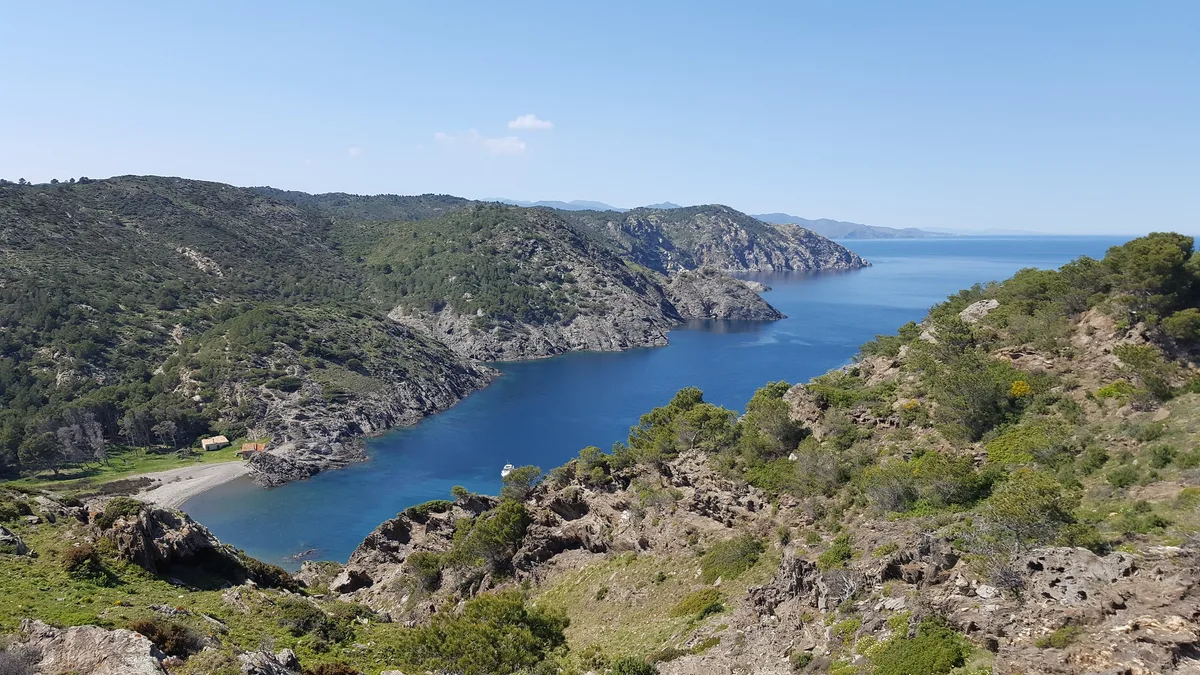
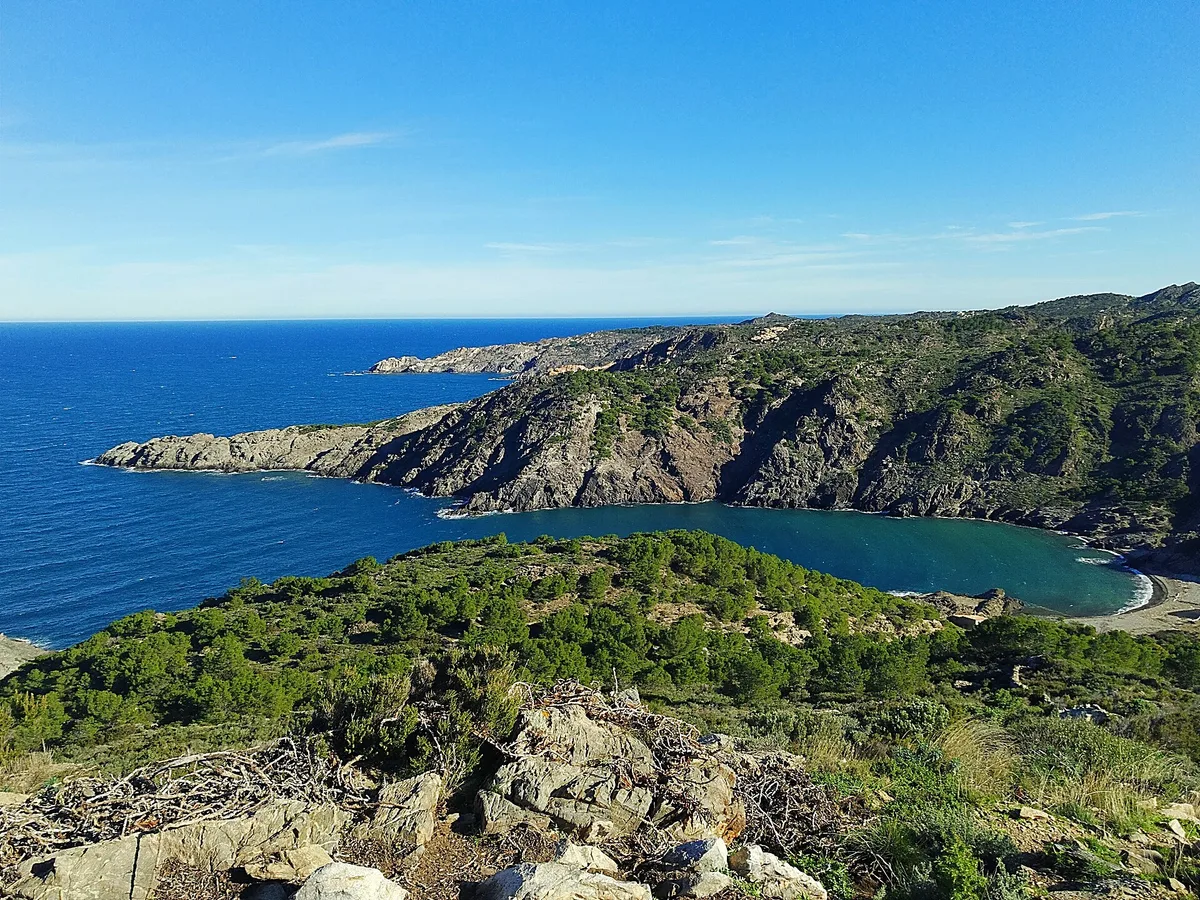
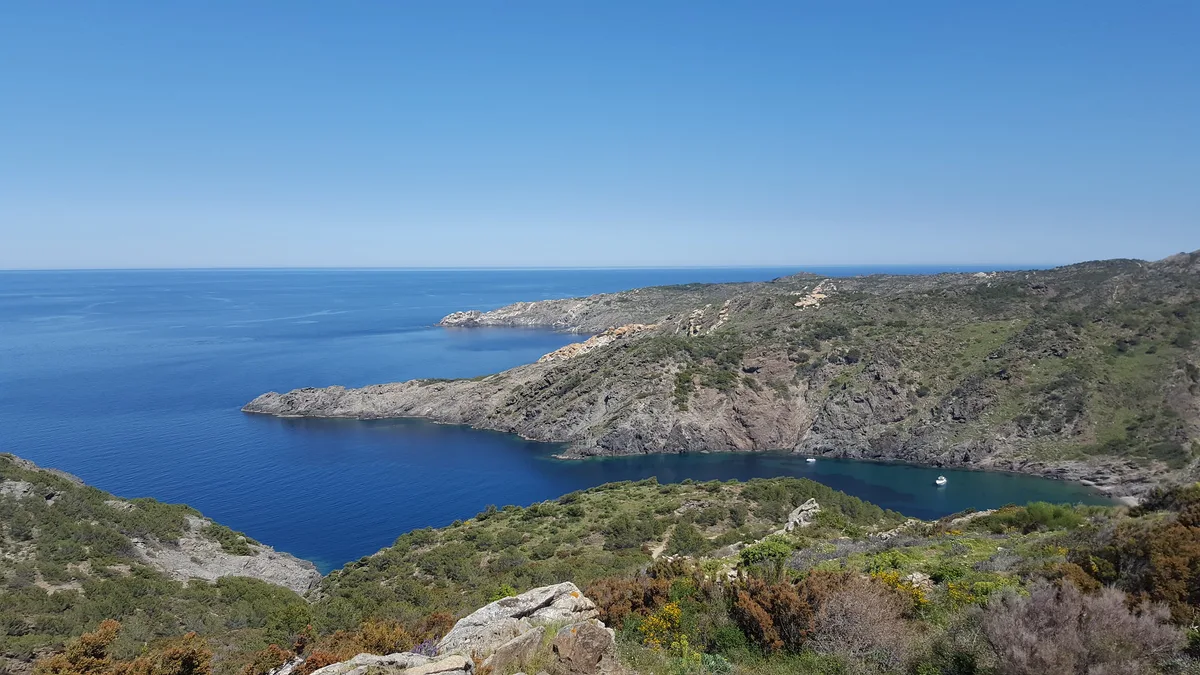
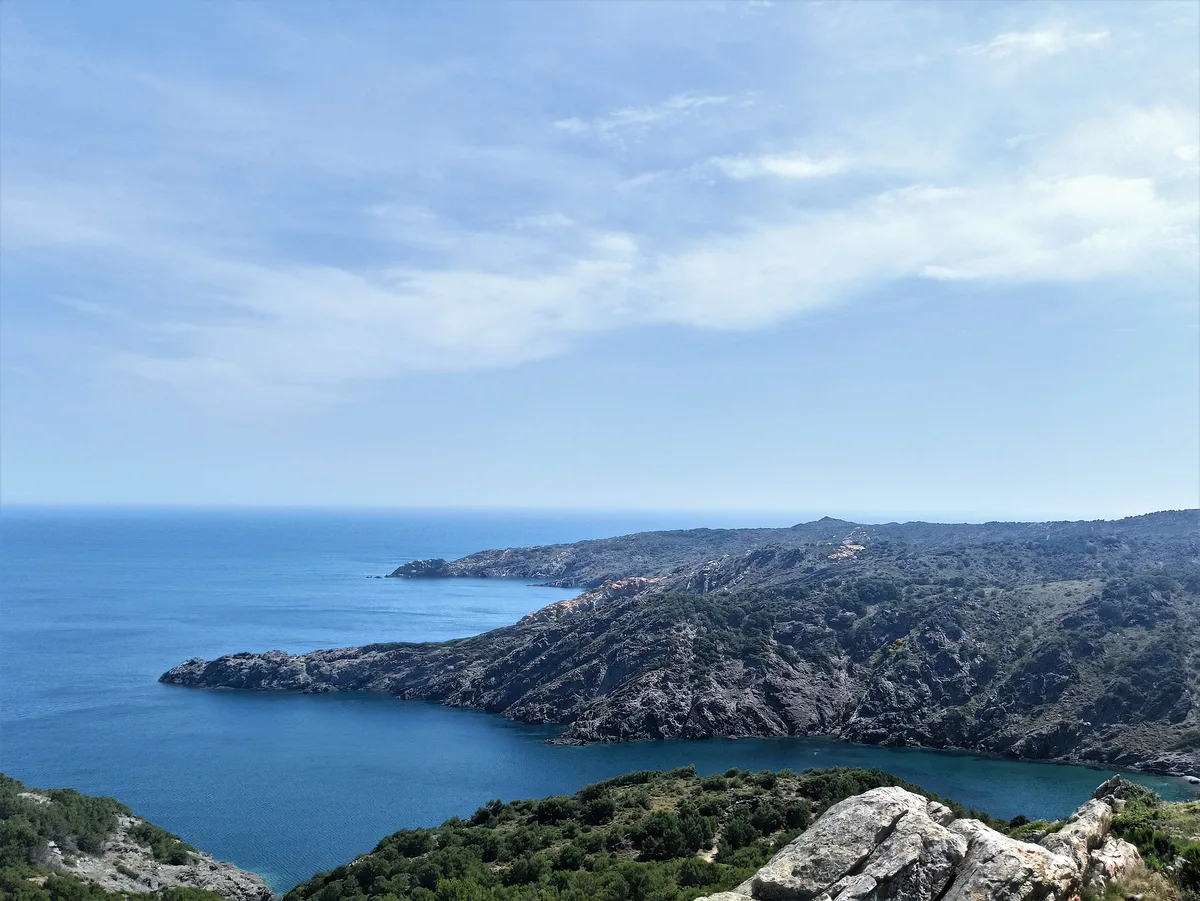
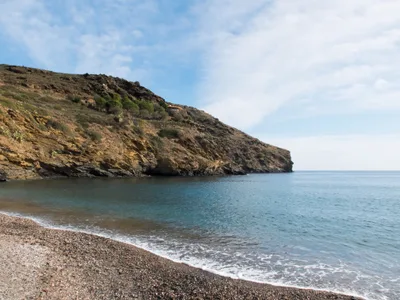
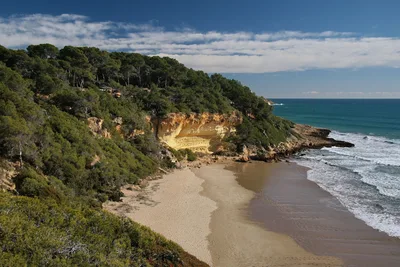
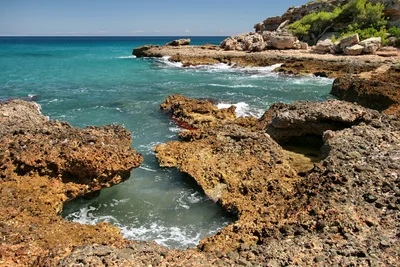
Cala Taballera is a raw, 200-metre stretch of golden sand tucked inside the Cap de Creus Natural Park on the Costa Brava. The water runs turquoise and clear, lapping a shore that sees almost no visitors on any given day. It sits within the commune of El Port de la Selva, accessible only on foot or by boat — no road reaches it, and that's exactly the point. The surrounding landscape is all wind-sculpted rock, scrubby Mediterranean vegetation, and open sky. This is what the Costa Brava looked like before the hotels arrived.
How to get there
There are two ways in, and neither involves a car. The main route is a 120-minute hike from El Port de la Selva along the GR-11 trail — wear proper footwear and carry water, because the terrain is unforgiving. If you'd rather skip the trail, a boat from El Port de la Selva takes around 30 minutes and runs on demand. Vehicle access to the beach is not permitted, so there is no parking to plan around.
Who it's for
For couples
The two-hour hike in filters out almost everyone else, so couples who make the effort get a near-private beach with turquoise water and golden sand — a genuinely rare thing on the Costa Brava in summer.
For families
The hike is 120 minutes each way over rough terrain, which rules out young children and anyone who struggles on uneven ground. Families with older, fit kids who are comfortable on long trails can make it work, but plan the day carefully and bring ample water and snacks.
Our take
Cala Taballera is not for everyone, and it doesn't want to be. You earn it with a 120-minute hike through Cap de Creus Natural Park, or you arrive by boat — either way, the beach rewards you with golden sand, turquoise water, and a near-total absence of other people. It's a naturist beach, it has no facilities, and the trail back is just as long as the trail in. Go prepared or don't go. For those who do make the effort, this is one of the last genuinely wild stretches of sand on the Costa Brava — the kind of place that reminds you what this coastline is actually made of.
What to do
The beach sits inside Cap de Creus Natural Park, a protected landscape of dramatic cliffs, hidden coves, and serious hiking opportunities that extends right to the cape itself. A short boat ride or drive away, the Far del Cap de Creus lighthouse rewards with some of the most exposed, elemental scenery on the Iberian Peninsula. Further inland, the Monastery of Sant Pere de Rodes — a 10th-century Benedictine complex perched on Verdera mountain — offers panoramic views that put the whole coastline in perspective. And just 6.8km away, Salvador Dalí's former residence at Portlligat in Cadaqués is one of the most singular house-museums in Spain.
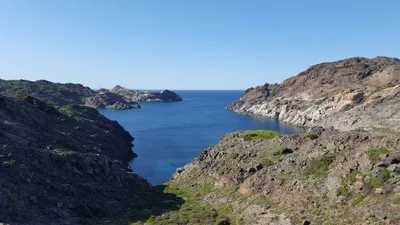
The elevated rocky headlands at each end of the cove give you the full 200-metre sweep of golden sand and turquoise water in a single frame — arrive early for glassy conditions and no footprints.
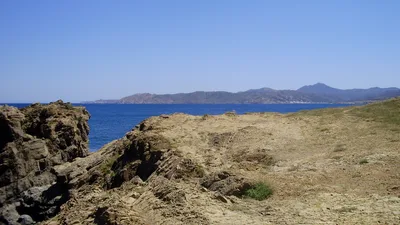
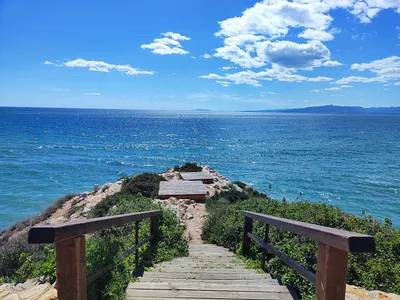
The GR-11 trail itself offers dramatic natural-park vistas looking back toward the cape, worth shooting on the hike in. From the water's edge at low sun, the contrast between the pale golden sand and the deep turquoise is the shot.
Where to eat
There are no restaurants at Cala Taballera — pack a proper picnic before you set out. Back toward civilisation, Compartir in Cadaqués (5km) is the standout choice, with a reputation that punches well above the region. Restaurant Nord Est at 5.3km is another strong option if you want a sit-down meal after the hike.
Where to stay
Cala Montjoi, rated 4.4/5 across nearly 4,000 reviews and sitting 8.8km from the beach, is the closest base and suits those who want to stay deep in natural-park territory. For more comfort, Hotel Spa Mediterráneo Park (4.5/5, 10.2km) and Almadraba Park Hotel (4.6/5, 10.5km) both offer polished stays within reasonable striking distance of the trailhead.
Photography
Shoot from the rocky headland at either end of the cove in the early morning, when the turquoise water catches the low eastern light and the golden sand glows without a footprint on it. Late afternoon is equally rewarding — the warm light hits the cliff faces directly and the natural-park backdrop turns amber.
Good to know
The hike is multi-hour and over rough natural-park terrain — it is not suitable for visitors with mobility impairments, and the trail is not wheelchair accessible. Cala Taballera is a naturist zone, so clothing-optional bathing is the norm here; respect that culture if you visit. Bring everything you need — food, water, sun protection — because there are no facilities on the beach. Swimming is safe, but the remoteness means no lifeguard is present, so don't swim alone.
GAMES
🕹️ Five minutes of sand?
Three daily games — including the UV simulator set to this beach.
Map
Nearby places
Enjoy It
Restaurant Nord Est
Restaurant Las Palmeras
Compartir
bONAvibra Beach Bar
Cala Montjoi
Hotel Spa Mediterráneo Park
Camping Rodas
Almadraba Park Hotel
Camping Mas Nou
Cap de Creus Natural Park
Sant Pere de Rodes Monastery
Salvador Dalí House-Museum
Things to see around El Port de la Selva
Cap de Creus Natural Park
Natural park known for wild beauty, cliffs, coves, and hiking opportunities.
Sant Pere de Rodes Monastery
10th-century Benedictine monastery on Verdera mountain with panoramic views.
Salvador Dalí House-Museum
Dalí's former residence in Portlligat near Cadaqués.
GIFT
🎁 Gift this beach
Its exact coastline, your date, your words — on a print or a PDF you print yourself.
Cala Taballera Beach
THAT DAY
Cala Taballera Beach, Catalonia
© OpenStreetMap contributors
Clean & decorative, or “That day” with the real sky of your date.
Shipping included 3-6 business days
A question before you order? Contact us
Delivered within minutes on the confirmation page and by email: a ZIP with all 4 print sizes (30×40 cm, 12×16″, 50×70 cm, 18×24″), each as a high-resolution PDF and PNG (300 dpi), plus a screen version. Print at home or at any print shop.
Please complete the delivery address.
Please accept the Terms of Sale.
Almost there — the shop opens very soon.
Secure payment · Printed locally in 30+ countries · 7 languages
Frequently asked
The information on this page is provided for guidance only and may evolve. Access conditions, safety and infrastructure can change without notice. Always check official sources before traveling.
Nearest beaches

Other wild beaches in Spain
More beaches in Catalonia
Reviews of this beach
- No reviews yet, what a shame — leave yours and share your experience.
Photo credits
Sources and licenses for the photos shown above.
- Photo 1 — walkaholicme · source · CC BY-SA 2.0
- Photo 2 — Gas Mountain Team · source · CC BY-SA 4.0
- Photo 3 — walkaholicme · source · CC BY-SA 2.0
- Photo 4 — bmr-mam · source · CC BY-SA 2.0