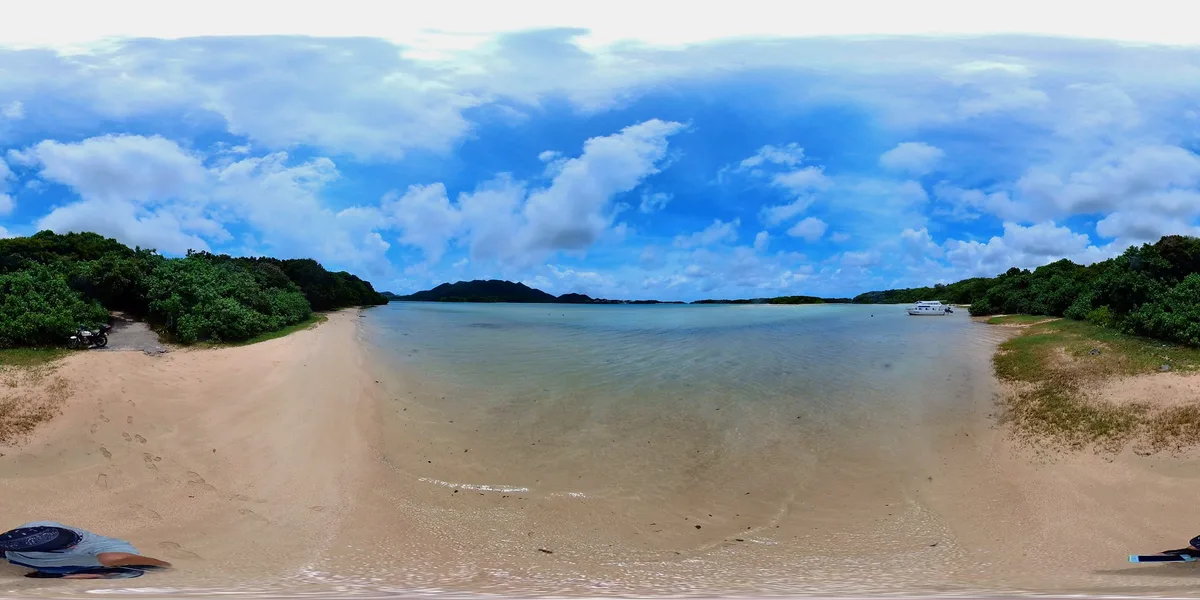
Kabira Beach
Turquoise bay where pearls grow and swimmers don't
About
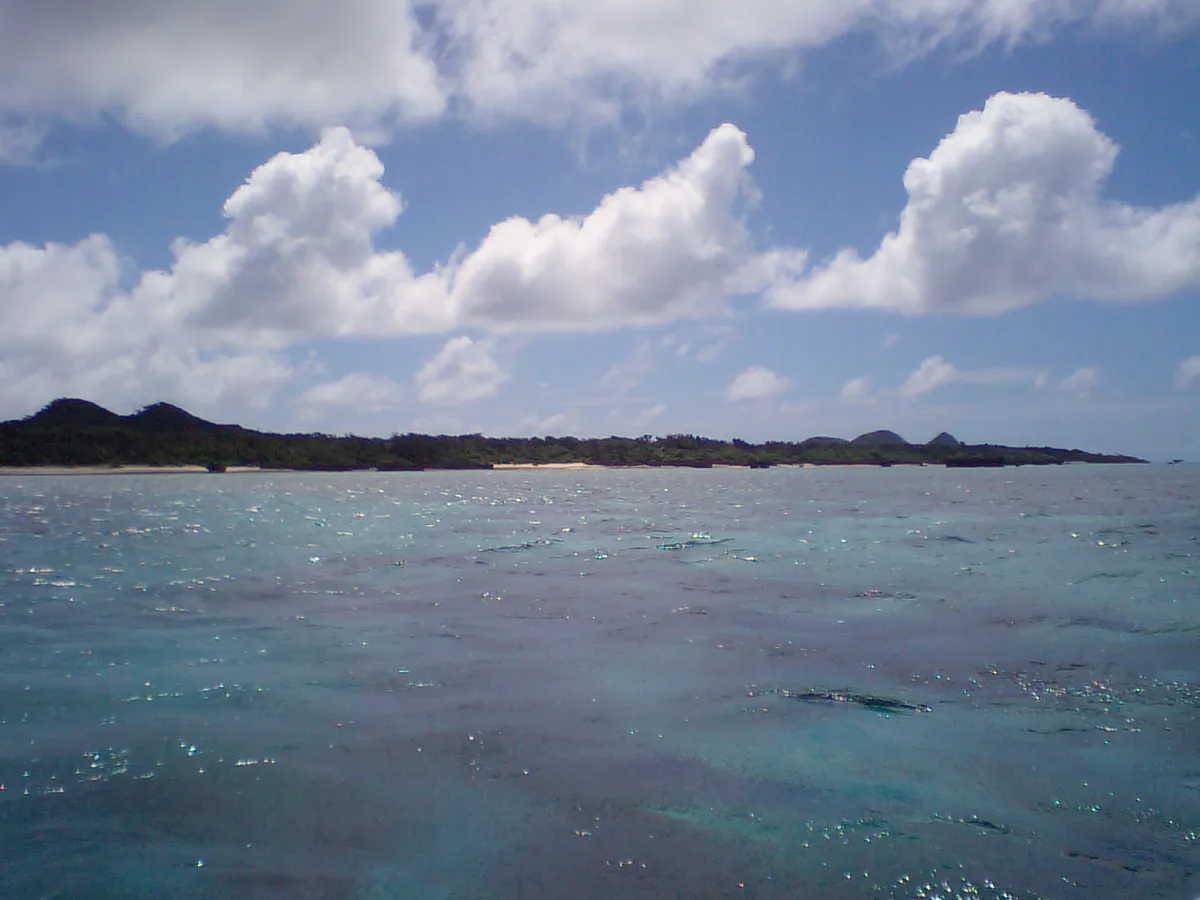
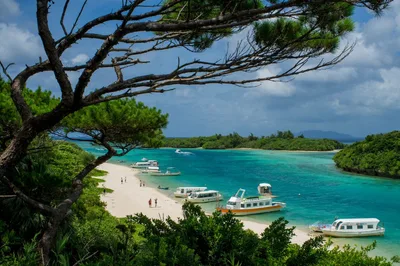
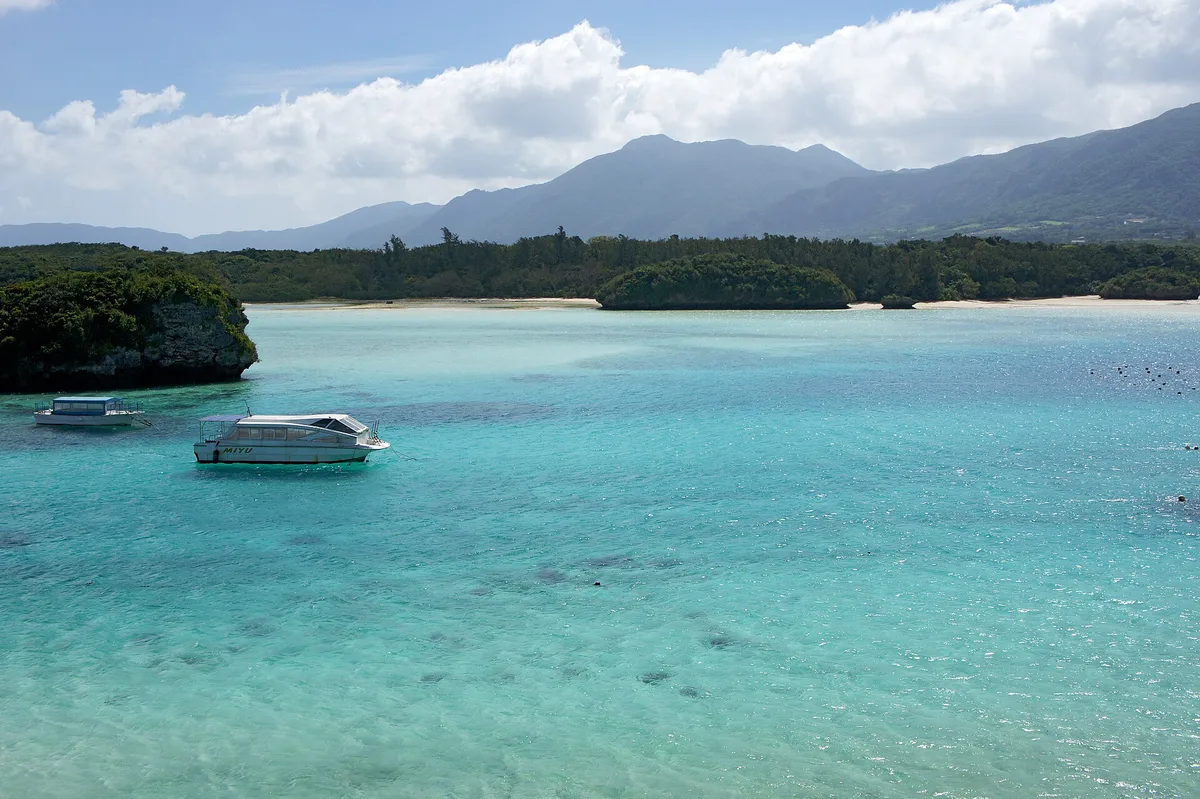
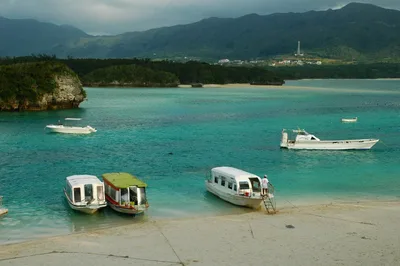
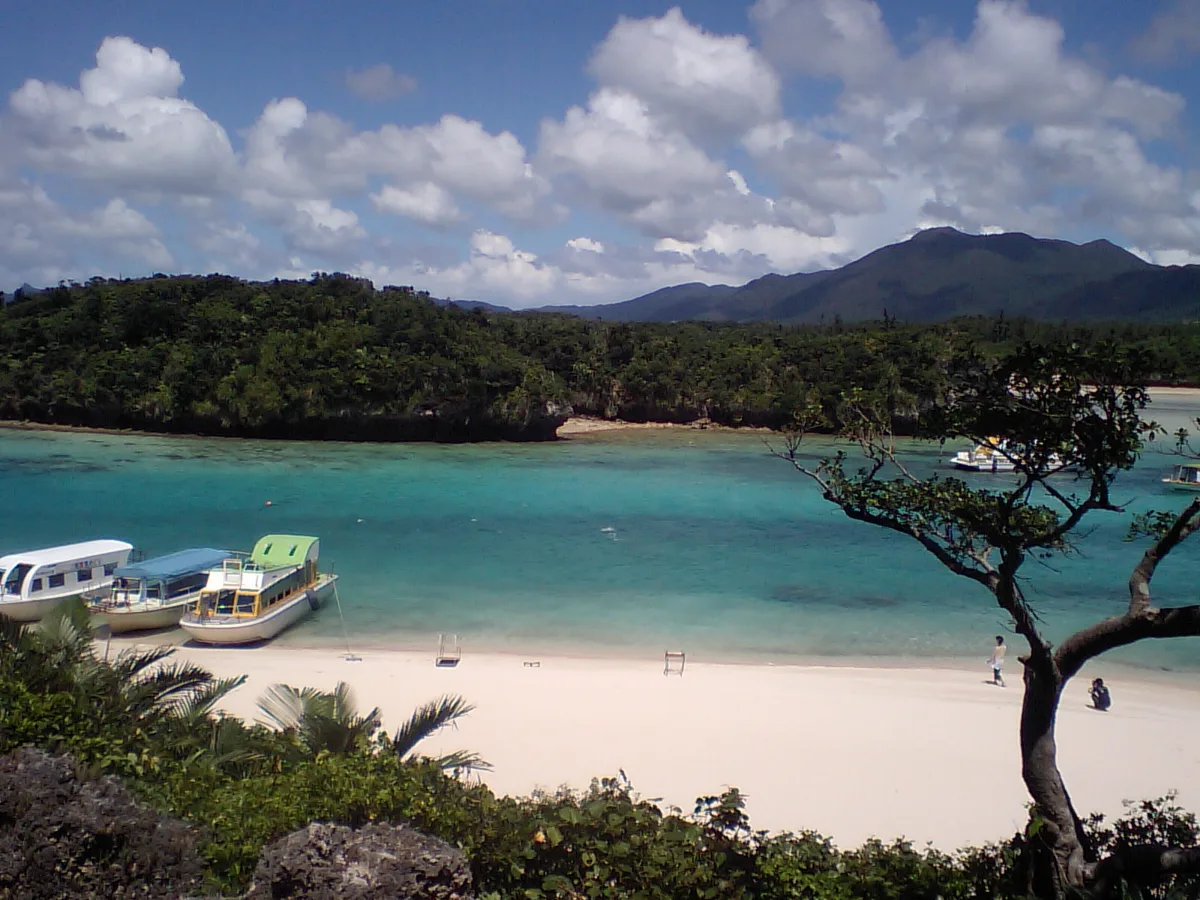
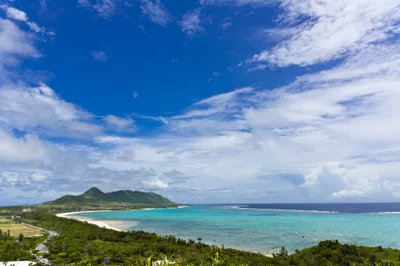
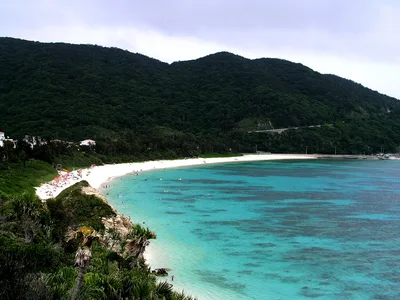
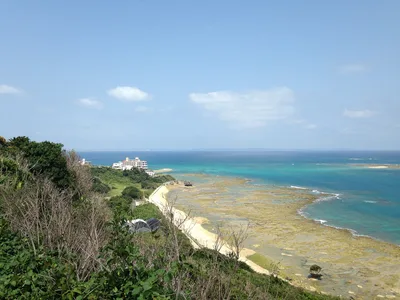
(Kabira Bay) sits on the northwest coast of Ishigaki Island in Japan's Ryukyu archipelago, its white sand shoreline curving around water so intensely turquoise it looks hand-painted. Forested islets dot the bay like punctuation marks, framing a scene that has made this one of the most photographed spots in all of Okinawa. Pearl oysters are actively cultivated beneath the surface, which is precisely why the bay is a no-swimming zone — the beds are protected by official regulation, not just a suggestion. Glass-bottom boats glide over the pearl farms, giving you a window into the underwater world without disturbing it. The vibe is relaxed and unhurried, but the pier fills up fast on weekends.
How to get there
From Ishigaki City, the bay is a straightforward 30-minute drive by car — the most practical option for most visitors. Ferries operated by and also serve the area. A managed parking lot sits above the viewpoint; it accepts both paid and free options, so arrive early during peak season and weekends as spaces fill quickly. New Ishigaki Airport (ISG) is 11.9 km away, making a rental car a convenient choice for the day.
Who it's for
For couples
The glass-bottom boat tour is an easy shared experience — 30 minutes drifting over pearl beds in turquoise water, no gear required. The hillside viewpoint at dusk, with the forested islets silhouetted against the bay, is as quietly romantic as Ishigaki gets.
For families
Kids are captivated by the glass-bottom boat and the visible pearl farm below — it's educational without feeling like a school trip. The paved path to the viewpoint is manageable for most ages, and the no-swimming rule actually removes one parental stress from the equation.
Our take
Feet in the sand, eyes on the screen
is one of those places where the postcard is real — the turquoise water and white sand genuinely look like that. But go in clear-eyed: you cannot swim here, full stop, and the bay can shut down entirely during typhoon season between July and October. The glass-bottom boat is not a consolation prize; it's the actual experience, and it delivers. Come for the viewpoint, take the boat, eat at Setsukaya on the way back, and leave before the afternoon tour buses arrive. Skip July and August if you can — habu jellyfish and typhoon risk make the timing genuinely poor, not just uncomfortable. The best version of this bay is a calm morning in June or October, light on the water, boat tickets in hand.
What to do
The glass-bottom boat tour is the main event — it's the only way to see the turquoise water up close, and it passes directly over the Kabira Bay Pearl Farm, where an active cultivation operation is visible just 0.1 km from shore. A paved path leads to a panoramic hillside viewpoint that gives you the classic wide-angle shot of the bay and its forested islets. Just 4.8 km away, the Kabira Ishizaki manta scramble is a recognised dive site for those who want to get underwater elsewhere. Yonehara Beach, 4.5 km east, offers reef-fringed snorkelling backed by Yaeyama palms if you're itching to swim.
The panoramic hillside viewpoint is the shot everyone comes for — white sand, turquoise water, and forested islets in one frame, best in morning light.
The pier offers a lower, more intimate angle with glass-bottom boats as foreground subjects. For something quieter, the tree line along the bay's edge frames the water in natural green borders that compress beautifully on a telephoto lens.
Where to eat
Setsukaya, a Japanese restaurant 1.4 km from the bay, is the closest sit-down option after a morning on the water. Cafe YU-TO is 2.5 km away and works well for a lighter break between sights. If you're willing to drive a little further, Italico at 3.7 km offers an Italian alternative for those who've had their fill of island cuisine.
Where to stay
Ishigaki Sunset Cove Hotel is the nearest lodging option at 9.2 km from the bay, a reasonable base for exploring the northwest coast. Happy Holiday sits 12.8 km out, closer to Ishigaki City, and suits those who want more amenities and dining options within walking distance.
Photography
The hillside viewpoint above the bay delivers the iconic panoramic shot — arrive in the morning when the turquoise water catches the light cleanest and visitor numbers are still low. Down at the pier, the glass-bottom boats framed against the white sand and forested islets make for strong foreground-to-background compositions.
Good to know
Swimming is strictly prohibited throughout the bay — this is an enforced rule to protect the pearl cultivation beds, not a guideline you can ignore. From June through September, habu jellyfish are present in surrounding waters, adding another reason to stay out. Typhoon season runs July through October and can close bay access entirely, so check conditions before you go. Glass-bottom boat tickets must be purchased at the pier, and no anchoring is permitted near the pearl farm buoys.
Map
Nearby places
Setsukaya
cafe YU-TO
Italico
Yone Yashi
Ishigakijima Restaurant
Ishigaki Sunset Cove Hotel
Happy Holiday
Things to see around Ishigaki
Kabira Bay Pearl Farm
Active pearl cultivation operation visible from the bay; tours available.
Yonehara Beach
Reef-fringed snorkelling beach backed by Yaeyama palms.
Omoto-dake (Mount Omoto)
Highest peak in the Ryukyu Islands at 526 m; hiking trails through subtropical forest.
Frequently asked
The information on this page is provided for guidance only and may evolve. Access conditions, safety and infrastructure can change without notice. Always check official sources before traveling.
Nearest beaches
Other relaxed beaches in Japan
More beaches in Ryukyu Islands
Reviews of this beach
- No reviews yet, what a shame — leave yours and share your experience.
Photo credits
Sources and licenses for the photos shown above.
- Photo 1 — JIRCAS · source · CC BY 2.0
- Photo 2 — Dick Thomas Johnson · source · CC BY 2.0
- Photo 3 — Severin.stalder · source · CC BY-SA 4.0
- Photo 4 — License pending verification
- Photo 5 — (WT-en) Jpatokal at English Wikivoyage · source · CC BY-SA 3.0
- Photo 6 — Dick Thomas Johnson · source · CC BY 2.0