Nagura Beach
Wild mangrove bay where dugongs still roam free
About
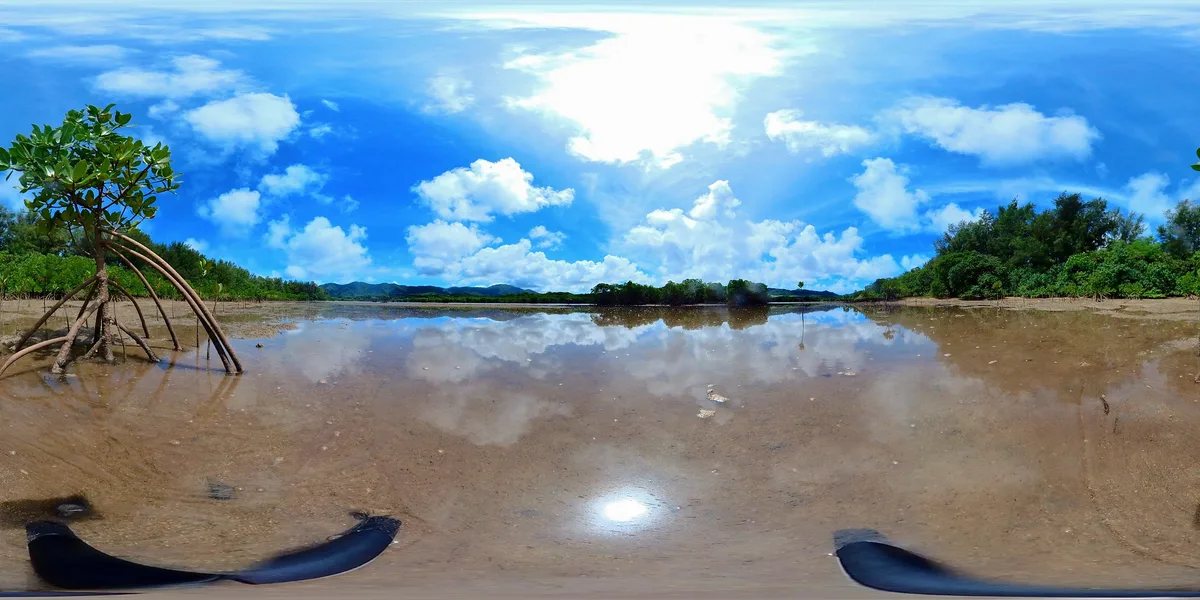
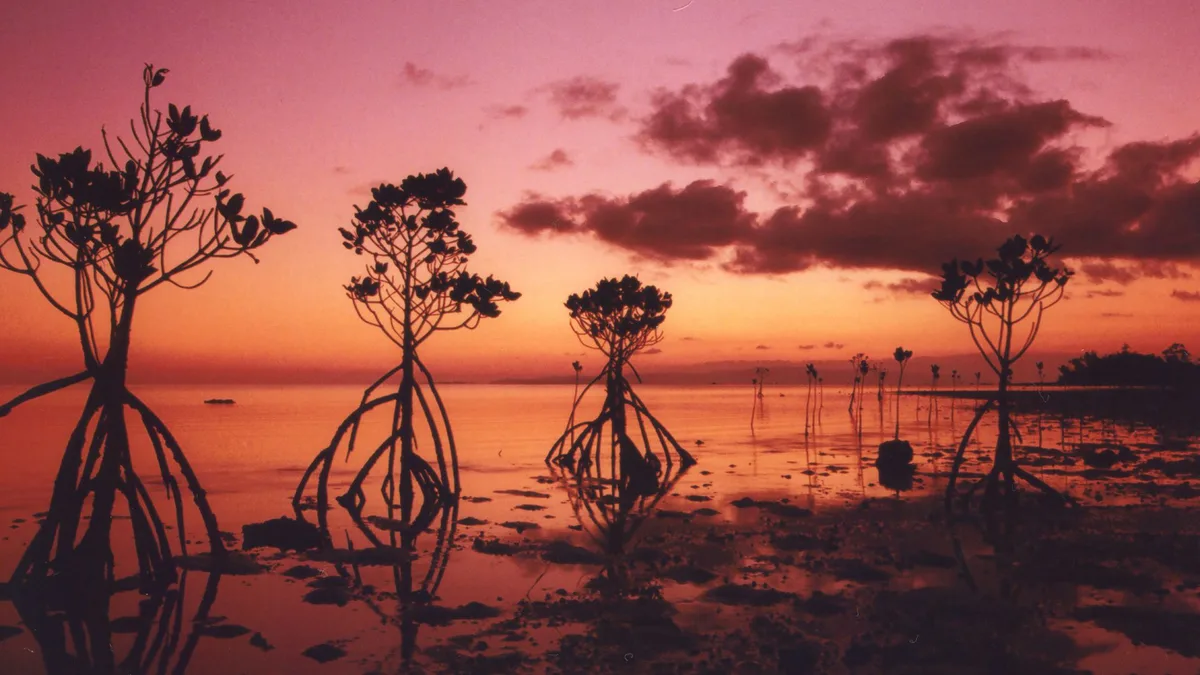
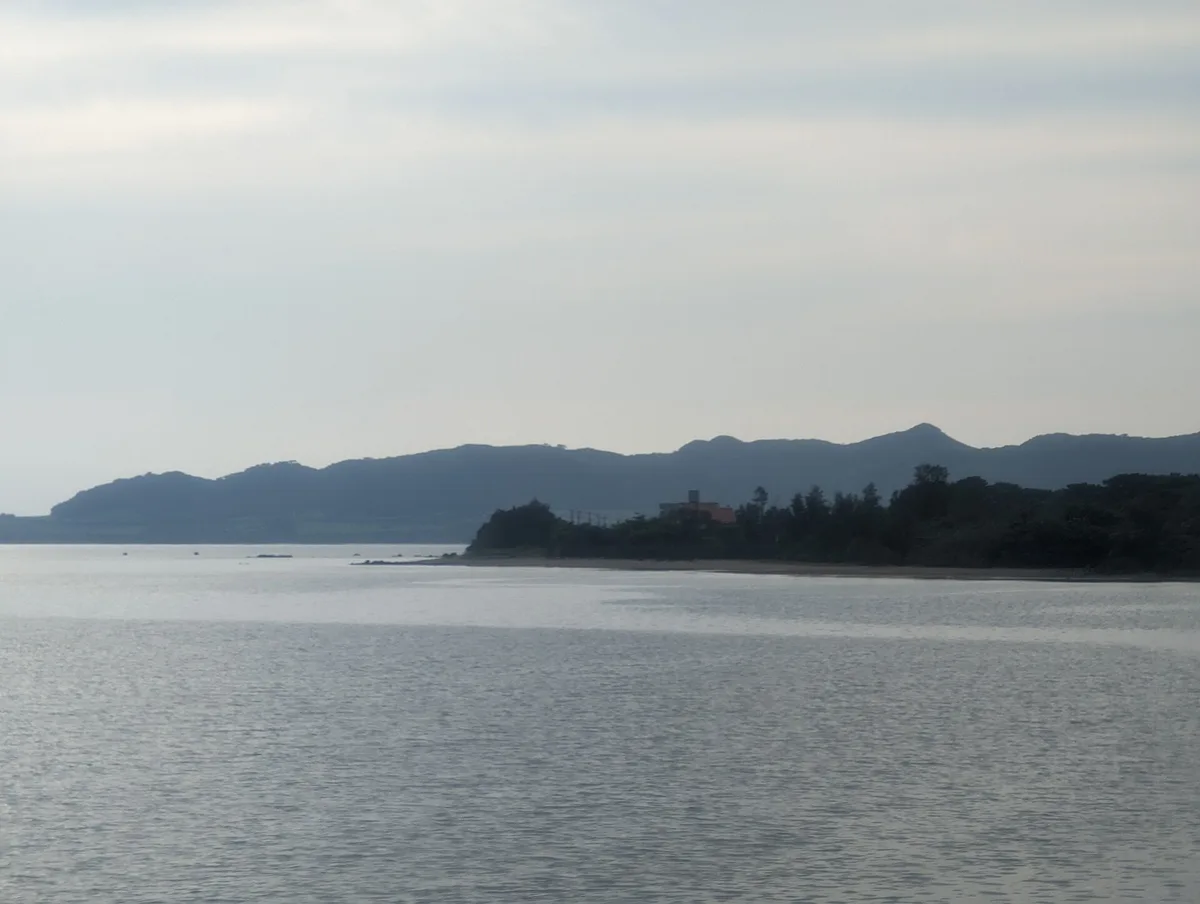
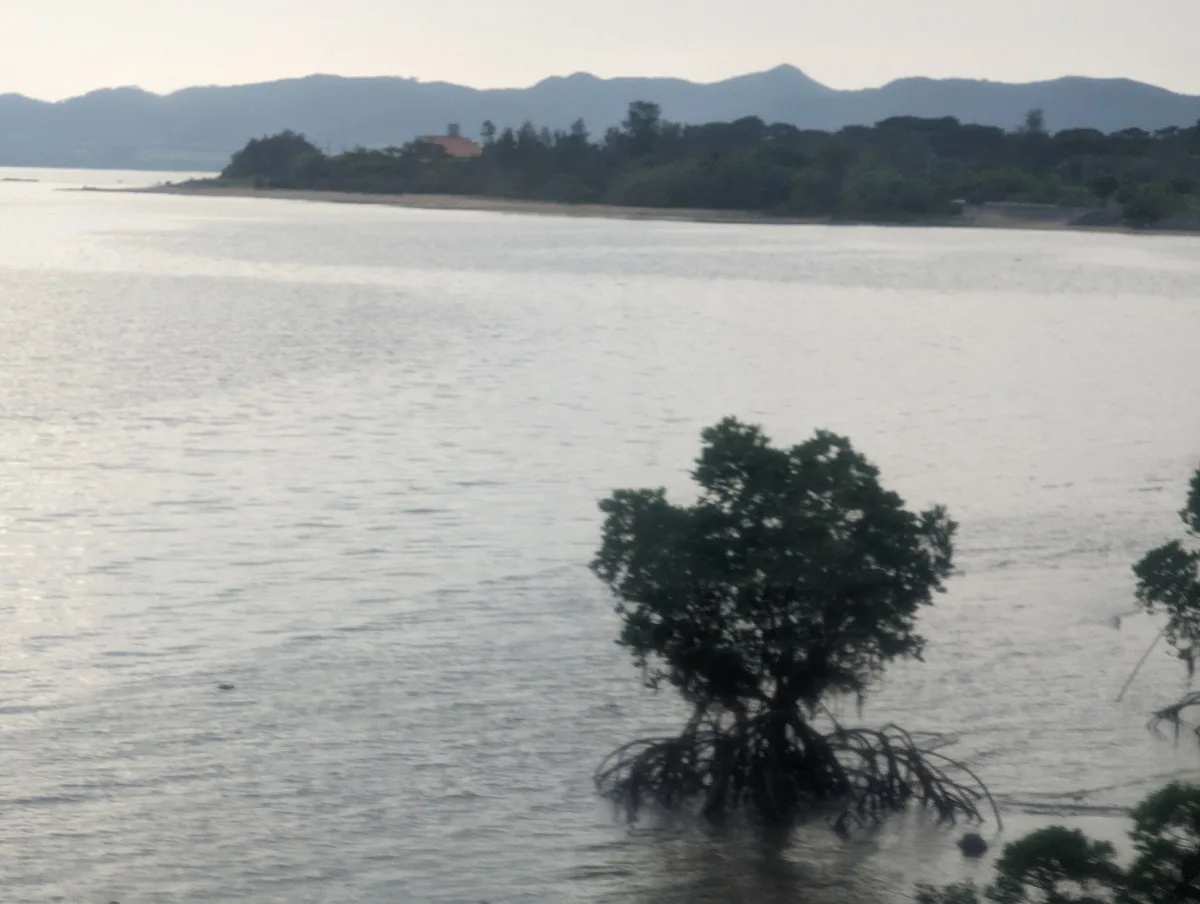
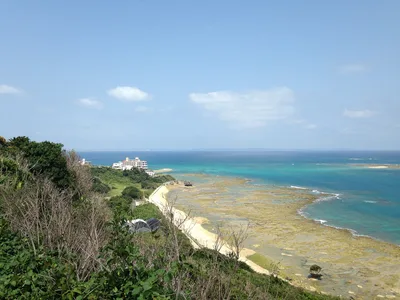
(Nagura Bay) stretches along the western coast of Ishigaki Island, a sweeping arc of white sand and emerald shallows backed by the green ridgelines of the Ryukyu mountains. This is not a beach you come to swim — it's a living ecosystem, where seagrass beds ripple beneath the surface and mangrove channels wind into the interior like green corridors. The bay is one of the last reliable dugong habitats in Japan, and sea turtles feed quietly in the shallows when visitors keep their distance. The vibe is genuinely wild: few facilities, tidal flats that shift with every tide, and a mountain backdrop that turns gold in the late afternoon. Kayakers and nature-watchers have quietly claimed this bay as their own.
How to get there
From Ishigaki City, the bay is a straightforward 20-minute drive west. Free roadside parking is available near the entrance to Yaeyama Village, making it easy to arrive early and beat the day's heat. Ferries operated by and connect Ishigaki to the broader Yaeyama Islands, though the bay itself is best reached by car. New Ishigaki Airport (ISG) is approximately 10.4 km away.
Who it's for
For couples
Couples who'd rather paddle quietly through mangrove channels than fight for a sun lounger will find genuinely rewarding — the wild, unhurried atmosphere and mountain backdrop make it one of Ishigaki's most atmospheric spots for those content to explore rather than swim.
For families
Families with older children interested in nature and kayaking can have a rich day here, but this bay is not suitable for young children who want to swim — there are no lifeguards, no jellyfish nets, and the tidal terrain is uneven and not wheelchair accessible. The nearby Yaeyama Village at 0.5 km adds a cultural dimension that works well for curious kids.
Our take
Feet in the sand, eyes on the screen
is not a beach for swimming, sunbathing, or snorkeling — and that's exactly the point. This is one of the few places in Japan where dugongs still feed in the wild, and the bay has the quiet, purposeful atmosphere of somewhere that hasn't been packaged for tourism. Come for the kayaking, come for the mangroves, come to stand on the white sand and watch the mountains reflect in the emerald shallows. But be clear-eyed: the water is off-limits for good reason, box jellyfish patrol the shallows from June through October, and the tidal terrain will strand an unprepared kayaker. July through September brings typhoon risk and murky water on top of the jellyfish season — June or October are sharper choices. If you respect the rules and read the tides, this bay will show you a side of Ishigaki that the glass-bottom boat tours never reach.
What to do
Kayaking through the mangrove channels is the defining activity here — it puts you inside the ecosystem rather than just beside it. Just 0.5 km away, Yaeyama Village is an open-air museum of traditional Ryukyuan architecture and Yaeyama culture, worth an hour of your time before or after the bay. Kabira Bay, roughly 8 km north, offers iconic turquoise waters and glass-bottom boat tours for those who want to see the reef without getting wet. For serious hikers, Omoto-dake (Mount Omoto) — the highest peak in the Ryukyus — is about 10 km away and rewards the climb with subtropical forest and sweeping island views.
The tidal flats at low tide offer a clean reflection of the mountain ridgeline behind the bay — position yourself low and shoot toward the peaks in the late afternoon when the light warms.
The mangrove channel entrances, with their arching root systems and emerald water threading between them, are the bay's most distinctive frames and best captured in the soft morning light.
Where to eat
The nearest dining options are a short drive back toward Ishigaki City. Ishigakijima Restaurant is about 4.6 km away, while Italico offers Italian food at 5.4 km. For a lighter stop, cafe YU-TO is 5.9 km from the bay — a reasonable post-kayak option before the drive back.
Where to stay
Happy Holiday is the closest accommodation option, around 7.3 km from the bay. For something with a view, Ishigaki Sunset Cove Hotel sits about 12.6 km away — further out but well-positioned for exploring the island's western coast.
Photography
The best shots come from the water's edge at low tide, when the tidal flats mirror the mountain backdrop and the emerald shallows stretch toward the horizon — aim for the golden hour before sunset. The mangrove channel entrances, framed by tangled roots and open sky, reward patient photographers who arrive early before the light flattens.
Good to know
Do not enter the water — this is not a designated swimming beach, there are no lifeguards, and no jellyfish nets are in place. Box jellyfish are present in shallow waters particularly from June to October, and the bay carries no infrastructure to manage emergencies. Before kayaking, check tide tables carefully: the tidal flats are shallow and conditions shift quickly, and water turns murky after heavy rain due to river and mangrove runoff. By local rule, do not approach or disturb dugong or sea turtle feeding areas, and motorised craft are strictly prohibited in seagrass zones — these rules exist to protect one of Japan's rarest marine habitats.
Map
Nearby places
Ishigakijima Restaurant
Italico
cafe YU-TO
HItoshi
Setsukaya
Happy Holiday
Ishigaki Sunset Cove Hotel
Things to see around Ishigaki
Yaeyama Village
Open-air museum of traditional Yaeyama culture with Ryukyuan architecture.
Kabira Bay
Iconic turquoise bay with glass-bottom boats.
Omoto-dake (Mount Omoto)
Highest peak in the Ryukyus; subtropical forest hiking.
Frequently asked
The information on this page is provided for guidance only and may evolve. Access conditions, safety and infrastructure can change without notice. Always check official sources before traveling.
Nearest beaches
More beaches in Ryukyu Islands
Reviews of this beach
- No reviews yet, what a shame — leave yours and share your experience.