Sarakiniko Beach
Milos's lunar coastline where white rock meets turquoise sea

About
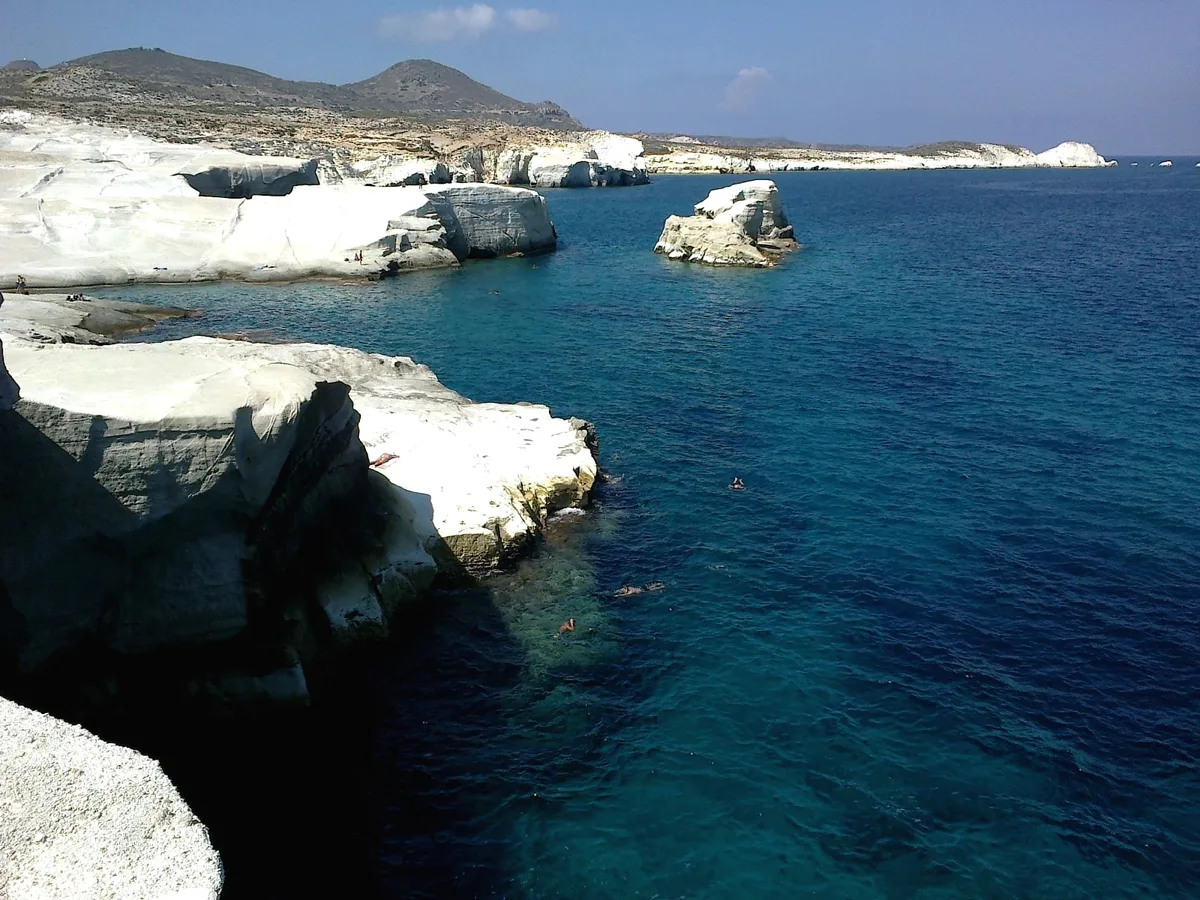
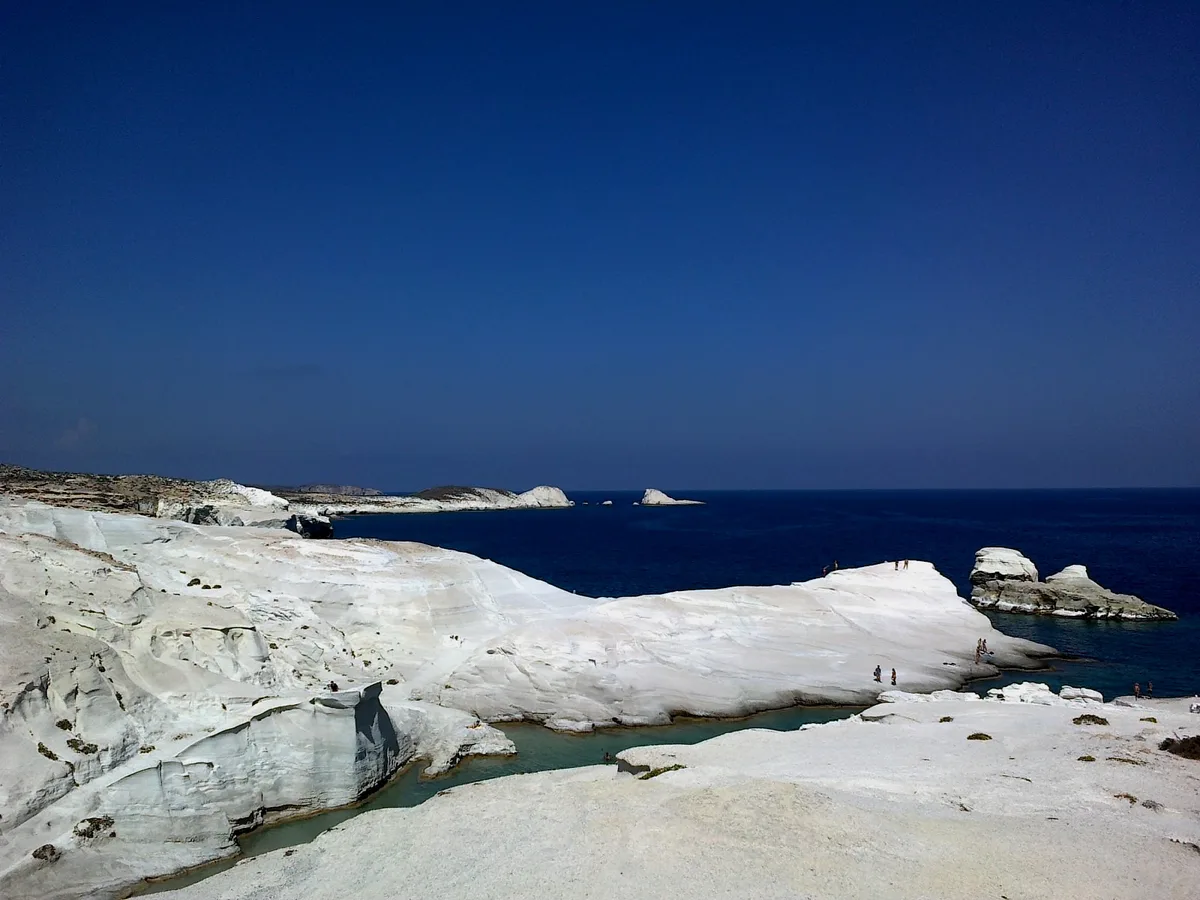
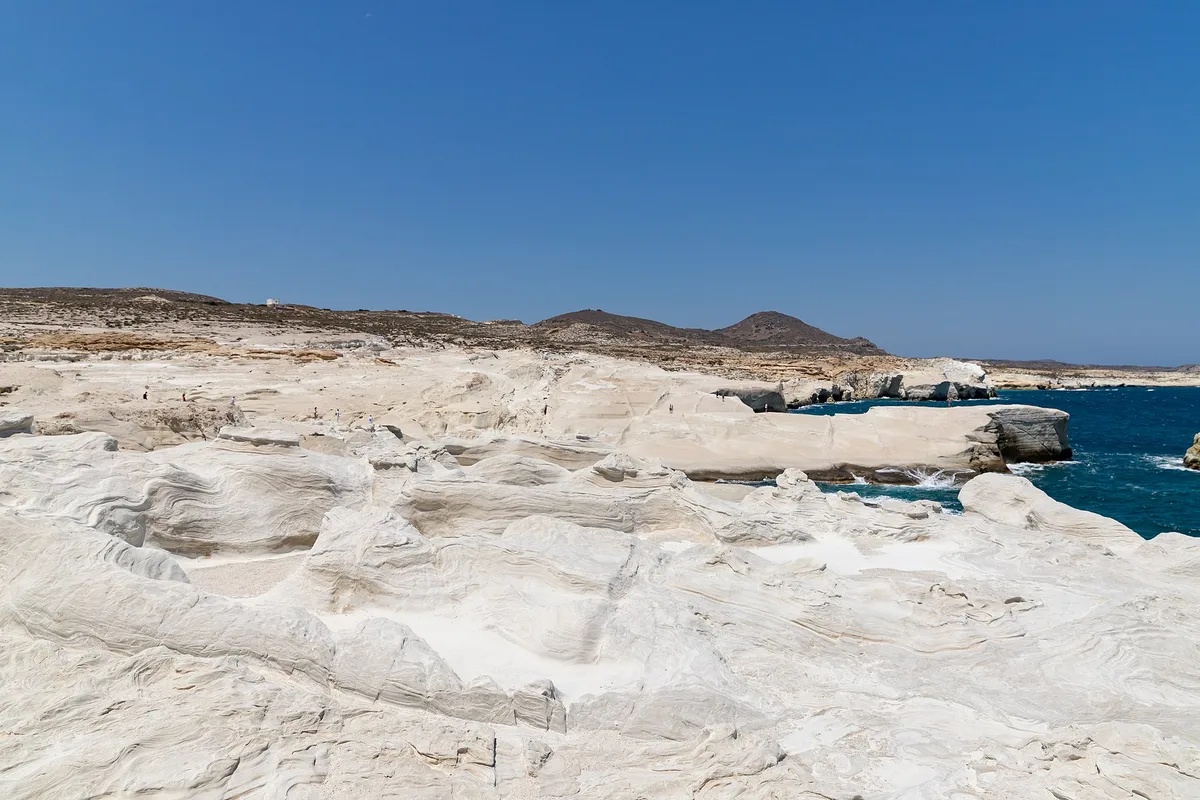
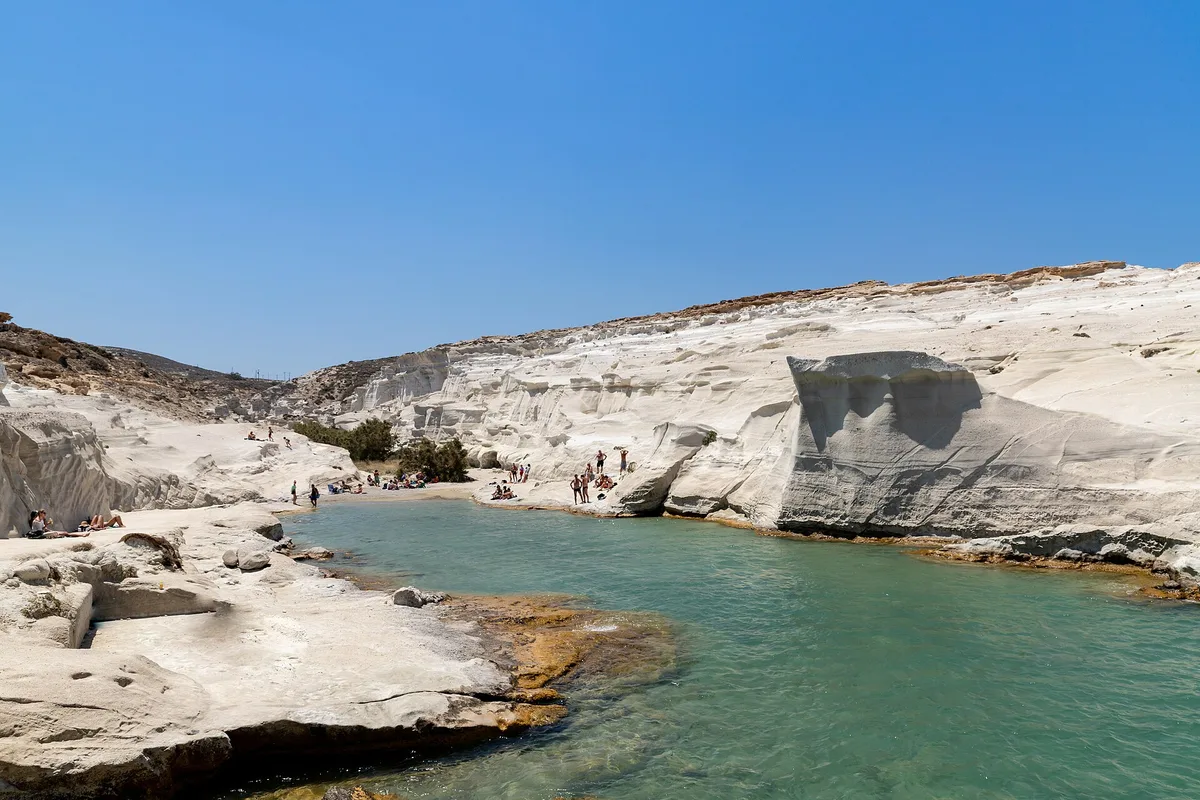
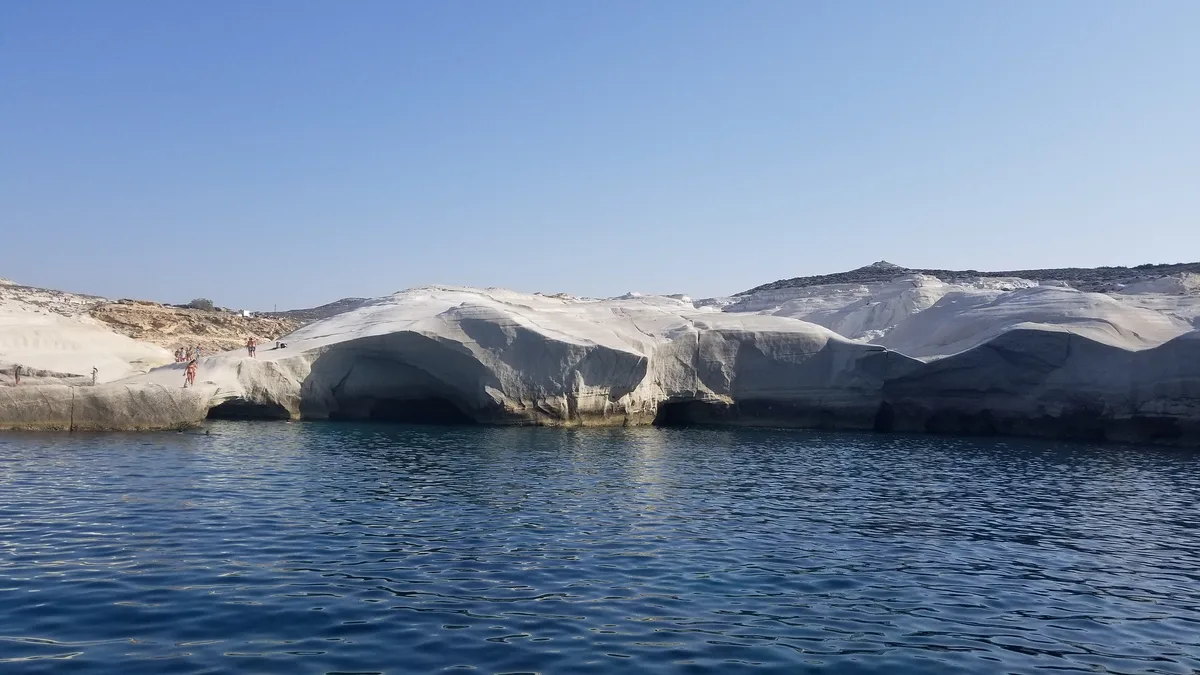
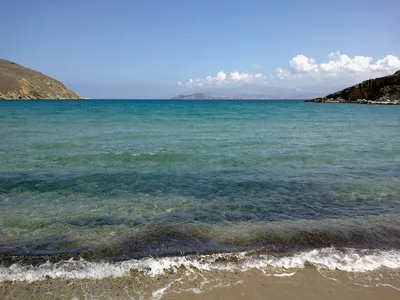
Sarakiniko is unlike any beach in the Cyclades — or anywhere else. Wind-sculpted white pumice formations sweep down to a narrow turquoise sea inlet, creating a landscape that looks more like the surface of the moon than a Greek island shore. There is no sand here, no shade, no vegetation — just raw geological drama carved by millennia of volcanic activity and Aegean wind. The turquoise water channels between the rocks are startlingly clear, and the silence on an early morning visit is total. It's wild, elemental, and completely unlike the postcard Greece you think you know.
How to get there
From Adamas, Sarakiniko is a 10-minute drive by car, with a free unpaved parking lot on site — arrive before 10am in July and August or you'll find it full. A seasonal bus also runs from Adamas in roughly 10 minutes, and boat trips from Adamas reach the bay seasonally. There is no entry fee.
Who it's for
For couples
The otherworldly silence of early morning at Sarakiniko — just white rock, turquoise water, and no one else — makes it one of the most atmospheric spots in the Cyclades for couples who don't need a sunlounger to feel the romance.
For families
Families with older children who are steady on their feet will enjoy the snorkeling in the sheltered rock channels, but the uneven pumice surface and lack of sand or shade make it a poor fit for toddlers or anyone who needs easy water access.
Our take
Feet in the sand, eyes on the screen
Sarakiniko earns its reputation as one of the most visually distinctive beaches in Greece — but come prepared for a place that demands respect, not just a camera. The absence of sand, shade, lifeguards, and bins means you need to be self-sufficient. Swimming is moderate under calm conditions, but meltemi winds can shut that down fast, and the slippery rock surface has caught out plenty of confident visitors. Go in June or September, arrive at first light, and you'll have the white pumice and turquoise inlet largely to yourself. In peak July and August midday, the experience is a different story entirely. This is a geological spectacle first, a swimming spot second.
What to do
The rock channels between the pumice formations are excellent for snorkeling — the water is clear and the underwater geology mirrors the spectacle above. A short drive away, the Early Christian Catacombs of Milos near Tripiti are among the most significant in Greece, and the Hellenistic Ancient Theatre of Milos offers sweeping views over the bay. If you want context for the island's volcanic and mineral identity, the Milos Mining Museum in Adamas is worth the detour.
The classic frame is from the top of the white pumice plateau looking down into the turquoise inlet — shoot wide to capture the full lunar scale.
The narrow rock channels at water level, with their curved white walls and vivid water colour, reward a lower angle and work best in the soft light of early morning before visitors arrive.
Where to eat
For seafood, Medousa is the closest option at 1.4km, followed by Mikros Apoplous and Nostos Seafood Experience, both around 2km away. Zygos, also about 1.8km from the beach, covers Greek taverna classics. There is nothing to eat at Sarakiniko itself, so bring water and snacks.
Where to stay
Solus Suites Milos, 0.9km away, is the closest option to the beach. Orizontes Studios at 1.1km and Ostria Studios and Ostria Hotel at 1.9km offer further choices at varying scales. Efthimias Rooms, 2.7km out, is the most budget-oriented listing in the area.
Photography
The best shots come at sunrise, when low golden light rakes across the white pumice and the turquoise inlet glows without a visitor in frame. The elevated rock formations above the water inlet give a classic overview angle, while shooting from water level inside the channels captures the scale of the sculpted walls.
Good to know
Camping on the rock plateau is not permitted, and there are no bins on site — carry everything out with you. The rock surface is slippery when wet, so wear shoes with grip and keep dogs on a leash on the more exposed sections. There is no lifeguard, and strong meltemi north winds can make swimming genuinely dangerous on exposed days — check the forecast before you wade in. July and August bring severe visitor pressure at midday and frequent meltemi conditions; if you visit in those months, arrive at dawn.
Map
Nearby places
Medousa
Zygos
Mikros Apoplous
Mikros Apoplous
Nostos Seafood Experiance
Solus Suites Milos
Orizontes Studios
Ostria Studios
Ostria Hotel
Efthimias Rooms
Things to see around Milos
Catacombs of Milos
Early Christian catacombs near Tripiti, among the most important in Greece.
Ancient Theatre of Milos
Hellenistic theatre near Klima with views over the bay.
Milos Mining Museum
Museum in Adamas documenting the island's extensive mineral-mining history.
Frequently asked
The information on this page is provided for guidance only and may evolve. Access conditions, safety and infrastructure can change without notice. Always check official sources before traveling.
Nearest beaches
Other wild beaches in Greece
More beaches in Cyclades
Reviews of this beach
- No reviews yet, what a shame — leave yours and share your experience.
Photo credits
Sources and licenses for the photos shown above.
- Photo 1 — rene boulay · source · CC BY-SA 3.0
- Photo 2 — rene boulay · source · CC BY-SA 3.0
- Photo 3 — dronepicr · source · CC BY 2.0
- Photo 4 — dronepicr · source · CC BY 2.0
- Photo 5 — Luigi Rosa · source · CC BY-SA 2.0
- Photo 6 — Luigi Rosa · source · CC BY-SA 2.0