Anse Fourmis BeachSeychelles Beach Guide
Raw granite, blue ocean, zero tourists — earn it
About
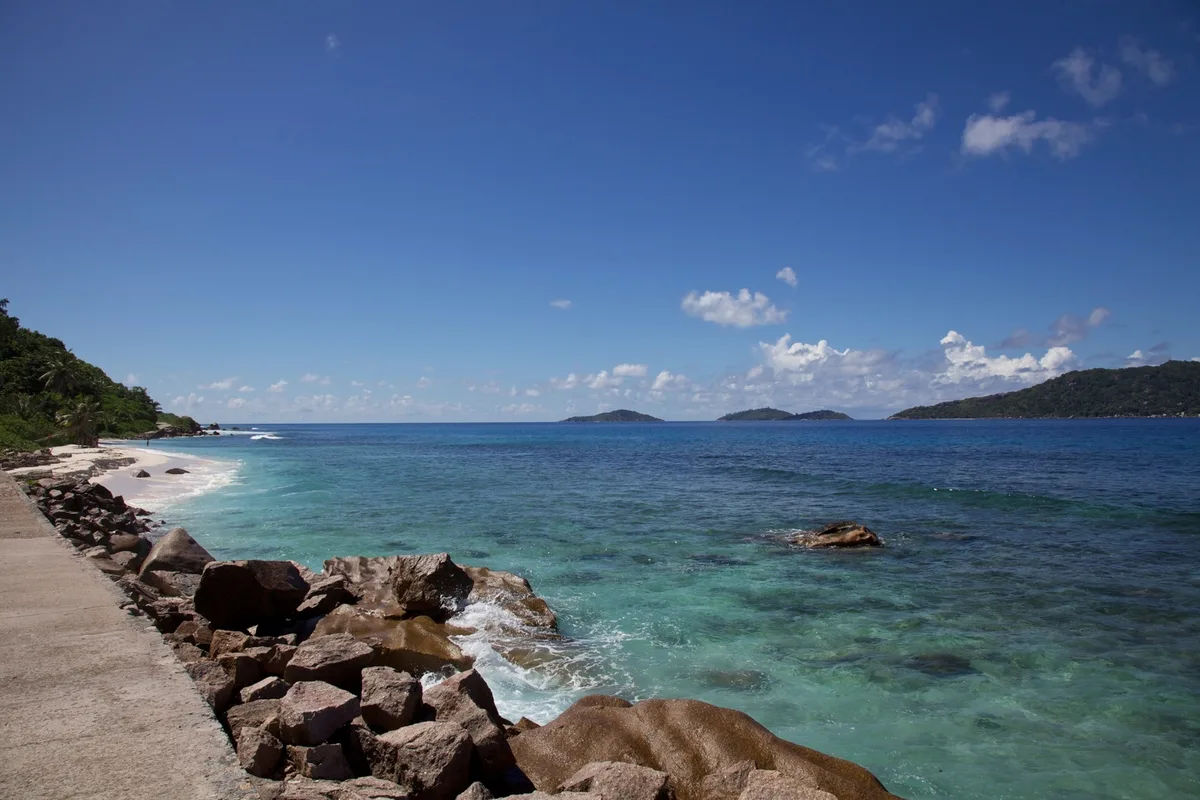
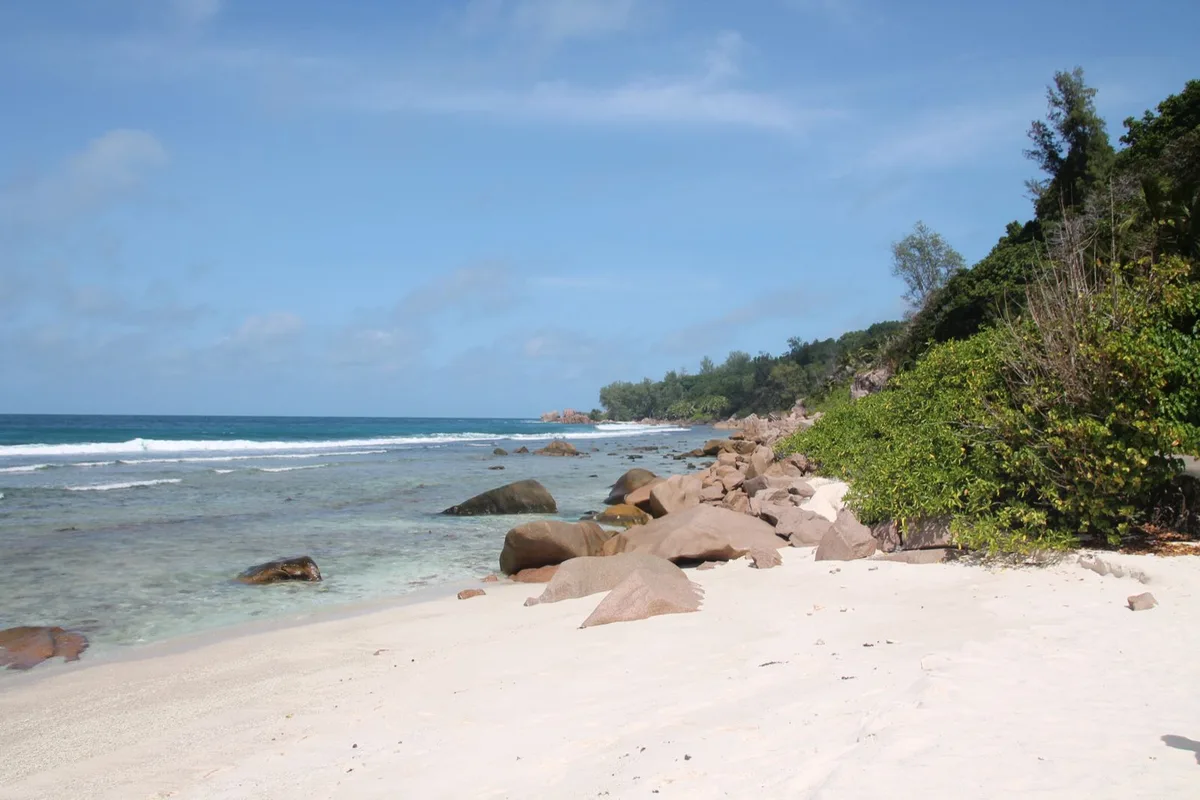
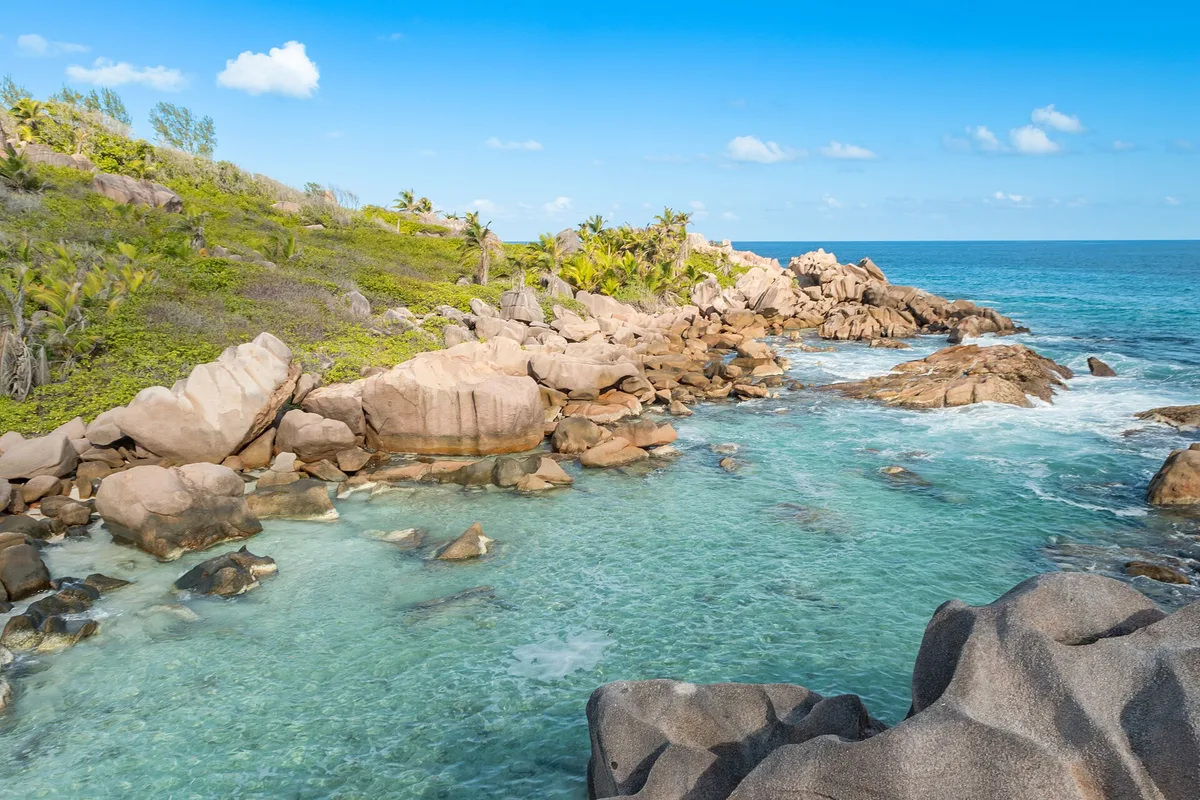
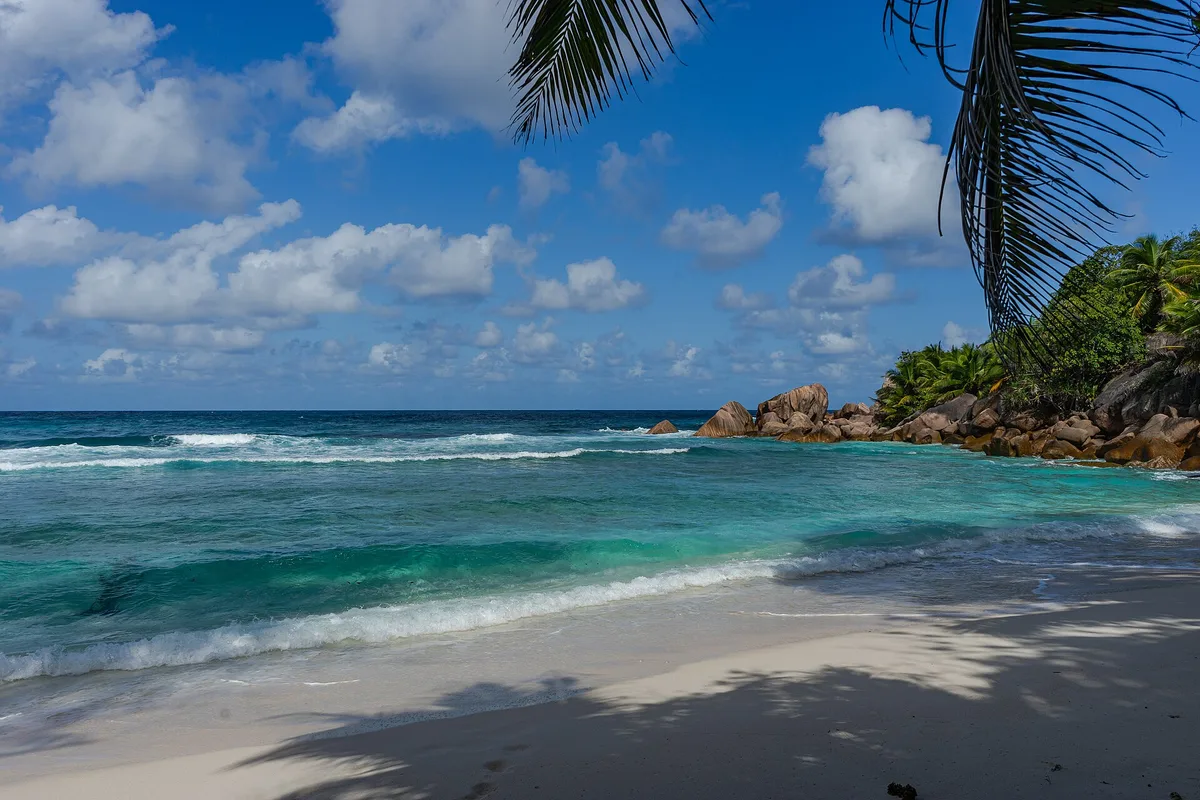
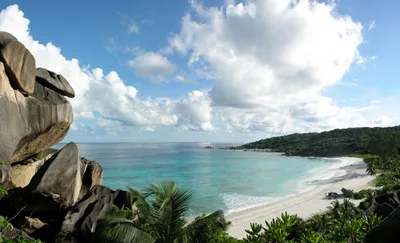
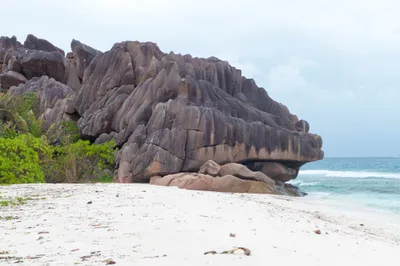
Anse Fourmis sits on the wild northeast coast of La Digue, a compact stretch of grey sand wedged between massive granite slabs and open blue ocean. There's no signage pointing you here, no beach bar, no loungers — just the raw sound of waves hitting ancient rock. A rusted iron anchor rests among the boulders like a punctuation mark left by the sea, making it one of the most striking natural compositions on the island. The northeast exposure means the ocean here is rarely calm, and the blue water carries real force. It's a beach you visit with your eyes, not your body.
How to get there
La Digue has no cars, so you reach Anse Fourmis by bicycle from La Passe village, then continue on foot — allow around 30 minutes total. The terrain shifts to rocky granite slabs as you approach, and there's no formal trail signage to guide you. There is no parking of any kind on the island. The access is rated moderate, but the final approach over slippery rock makes it unsuitable for anyone with limited mobility.
Who it's for
For couples
Anse Fourmis rewards couples who want solitude without a resort backdrop — the anchor, the grey sand, and the blue ocean create an atmosphere that's genuinely private and unlike anything on the tourist circuit.
For families
Not recommended for families with young children — the slippery granite slabs, dangerous water, and absence of any facilities make this a difficult and potentially hazardous outing for kids.
Our take
Do not swim here — state that clearly before anything else. Anse Fourmis is dangerous in the water and that fact doesn't change because the scenery is extraordinary. What it offers instead is something rarer on La Digue than a safe swimming cove: genuine solitude, a coastline that hasn't been tidied up for tourists, and a rusted anchor sitting in grey sand like a small monument to the sea's indifference. The granite slabs alone are worth the 30-minute journey from La Passe. Avoid entirely from May through September when the southeast trades and northeast exposure combine to make conditions rough and the approach slabs even more treacherous. Come between November and April, arrive early, and bring a fully charged camera — you'll almost certainly have the place to yourself.
What to do
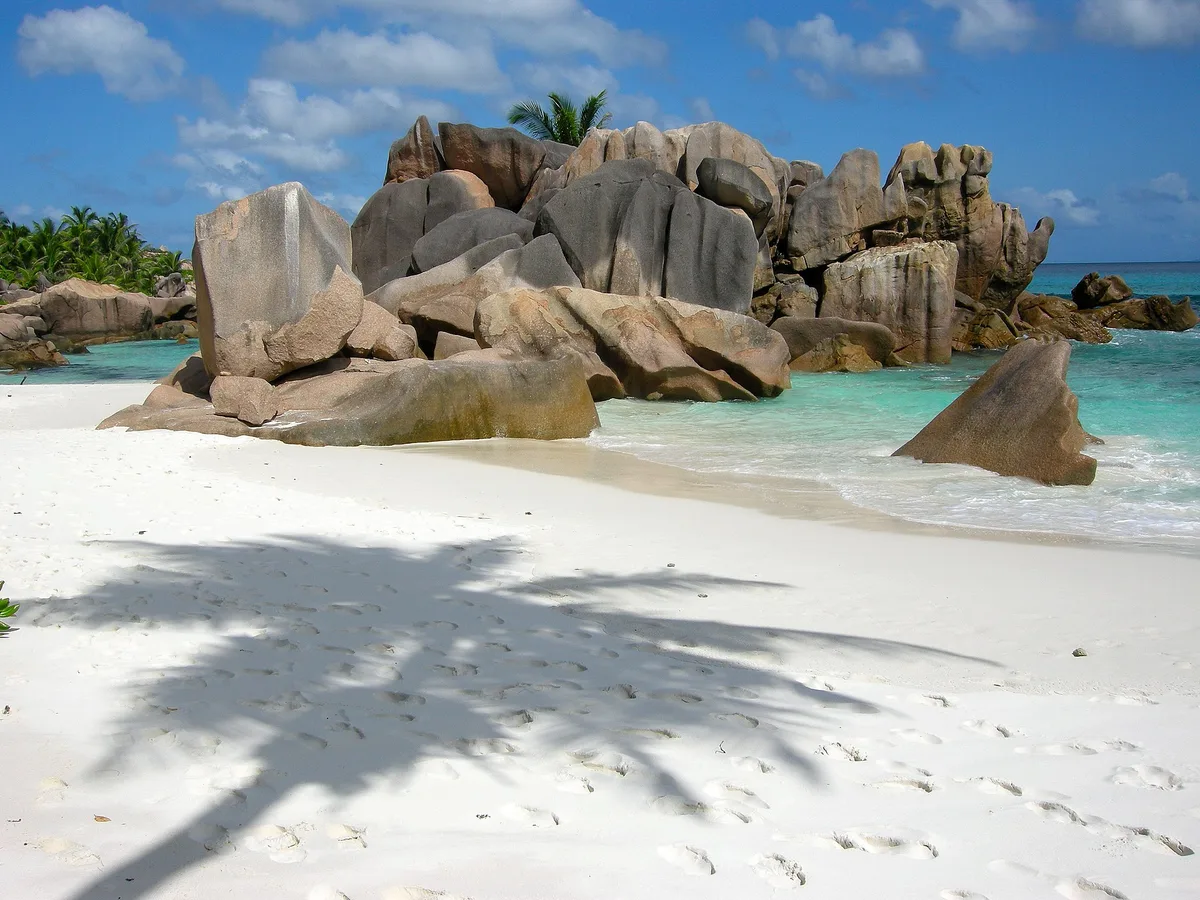
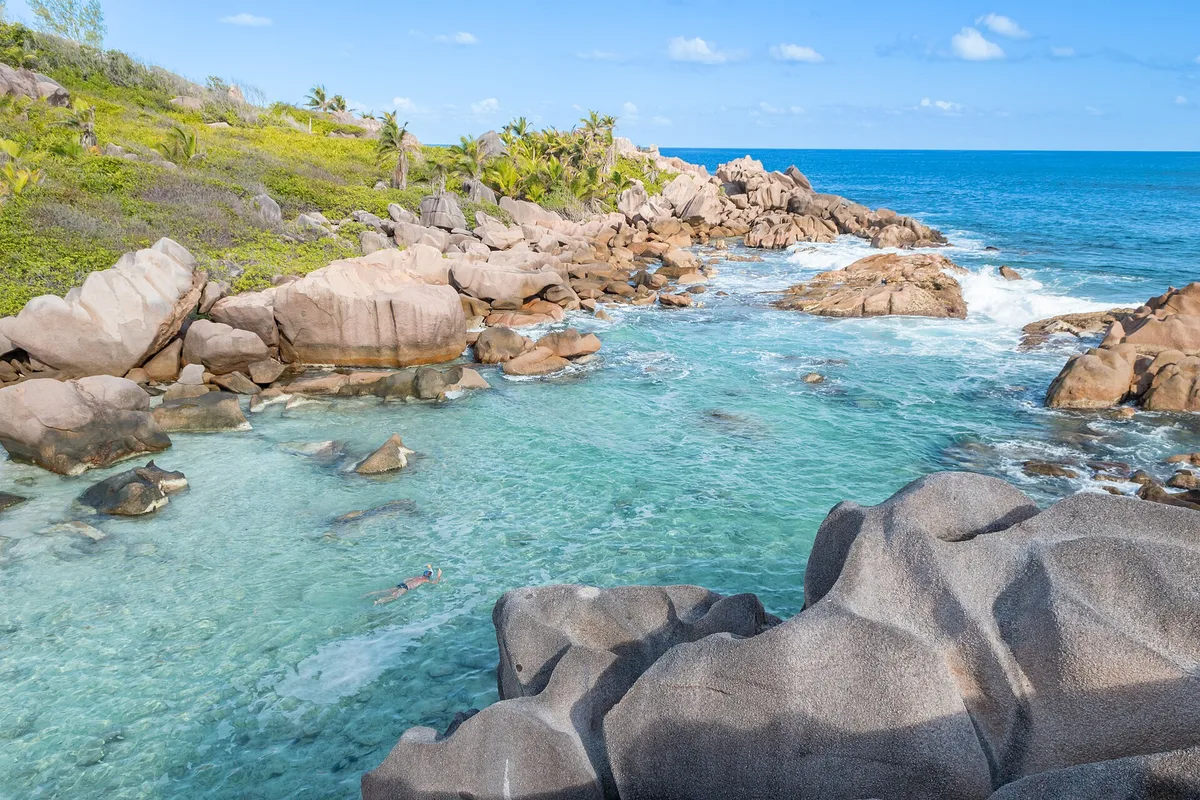
The rusted iron anchor and the granite slab field are the main draws — bring a camera and take your time reading the rock formations. Anse Banane, just 0.8km away, offers a contrasting east-coast atmosphere with its banana plantation remnant and twin granite headlands. A little further, Anse aux Cèdres is a casuarina-shaded cove on the same northeast coast, and the Veuve Nature Reserve at 2.5km protects the endemic Seychelles Paradise Flycatcher — one of the rarest birds on earth.
The rusted iron anchor half-buried in grey sand is the signature frame — position yourself low with the blue ocean behind it.
The granite slab field stretching toward the water gives you natural leading lines and raw texture that no other beach on La Digue replicates. Shoot from the upper slabs looking northeast for a wide composition that captures the full force of the coastline.
Where to eat
Chez Jules, about 0.6km away, is the closest option and serves Creole and Cajun food alongside fresh juices — a solid stop before or after the hike. Belle Vue Café and Loutier Coco are both within 2km if you want a more leisurely meal on the way back toward La Passe.
Where to stay
Chateau St. Cloud at 1.6km is the closest place to stay and suits those who want character and proximity to the northeast coast trails. Ylang Ylang and Chloe's Cottage are both around 2km away and offer quieter, more intimate options for the same stretch of La Digue.
Photography
The rusted iron anchor against the grey sand and blue ocean is the defining shot — early morning light from the east hits it directly and reduces haze. The granite slab field offers strong geometric compositions at any time of day; shoot low to exaggerate the scale of the boulders against the open ocean horizon.
Good to know
Do not enter the water — the rocky entry and unpredictable currents make swimming genuinely dangerous at this beach; this is not a judgment call. The granite slabs are slippery even when they look dry, so wear closed shoes with grip, not sandals. Mobile signal is likely absent here, so download offline maps before you leave La Passe. Dogs are welcome with no formal restrictions, but keep them on a lead near the slab edges.
GAMES
🕹️ Five minutes of sand?
Three daily games — including the UV simulator set to this beach.
Map
Nearby places
Chez Jules
Belle Vue Café
Loutier Coco
Zerof
Eau Claire de Lune
Chateau St. Cloud
Ylang Ylang
Chloe's Cottage
Pension Michel-Villa Roche Bois
Le Relax Luxury Lodge
Things to see around La Digue
Anse Banane
East-coast beach with banana plantation remnant and twin granite headlands
Anse aux Cèdres
Hidden casuarina-shaded cove on the northeast coast
Veuve Nature Reserve
Protected habitat of the endemic Seychelles Paradise Flycatcher
GIFT
🎁 Gift this beach
Its exact coastline, your date, your words — on a print or a PDF you print yourself.
Anse Fourmis Beach
THAT DAY
Anse Fourmis Beach, Seychelles Inner Islands
© OpenStreetMap contributors
Clean & decorative, or “That day” with the real sky of your date.
Shipping included 3-6 business days
A question before you order? Contact us
Delivered within minutes on the confirmation page and by email: a ZIP with all 4 print sizes (30×40 cm, 12×16″, 50×70 cm, 18×24″), each as a high-resolution PDF and PNG (300 dpi), plus a screen version. Print at home or at any print shop.
Please complete the delivery address.
Please accept the Terms of Sale.
Almost there — the shop opens very soon.
Secure payment · Printed locally in 30+ countries · 7 languages
Frequently asked
The information on this page is provided for guidance only and may evolve. Access conditions, safety and infrastructure can change without notice. Always check official sources before traveling.
Nearest beaches
Reviews of this beach
- No reviews yet, what a shame — leave yours and share your experience.
Photo credits
Sources and licenses for the photos shown above.