Starlight BeachUnited States Beach Guide
California's most remote beach rewards only the committed
About
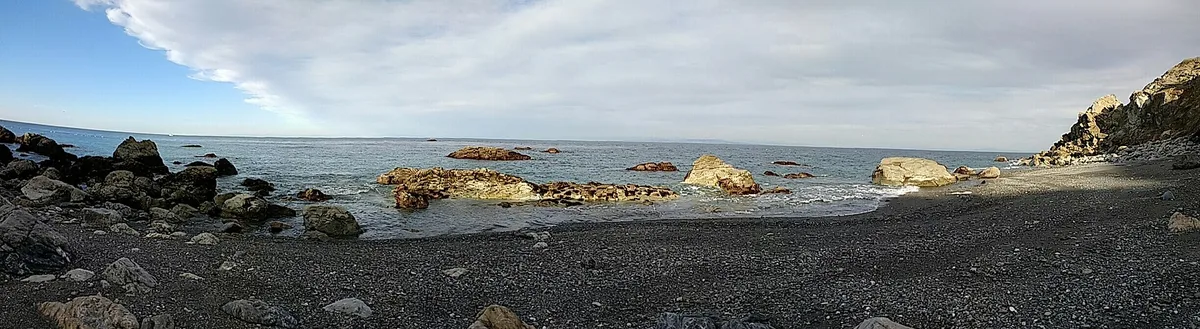
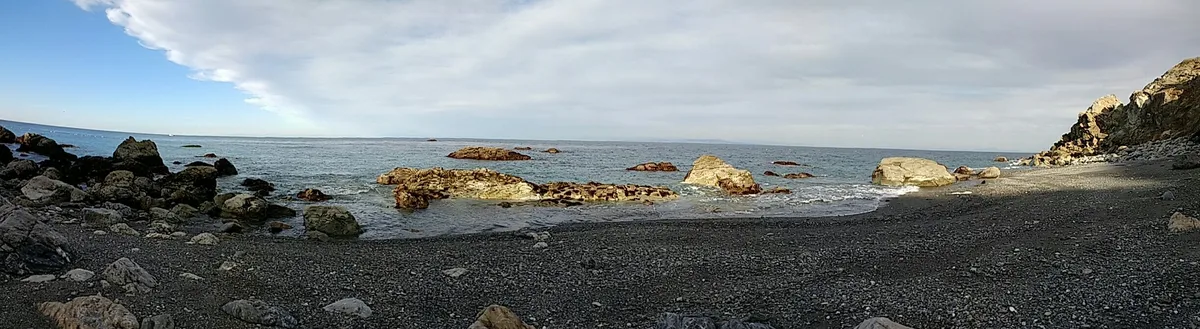
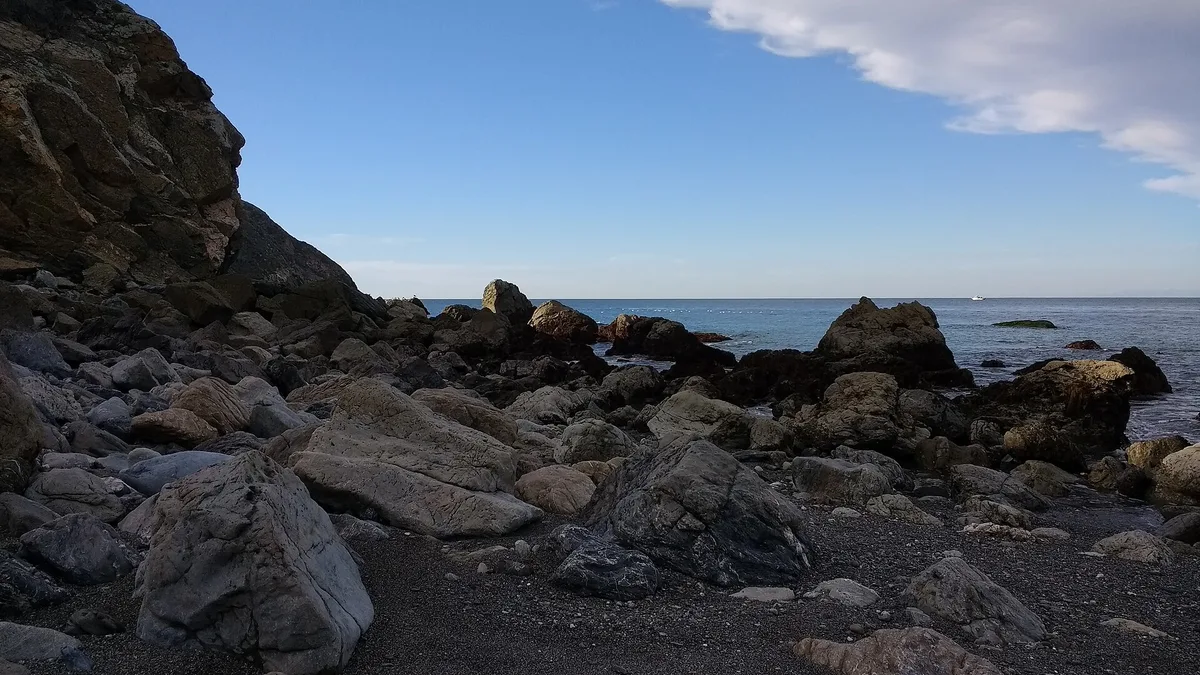
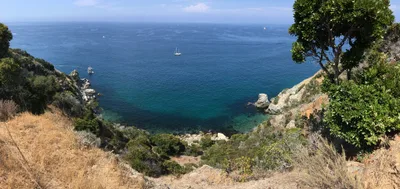
Starlight Beach sits at the far western tip of Catalina Island, a sliver of golden sand roughly 80 metres wide, backed by sheer vertical volcanic cliffs that drop straight to the shoreline. The water runs crystal clear, catching the light in ways that feel almost unreal against the dark rock walls. In summer, bioluminescent plankton light the shallows after dark — a phenomenon that draws the rare visitor who makes it this far. There are no facilities, no services, and no other people. The silence here is complete.
How to get there
Starlight Beach has no road access — you reach it either on foot or by boat, full stop. The hike follows the Trans-Catalina Trail from Two Harbors, a strenuous 14-mile round trip taking around 210 minutes each way; the trail is demanding and exposed. Alternatively, charter a boat from the Southern California mainland — the crossing takes approximately 180 minutes and is arranged on demand. There is no parking of any kind; no vehicle can reach this beach.
Who it's for
For couples
If you and your partner can handle a strenuous 14-mile hike or a 3-hour boat crossing, the reward is a beach that is almost certainly empty — golden sand, crystal-clear water, volcanic cliffs, and bioluminescence after dark. It demands effort, but the isolation is absolute.
For families
Starlight Beach is not suitable for families with young children. The 14-mile round-trip hike is strenuous, there are no facilities of any kind, swimming is dangerous, and no rescue services are available. The access alone rules it out for most family groups.
Our take
Be honest with yourself before you attempt Starlight Beach: this is a serious backcountry objective, not a scenic detour. The 14-mile round-trip hike is strenuous, there is no water on route, no rescue services exist, and the west-end exposure can make even the boat landing dangerous. Do not enter the water — swimming conditions here are dangerous. If you clear those bars, what you find is genuinely extraordinary: a small arc of golden sand beneath volcanic cliffs, crystal-clear water, and in summer, bioluminescence that lights the shoreline after dark. It is one of the most isolated beaches on the California coast, and it earns that status. Come in June through September, carry a satellite communicator, and treat every safety warning on this page as a hard rule, not a suggestion.
What to do
The Trans-Catalina Trail terminates right at Starlight Beach, and the final section of that 38.5-mile end-to-end route is the main reason most visitors come. About 4.5 miles back along the trail, Parsons Landing offers primitive camping with lean-to shelters — the last stopping point before Starlight, and a logical overnight base. Spring Landing and Ribbon Beach lie within 3 kilometres of the trailhead area, offering additional coastal scenery along the route. The bioluminescent plankton display on summer nights is the single most extraordinary thing the beach offers — plan to be here after dark if conditions allow.
The vertical volcanic cliffs framing the golden sand from the waterline are the defining shot — arrive in late afternoon for warm directional light against the dark rock.
The bioluminescent shoreline on a moonless summer night is the other unmissable frame, though it requires a tripod and long exposure to capture properly.
Where to eat
There are no food vendors, cafés, or restaurants at Starlight Beach or anywhere near it. The closest settlement is Two Harbors, roughly 9 kilometres away, which serves as the trailhead. Bring everything you need — treat this like a backcountry expedition, not a day at the beach.
Where to stay
There is no accommodation at Starlight Beach itself. Parsons Landing, approximately 4.5 miles back along the Trans-Catalina Trail, has primitive lean-to shelters for those with camping permits. Two Harbors, about 11 kilometres from the beach, is the nearest settlement with any services.
Photography
The vertical volcanic cliff backdrop makes the strongest compositional frame — shoot from the waterline looking back toward the cliffs in the late afternoon when the golden sand catches warm directional light. For the bioluminescence, come on a dark summer night with no moon and use a long exposure; the glow appears at the water's edge where the plankton are disturbed.
Good to know
A Catalina Island Conservancy permit may be required for any overnight stay — confirm this before you go. Pack out every piece of trash you bring in, and no fires are permitted under any circumstances. The west-end exposure makes kayak or boat landing genuinely dangerous in any swell above two feet, so check NOAA forecasts before you attempt the crossing or the hike. There is no water source at the beach — carry all the water you need for the full 14-mile round trip — and no rescue services operate here, so bring a satellite communicator. This is a digital-detox destination in the truest sense: cell signal fades, there is nowhere to plug anything in, and that is entirely the point.
GAMES
🕹️ Five minutes of sand?
Three daily games — including the UV simulator set to this beach.
Map
Nearby places
Spring Landing
Ribbon Beach
Things to see around Two Harbors
Trans-Catalina Trail
38.5-mile end-to-end trail terminating at Parsons Landing.
Parsons Landing
Primitive campsite beach with lean-to shelters, the last stop before Starlight Beach on the trail.
Two Harbors
The island's second settlement and trailhead for the west-end section of the Trans-Catalina Trail.
GIFT
🎁 Gift this beach
Its exact coastline, your date, your words — on a print or a PDF you print yourself.
Starlight Beach
THAT DAY
Starlight Beach, California Islands
© OpenStreetMap contributors
Clean & decorative, or “That day” with the real sky of your date.
Shipping included 3-6 business days
A question before you order? Contact us
Delivered within minutes on the confirmation page and by email: a ZIP with all 4 print sizes (30×40 cm, 12×16″, 50×70 cm, 18×24″), each as a high-resolution PDF and PNG (300 dpi), plus a screen version. Print at home or at any print shop.
Please complete the delivery address.
Please accept the Terms of Sale.
Almost there — the shop opens very soon.
Secure payment · Printed locally in 30+ countries · 7 languages
Frequently asked
The information on this page is provided for guidance only and may evolve. Access conditions, safety and infrastructure can change without notice. Always check official sources before traveling.
Nearest beaches

Other wild beaches in United States
Reviews of this beach
- No reviews yet, what a shame — leave yours and share your experience.
Photo credits
Sources and licenses for the photos shown above.
- Photo 1 — Chris Hunkeler from Carlsbad, California, USA · source · CC BY-SA 2.0
- Photo 2 — Chris Hunkeler · source · CC BY-SA 2.0
- Photo 3 — Chris Hunkeler from Carlsbad, California, USA · source · CC BY-SA 2.0