Cherry Cove BeachUnited States Beach Guide
Remote kelp-forest cove where science meets wild California sea
About
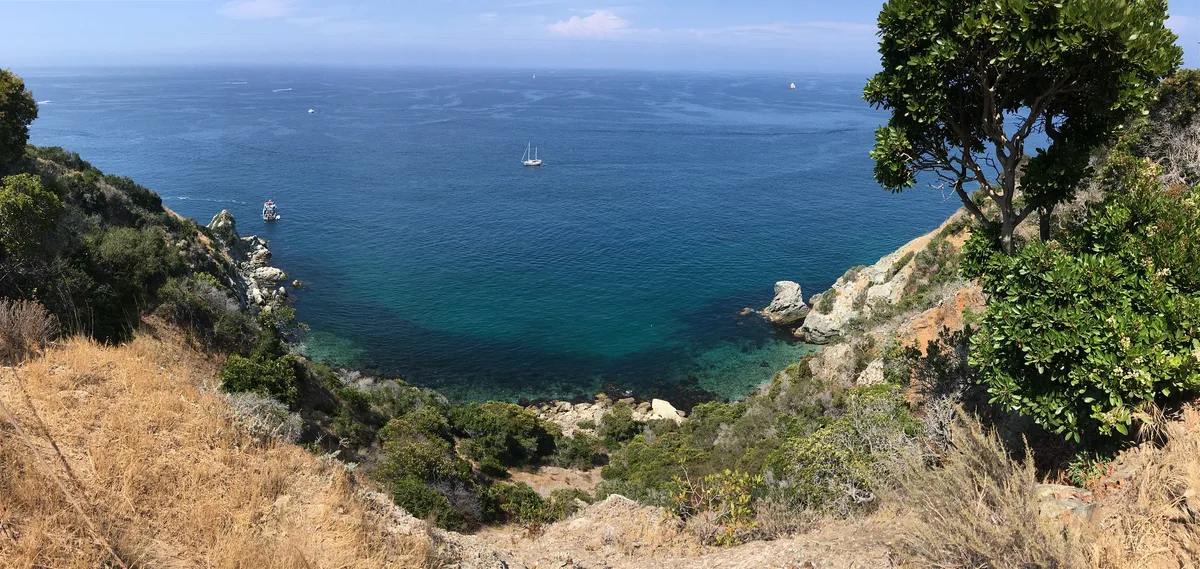
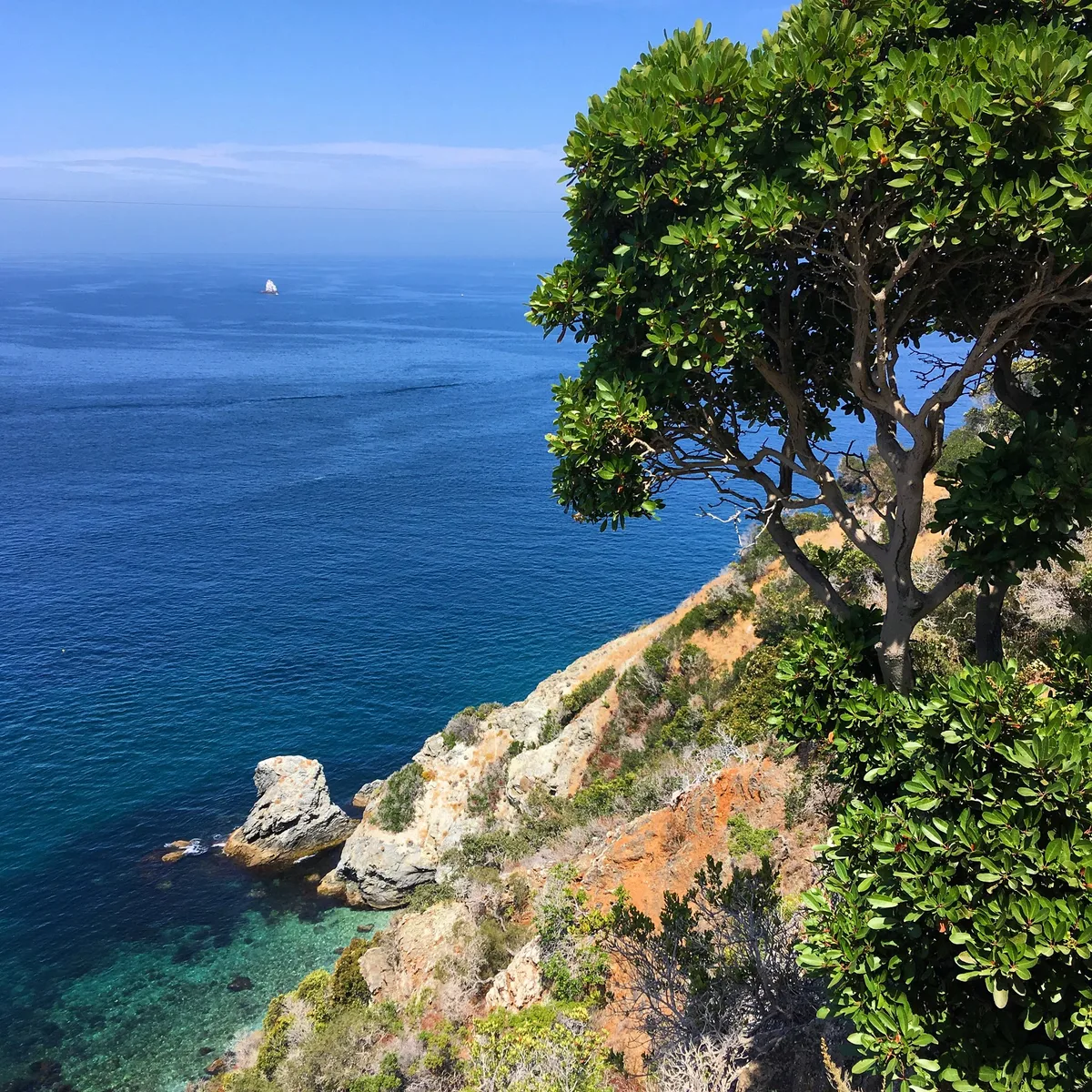
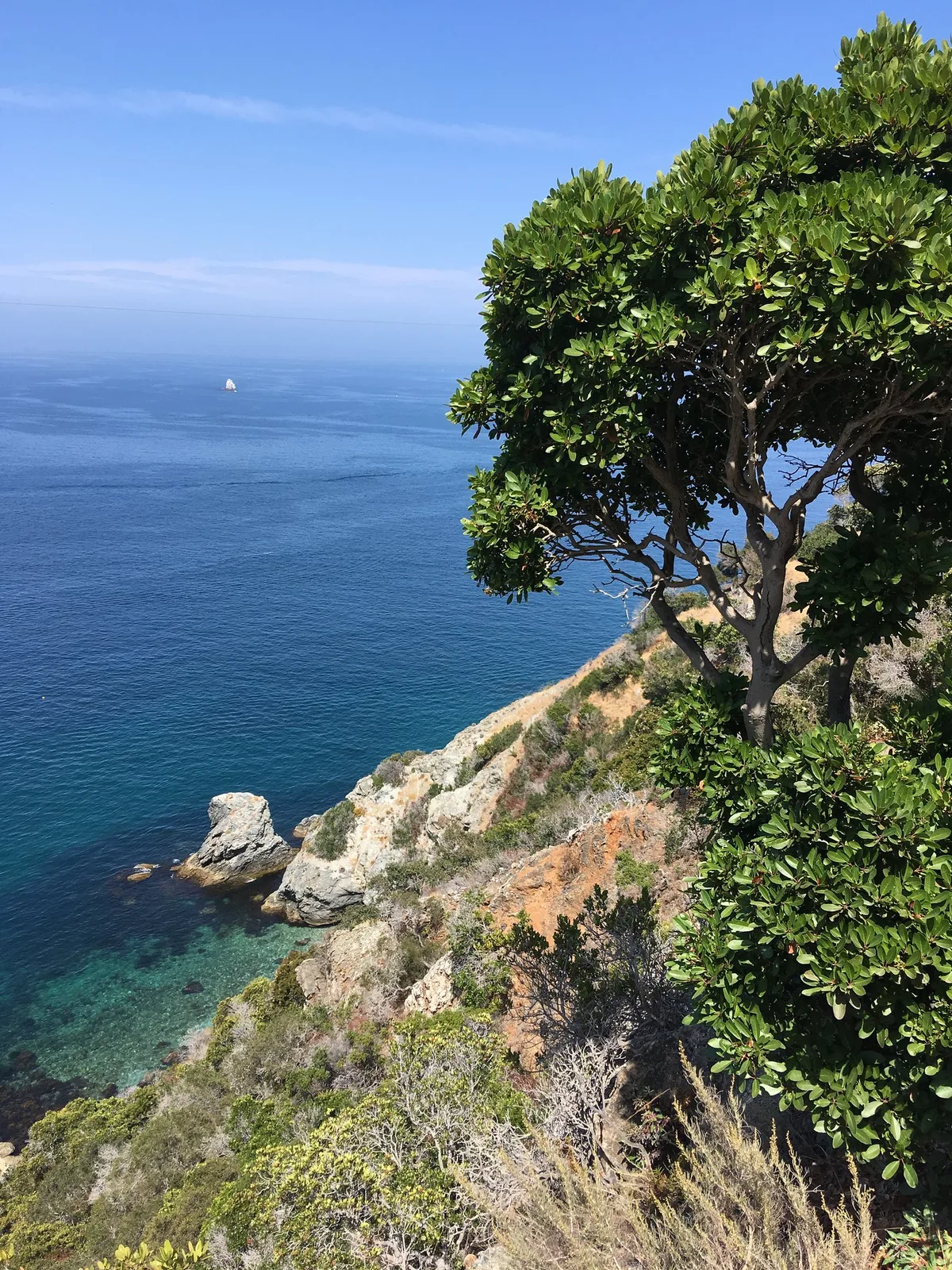
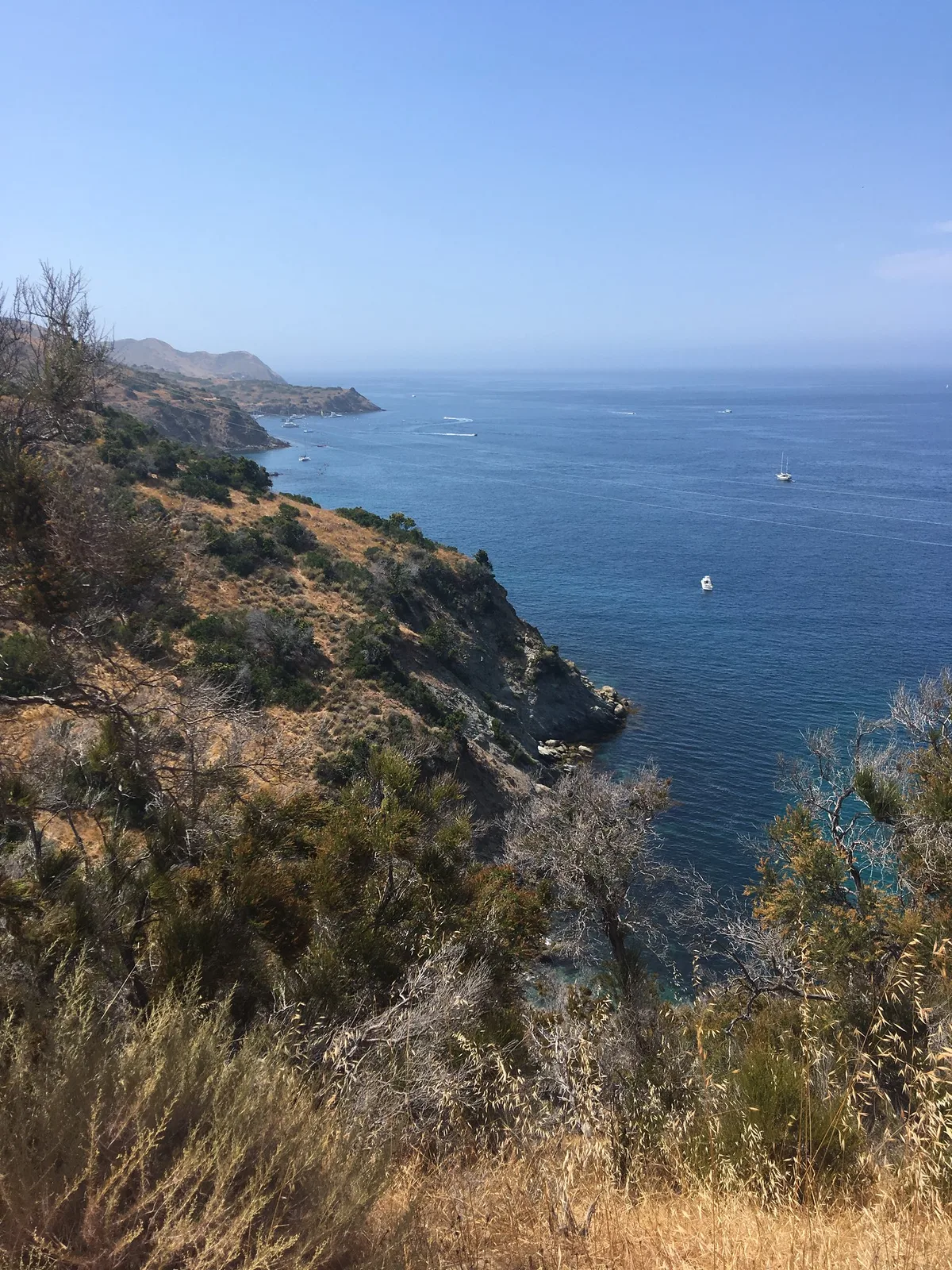
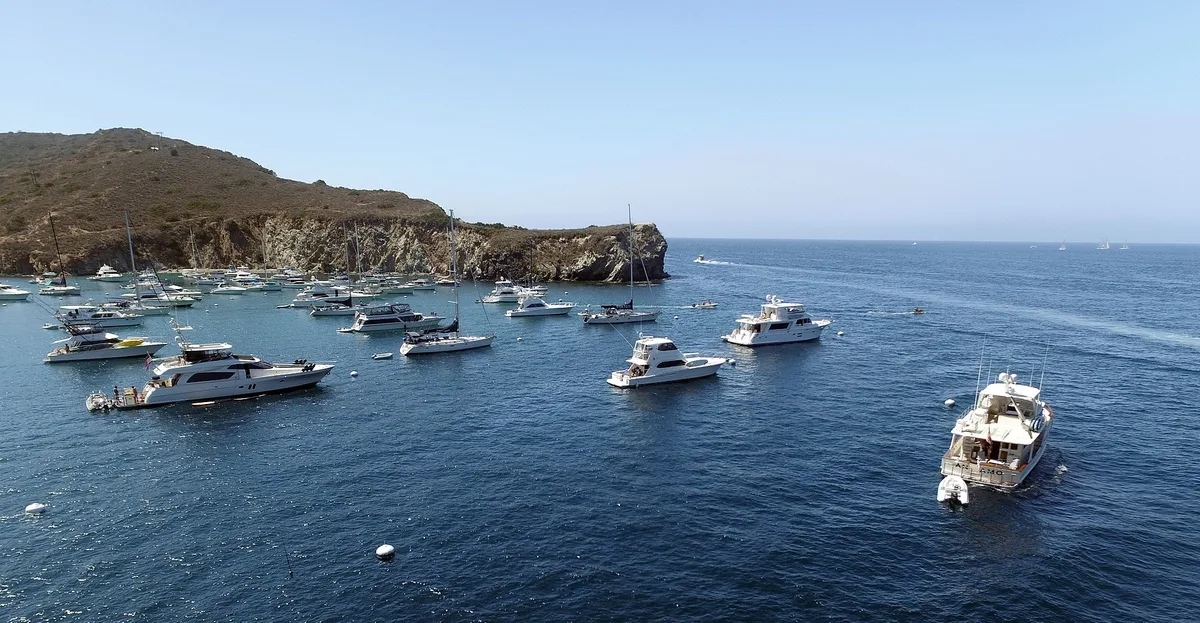
Cherry Cove sits on the north coast of Catalina Island, a compact stretch of mixed sand backed by the kind of silence you have to earn. The water runs emerald where healthy kelp forests sway just offshore, visible from the shoreline even before you pull on a mask. Adjacent to the USC Wrigley Marine Science Center, this cove operates on a different frequency to the island's busier southern beaches — researchers may be diving nearby, and the marine life here reflects that protection. No facilities, no road, no footpath: just raw Channel Islands coastline and the occasional research vessel at anchor.
How to get there
Cherry Cove is reachable by boat only — there is no road, no trail, and no land access of any kind. The fastest route is a roughly 20-minute on-demand boat trip from Two Harbors; from the Southern California mainland, allow around two hours by boat. Kayakers can also approach from Two Harbors. Long Beach International Airport (LGB) is the nearest major gateway, approximately 52.5 km away, from which you'll need to connect to a ferry or charter service.
Who it's for
For couples
Cherry Cove rewards couples who are happy to share a boat ride to somewhere genuinely off the map — the isolation, the emerald water, and the absence of any commercial noise make for an unusually quiet day together.
For families
The boat-only access, lack of facilities, afternoon wind chop, and absence of rescue services make Cherry Cove a poor fit for families with young children — this one is better suited to older kids who are confident in open water and comfortable with a self-sufficient day out.
Our take
Cherry Cove is not a beach you stumble onto. You have to want it — book the boat, accept the lack of facilities, and respect the fact that a research institution is your nearest neighbour. The payoff is real: emerald water over a kelp forest that most California beachgoers will never see up close, and a north-coast silence that feels genuinely earned. Come between June and September, arrive early before the northwest wind builds, and dive with a buddy — there are no rescue services here and the kelp doesn't care how experienced you think you are. Skip November through February entirely; winter swells make this north-facing cove exposed and conditions poor. If you're after a managed beach experience, look elsewhere. If you want one of the Channel Islands' most intact marine environments with almost no one else around, this is it.
What to do
The kelp forest is the main event — snorkeling and diving here, with seasonal research dive activity as a backdrop, puts you inside one of Southern California's healthiest marine ecosystems. A short distance away, Lion Head offers a striking geological landmark worth exploring if you have a kayak or tender. Howlands Landing, about 1.5 km along the north coast, has a kayak launch pier and is worth a paddle if conditions allow. Two Harbors village, roughly 2 km away, has a dive shop where you can top up tanks or get local conditions advice before heading out.
The kelp canopy seen through emerald water from the shoreline — especially at low tide when the fronds break the surface — is the defining image of Cherry Cove.
The USC Wrigley Marine Science Center framed against the raw north-coast cliffs offers a rarer shot that captures the cove's unusual identity as both wild beach and working science station.
Where to eat
There are no food facilities at Cherry Cove itself, so pack everything you need before you leave the mainland or Two Harbors. Harbor Reef Restaurant, about 1.5 km away in the Two Harbors area, is the practical option for a meal before or after your visit — plan your timing around boat departures.
Where to stay
Camp Cherry Valley sits just 0.3 km from the cove and earns strong reviews (4.8/5 from 118 reviews), making it the closest and most characterful base for an overnight stay. Banning House of Two Harbors, about 1.5 km away, offers several room categories including ocean-view options, a spa bath suite, and rooms with private balconies — a more comfortable alternative if camping isn't your style.
Photography
The best shots come in the morning when low-angle light catches the emerald water and kelp canopy just below the surface — position yourself at the waterline looking out toward the forest. The USC Wrigley Marine Science Center buildings framing the wild north-coast shoreline make for a compelling contrast between human science and raw landscape.
Good to know
North-facing exposure means afternoon northwest winds can kick up significant chop — plan to arrive in the morning and be ready to leave before conditions deteriorate. There are no rescue services in this area, so self-sufficiency is non-negotiable. Kelp can entangle divers quickly; always dive with a buddy and never alone. Respect any active USC research operations you encounter, do not collect marine life of any kind, and if you're anchoring, do so carefully to avoid damaging the kelp — it's the whole reason this place is worth visiting. True digital-detox territory: bring offline reading, because cell signal fades and there's nowhere to plug anything in.
GAMES
🕹️ Five minutes of sand?
Three daily games — including the UV simulator set to this beach.
Map
Nearby places
Harbor Reef Restaurant
Camp Cherry Valley
Banning House of Two Harbors - Superior Ocean View King Room with Sofabed
Banning House of Two Harbors - Premium King Room with Spa Bath and Fireplace
Banning House of Two Harbors - Standard Queen Room with Ocean View
Banning House of Two Harbors - Superior Ocean View Queen Room with Private Balcony
Lion Head
Things to see around Two Harbors
USC Wrigley Marine Science Center
University of Southern California marine research station on the north coast of Catalina.
Howlands Landing
North-coast cove with Boy Scout camp and kayak launch pier.
Two Harbors
The island's second settlement with general store, dive shop, and ferry pier.
GIFT
🎁 Gift this beach
Its exact coastline, your date, your words — on a print or a PDF you print yourself.
Cherry Cove Beach
THAT DAY
Cherry Cove Beach, California Islands
© OpenStreetMap contributors
Clean & decorative, or “That day” with the real sky of your date.
Shipping included 3-6 business days
A question before you order? Contact us
Delivered within minutes on the confirmation page and by email: a ZIP with all 4 print sizes (30×40 cm, 12×16″, 50×70 cm, 18×24″), each as a high-resolution PDF and PNG (300 dpi), plus a screen version. Print at home or at any print shop.
Please complete the delivery address.
Please accept the Terms of Sale.
Almost there — the shop opens very soon.
Secure payment · Printed locally in 30+ countries · 7 languages
Frequently asked
The information on this page is provided for guidance only and may evolve. Access conditions, safety and infrastructure can change without notice. Always check official sources before traveling.
Nearest beaches


Other wild beaches in United States
Reviews of this beach
- No reviews yet, what a shame — leave yours and share your experience.