Pepino BeachBrazil Beach Guide
Wild golden sands reached only by ferry from Rio
About
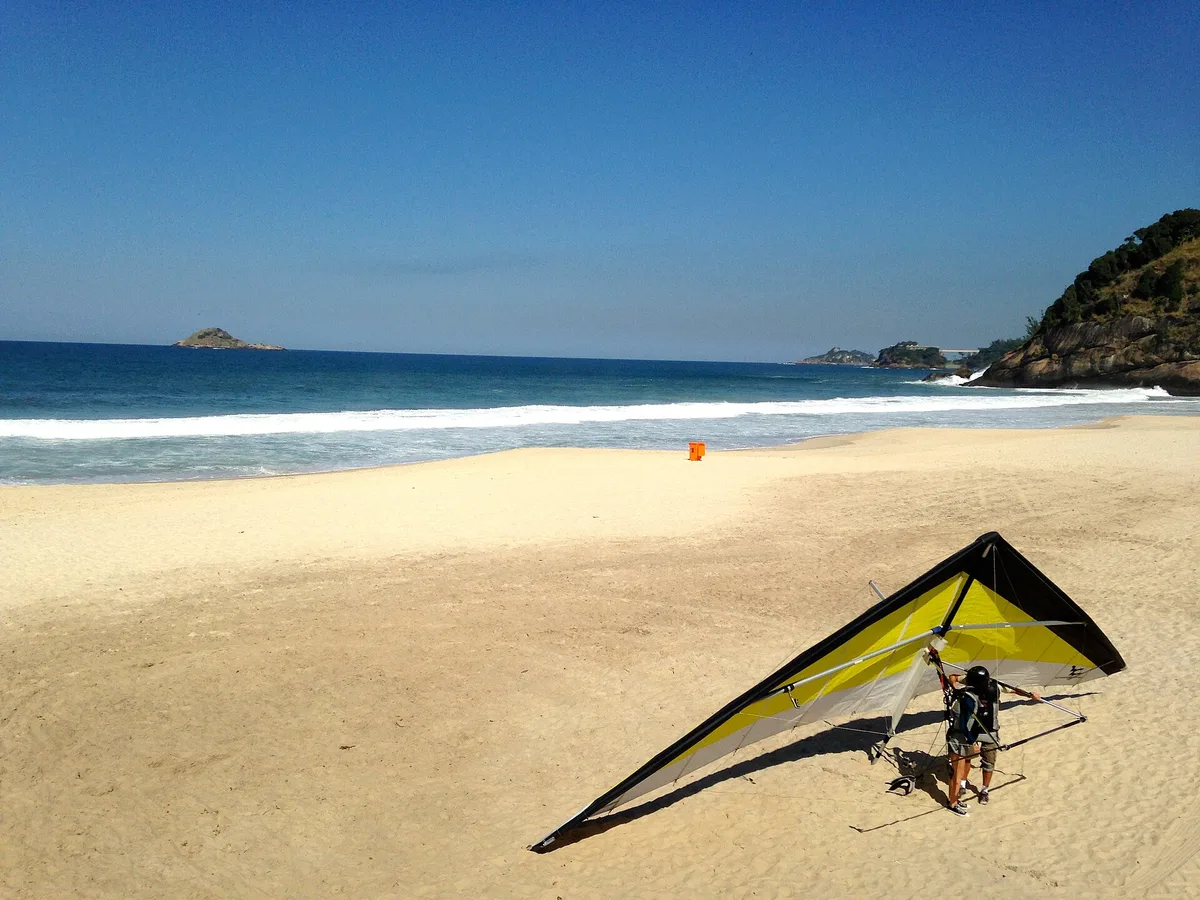
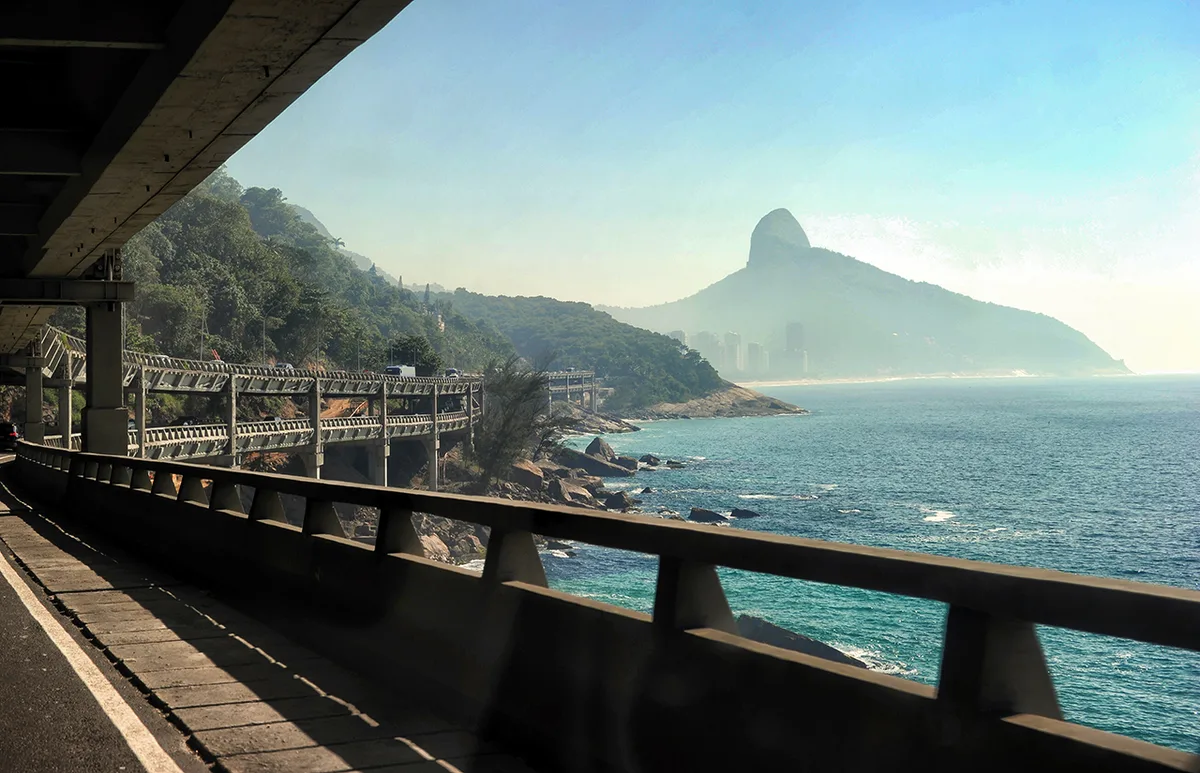
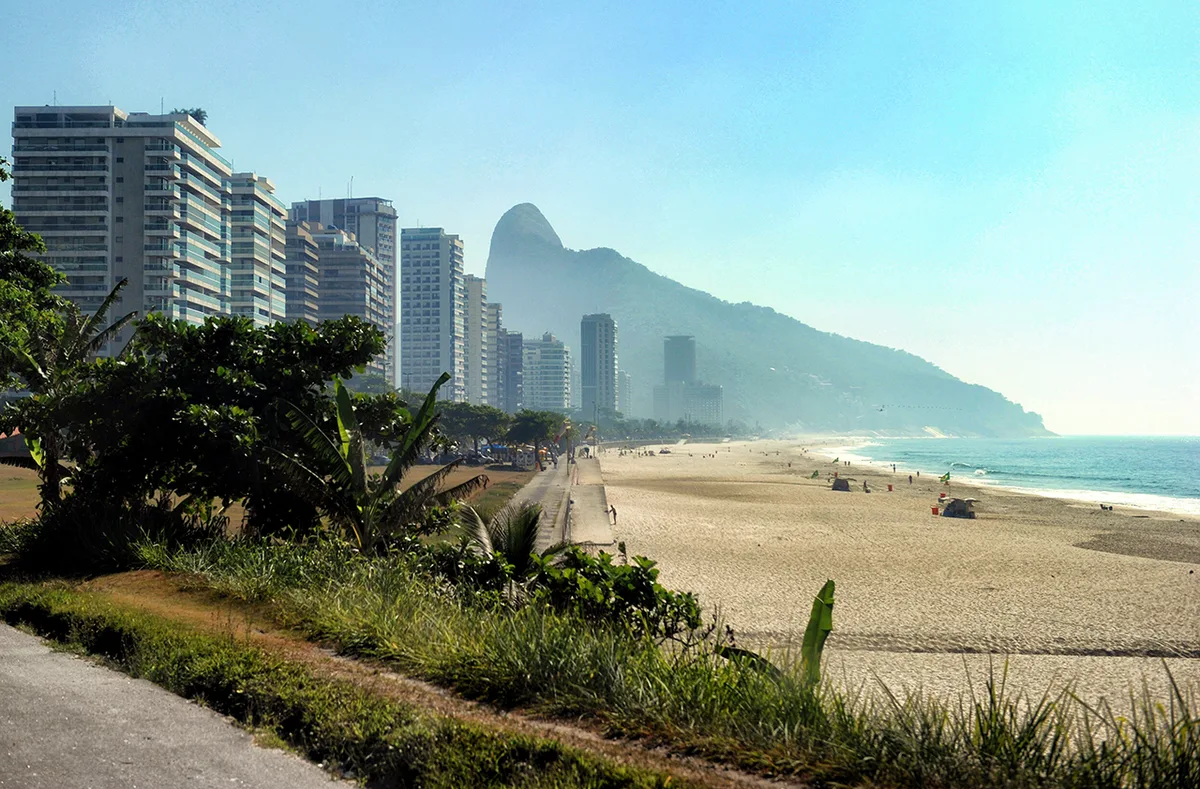
Praia do Pepino sits on the Atlantic coast of Rio de Janeiro, accessible only by water — no road reaches it, and that isolation is exactly its appeal. Golden sand meets open blue water under a tropical sky, with the wild, unmanicured energy that comes from a beach the daytrippers rarely bother to reach. The hang-gliding tag is no accident: this stretch of coast sits within the dramatic topography that makes Rio's surroundings so striking. Come with local knowledge, a sense of adventure, and no expectations of resort infrastructure.
How to get there
Reach Praia do Pepino exclusively by ferry — there is no road access and no vehicle parking on the beach side whatsoever. Ferries are operated by Barcas Rio and the crossing takes approximately 20 minutes. The nearest major transport hub is Santos Dumont Airport (SDU), roughly 15 km away, so plan your landside journey to the embarkation point accordingly. No entry fee is documented in available sources.
Who it's for
For couples
The boat-only access and wild, quiet atmosphere make this a genuinely off-grid escape for two — no infrastructure, no noise, just golden sand and open blue water with the city left behind on the other shore.
For families
The ferry journey is short at 20 minutes and manageable for older children, but the lack of any on-beach services, lifeguards, or shade structures means families need to be well-prepared and self-sufficient — this is not a beach with safety nets built in.
Our take
Praia do Pepino earns its wild tag honestly. No road, no parking, no beach bars — just a 20-minute Barcas Rio ferry ride separating you from one of Rio's most genuinely isolated stretches of golden sand. The hang-gliding association hints at the dramatic coastal geography surrounding it. Dry season, May through October, is when you want to be here — the wet season brings real tropical rain and unpredictable sea conditions on this exposed Atlantic coast. Go with local knowledge, go prepared, and go early to make the most of the crossing. It's not for visitors who want convenience; it's for those who want the real thing.
What to do
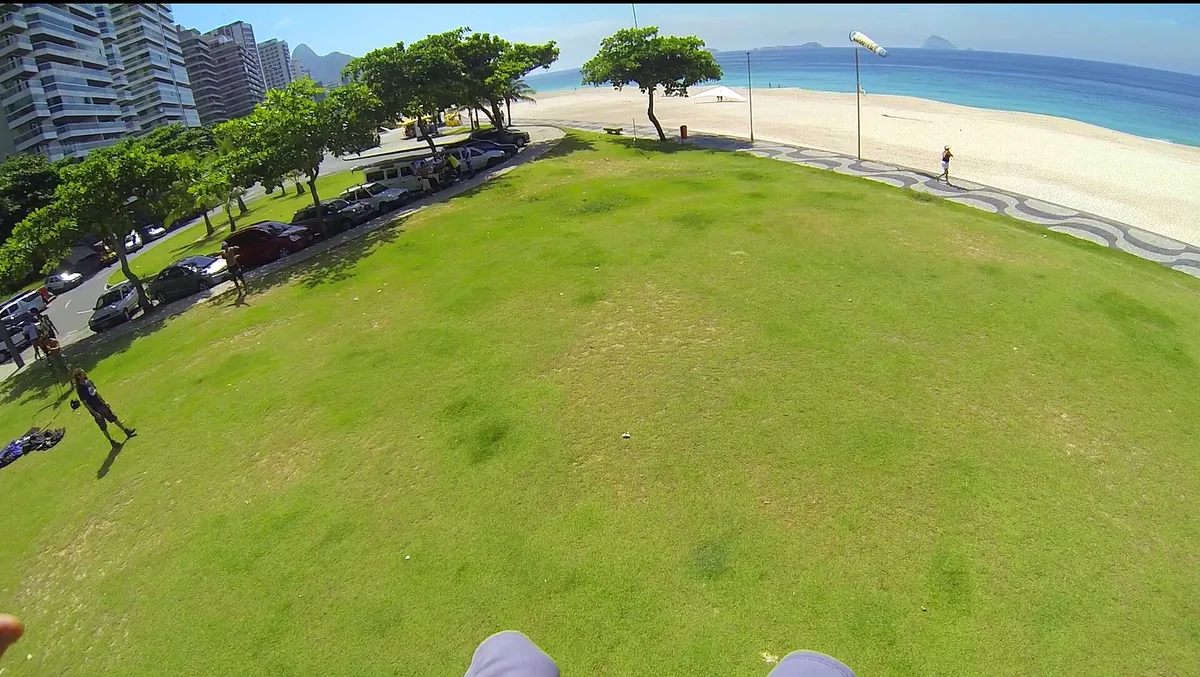
Hang-gliding is the standout activity associated with this stretch of Rio's coast, drawing adventure-seekers who want the aerial perspective over golden sand and blue Atlantic water. The beach rewards those who simply want to be left alone — no vendors, no infrastructure, just open coast. Bring a paddleboard or snorkel gear from the city side if you want to make the most of the water. The ferry crossing itself, with views of Rio's dramatic landscape, is part of the experience.
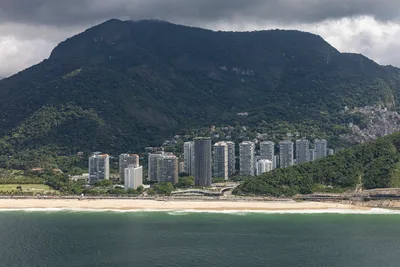
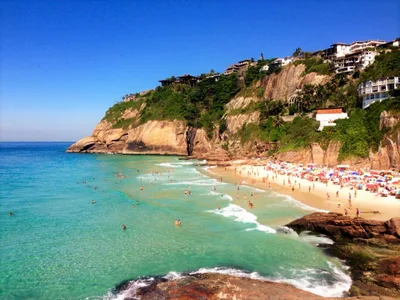
The ferry arrival angle — golden sand curving against open blue water with Rio's hills as a backdrop — is the defining shot.
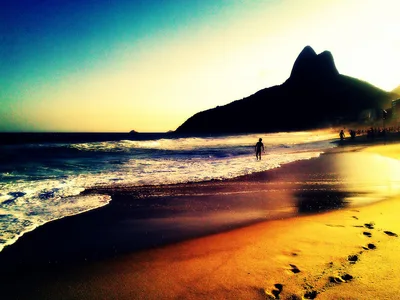
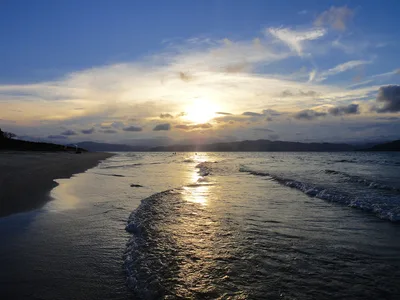
Further along the beach, the wild, undeveloped shoreline with no buildings in frame gives a rare sense of untouched Atlantic coast that reads strikingly on camera.
Where to eat
There are no restaurants on the beach itself — pack your own supplies before boarding the ferry. The nearest dining options are back on the city side: Chez L'ami Martin is about 1.4 km from the embarkation area, and Pipo is roughly 1.5 km away. Pizza Rio is a further option at around 2.4 km if you want something quick after the return crossing.
Where to stay
There is no accommodation on the beach — it's a day-trip destination only. The closest listed option is Marbella Barra, approximately 3 km from the ferry side, which puts you within easy reach of the morning departures. Book ahead during the dry season (May–October) when demand for Rio-area stays is higher.
Photography
The best shots come from the water's edge at low sun angles — early morning light on the golden sand with the blue Atlantic behind you is the cleanest composition available. The ferry approach also offers a rare perspective: the beach framed by Rio's coastal topography, worth having your camera ready before you disembark.
Good to know
Because this beach has no road connection, bring everything you need — food, water, sun protection — before you board the ferry. The tropical climate means the wet season runs November through April, with heavy rain and rougher conditions; the dry season from May to October is far more reliable for a visit. Local knowledge matters here: conditions can shift quickly on an exposed Atlantic coast, so ask ferry operators about current sea state before you go. The wild vibe is real — do not assume lifeguard cover or on-beach services exist.
GAMES
🕹️ Five minutes of sand?
Three daily games — including the UV simulator set to this beach.
Map
Nearby places
Marbella Barra
GIFT
🎁 Gift this beach
Its exact coastline, your date, your words — on a print or a PDF you print yourself.
Pepino Beach
THAT DAY
Pepino Beach, Brazilian Atlantic
© OpenStreetMap contributors
Clean & decorative, or “That day” with the real sky of your date.
Shipping included 3-6 business days
A question before you order? Contact us
Delivered within minutes on the confirmation page and by email: a ZIP with all 4 print sizes (30×40 cm, 12×16″, 50×70 cm, 18×24″), each as a high-resolution PDF and PNG (300 dpi), plus a screen version. Print at home or at any print shop.
Please complete the delivery address.
Please accept the Terms of Sale.
Almost there — the shop opens very soon.
Secure payment · Printed locally in 30+ countries · 7 languages
Frequently asked
The information on this page is provided for guidance only and may evolve. Access conditions, safety and infrastructure can change without notice. Always check official sources before traveling.
Nearest beaches

Other wild beaches in Brazil
More beaches in Brazilian Atlantic
Reviews of this beach
- No reviews yet, what a shame — leave yours and share your experience.