Ipanema BeachBrazil Beach Guide
Rio's golden icon — lively, social, and unmistakably Brazilian
About
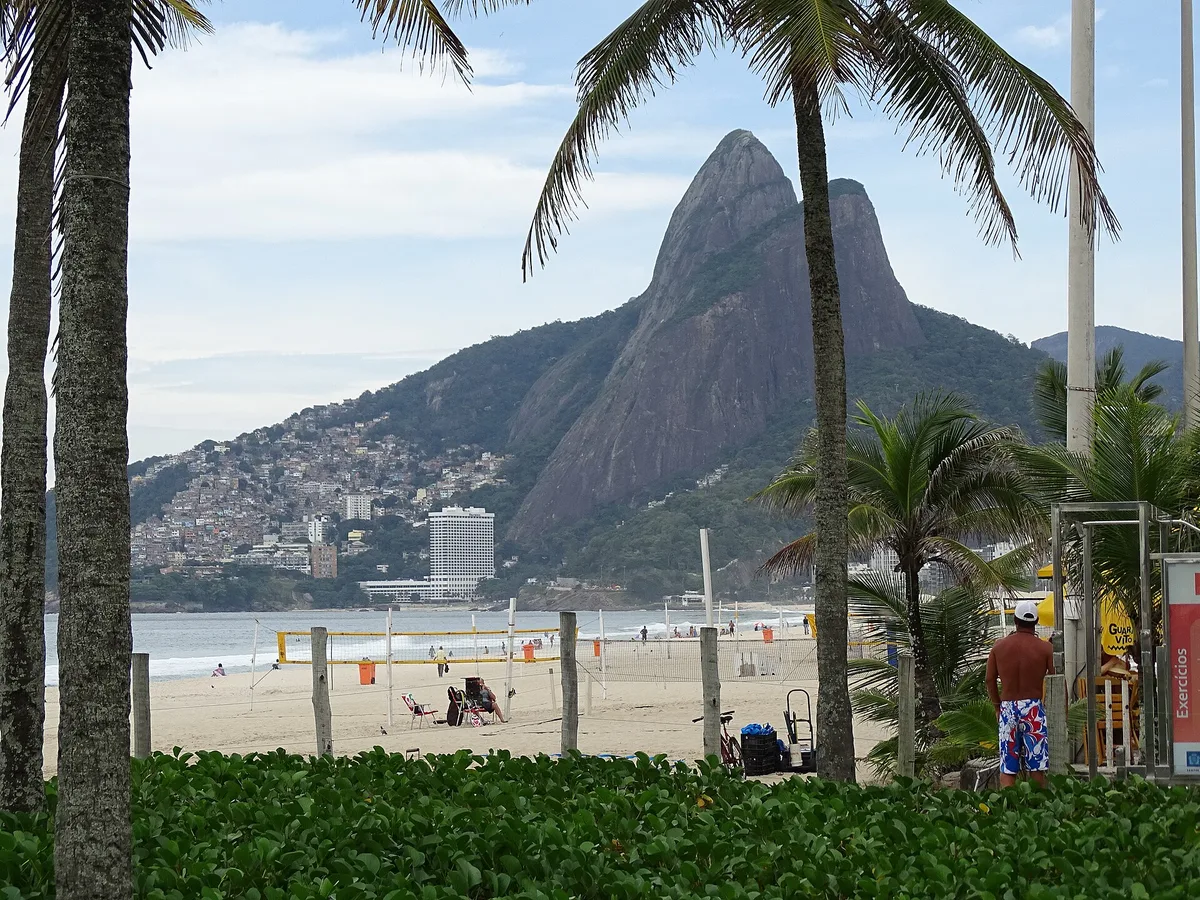
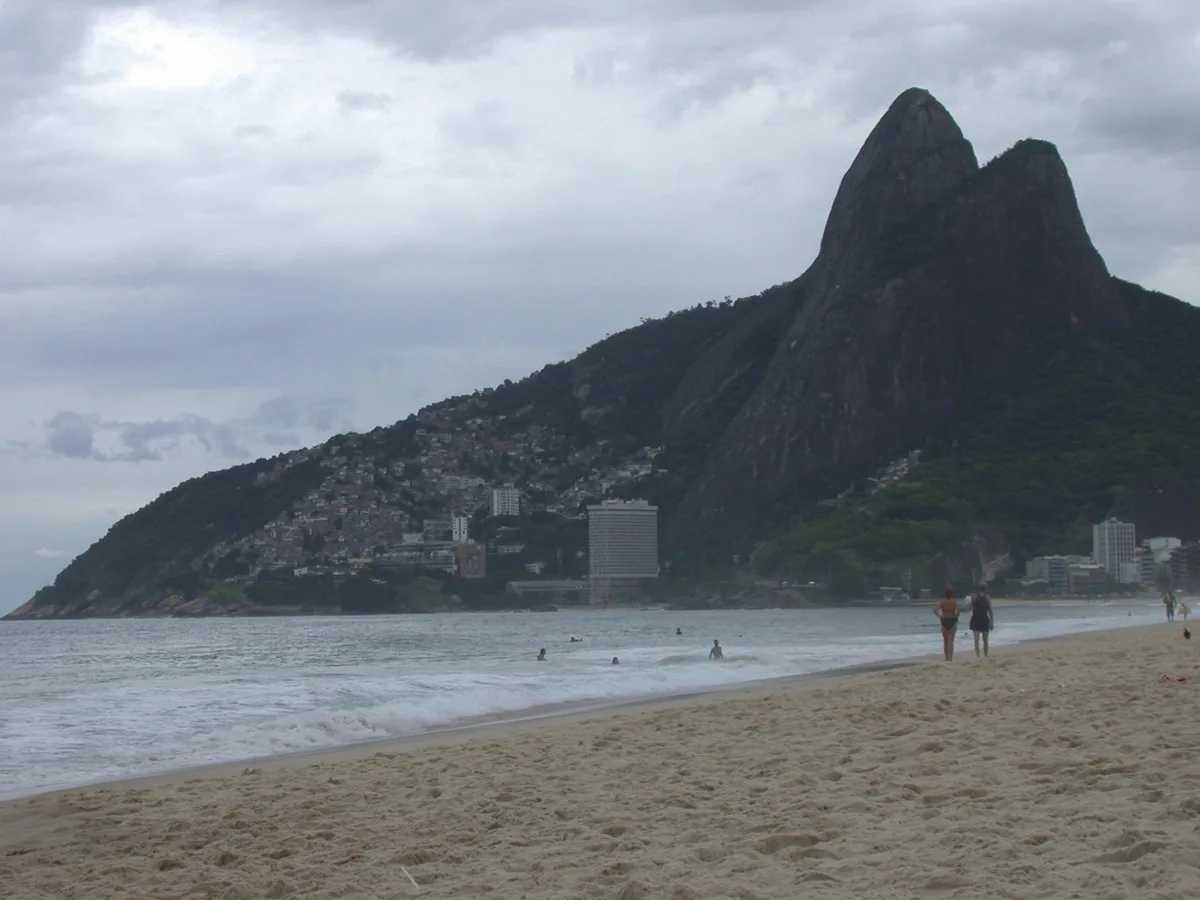
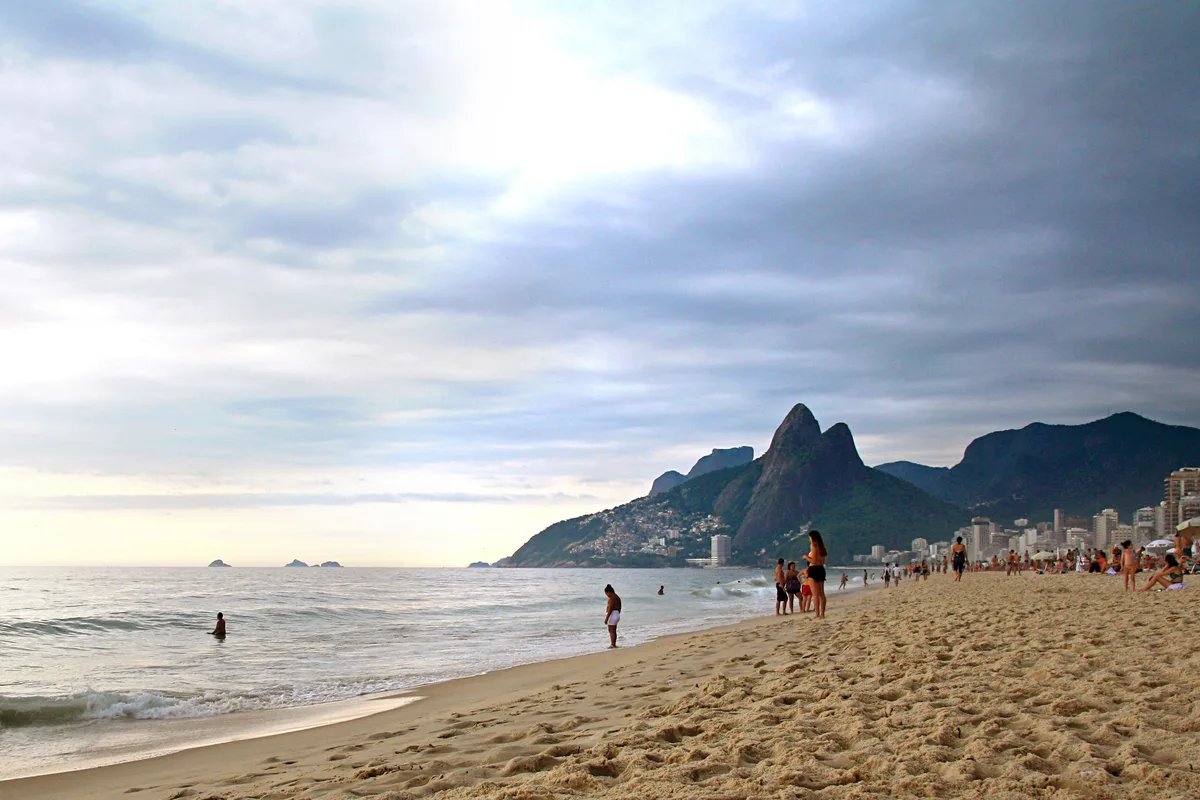
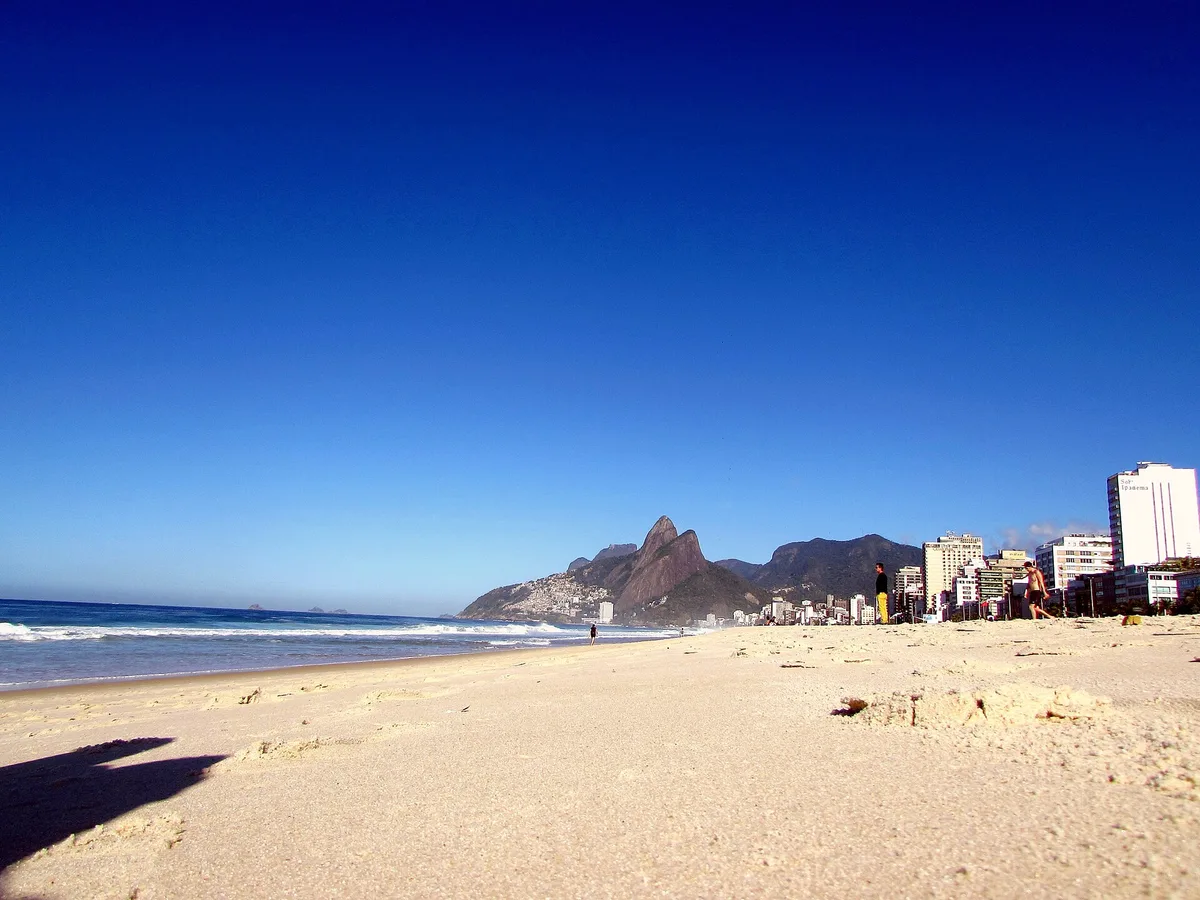
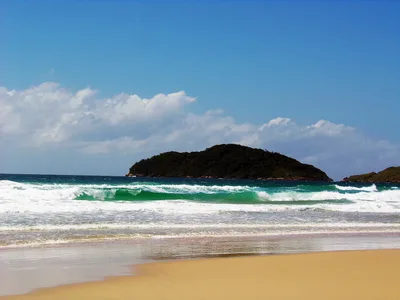
Praia de Ipanema stretches along Rio de Janeiro's Atlantic coast, its golden sand meeting blue ocean water under a wide southern sky. The beach pulses with energy — volleyball nets, vendors, capoeira circles, and the steady rhythm of carioca life. It's one of Brazil's most iconic urban beaches, tagged as LGBTQ+ friendly and famous for its social scene, particularly around sunset. The atmosphere is lively from morning to dusk, drawing locals and visitors alike to its golden shore. Ilha dos Caiçaras sits offshore, adding a natural focal point to the blue horizon.
How to get there
Ipanema is easy to reach by metro — hop off at General Osório Station (13 minutes, trains every 5 minutes) or Nossa Senhora da Paz Station (5 minutes). Buses connect from various points across Rio, and taxis or rideshares drop you directly to the beachfront on demand. Cycling is a solid option via Rio's cycle path network, and if you're staying in an adjacent neighborhood, it's walkable. Parking is available in a mix of private lots (roughly R$10–32) and street spots with city hall tickets (around R$5–10); free street parking can sometimes be found near the lagoon.
Who it's for
For couples
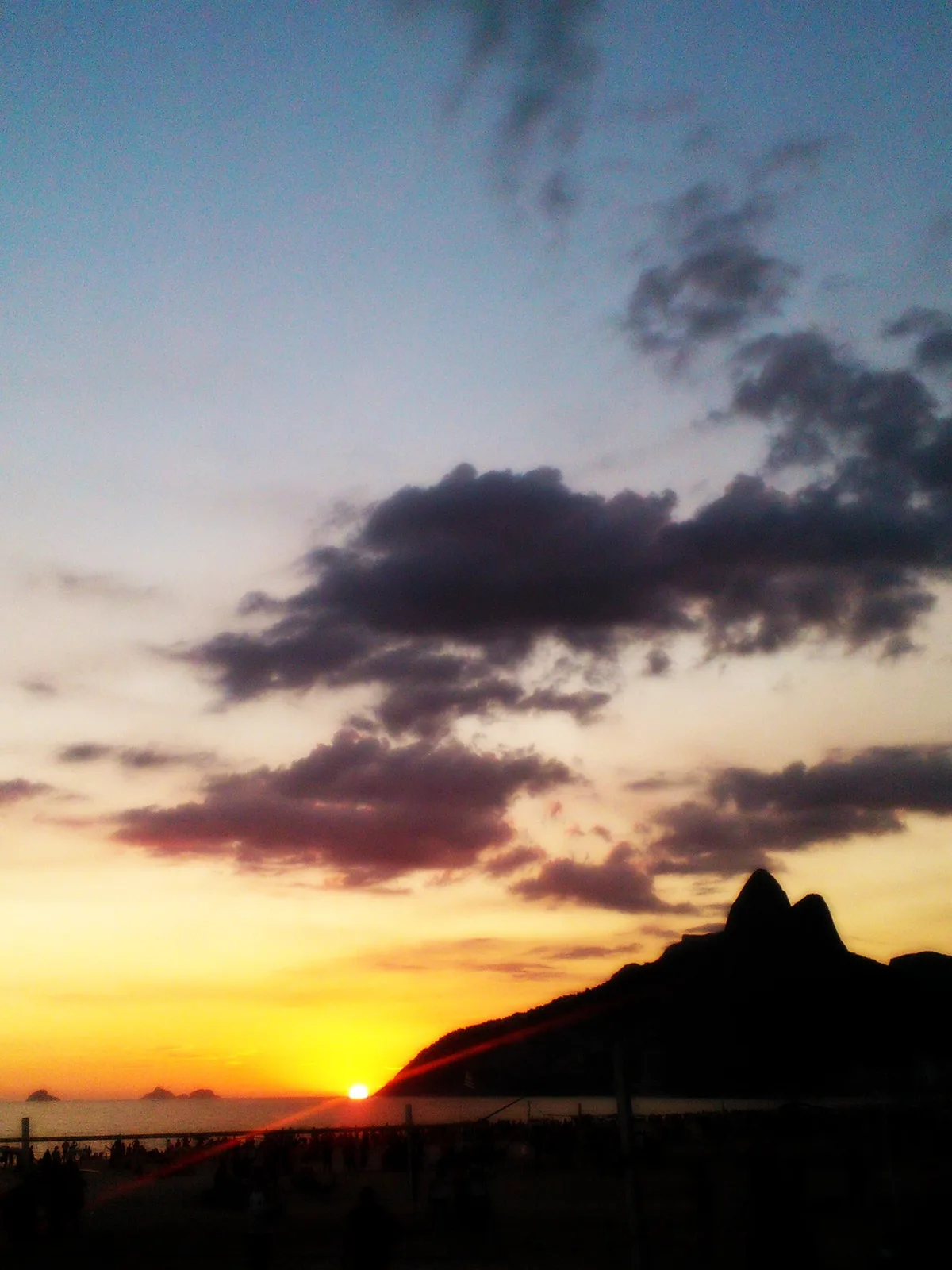
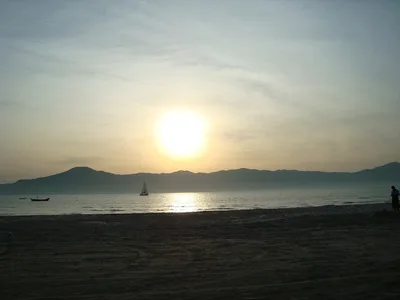
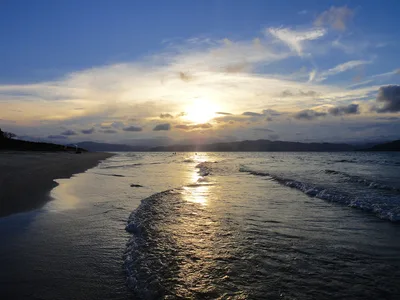
Ipanema's sunset is genuinely one of Rio's great shared moments — the golden sand catches the last light beautifully, and the relaxed social energy makes it easy to linger well into the evening.
For families
The beach is accessible and lively, but families should stay close to staffed lifeguard posts and check flags carefully — strong shore break and variable water quality mean younger swimmers need close supervision at all times.
Our take
Ipanema earns its reputation — this is one of the world's great urban beaches, and the golden sand, blue Atlantic, and electric social scene deliver exactly what the postcard promises. That said, go in with clear eyes: water quality after rain is a real issue, the shore break demands respect, and you must follow lifeguard flags without exception. The dry season window from May to October is when the beach is at its best — calmer water, lower rainfall, and reliable sunshine. It's LGBTQ+ friendly, socially open, and genuinely welcoming to solo travelers and couples alike. Come for the sunset, stay for the energy, but never let the atmosphere convince you to swim under a red flag.
What to do
Head to Mirante da Paz, about 0.8km away, for elevated views over the beach and surrounding coastline — it's a natural pause point on any walk. Curva do Calombo (1.4km) and Mirante do Sacopã (1.7km) offer further lookout options if you want to stretch your legs into the hillside. Back on the sand, the social scene itself is the activity — the beach is organized into informal postos (zones) where different communities gather, and the sunset hour draws the biggest energy of the day.
The stretch of golden sand facing Dois Irmãos at the western end is Ipanema's most photographed angle — frame the twin peaks against the blue ocean at sunset for the definitive shot.
Mirante da Paz (0.8km inland) gives a wider aerial perspective over the coastline that works especially well in the dry-season clarity of June and July.
Where to eat
Quitéria Café (0.3km) is the closest option for a quick bite or coffee after the beach. Botequim do Itahy and Koni Store are both within 0.4km for casual meals, while Pura Brasa and Papa Fina sit at 0.5km for something more substantial. You won't go hungry — the strip around Ipanema has options for every pace.
Where to stay
Most hotels in the immediate area sit closer to Copacabana, a short ride away. Atlantis Hotel Copacabana (1.3km) and Mercure (1.4km) are the nearest options, with Copacabana Rio Hotel, Fairmont Rio de Janeiro Copacabana, and Orla Hotel all within 1.6km. The Fairmont is the standout name on that list for a more polished stay.
Photography
Sunset from the beach looking toward Dois Irmãos (the twin peaks visible from the western end) is the classic Ipanema shot — arrive 30 minutes before golden hour for the best light on the golden sand. Mirante da Paz (0.8km) gives you an elevated angle over the coastline and blue water that works well in the clear-sky dry season months.
Good to know
Water quality drops after heavy rain — if Rio has had a downpour, skip swimming that day. Strong waves and dangerous beach breaks occur, especially in winter months, so always read the lifeguard flags before entering: green means safe, yellow means caution, red means stay out, and purple signals marine life warnings. Never ignore a red flag — the shore break here can be powerful. The dry season (May–October) brings calmer, more reliable conditions for beach days.
GAMES
🕹️ Five minutes of sand?
Three daily games — including the UV simulator set to this beach.
Map
Nearby places
Quitéria Café
Koni Store
Botequim do Itahy
Pura Brasa
Papa Fina
Atlantis Hotel Copacabana
Mercure
Copacabana Rio Hotel
Fairmont Rio de Janeiro Copacabana
Orla Hotel
GIFT
🎁 Gift this beach
Its exact coastline, your date, your words — on a print or a PDF you print yourself.
Ipanema Beach
THAT DAY
Ipanema Beach, Brazilian Atlantic
© OpenStreetMap contributors
Clean & decorative, or “That day” with the real sky of your date.
Shipping included 3-6 business days
A question before you order? Contact us
Delivered within minutes on the confirmation page and by email: a ZIP with all 4 print sizes (30×40 cm, 12×16″, 50×70 cm, 18×24″), each as a high-resolution PDF and PNG (300 dpi), plus a screen version. Print at home or at any print shop.
Please complete the delivery address.
Please accept the Terms of Sale.
Almost there — the shop opens very soon.
Secure payment · Printed locally in 30+ countries · 7 languages
Frequently asked
The information on this page is provided for guidance only and may evolve. Access conditions, safety and infrastructure can change without notice. Always check official sources before traveling.
Nearest beaches
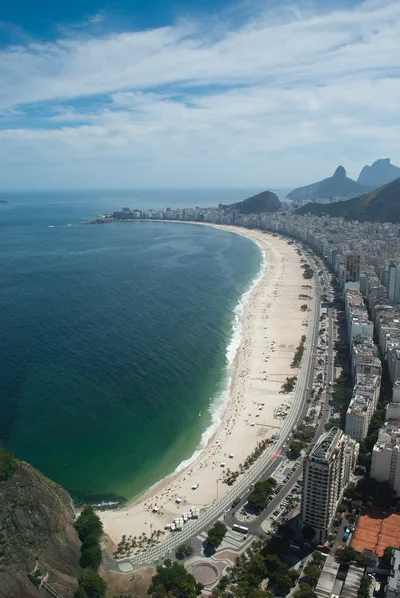
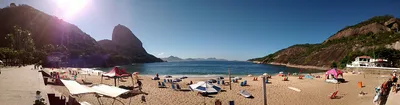
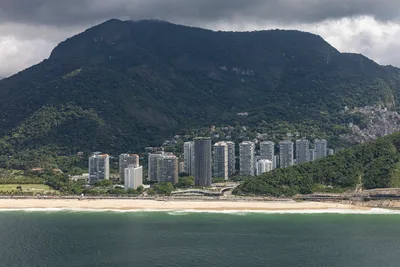
Other lively beaches in Brazil
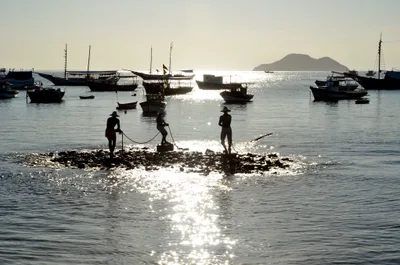
More beaches in Brazilian Atlantic
Reviews of this beach
- No reviews yet, what a shame — leave yours and share your experience.
Photo credits
Sources and licenses for the photos shown above.
- Photo 1 — Vani Ribeiro · source · CC BY-SA 3.0
- Photo 2 — Adam Jones from Kelowna, BC, Canada · source · CC BY-SA 2.0
- Photo 3 — The original uploader was Chmouel at English Wikipedia · source · CC BY-SA 3.0
- Photo 4 — Pierre André · source · CC BY-SA 4.0
- Photo 5 — Dimitry B · source · CC BY 2.0
- Photo 6 — Lucas from Brasil · source · Public Domain