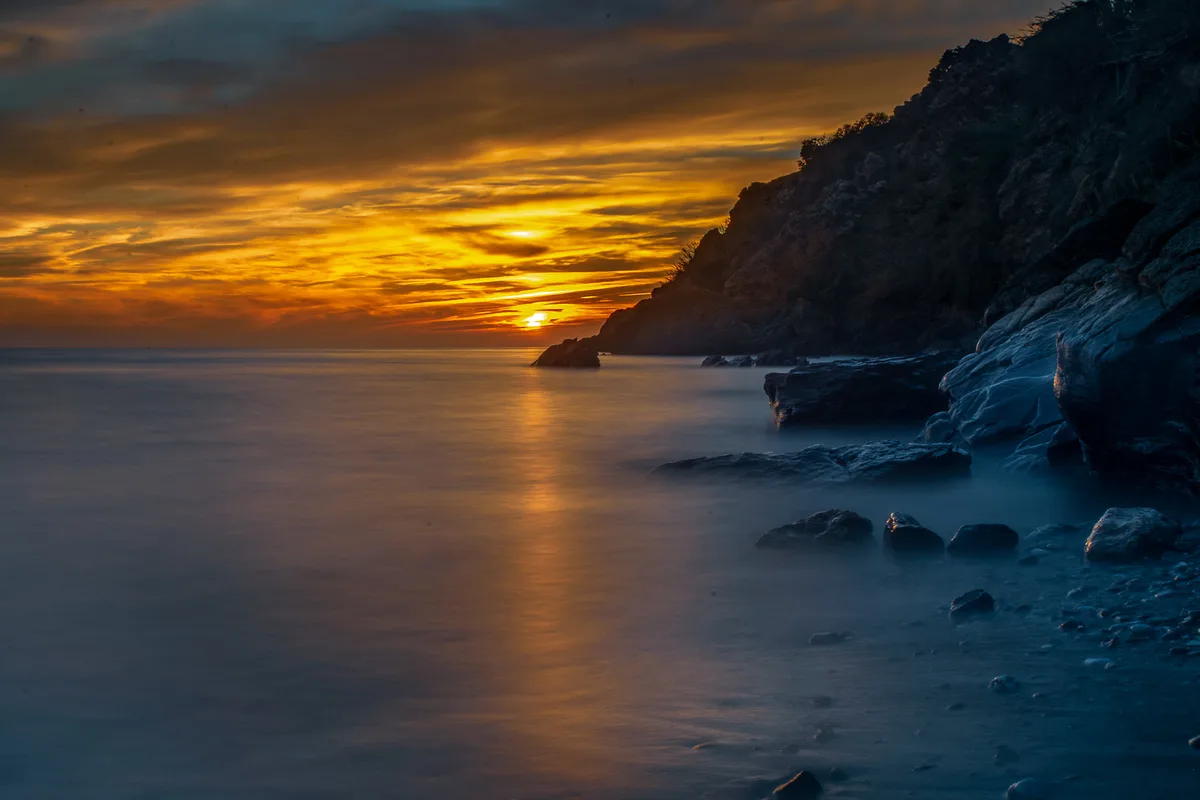
Maro BeachSpain Beach Guide
Wild cove, ancient aqueduct, crystal-clear water — no frills
 🎁 Gift idea: the star map of your most beautiful night↓
About
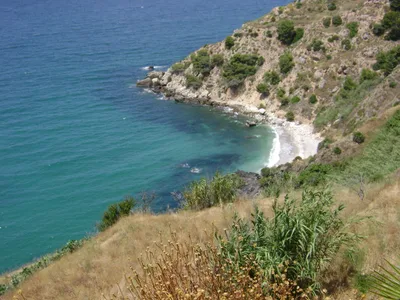
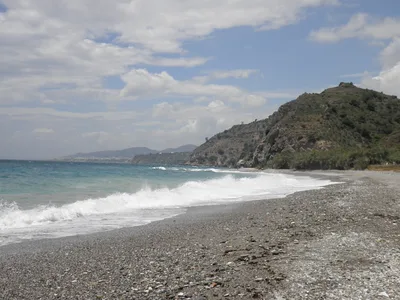
Playa de Maro is a short, wild stretch of grey-sand shoreline tucked inside the Acantilados de Maro-Cerro Gordo Natural Park in Nerja, Andalusia. At roughly 258 metres long, it punches well above its weight: crystal-clear water laps a mixed-sand shore framed by dramatic coastal cliffs, while sugar-cane fields ripple on the hillside above. The Águila aqueduct looms over the ravine behind the beach, lending the scene a quietly theatrical backdrop. Because the natural park prohibits permanent structures, there is zero beach infrastructure — no sunbed hire, no chiringuito, nothing — which is precisely why the water stays so clear and the atmosphere stays so calm.
How to get there
From Maro village, a narrow track leads down to the beach in around 5 minutes by car, though direct vehicle access is restricted in summer. A new 100-space free car park opened in Maro village in early 2025; during summer a shuttle service runs from a designated parking area near Hotel Playa Maro for approximately €1.50 round-trip. From Nerja, take the bus to Maro village and walk — allow around 25 minutes in total. Be warned: the final descent into the cove is a steep ravine path, making the beach inaccessible for visitors with limited mobility.
Who it's for
For couples
The wild, no-facilities atmosphere and the dramatic aqueduct backdrop make this a quietly romantic cove — bring a picnic, find a flat rock, and you'll have a genuinely unhurried afternoon together.
For families
The calm, safe swimming water is a genuine draw for families with confident swimmers, but the steep ravine descent and complete lack of facilities mean you need to come well-prepared — pack everything, including snorkelling gear for older children who will love the clear water.
Our take
Playa de Maro is safe for swimming and the water is genuinely crystal-clear — that's the honest starting point. What makes it special is the combination of protected natural park setting, the ancient aqueduct watching over the ravine, and the total absence of beach infrastructure that keeps it quiet even in high season. The grey sand won't dazzle in photographs the way a white-sand beach might, but the snorkelling is excellent and the scenery is dramatic in a way that feels earned rather than packaged. The access is moderate at best — a steep descent that rules out anyone with mobility issues — and in July and August the narrow road becomes genuinely chaotic. Come in June or September, arrive early, bring everything you need, and you'll find a truly rewarding stretch of coastline.
What to do
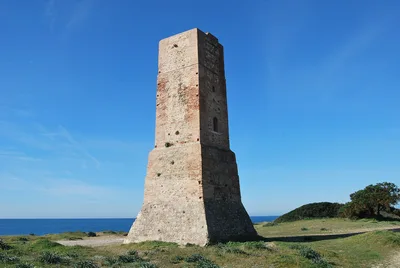
The crystal-clear water and rocky outcrops make snorkelling the headline activity — the protected marine environment of the Acantilados de Maro-Cerro Gordo Natural Park means exceptional underwater biodiversity right off the shore. On the way back up, the Torre Vigía de Maro watchtower is just 0.4 km away and worth a quick detour. A short drive brings you to the Cueva de Nerja, a spectacular cave system with prehistoric paintings and a concert hall, sitting about 1.3 km from the beach. The El Acueducto del Águila — the very aqueduct visible from the sand — can be explored more closely about 1.5 km away.
Frame the grey sand and crystal-clear water against the Águila aqueduct from the shoreline — it's the defining image of Playa de Maro.
The clifftop edge of the ravine descent also offers a striking top-down view of the cove's full 258-metre arc, best captured in the golden hour before sunset.
Where to eat
There are no food or drink options on the beach itself, so pack a proper picnic. The nearest options are Playamaro and Detunda, both within roughly 1 km of the beach. Restaurante Cueva de Nerja and Restaurante Puente Aguila are also within easy reach at around 1.3–1.4 km away.
Where to stay
Casa Maro and Playamaro are the closest bases, both sitting around 0.9 km from the beach and well-placed for an early-morning walk down before the day-trippers arrive. If you prefer more amenities, Los Arcos and Apartamentos El Capistrano are around 3 km away near Nerja proper.
Photography
The single best shot at Playa de Maro is from the beach looking back up the ravine toward the Águila aqueduct — shoot in the soft morning light before the sun climbs high and bleaches the grey sand. For water shots, the crystal-clear shallows over the rocky edges photograph beautifully in the two hours either side of midday when the light penetrates deepest.
Good to know
Natural park regulations are in force here — no camping, no permanent structures, and no behaviour that damages the protected coastal environment. In July and August, parking chaos is real: the road access via the narrow track is prone to serious congestion, so arrive very early or use the shuttle. The beach has no facilities whatsoever, so bring everything — water, food, sun protection, and a bag for your rubbish. Check current regulations before visiting regarding any activities that may be restricted within the natural park boundary.
GAMES
🕹️ Five minutes of sand?
Three daily games — including the UV simulator set to this beach.
Map
Nearby places
Playamaro
Detunda
Restaurante Cueva de Nerja
Restaurante Puente Aguila
Rincón del Sol
Casa Maro
Playamaro
Playamaro
Los Arcos
Apartamentos El Capistrano
Cuevas de Nerja
Balcón de Europa
Acantilados de Maro-Cerro Gordo Natural Park
Things to see around Nerja
Cuevas de Nerja
Spectacular cave system with prehistoric paintings and a concert hall.
Balcón de Europa
Famous clifftop promenade and viewpoint in central Nerja.
Acantilados de Maro-Cerro Gordo Natural Park
Protected coastal cliffs and coves with exceptional marine biodiversity and snorkelling.
GIFT IDEA · MARCEL ET LES BLONDES
🎁 Give a moment, not a thing


What’s the occasion?

 💑 Dating anniversaryTwo dates, two starry skies
 💍 Wedding anniversaryCotton, silver, golden…
 🎂 BirthdayTheir own newspaper front page
 👶 New babyThe stars on the day they were bornValentine’s DayOur two moons, as a print
Shipping €5, free from €49 · made to order, shipped within 48 hAlso: our engraved wooden bracelets, €23.90 →
Frequently asked
The information on this page is provided for guidance only and may evolve. Access conditions, safety and infrastructure can change without notice. Always check official sources before traveling.
Nearest beaches
Other wild beaches in Spain
More beaches in Andalusia
Reviews of this beach
- No reviews yet, what a shame — leave yours and share your experience.
Photo credits
Sources and licenses for the photos shown above.
- Photo 1 — visamatti · source · CC BY-SA 2.0
- Photo 2 — Por los caminos de Málaga · source · CC BY 2.0
- Photo 3 — Por los caminos de Málaga · source · CC BY 2.0
- Photo 4 — Cayetano · source · CC BY-SA 2.0
- Photo 5 — Por los caminos de Málaga · source · CC BY 2.0