Castell BeachSpain Beach Guide
Golden sands, blue water, zero roads — boat access only
 🎁 Gift idea: the star map of your most beautiful night↓
About
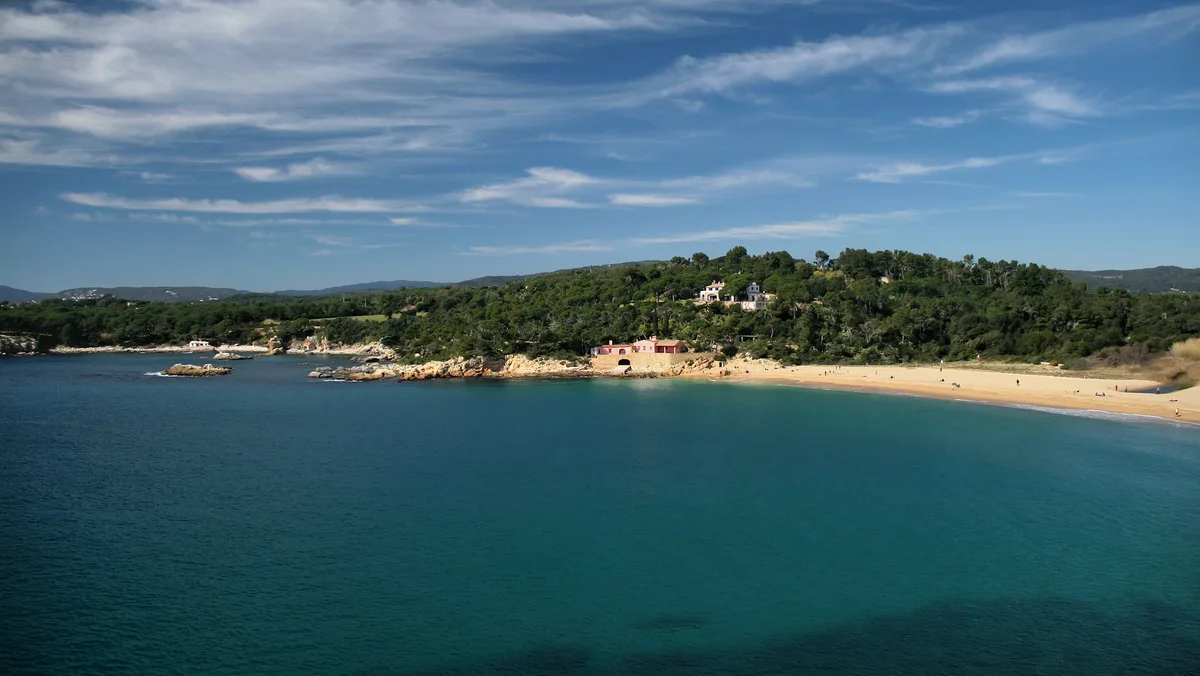
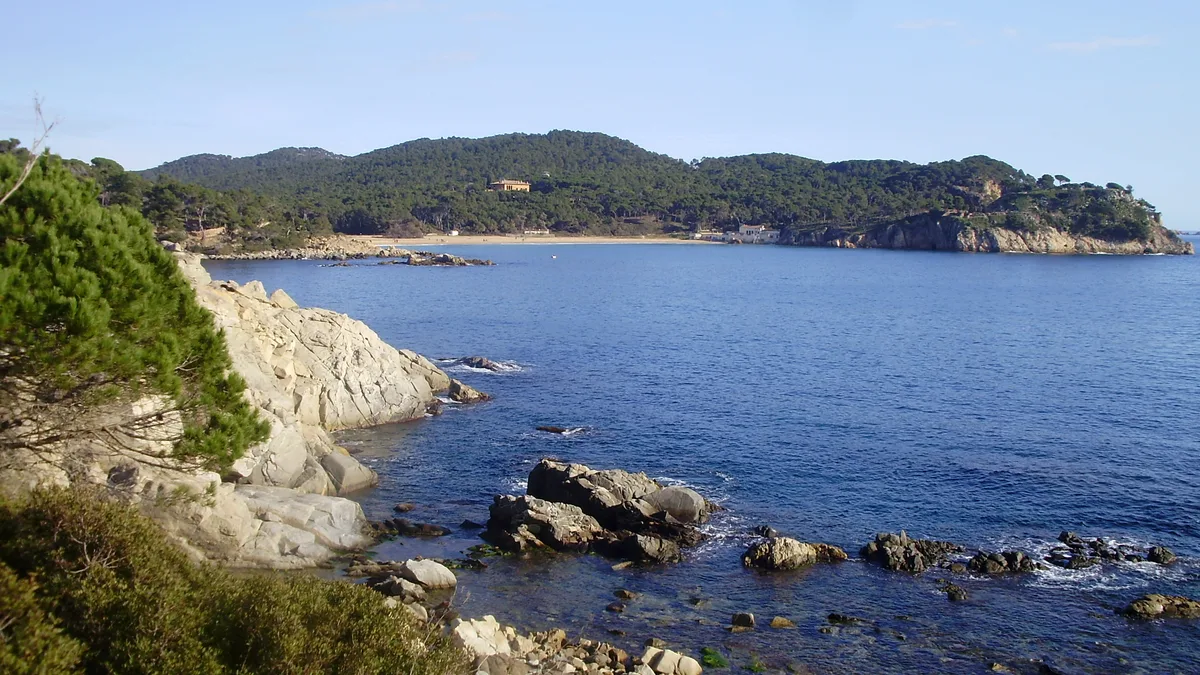
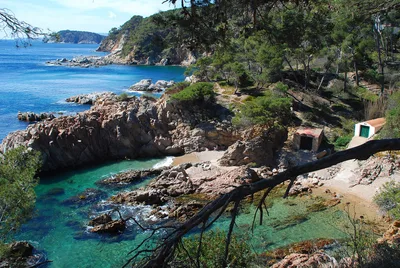
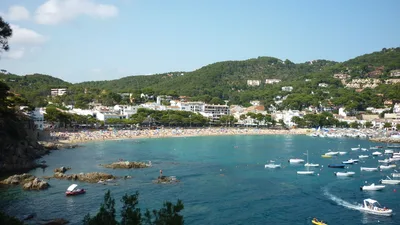
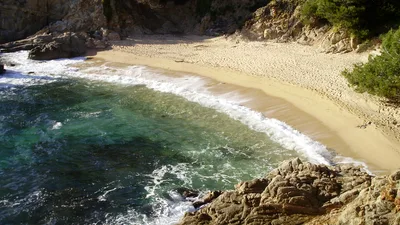
Platja de Castell sits on the Costa Brava in Catalonia, Spain, a long sweep of golden sand lapped by blue Mediterranean water and sheltered within a protected conservation area. It belongs to the commune of Sant Joan de Palamós, and the island of Roca de les Julivies punctuates the bay just offshore. There are no roads here, no development, and no permanent infrastructure — just the beach as it has always been. The river mouth at one end adds a quiet, almost wild character to the shoreline. The vibe is unhurried and relaxed, the kind of place where the absence of things is the whole point.
How to get there
Platja de Castell is boat and ferry access only — there is no road to the beach and no way to drive there. Your primary option is a ferry with Dofi Jet Boats, departing from the nearest embarkation point; check their current schedule before you go. The nearest airport is Girona-Costa Brava Airport (GRO), roughly 33 kilometres away, from which you'll need to make your way to the coast and then onto the water. There is no parking on the beach side — none exists.
Who it's for
For couples
The no-development, conservation-area setting means you get long stretches of golden sand without the noise and distraction of beach bars or vendors — it's as close to a private beach as a public shoreline gets on the Costa Brava.
For families
The long beach and calm, relaxed atmosphere make it manageable with children, and the tagged family-friendly character reflects the gentle, undeveloped nature of the site — just plan the boat logistics carefully and pack everything you need for the day.
Our take
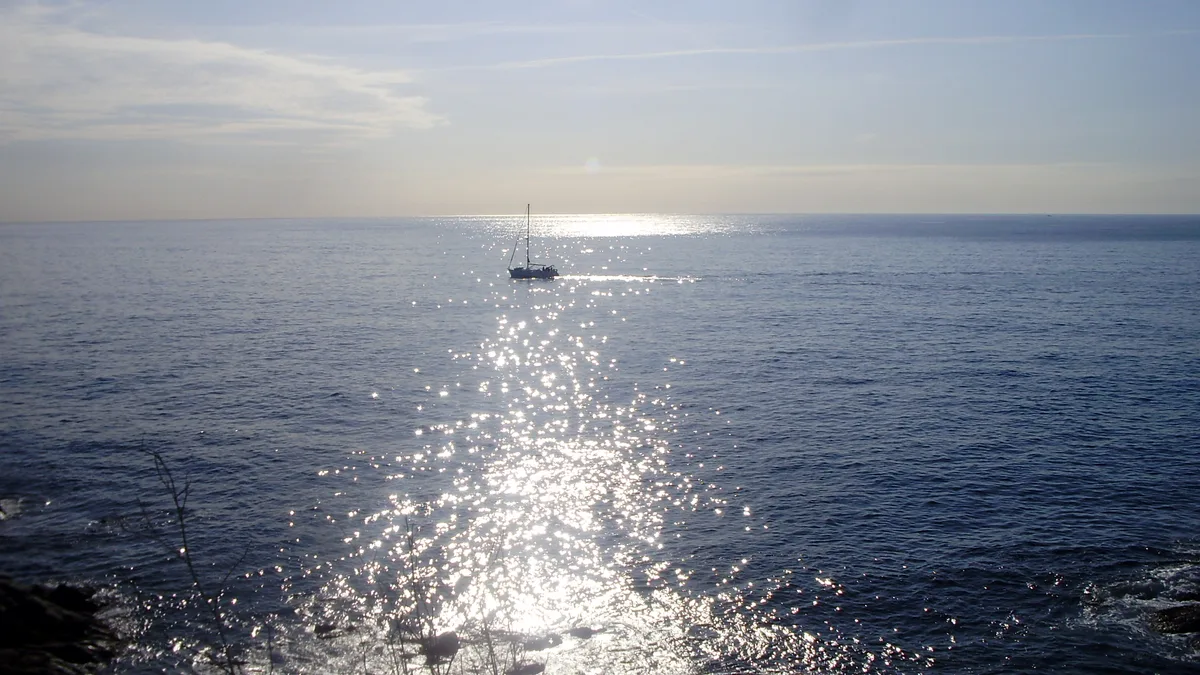
Platja de Castell earns its reputation as one of the Costa Brava's most unspoiled stretches precisely because getting here takes effort. Boat access only, no roads, no development — the conservation area designation has held the modern world at arm's length. The golden sand and blue water are the real deal, not a postcard approximation. The river mouth and the offshore island of Roca de les Julivies give the bay a character that flat, groomed resort beaches simply don't have. Go between June and September for reliable weather, go early in the day to claim your stretch of sand, and go prepared — there's no shop, no kiosk, and no safety net if you forget the sunscreen. Worth every minute of the boat ride.
What to do
Just half a kilometre from the beach, the Barraca de Dalí is a compelling cultural detour worth seeking out. A kilometre along the coast, Punta dels Canyers is another point of interest along the coastline. For a broader panorama of the coastline, the Mirador del Cap Gros, about 1.6 kilometres away, rewards the short effort with sweeping vistas. The river mouth at the beach itself is worth exploring on foot at low energy — it's a quietly photogenic spot.
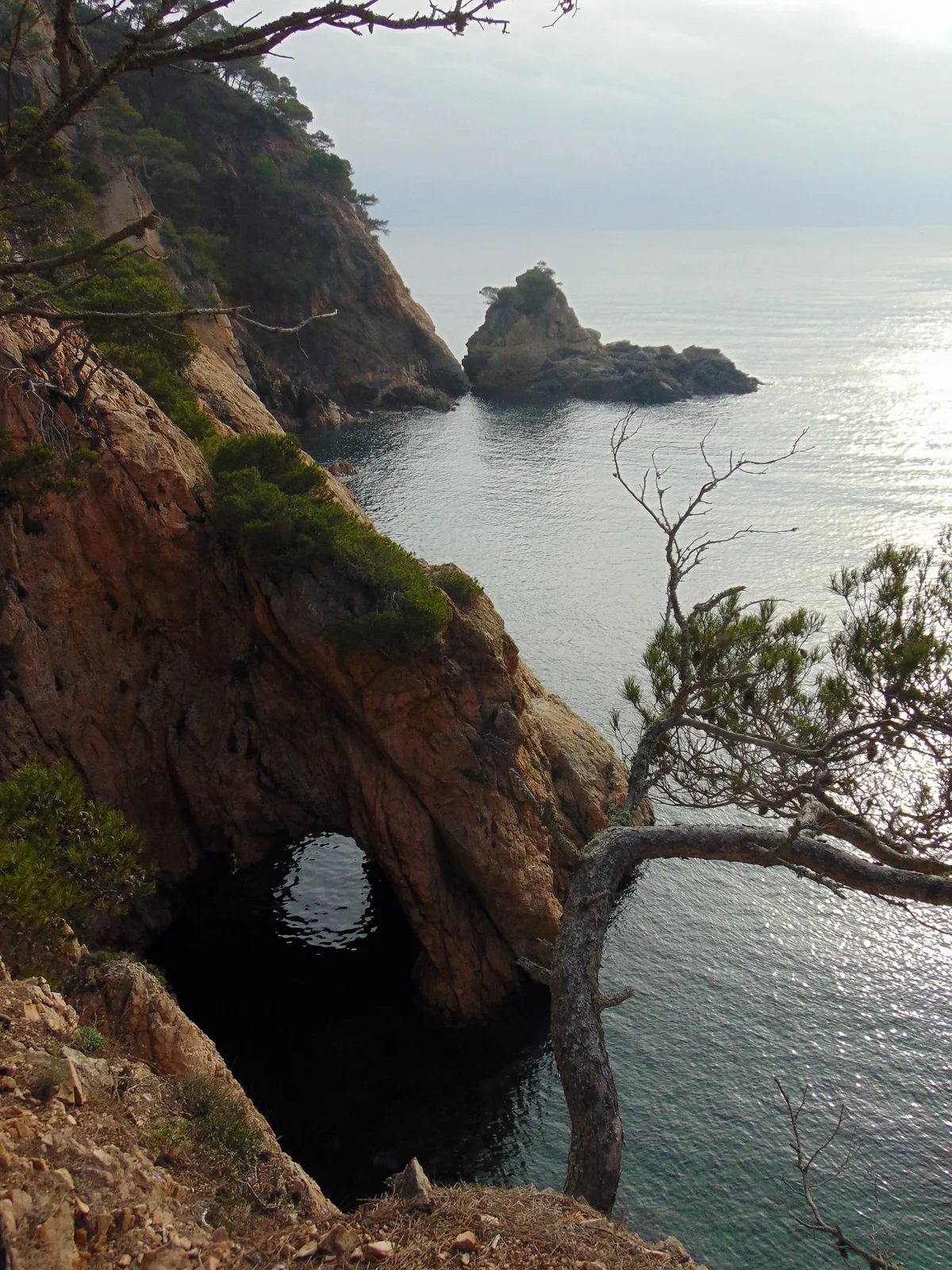
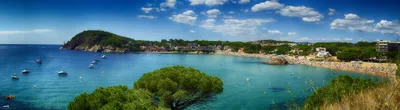
The island of Roca de les Julivies framed against the blue water from the shoreline is the beach's most distinctive shot — best captured in the soft light of early morning.
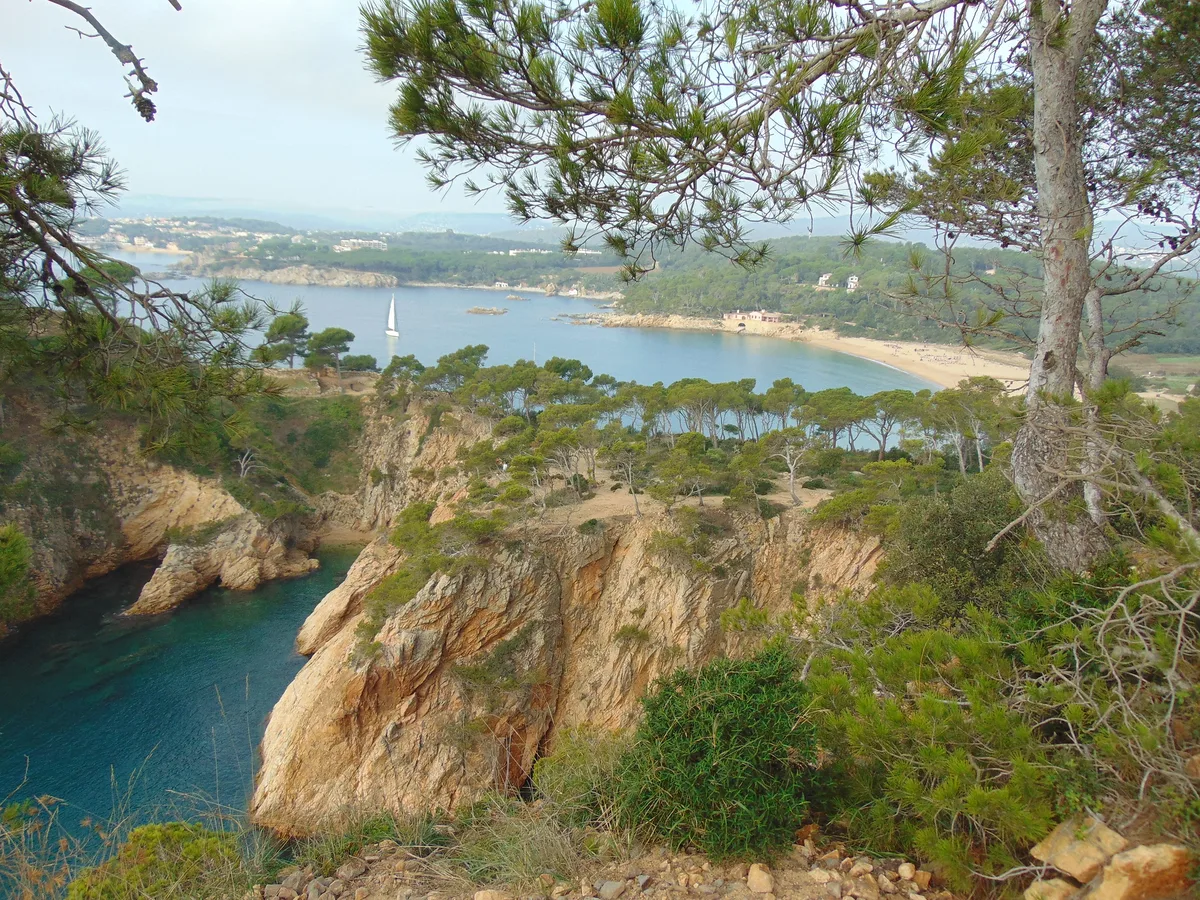
The river mouth where fresh water meets the sea creates a natural compositional divide worth framing at low tide. From the Mirador del Cap Gros, 1.6 kilometres away, you get the full arc of golden sand in a single wide frame.
Where to eat
The closest option is Castell Guingueta Number One, just 0.1 kilometres from the beach — your best bet for a meal without travelling far. A little further along, Maroni Beach and El Timon are both around 1.1 kilometres away and offer a change of scene after a day on the sand. For something more substantial, El Plà at 1.9 kilometres serves fish, Mediterranean dishes, and grilled options.
Where to stay
Hostal la Fosca, about 1.3 kilometres from the beach, is the nearest place to stay overnight in the area. It's a practical base that puts you close to the water without requiring a long journey each morning. Book ahead in the summer months — options this close to a conservation beach are limited.
Photography
The river mouth at the beach makes a strong foreground element at golden hour, with the blue water and golden sand stretching behind it. For elevated shots, the Mirador del Cap Gros at 1.6 kilometres gives you a commanding view of the bay — go in the morning for the clearest light before any haze builds.
Good to know
Because this is a conservation area with no development, bring everything you need — water, food, sun protection — as facilities on the beach itself are absent. The best months to visit are June through September, when the Northern Mediterranean climate is warm and settled. Leave no trace: the protected status of this site means environmental rules are taken seriously, and keeping the beach pristine is everyone's responsibility. Arrive early in the season or on weekdays if you want the long stretch of golden sand largely to yourself.
GAMES
🕹️ Five minutes of sand?
Three daily games — including the UV simulator set to this beach.
Map
Nearby places
Castell Guingueta Number One
Maroni Beach
El Timon
Hostel Restaurant La Fosca
Can Pujol
El Plà
Hostal la Fosca
GIFT IDEA · MARCEL ET LES BLONDES
🎁 Give a moment, not a thing

What’s the occasion?
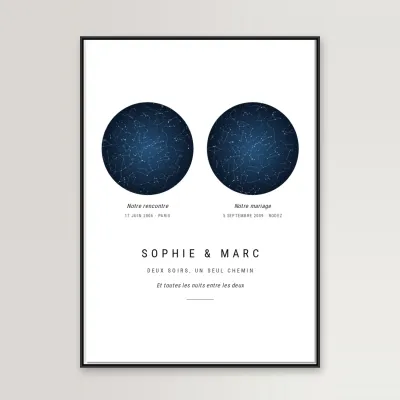 💑 Dating anniversaryTwo dates, two starry skies
 💍 Wedding anniversaryCotton, silver, golden…
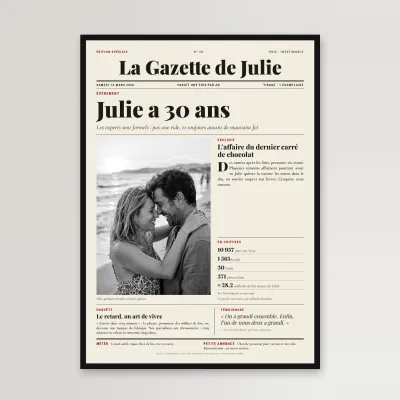 🎂 BirthdayTheir own newspaper front page
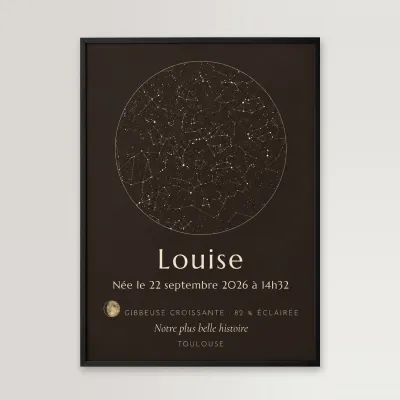 👶 New babyThe stars on the day they were bornValentine’s DayOur two moons, as a print
Shipping €5, free from €49 · made to order, shipped within 48 hAlso: our engraved wooden bracelets, €23.90 →
Frequently asked
The information on this page is provided for guidance only and may evolve. Access conditions, safety and infrastructure can change without notice. Always check official sources before traveling.
Nearest beaches
Other relaxed beaches in Spain
Reviews of this beach
- No reviews yet, what a shame — leave yours and share your experience.
Photo credits
Sources and licenses for the photos shown above.