Cala Estreta BeachSpain Beach Guide
Wild Costa Brava cove earned by a 40-minute hike
About
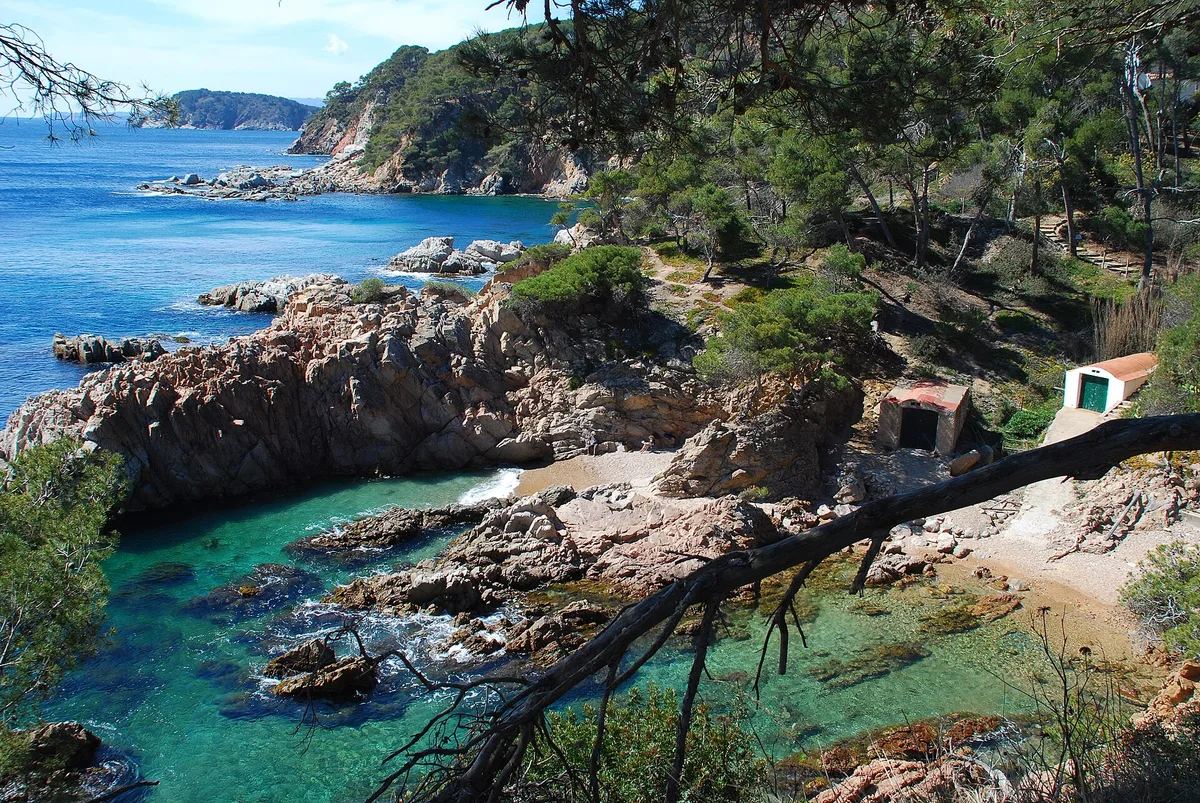
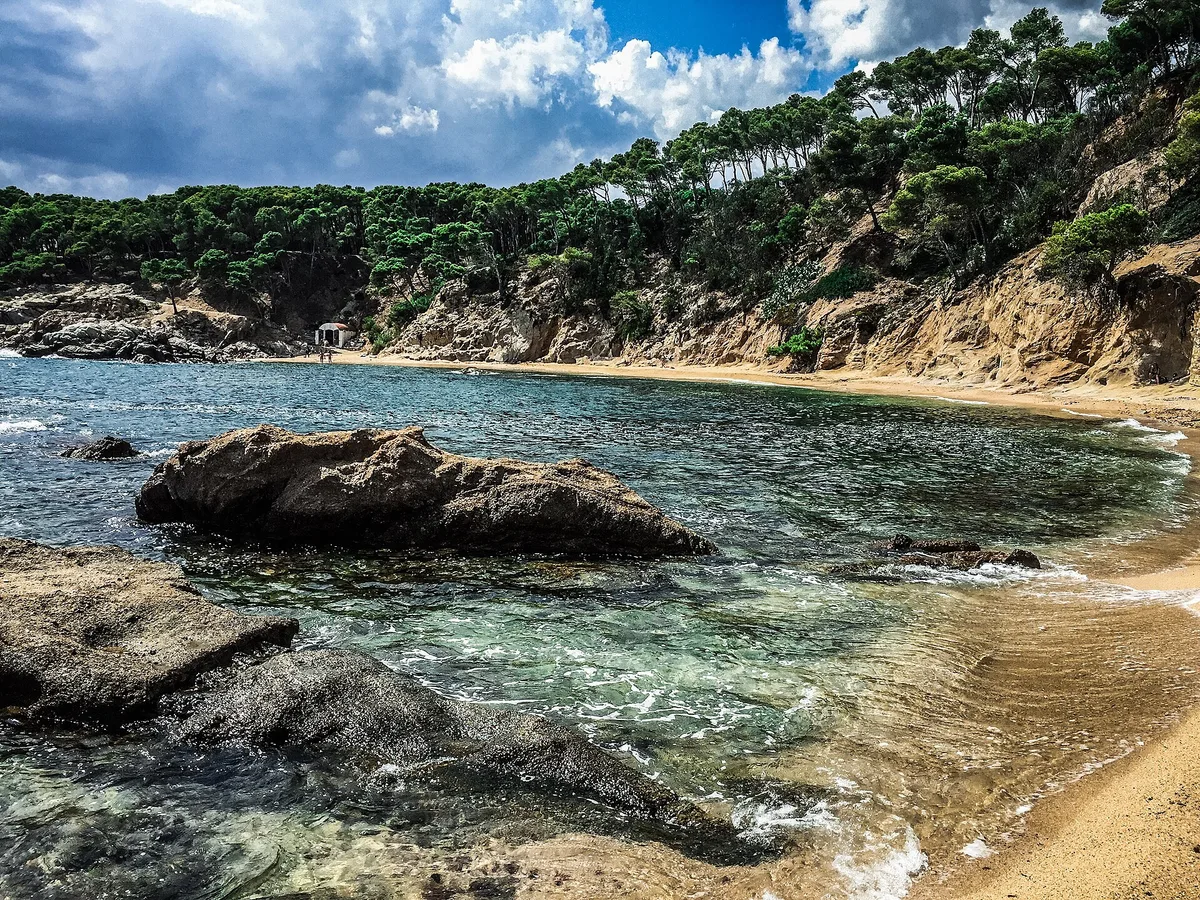
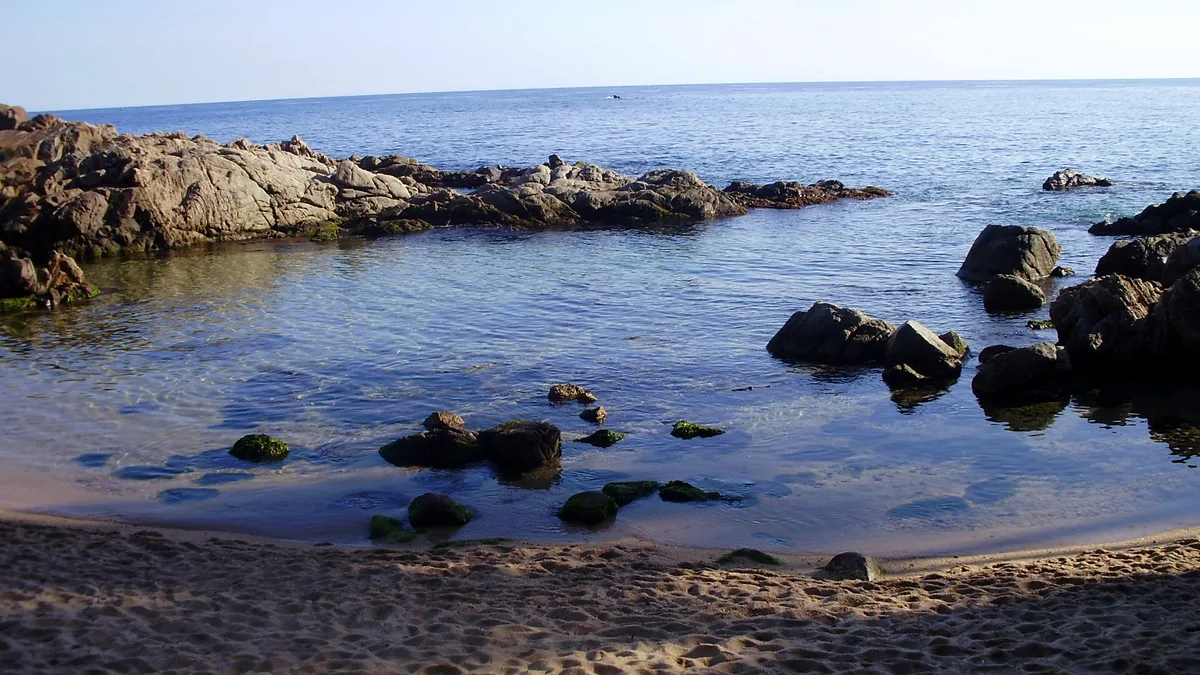
Cala Estreta is a 35-metre stretch of golden sand tucked inside the Castell-Cap Roig Natural Area near Palamós, on Catalonia's Costa Brava. The water runs a clear turquoise, the kind that makes you stop mid-trail and stare. Access is hike-only, which keeps the beach genuinely empty on days when every other cove along this coast is packed. Pine forests and limestone cliffs frame the bay, and Salvador Dalí's stone hut sits just half a kilometre away — a quiet reminder that artists have long known this corner of the world is worth the effort. It's a naturist-friendly beach, so clothing is optional once you arrive.
How to get there
Leave your car at the public parking lot at Platja de Castell — it's the designated starting point for the trail. From there, a 40-minute hike along the coastal path brings you down to the beach; there is no road access and no shortcut. The trail is manageable for fit walkers but is not suitable for visitors with mobility impairments, and there is no wheelchair access. No entry fee is charged to use the beach itself.
Who it's for
For couples
Cala Estreta rewards couples willing to earn their solitude — the 40-minute hike filters out casual visitors, leaving you with a genuinely quiet stretch of golden sand and turquoise water that feels private without being remote.
For families
The hike-only access and lack of any on-site facilities make Cala Estreta a poor fit for families with young children or anyone who needs easy beach access — the nearby Beach of Castell, just 1.4 kilometres away, is a far more practical family choice.
Our take
Cala Estreta is not for everyone, and that's exactly the point. The 40-minute hike from Platja de Castell is the price of admission, and it works as a filter — what you find at the end is a golden-sand bay with turquoise water that sits almost empty inside a protected natural area. Swimming is safe, the setting is wild, and the proximity to Dalí's hut gives the place an unlikely cultural footnote. It's a naturist beach, so go in with open eyes. Pack food and water, leave the laptop at the hotel, and give yourself a full half-day minimum. If you want a beach you have to earn, this is one of the Costa Brava's best answers.
What to do
The Beach of Castell, rated 4.7 out of 5 and just 1.4 kilometres away, is a natural companion stop before or after your hike to Cala Estreta. El Golfet, another highly rated cove at 1.6 kilometres, is worth adding to a longer coastal walking day. Half a kilometre from the beach, Salvador Dalí's stone hut — where the artist sought inspiration — is a low-key cultural detour that costs nothing but curiosity. The surrounding Castell-Cap Roig Natural Area begins right at the beach's edge, with pine forests and cliff paths to explore.
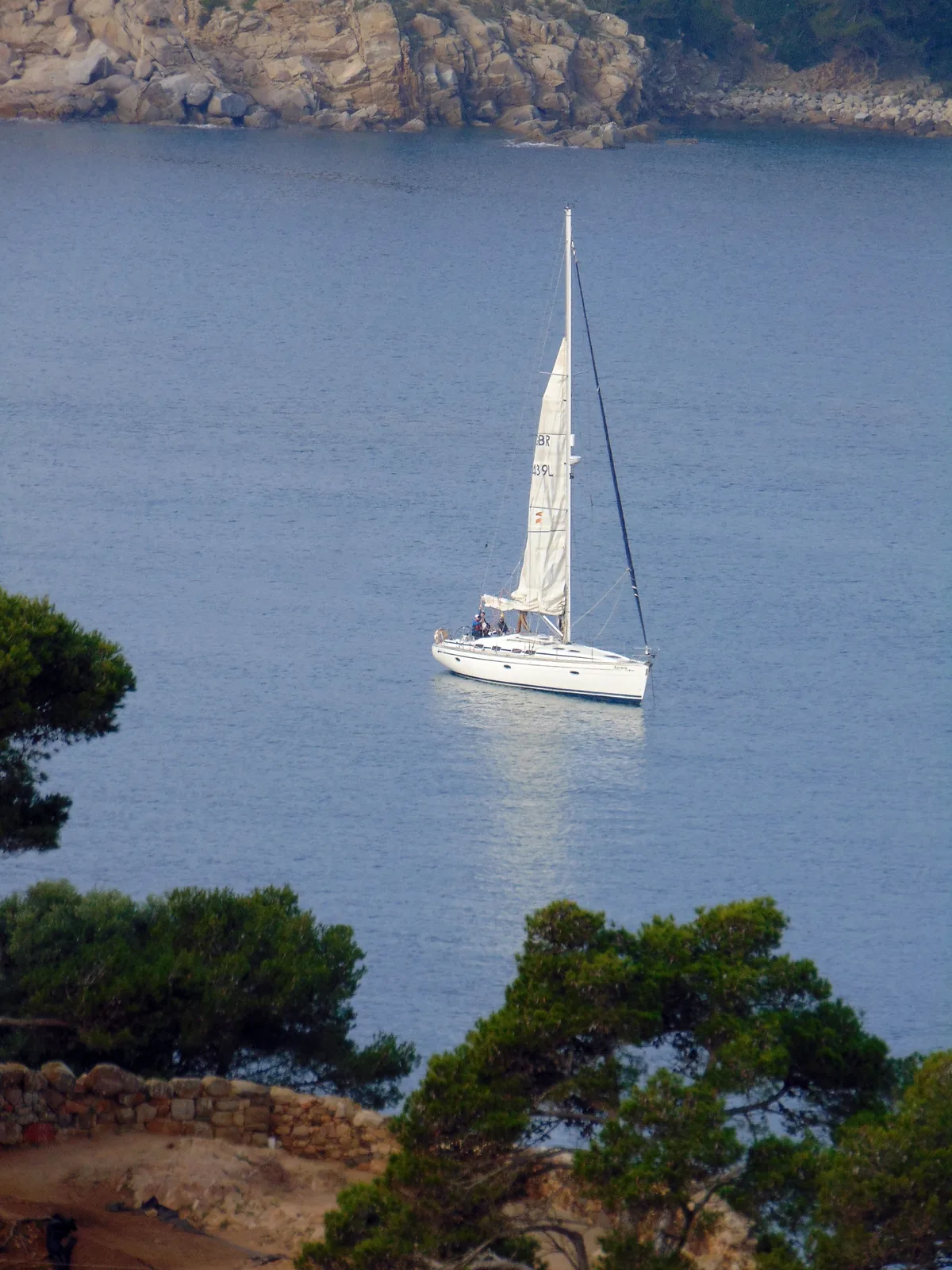
The clifftop viewpoint on the descent trail delivers a wide-angle look at the turquoise bay with golden sand below — shoot it in morning light before haze builds.
At beach level, the rocky outcrops at either end of the 35-metre cove make strong foreground elements against the clear water. Salvador Dalí's stone hut, just 500 metres from the beach, adds an unexpected cultural frame to a nature-heavy shoot.
Where to eat
La Blava, 2.7 kilometres away and rated 4.6 out of 5 across more than 3,500 reviews, is the standout dining option in the area — worth booking ahead in summer. Hostal La Fosca and Càmping King's, both around 2.5 to 2.7 kilometres from the beach, offer more casual meals if you want something straightforward after the hike. There are no food vendors or facilities at Cala Estreta itself, so pack a lunch.
Where to stay
Càmping King's, rated 4 out of 5 with over 1,600 reviews and located 2.5 kilometres from the beach, is the closest place to stay and suits visitors who want to be near the trailhead. Beyond that, the town of Palamós offers a broader range of options for those who prefer a hotel base with easy access to the coast.
Photography
The best shots come from the top of the coastal trail just before the final descent, where the turquoise water and golden sand appear framed by pine and rock — arrive in the morning for soft, directional light. Down at beach level, the contrast between the pale golden sand and the vivid turquoise water photographs well in the two hours after sunrise or before sunset when the light is low and warm.
Good to know
The hike-only access is a genuine barrier — wear proper footwear and carry enough water, especially in summer heat. The beach is a naturist zone, so clothing-optional etiquette applies and is widely observed by visitors here. True digital-detox spot — bring offline books, the cell signal fades and there's nowhere to plug in a laptop. Start the trail early in the day during June through September to make the most of the light and avoid hiking back in peak afternoon heat.
GAMES
🕹️ Five minutes of sand?
Three daily games — including the UV simulator set to this beach.
Map
Nearby places
La Blava
Hostal La Fosca
Càmping King's
Things to see around Palamós
Salvador Dalí's Hut
Stone hut where artist Salvador Dalí sought inspiration.
Castell-Cap Roig Natural Area
Pristine natural area with pine forests and cliffs.
S'Alguer Cove
Picturesque bay with traditional fishermen's huts, declared Cultural Asset of National Interest.
GIFT
🎁 Gift this beach
Its exact coastline, your date, your words — on a print or a PDF you print yourself.
Cala Estreta Beach
THAT DAY
Cala Estreta Beach, Catalonia
© OpenStreetMap contributors
Clean & decorative, or “That day” with the real sky of your date.
Shipping included 3-6 business days
A question before you order? Contact us
Delivered within minutes on the confirmation page and by email: a ZIP with all 4 print sizes (30×40 cm, 12×16″, 50×70 cm, 18×24″), each as a high-resolution PDF and PNG (300 dpi), plus a screen version. Print at home or at any print shop.
Please complete the delivery address.
Please accept the Terms of Sale.
Almost there — the shop opens very soon.
Secure payment · Printed locally in 30+ countries · 7 languages
Frequently asked
The information on this page is provided for guidance only and may evolve. Access conditions, safety and infrastructure can change without notice. Always check official sources before traveling.
Nearest beaches
Other wild beaches in Spain
More beaches in Catalonia
Reviews of this beach
- No reviews yet, what a shame — leave yours and share your experience.
Photo credits
Sources and licenses for the photos shown above.