Imsouane BeachMorocco Beach Guide
Africa's longest wave, a golden bay worth the drive
About
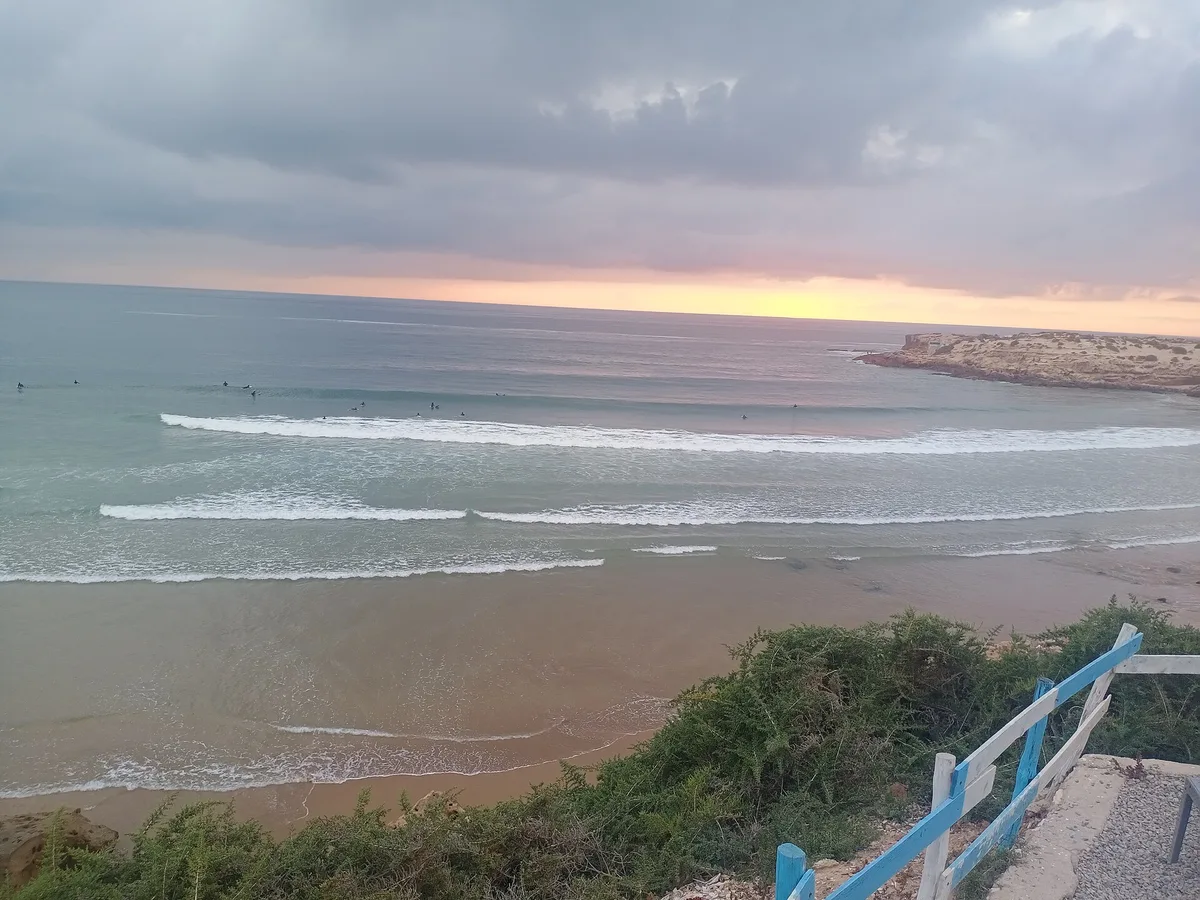
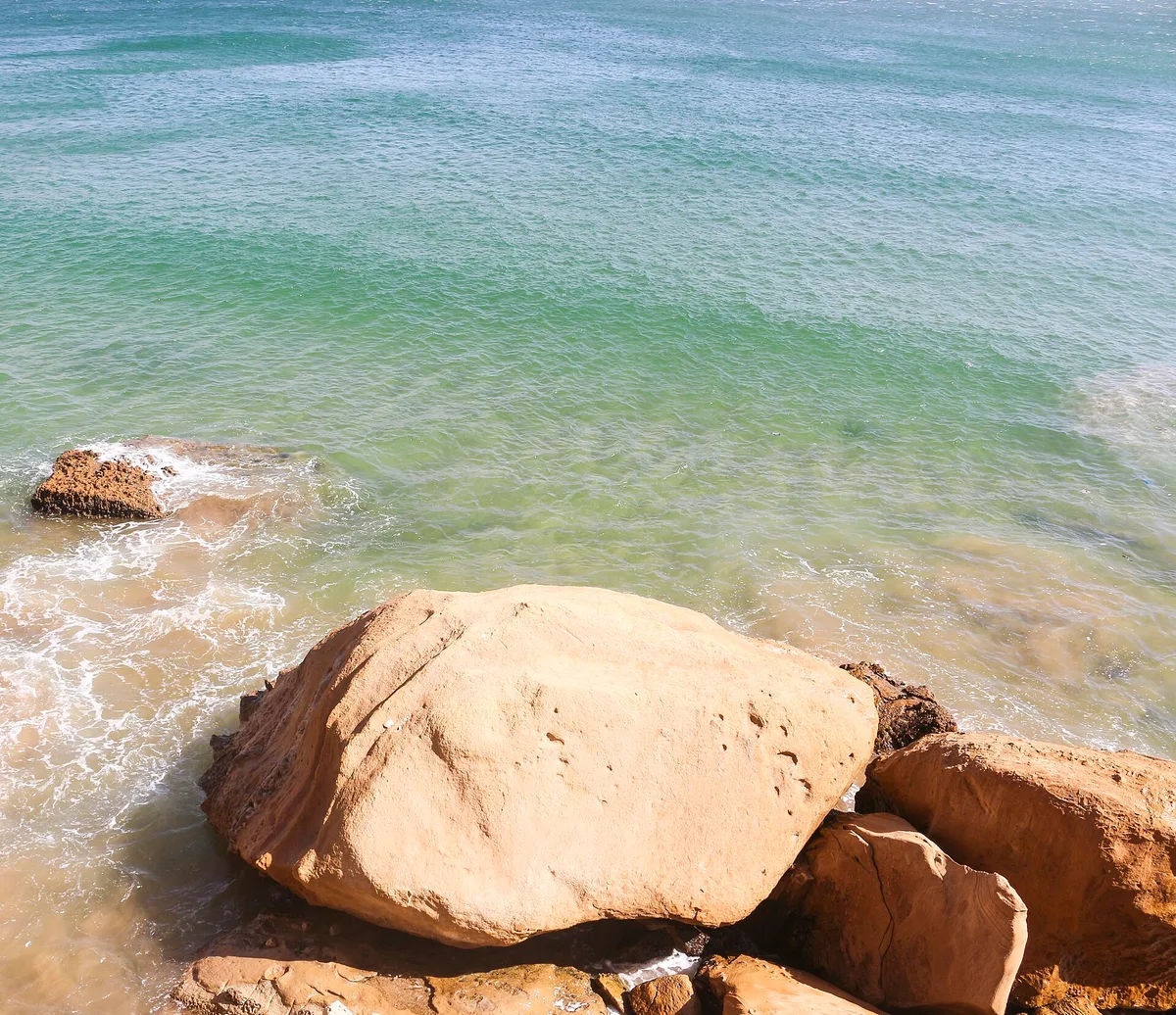
Imsouane sits inside a natural headland bay on Morocco's Atlantic coast, roughly 90 minutes north of Agadir, where a working fishing port shares the shoreline with one of the world's most celebrated longboard breaks. The golden sand stretches along a generous arc of bay, and the turquoise water rolls in with a right-hand wave so long it has become a pilgrimage destination for longboarders. The bay's sheltered geometry tames the Atlantic swell into something unusually forgiving, which explains the growing cluster of surf camps that have taken root in the village. It's a relaxed, unhurried place — fishing boats still come and go, the smell of salt and diesel mingles with tagine from the cafés above the beach, and the pace of life hasn't entirely surrendered to surf tourism. Yet.
How to get there
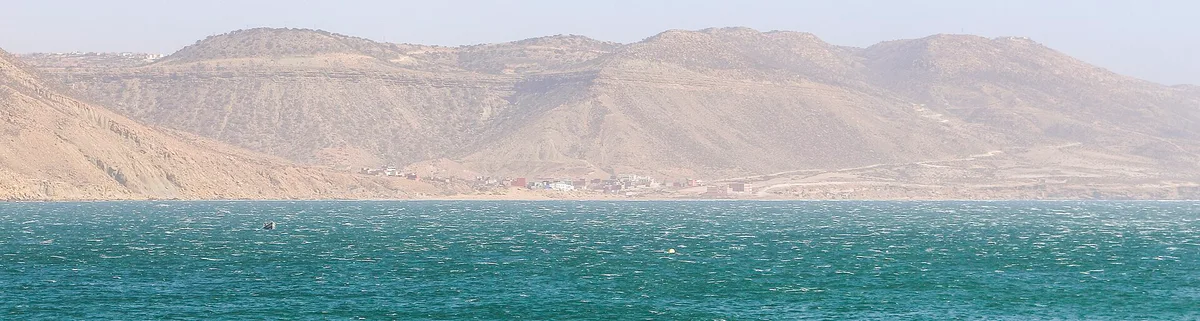
From Agadir, the most direct option is by car — the road winds through mountain terrain and the final descent into the village is narrow, so drive carefully and allow enough time. Grand taxis from Agadir run when full and are typically faster than the bus-plus-taxi combination, which can take around two hours. Parking in the village is informal and free, but the access road is tight — arrive early in peak season to avoid the squeeze. There is no entry fee.
Who it's for
For couples
The relaxed pace, the golden bay at dusk, and the compact village with its handful of cafés make Imsouane a genuinely low-key escape — best enjoyed mid-week in shoulder season when the surf camp energy settles down.
For families
The sheltered bay is calmer than open Atlantic beaches, but rocks at low tide, sea urchins, and rip currents at Cathedral Point mean young children need close supervision near the water — keep them to the sandy shallows in the central bay and away from the surf zone.
Our take
Imsouane is one of those places that earns its reputation honestly — Africa's longest right-hand wave is a real thing, not a marketing line, and the bay's natural shelter makes it accessible to longboarders who'd struggle elsewhere on the Moroccan Atlantic. That said, safety comes first: rip currents at Cathedral Point are a documented hazard, rocks and sea urchins lurk at low tide, and the mountain road in deserves your full attention. The surf camp scene is growing fast, and peak-season lineups reflect that — if you want the wave to yourself, come in June or September. July and August bring flat surf and maximum domestic visitor numbers; skip those months entirely. The fishing village character is still intact, just about, and the handful of cafés and surf houses keep things simple. Worth the drive from Agadir — but go in with eyes open.
What to do
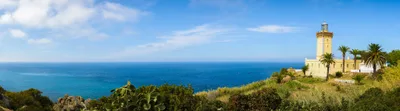
The wave itself is the main event, but when you've had your fill of the lineup, the Coastal Cliff and Timlalin Dunes are reachable within about 9 kilometres and offer a sharp contrast to the bay. A canyon in the same direction adds another option for anyone who wants to stretch their legs on land. Further afield, Cap Rhir Lighthouse — around 30 kilometres north — marks the boundary between the Agadir Riviera and the wilder Haha coast and is worth the short drive for the views.
The headland viewpoint above the bay delivers the classic wide shot — golden sand curving into turquoise water with the fishing port anchoring the far end.
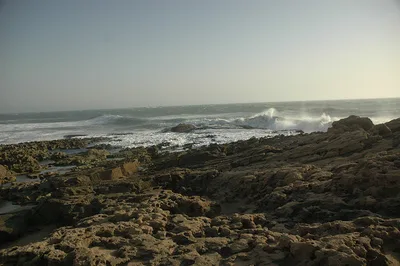
Shoot the wave itself from the rocks at the bay's edge during a clean swell for a frame that shows just how long that right-hander runs. The fishing port at golden hour, with coloured boats against the village hillside, is a third angle that has nothing to do with surf.
Where to eat
A handful of small restaurants sit within a few hundred metres of the beach. Chez Karim, Café Tamazight, Anzar, and Les 3S are all within 0.2 kilometres, covering Moroccan and Arab cooking in a casual village setting. La CrePierre is a short walk further at 0.3 kilometres if you want a change of scene.
Where to stay
Tide Hunter Surf House, 0.4 kilometres from the beach, is the obvious base if you're here to surf — it's close enough to walk to the break. For something more removed, fishermancabin sits about 9 kilometres away and offers a quieter alternative outside the village.
Photography
The best angle on the wave is from the headland above the bay at sunrise, when the golden sand is empty and the turquoise water catches the low Atlantic light. Late afternoon from the fishing port side frames the longboarders against the arc of the bay with the village above — bring a longer lens.
Good to know
Surf etiquette is taken seriously here — respect the lineup, don't snake waves, and remember that experienced surfers have priority on a break this iconic. The fishing port is a working operation, not a backdrop: stay clear of the boats and the dock activity. Nudity is not permitted anywhere on the beach or in the village. On the safety side: rip currents are present at Cathedral Point — do not swim there; rocks appear at low tide and near shore, and sea urchins are a real hazard for bare feet; the winding mountain road descent requires full attention; and in peak season the lineups can get packed with surf camp students — always check the swell forecast before paddling out.
GAMES
🕹️ Five minutes of sand?
Three daily games — including the UV simulator set to this beach.
Map
Nearby places
Chez Karim
Anzar
Café Tamazight
Les 3S
La CrePierre
Tide Hunter Surf House
fishermancabin
Things to see around Imsouane
Cap Rhir Lighthouse
Lighthouse marking the cape between Agadir Riviera and Haha coast.
Taghazout Village
Morocco's most famous surf village.
Essaouira Medina
UNESCO-listed fortified port city with strong wind-surf tradition.
GIFT
🎁 Gift this beach
Its exact coastline, your date, your words — on a print or a PDF you print yourself.
Imsouane Beach
THAT DAY
Imsouane Beach, Moroccan Atlantic
© OpenStreetMap contributors
Clean & decorative, or “That day” with the real sky of your date.
Shipping included 3-6 business days
A question before you order? Contact us
Delivered within minutes on the confirmation page and by email: a ZIP with all 4 print sizes (30×40 cm, 12×16″, 50×70 cm, 18×24″), each as a high-resolution PDF and PNG (300 dpi), plus a screen version. Print at home or at any print shop.
Please complete the delivery address.
Please accept the Terms of Sale.
Almost there — the shop opens very soon.
Secure payment · Printed locally in 30+ countries · 7 languages
Frequently asked
The information on this page is provided for guidance only and may evolve. Access conditions, safety and infrastructure can change without notice. Always check official sources before traveling.
Other beaches in the region
More beaches in Moroccan Atlantic
Reviews of this beach
- No reviews yet, what a shame — leave yours and share your experience.
Photo credits
Sources and licenses for the photos shown above.
- Photo 1 — رشيدة رقي · source · CC BY-SA 4.0
- Photo 2 — Mounir Neddi · source · CC BY-SA 4.0
- Photo 3 — Mounir Neddi · source · CC BY-SA 4.0
- Photo 4 — avoulot · source · CC BY 2.0
- Photo 5 — avoulot · source · CC BY 2.0