Aglou BeachMorocco Beach Guide
Wild Atlantic cliffs, golden sands, and living history
About
Plage d'Aglou stretches roughly 3 kilometres along the Moroccan Atlantic coast near Tiznit, backed by dramatic sandstone cliffs that glow amber in the afternoon light. The golden sand is wide and largely untouched, meeting deep blue open-ocean water that carries real Atlantic energy. What sets this beach apart is the troglodyte cave dwellings carved into the cliff face — an active fishing community has called these rock shelters home for generations, making Aglou as much an ethnographic site as a beach. There is no tourist infrastructure here: no sunbed rentals, no beach bars, no lifeguard towers outside peak season. That rawness is exactly the point.
How to get there
From Tiznit, Aglou is about 10 minutes by car or reachable by daily bus — both options run regularly. Informal free parking is available near the beach itself; if you prefer a more organised spot, paid parking is available at Camping Aglou Plage nearby. There is no entry fee to the beach, but the road and cliff area are moderately accessible — the sandy beach itself is manageable, while the cliff zone is uneven and requires care on foot.
Who it's for
For couples
Aglou suits couples who want solitude and something to talk about — the quiet beach, the cliff dwellings, and the raw Atlantic horizon make for a genuinely contemplative afternoon far from any resort scene.
For families
Families should visit during May–October when lifeguard cover is in place, and keep young children well away from the water given the year-round rip currents — the wide golden sand is plenty of space for play on dry land.
Our take
Be clear-eyed about what Aglou is: a wild, working beach with real hazards and no safety net outside peak season. Rip currents are not a footnote here — they are a defining feature of this stretch of Atlantic coast, and the water demands serious respect. That said, for anyone drawn to places that haven't been smoothed into a resort product, Aglou is rare. The troglodyte cliff dwellings are genuinely extraordinary — an active community living in sandstone caves above a 3-kilometre golden beach is not something you encounter on most coastlines. Come to walk, observe, and absorb; not to swim. Visit between June and September for the best conditions and the only lifeguard cover available. Worth the detour — but go prepared and go respectfully.
What to do
The cliff face and its troglodyte dwellings are the main draw — walk the beach and observe the sandstone geology and the fishing activity at the water's edge. A 15-kilometre drive takes you into Tiznit's walled medina, renowned for its silver jewellery craftsmanship and worth a half-day. Further afield, Souss-Massa National Park (50km) offers flamingo lagoons and argan forest, and the Spanish Art Deco town of Sidi Ifni (60km) makes a striking day trip.
The cave openings in the sandstone cliff face are the most distinctive shot at Aglou — frame them from the beach at low tide with the golden sand in the foreground.
The long, uninterrupted sweep of the beach at sunrise, with the cliffs catching the first light, offers a second strong composition with no other visitors in frame.
Where to eat
On-site dining doesn't exist — Aglou has no beach facilities, so plan accordingly. Café des Délices and the Hotel Aglou Beach restaurant are the closest options, while Café et Restaurant du Camping Paradis is 2.5km away and a practical stop before or after the beach. For something more regional, Wagga d'Aglou is about 10km out and serves local Moroccan cuisine.
Where to stay
Camping Paradis, rated 4.8/5 across 98 reviews and just 2.5km from the beach, is the standout base for those who want to stay close. Dar Shem's (4.6/5, 0.7km) and Domaine Cap d'Aglou (4.5/5, 1.9km) offer more comfort at short distance, while Aglou Beach Hotel (4/5, 58 reviews, 5km) is the largest and most reviewed option in the area.
Photography
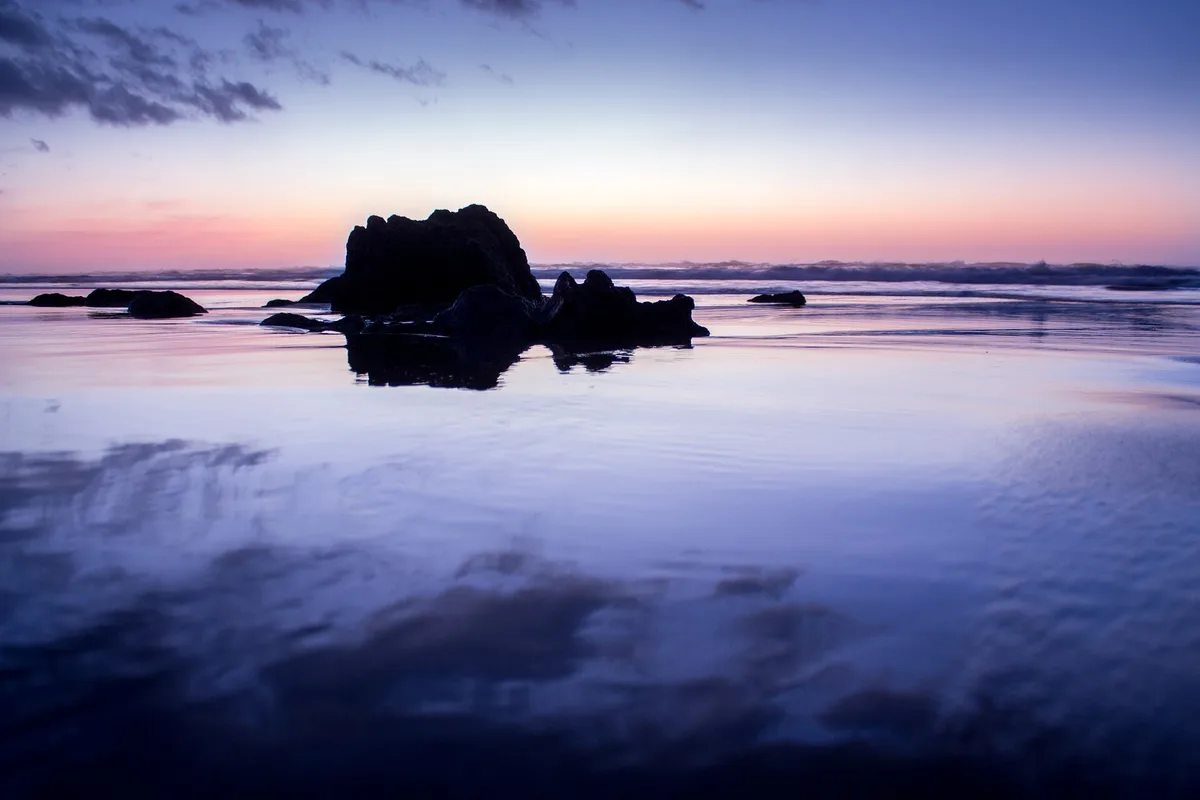
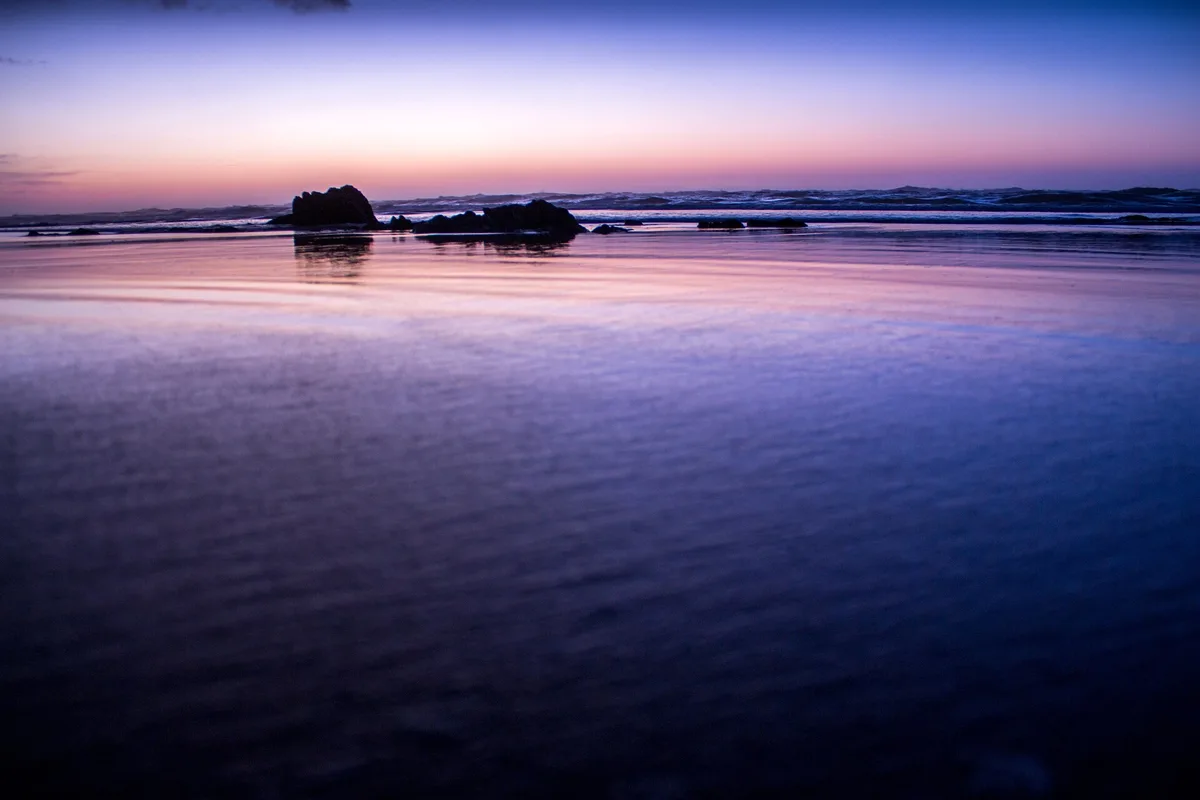
The sandstone cliffs at golden hour — roughly an hour before sunset — produce warm, layered light that makes the rock faces and cave openings glow. For wide landscape shots, position yourself at the southern end of the beach at low tide to capture the full 3-kilometre arc of golden sand against the deep blue Atlantic.
Good to know
Rip currents are present year-round at Aglou — do not enter the water without checking conditions carefully, and stay out entirely if the swell looks strong. A lifeguard service operates during peak season from May to October, but outside those months you are entirely on your own. The cave dwellings in the cliff are private homes: always ask permission before photographing residents or their homes — this is a non-negotiable sign of respect for the community. Come self-sufficient: there are no facilities on the beach, so bring water, food, and sun protection.
GAMES
🕹️ Five minutes of sand?
Three daily games — including the UV simulator set to this beach.
Map
Nearby places
Café des Délices
Hotel Aglou Beach restaurant
Café et Restaurant du Camping Paradis
Wagga d'Aglou
Dar Shem's - Diors el Janoub
Domaine Cap d'Aglou
Camping Paradis
Le Chant du Chameau. Chambre d'hôte
Aglou beach hotel
post / K // p .u
Things to see around Tnine Aglou
Tiznit Medina
Walled medina town known for silver jewellery craftsmanship.
Sidi Ifni
Spanish Art Deco colonial town with distinctive beach setting.
Souss-Massa National Park
National park with flamingo lagoons and argan forest.
GIFT
🎁 Gift this beach
Its exact coastline, your date, your words — on a print or a PDF you print yourself.
Aglou Beach
THAT DAY
Aglou Beach, Moroccan Atlantic
© OpenStreetMap contributors
Clean & decorative, or “That day” with the real sky of your date.
Shipping included 3-6 business days
A question before you order? Contact us
Delivered within minutes on the confirmation page and by email: a ZIP with all 4 print sizes (30×40 cm, 12×16″, 50×70 cm, 18×24″), each as a high-resolution PDF and PNG (300 dpi), plus a screen version. Print at home or at any print shop.
Please complete the delivery address.
Please accept the Terms of Sale.
Almost there — the shop opens very soon.
Secure payment · Printed locally in 30+ countries · 7 languages
Frequently asked
The information on this page is provided for guidance only and may evolve. Access conditions, safety and infrastructure can change without notice. Always check official sources before traveling.
Other beaches in the region
More beaches in Moroccan Atlantic
Reviews of this beach
- No reviews yet, what a shame — leave yours and share your experience.