Socoa BeachFrance Beach Guide
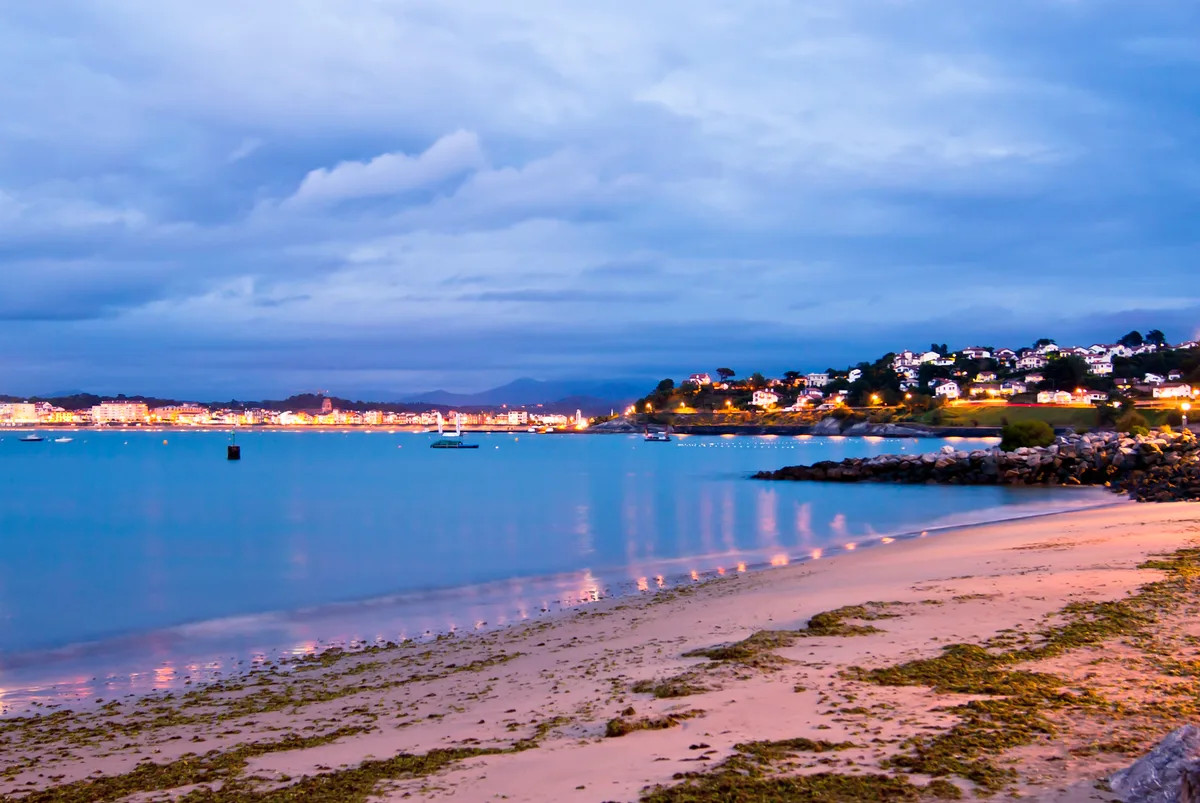
Fort walls, golden sand, and turquoise Basque waters
About
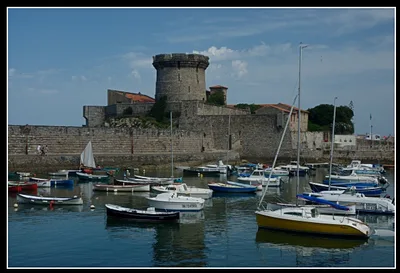
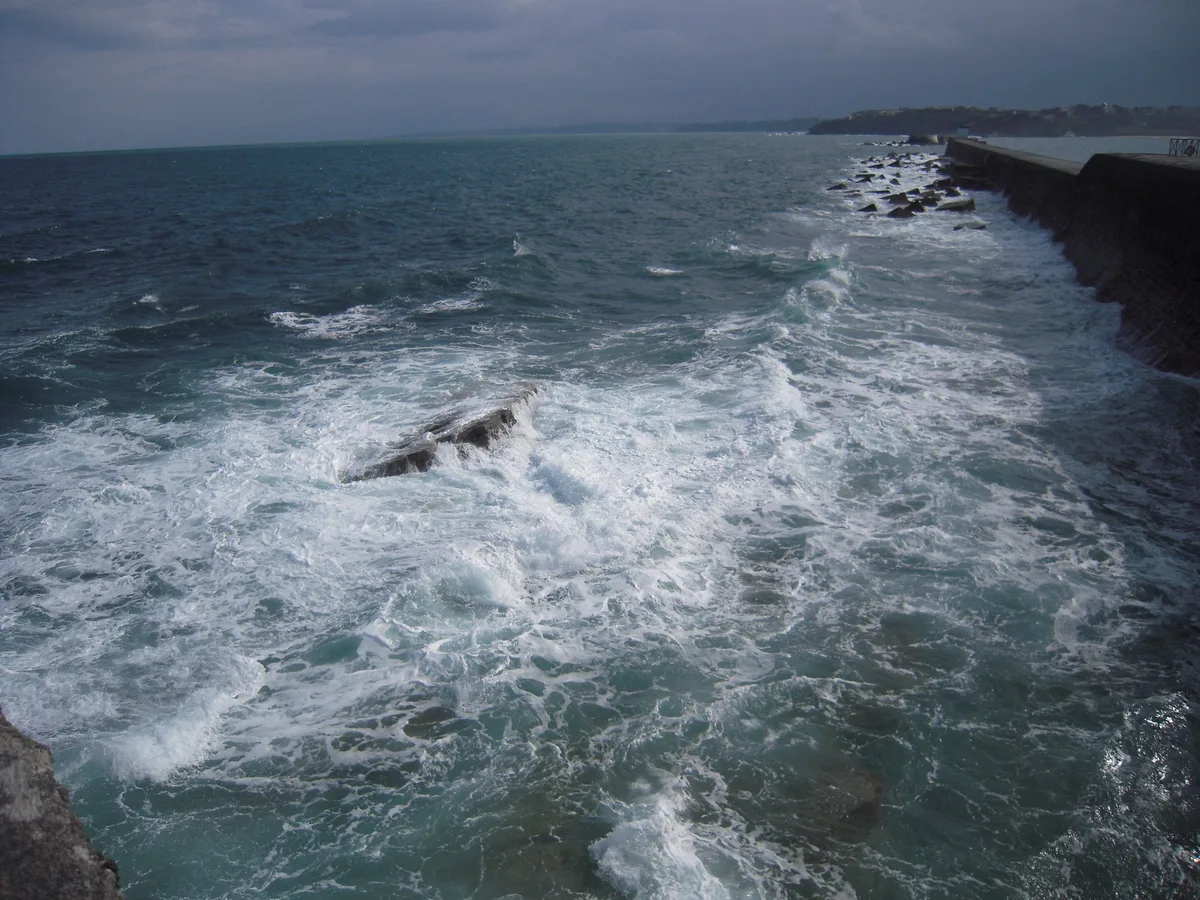
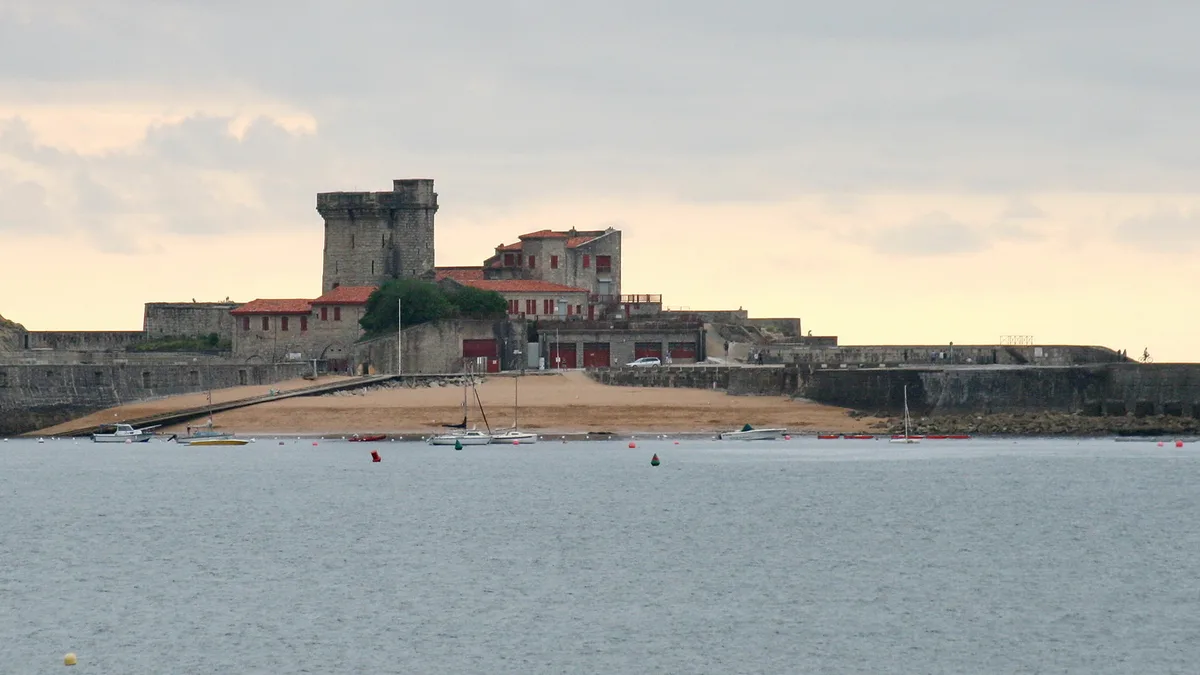
Plage de Socoa sits at the edge of Ciboure, where the ancient stone walls of Fort de Socoa rise directly from the shoreline and a lighthouse marks the tip of the breakwater beyond. The beach is compact — roughly 95 metres of golden sand — but what it lacks in length it makes up for in character. Turquoise water laps a mixed sand-and-rock shore, and the adjacent fishing harbour adds a working, salt-aired authenticity that bigger resort beaches can't match. It's quiet by nature, with a relaxed vibe that draws those who want history and scenery over beach bars and beach volleyball. Tidal variation shifts the beach width noticeably, so the experience changes hour by hour.
How to get there
From Ciboure, follow Avenue du Commandant Passicot — you'll reach the beach in around five minutes by car. Regular buses run from Saint-Jean-de-Luz station and cover the journey in about 15 minutes. Parking is available nearby in a mixed paid-and-free zone: in season, a paid zone operates daily from 9h to 19h30 with 30 minutes free included; outside season, parking is free. Spaces are limited near the fort and can fill on summer weekends, so arriving early or taking the bus is a smart move.
Who it's for
For couples
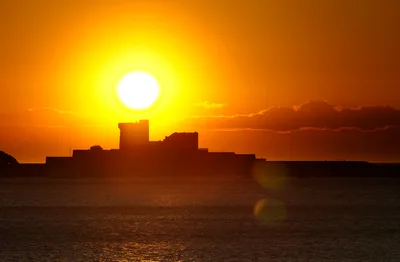
The combination of a quiet beach, a Vauban fort at arm's reach, and a working fishing harbour makes this a genuinely romantic stop — unhurried, historic, and far less hectic than the main Saint-Jean-de-Luz strands. Evening light on the fort walls is particularly striking.
For families
The safe swimming and easy access make Plage de Socoa a solid family choice, though parents should keep younger children away from the rocky northern end near the fort walls where the footing is uneven. The compact size means you can keep an eye on everyone without effort.
Our take
Plage de Socoa is safe to swim and easy to reach — that's the baseline, and it's a solid one. But the real draw here isn't the 95 metres of golden sand; it's the layered context. A Vauban fort at the water's edge, a lighthouse on the breakwater, a fishing harbour next door — this is a beach with a story, not just a postcard. It's quiet, which means it rewards those who show up rather than those who stumble in. The rocky northern end near the fort walls deserves respect, and tidal shifts mean the beach changes character through the day — check the tides. Come between June and September for the best conditions. Skip a peak summer weekend unless you're arriving early or on the bus, because parking near the fort is limited and fills fast. Worth the detour.
What to do
Fort de Socoa, a historic Vauban fortification, sits right at the beach edge and is the obvious first stop — the stone walls and harbour views make for a striking scene. A short distance away, the Pointe de Sainte Barbe offers a coastal walk with sweeping Atlantic panoramas. If you want to get on the water, Promenade en Mer Bateau Nivelle V runs boat trips from nearby, and Gurekin Plongée offers diving for those keen to explore below the surface. Back in Ciboure, Maison Ravel — the birthplace of composer Maurice Ravel — is a cultural detour worth the 1km walk.
The classic frame is from the beach looking up at Fort de Socoa's ancient stone walls with turquoise water in the foreground — shoot at low tide on a clear morning for maximum impact.
The lighthouse on the breakwater photographed from the golden sand at the harbour edge is a strong second composition, especially at golden hour when the light catches the stonework.
Where to eat
For something casual and close, Pizza Arteka is just 0.6km away, while Le Restaurant du café de la plage — a short 0.7km stroll — covers seafood, burgers, salads, and tapas with a beachside spirit. Further along, Kaïku, L'Artha, and Restaurant Hor Dago (regional Basque cuisine) are all around 1.6km from the beach and offer a step up in ambition for an evening meal.
Where to stay
Several hotels cluster around 1.7–1.8km from the beach, giving you easy access without sleeping on top of the tourist trail. Ohartzia, Hôtel de la Plage, and Hôtel Txoko are all within 1.7km, while L'Océan and the Hôtel Thalazur Saint-Jean-de-Luz sit just 1.8km out.
Photography
The best shot on this beach is from the sand looking toward the fort — Fort de Socoa's stone walls framing the turquoise water with the lighthouse on the breakwater behind, best captured in the soft golden light of early morning before visitors arrive. For a wider composition, walk toward the harbour edge at low tide when the golden sand is at its most generous and the fishing boats add foreground interest.
Good to know
The northern end of the beach, close to the fort walls, has rocky sections — watch your footing and keep children away from the base of the stonework. Tidal variation affects how much sand is exposed, so check tide times before you go if you're planning a long session. Swimming is rated safe, but stay clear of the rocky northern fringe where the seabed becomes uneven. The beach surface is a mix of sand and rock, so water shoes are worth packing.
GAMES
🕹️ Five minutes of sand?
Three daily games — including the UV simulator set to this beach.
Map
Nearby places
Pizza Arteka
Le Restaurant du café de la plage
Kaïku
L'Artha
Restaurant Hor Dago
Ohartzia
Hôtel de la Plage
Hôtel Txoko
L'Océan
Hôtel Thalazur Saint-Jean-de-Luz
Pointe de Sainte Barbe
Promenade en Mer Bateau Nivelle V
Gurekin Plongée
Things to see around Ciboure
Fort de Socoa
Église Saint-Jean-Baptiste
Maison Ravel
Birthplace of composer Maurice Ravel in Ciboure, now a heritage site.
GIFT
🎁 Gift this beach
Its exact coastline, your date, your words — on a print or a PDF you print yourself.
Socoa Beach
THAT DAY
Socoa Beach, Nouvelle-Aquitaine
© OpenStreetMap contributors
Clean & decorative, or “That day” with the real sky of your date.
Shipping included 3-6 business days
A question before you order? Contact us
Delivered within minutes on the confirmation page and by email: a ZIP with all 4 print sizes (30×40 cm, 12×16″, 50×70 cm, 18×24″), each as a high-resolution PDF and PNG (300 dpi), plus a screen version. Print at home or at any print shop.
Please complete the delivery address.
Please accept the Terms of Sale.
Almost there — the shop opens very soon.
Secure payment · Printed locally in 30+ countries · 7 languages
Frequently asked
The information on this page is provided for guidance only and may evolve. Access conditions, safety and infrastructure can change without notice. Always check official sources before traveling.
Nearest beaches
Other relaxed beaches in France
More beaches in Nouvelle-Aquitaine
Reviews of this beach
- No reviews yet, what a shame — leave yours and share your experience.
Photo credits
Sources and licenses for the photos shown above.
- Photo 1 — jssz · source · CC BY-SA 2.0
- Photo 2 — Garuna bor-bor · source · CC BY-SA 2.0
- Photo 3 — kurtsik · source · CC BY-SA 3.0
- Photo 4 — marsupilami92 · source · CC BY 2.0
- Photo 5 — Garuna bor-bor · source · CC BY-SA 2.0
- Photo 6 — Raphael Isla · source · CC BY-SA 4.0