Lion-sur-Mer BeachFrance Beach Guide
Golden sands, D-Day history, and dramatic geological cliffs
About
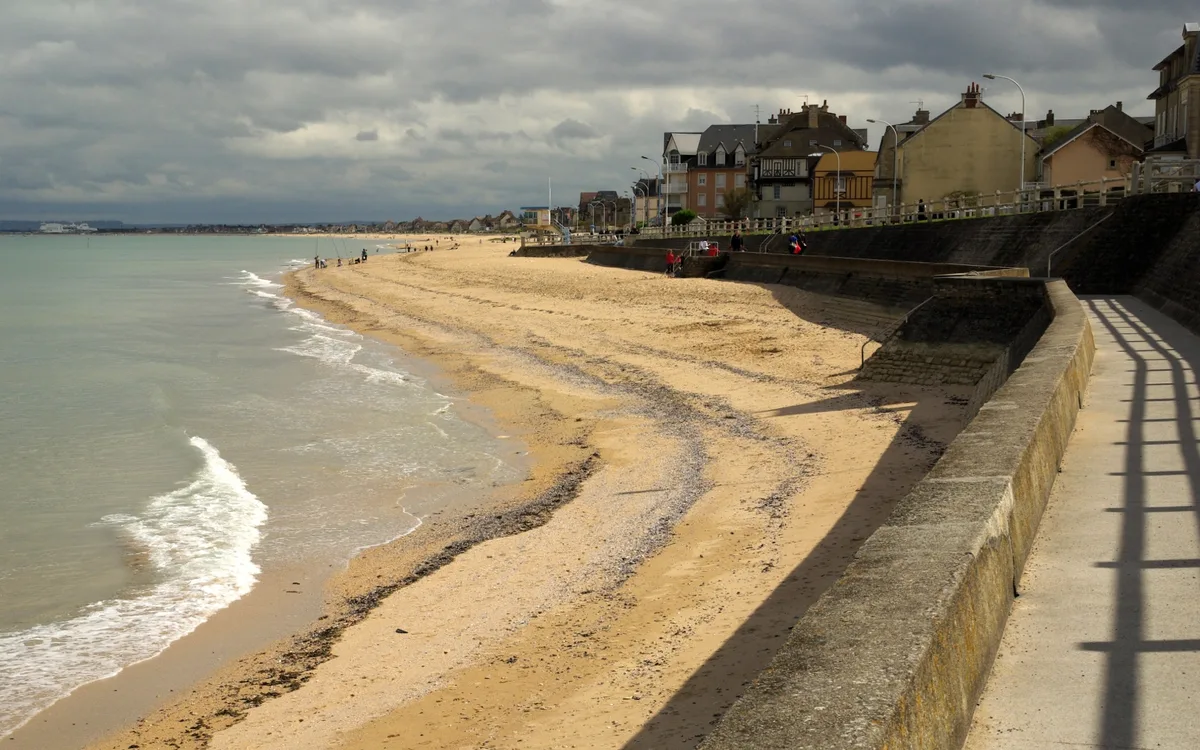
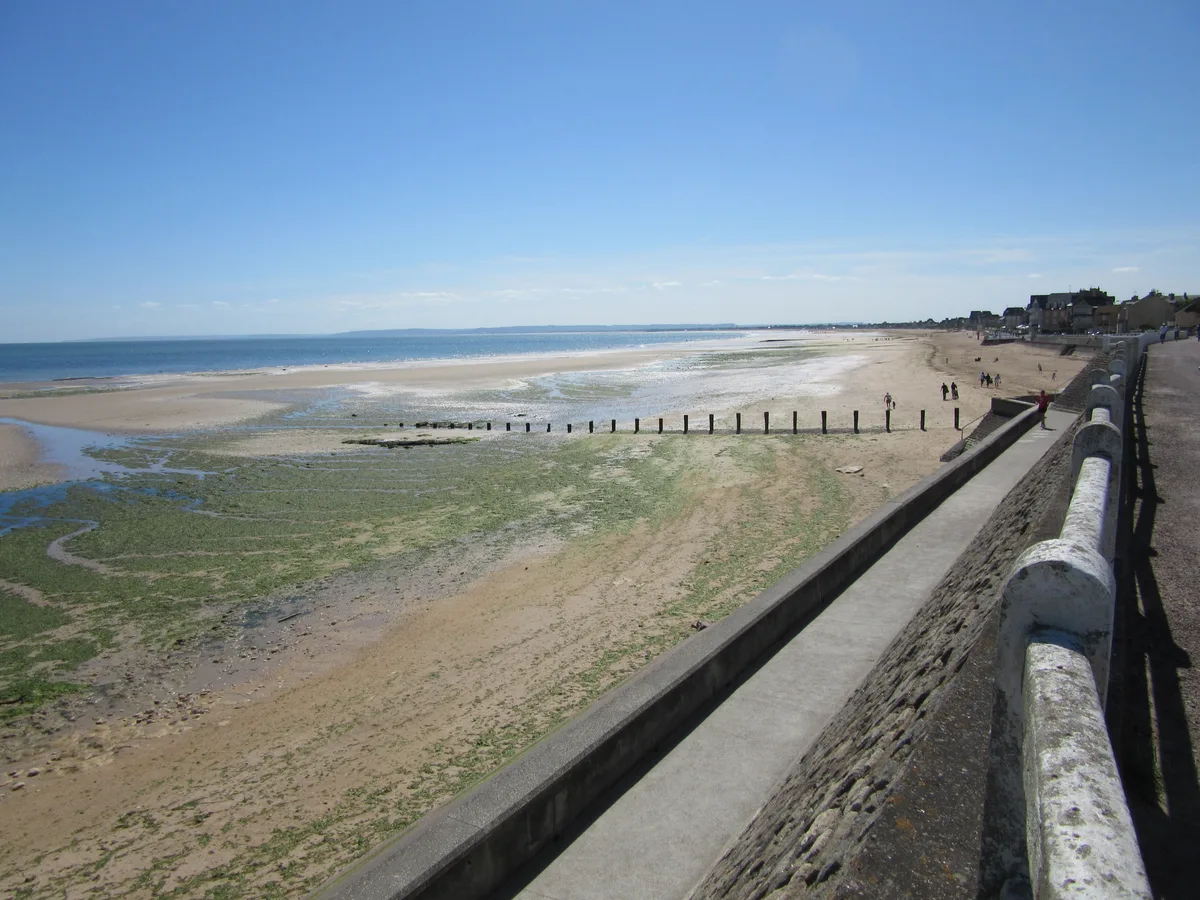
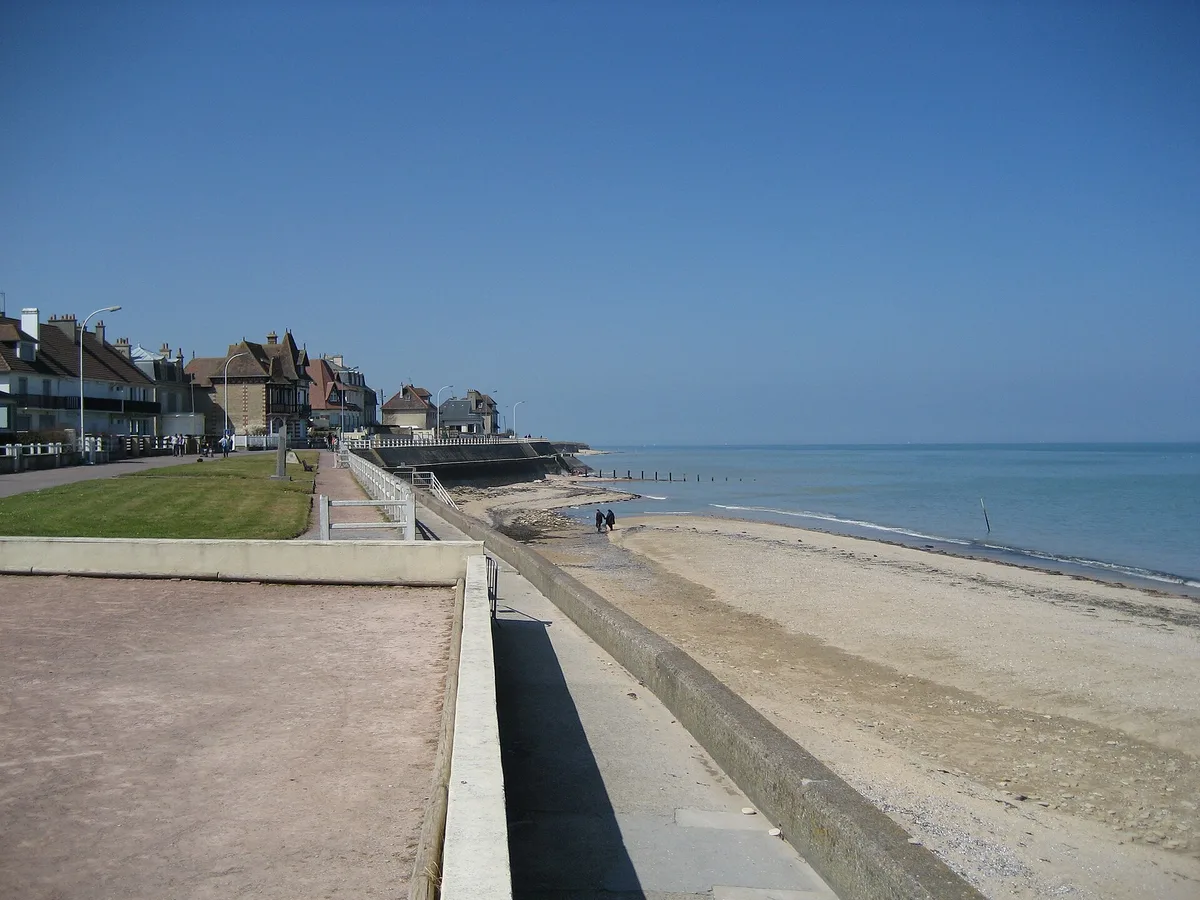
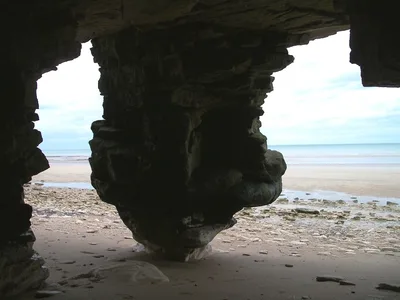
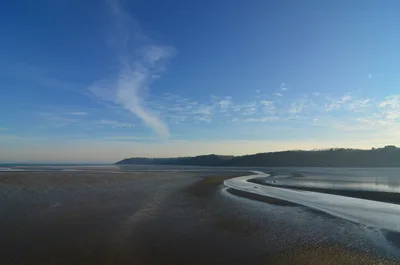
Plage de Lion-sur-mer stretches roughly 1,200 metres along the Côte Fleurie in Calvados, Normandy — a wide, quiet sweep of golden sand where the Channel light shifts constantly overhead. To the west, the Confessionnaux Cliffs rise with small caves carved into the rock and fossil formations embedded in the stone, giving the beach a geological character you won't find on most Norman shores. The water runs crystal clear, and the tidal range here is extraordinary — around seven metres — so the beach transforms completely between high and low tide. This is D-Day country: the weight of history sits quietly alongside the everyday rhythm of families and walkers. It's calm, accessible, and genuinely worth the drive from Caen.
How to get there
From Caen, Lion-sur-mer is a straightforward 20-minute drive north. If you're crossing from the UK, daily ferries run from Portsmouth — budget around six hours at sea before you reach Normandy. Parking is free and easy: several public car parks sit close to the beach, so arriving by car is the most practical option. There's no entry fee to the beach itself.
Who it's for
For couples
Low tide reveals a vast expanse of golden sand that feels almost private — walk west toward the Confessionnaux Cliffs at dusk for a quietly dramatic backdrop that needs no filter. The beach's naturally quiet character means you'll rarely feel like you're sharing the moment.
For families
Free parking, easy beach access, and a long flat stretch of golden sand make logistics simple for families. The beach is wheelchair-accessible, and the fossil formations in the cliffs give curious kids a genuine reason to look closely — just enforce the ten-metre cliff safety distance firmly.
Our take
Lion-sur-mer doesn't shout. It's a quiet, historically layered beach that rewards visitors who pay attention — to the tides, to the cliffs, to the fossils underfoot. The seven-metre tidal range is not a selling point to romanticise; it's a real force that demands respect and tide-table discipline before every visit. Stay ten metres clear of the Confessionnaux Cliffs — the collapse risk is genuine. Get those two things right, and what you have is one of the more distinctive beaches in Normandy: golden sand, crystal-clear water, extraordinary geology, free parking, and D-Day history within fifteen kilometres in every direction. Come between June and September. Skip the winter months entirely.
The Confessionnaux Cliffs at low tide are the standout shot — caves and fossil-studded rock faces frame the golden sand in a way that's genuinely unusual for northern France.
Shoot from a safe distance of at least ten metres from the cliff base. At high tide, the crystal-clear water reflecting the wide Norman sky gives a cleaner, more open composition from the waterline.
Where to eat
La Fabrique sits just 100 metres from the beach and is the most convenient stop for a meal or a break. For a wider choice, the Caen area offers well-regarded options including Le Bistronome and Bœuf & Cow, both around 13-14 kilometres away and consistently well-reviewed.
Where to stay
The Novotel Caen Côte de Nacre is the closest solid option at under 12 kilometres, well-reviewed and practical for a beach-and-history itinerary. In central Caen, The People Caen earns strong ratings and puts you within easy reach of the city's restaurants and the Memorial Museum.
Photography
Golden hour before sunset hits the Confessionnaux Cliffs from the west and brings out the warm tones in both the rock and the sand — arrive at low tide for maximum foreground. Overcast mornings soften the light beautifully on the crystal-clear water and keep the beach at its quietest.
Good to know
The tidal range of approximately seven metres is the single most important thing to understand before you visit — the sea retreats a long way and returns fast, so always check local tide tables before walking out toward the water's edge. Channel currents are real and should be respected; swimming is rated moderate, not casual, so keep children close and stay aware of conditions. The Confessionnaux Cliffs are spectacular, but do not approach closer than ten metres — cliff collapse is an active risk, not a theoretical one. November through February brings cold water and rough seas; plan your visit between June and September for the best conditions.
GAMES
🕹️ Five minutes of sand?
Three daily games — including the UV simulator set to this beach.
Map
Nearby places
La Fabrique
L'Ecume des Mers
Bœuf & Cow
Pathé
Le Bistronome
The People Caen
Novotel Caen Côte de Nacre
Hôtel Mercure Caen Centre Port de Plaisance
Appart'City Classic Caen - Appart Hôtel
Things to see around Lion-sur-Mer
Pegasus Bridge
Historical D-Day site where British forces landed; bridge and museum.
Caen Memorial Museum
Major museum dedicated to 20th-century history and Battle of Normandy.
Confessionnaux Cliffs
Unique geological formations with small caves and fossils west of beach.
GIFT
🎁 Gift this beach
Its exact coastline, your date, your words — on a print or a PDF you print yourself.
Lion-sur-Mer Beach
THAT DAY
Lion-sur-Mer Beach, Normandy
© OpenStreetMap contributors
Clean & decorative, or “That day” with the real sky of your date.
Shipping included 3-6 business days
A question before you order? Contact us
Delivered within minutes on the confirmation page and by email: a ZIP with all 4 print sizes (30×40 cm, 12×16″, 50×70 cm, 18×24″), each as a high-resolution PDF and PNG (300 dpi), plus a screen version. Print at home or at any print shop.
Please complete the delivery address.
Please accept the Terms of Sale.
Almost there — the shop opens very soon.
Secure payment · Printed locally in 30+ countries · 7 languages
Frequently asked
The information on this page is provided for guidance only and may evolve. Access conditions, safety and infrastructure can change without notice. Always check official sources before traveling.
Nearest beaches
Other lively beaches in France
Reviews of this beach
- No reviews yet, what a shame — leave yours and share your experience.
Photo credits
Sources and licenses for the photos shown above.
- Photo 1 — Entomolo · source · CC BY-SA 3.0
- Photo 2 — etienne.baudon · source · Public Domain
- Photo 3 — Sovxx (Sovxx) · source · CC BY-SA 3.0
- Photo 4 — nymphnode · source · CC BY-ND 2.0