Clef BeachFrance Beach Guide
Wild Atlantic cove framed by rocks, empty by nature
About
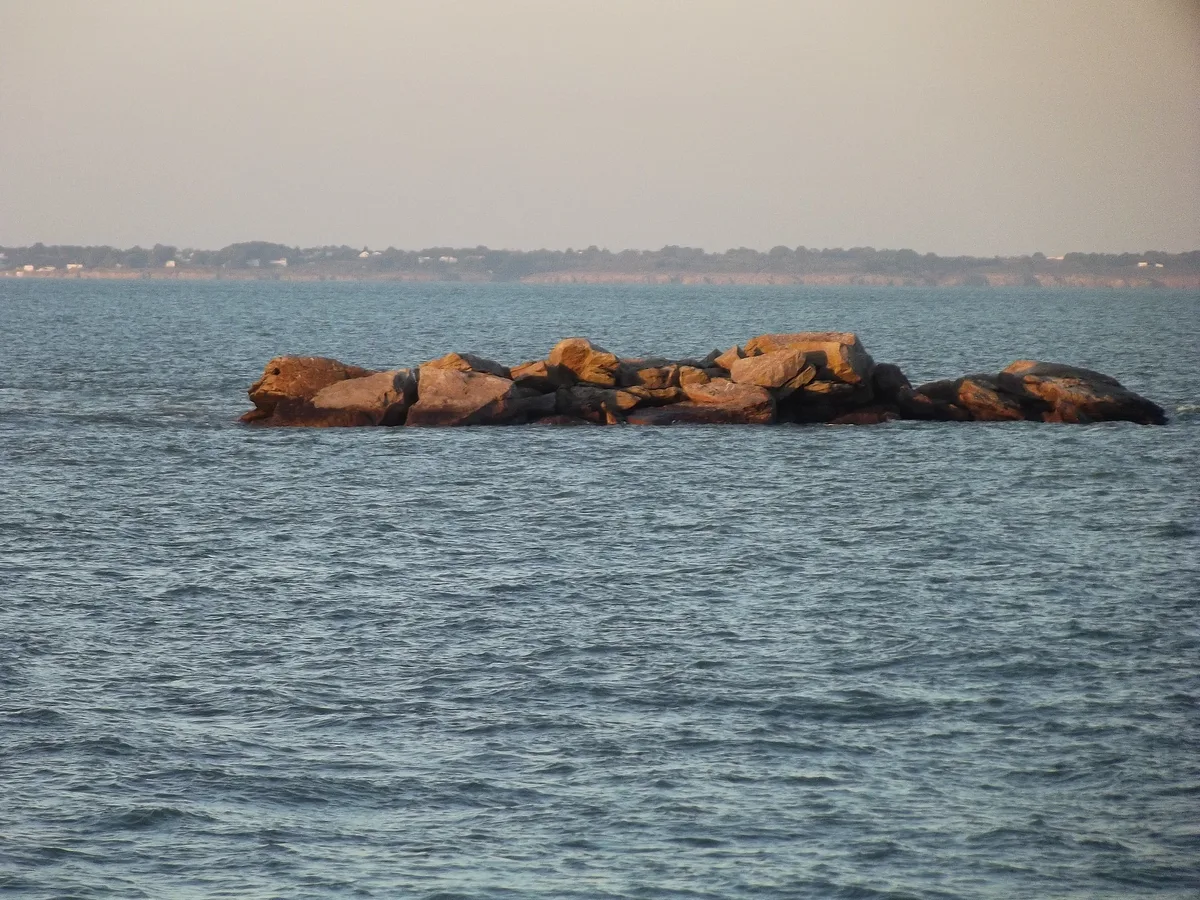
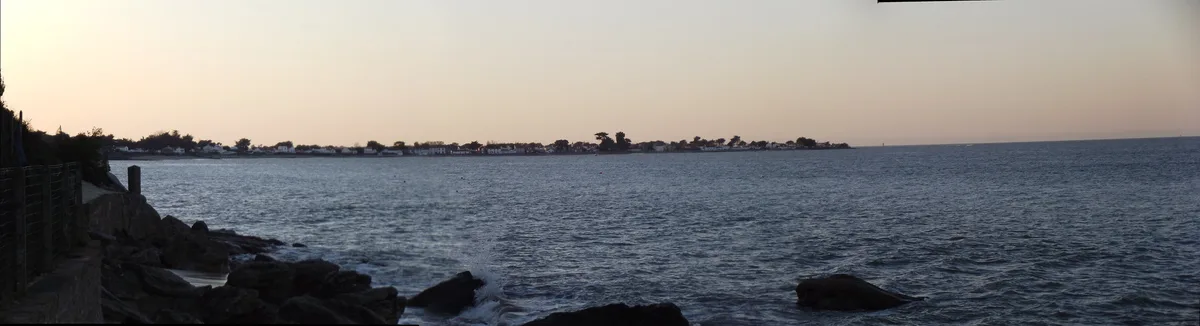
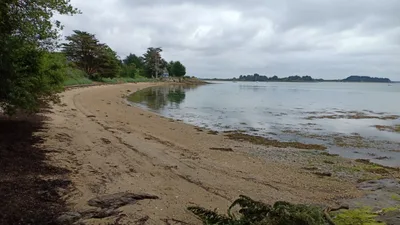
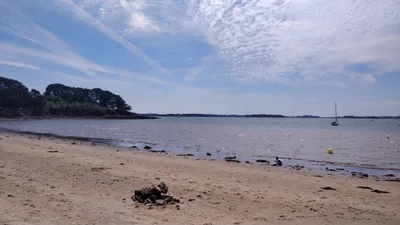
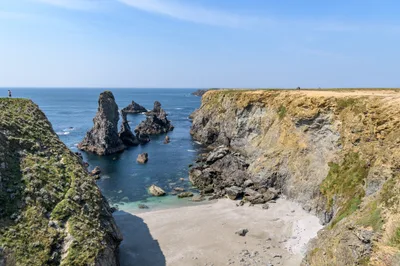
Plage de la Clef is a compact, untamed cove on the western edge of Île de Noirmoutier, where two rocky outcrops reach out like arms to frame a short stretch of golden sand. The grey Atlantic rolls in with purpose here — this is not a lazy swimming beach, but a place where the wind carries salt and the horizon feels genuinely open. A gorse-lined footpath is the only way in, which keeps the beach reliably empty even in summer. At low tide, the rocky foreground transforms the shoreline into a textured, photogenic landscape. The vibe is wild and unpolished, and that's exactly the point.
How to get there
Plage de la Clef is reached on foot only — follow the gorse scrub path from Allée de la Clère in Noirmoutier-en-l'Île, a walk of roughly 10 minutes. There is no designated parking at the beach; the nearest roadside pull-off is a short walk away, so plan accordingly. No entry fee applies. The footpath and rocky-sandy terrain are not accessible by wheelchair.
Who it's for
For couples
The reliable emptiness and wild Atlantic atmosphere make this a genuinely private escape — bring a windbreak, settle between the rocks for shelter, and enjoy the kind of solitude that busier island beaches simply can't offer.
For families
Families with young children should approach with caution: there is no lifeguard, swimming is not safe, and the gorse path and rocky terrain require sturdy footwear. Older children who enjoy rock-pooling at low tide and coastal exploration will find it rewarding, but this is not a paddling beach.
Our take
Do not come to Plage de la Clef expecting a safe swim or a beach bar — neither exists. The safety picture is clear: rip currents run between the rock flanks, there is no lifeguard, and the Atlantic swell answers to no one. That said, for photographers, walkers, and anyone who finds beauty in raw, unmanaged coastline, this cove delivers something the island's more popular beaches cannot. The 10-minute hike through gorse keeps it empty, the twin rock outcrops frame every shot naturally, and the low-tide rocky foreground is genuinely striking. Come in June through September, check the SNSM conditions, keep your feet dry, and you'll leave with images and a sense of place that the busier stretches of Noirmoutier simply don't offer. Worth the detour — on its own terms.
What to do
The traditional fishing huts known as Cabanes de pêche are just 2.2 km away and offer a glimpse into the island's working maritime heritage. A short drive brings you to the Marais salants de Noirmoutier, where paludiers still harvest fleur de sel from centuries-old salt marshes — Le sel de Ronan at 4.4 km is a good stop for that. The Château de Noirmoutier, a 12th-century castle with a local history museum, is 3 km away and worth an afternoon. If you have children in tow, the Petit Train at 2.1 km is a gentle way to explore the island.
The twin rocky outcrops framing the cove are the hero shot — shoot from the waterline at low tide with the golden sand and grey Atlantic water filling the frame.
The gorse scrub path on approach offers a strong editorial angle, with the cove revealed dramatically as you crest the final bend.
Where to eat
The closest options are L'Anse Rouge and Le NO Tyra, both around 0.9 km from the beach — a reasonable walk after a morning on the sand. Les Prateaux at 1.1 km and La Potinière at 1.3 km round out the nearby choices. There is nothing on the beach itself, so bring water and snacks.
Where to stay
Hôtel Saint-Paul at 0.9 km is the closest base, putting you within easy walking distance of the cove. Les Prateaux and La Chaize, both at 1.1 km, offer alternatives at a similar distance, while Les Chandeliers at 1.3 km is a short stroll further. La Villa en l'Île at 1.1 km is another solid option if you prefer a more intimate setting.
Photography
The twin rocky outcrops are the defining shot — position yourself at the waterline at low tide when the rocky foreground adds depth and texture to the golden sand and grey Atlantic beyond. Early morning light from the east catches the cove at its most dramatic; return at dusk when the flanking rocks cast long shadows across the beach.
Good to know
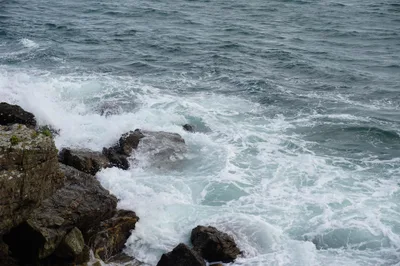
No lifeguard is posted here — ever. Rip currents can develop between the rock flanks, and Atlantic swell can build suddenly without warning; do not enter the water, regardless of how calm conditions appear. Before you visit, check the SNSM flag status for the area. Motorised vehicles are prohibited on the coastal path, and dogs are welcome year-round. Avoid the beach entirely between November and February, when Atlantic storms and strong westerlies make this exposed cove genuinely dangerous.
GAMES
🕹️ Five minutes of sand?
Three daily games — including the UV simulator set to this beach.
Map
Nearby places
L'Anse Rouge
Le NO Tyra
Les Prateaux
Le Retro
La Potinère
Hôtel Saint-Paul
Les Prateaux
La Chaize
La Villa en l'Île
Les Chandeliers
Things to see around Noirmoutier-en-l'Île
Château de Noirmoutier
12th-century castle in the island's main town with a local history museum.
Plage des Dames
The island's most popular Atlantic-facing beach with lifeguard supervision and facilities.
Marais salants de Noirmoutier
Traditional salt marshes still worked by paludiers producing fleur de sel.
GIFT
🎁 Gift this beach
Its exact coastline, your date, your words — on a print or a PDF you print yourself.
Clef Beach
THAT DAY
Clef Beach, Pays de la Loire
© OpenStreetMap contributors
Clean & decorative, or “That day” with the real sky of your date.
Shipping included 3-6 business days
A question before you order? Contact us
Delivered within minutes on the confirmation page and by email: a ZIP with all 4 print sizes (30×40 cm, 12×16″, 50×70 cm, 18×24″), each as a high-resolution PDF and PNG (300 dpi), plus a screen version. Print at home or at any print shop.
Please complete the delivery address.
Please accept the Terms of Sale.
Almost there — the shop opens very soon.
Secure payment · Printed locally in 30+ countries · 7 languages
Frequently asked
The information on this page is provided for guidance only and may evolve. Access conditions, safety and infrastructure can change without notice. Always check official sources before traveling.
Nearest beaches
Other wild beaches in France
Reviews of this beach
- No reviews yet, what a shame — leave yours and share your experience.
Photo credits
Sources and licenses for the photos shown above.
- Photo 1 — etienne.baudon · source · Public Domain
- Photo 2 — etienne.baudon · source · Public Domain
- Photo 3 — etienne.baudon · source · Public Domain