Paje BeachTanzania Beach Guide
White sand, kite lines, and serious trade winds

 🎁 Gift idea: the star map of your most beautiful night↓
About
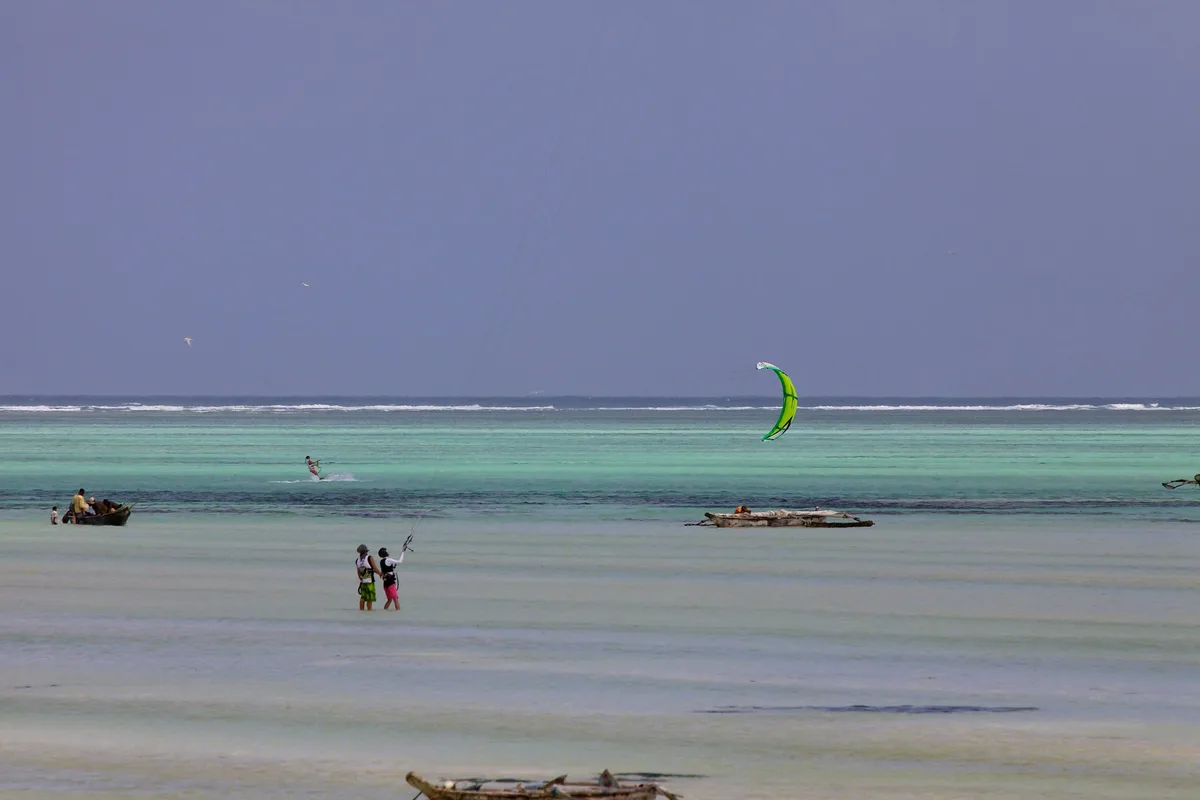
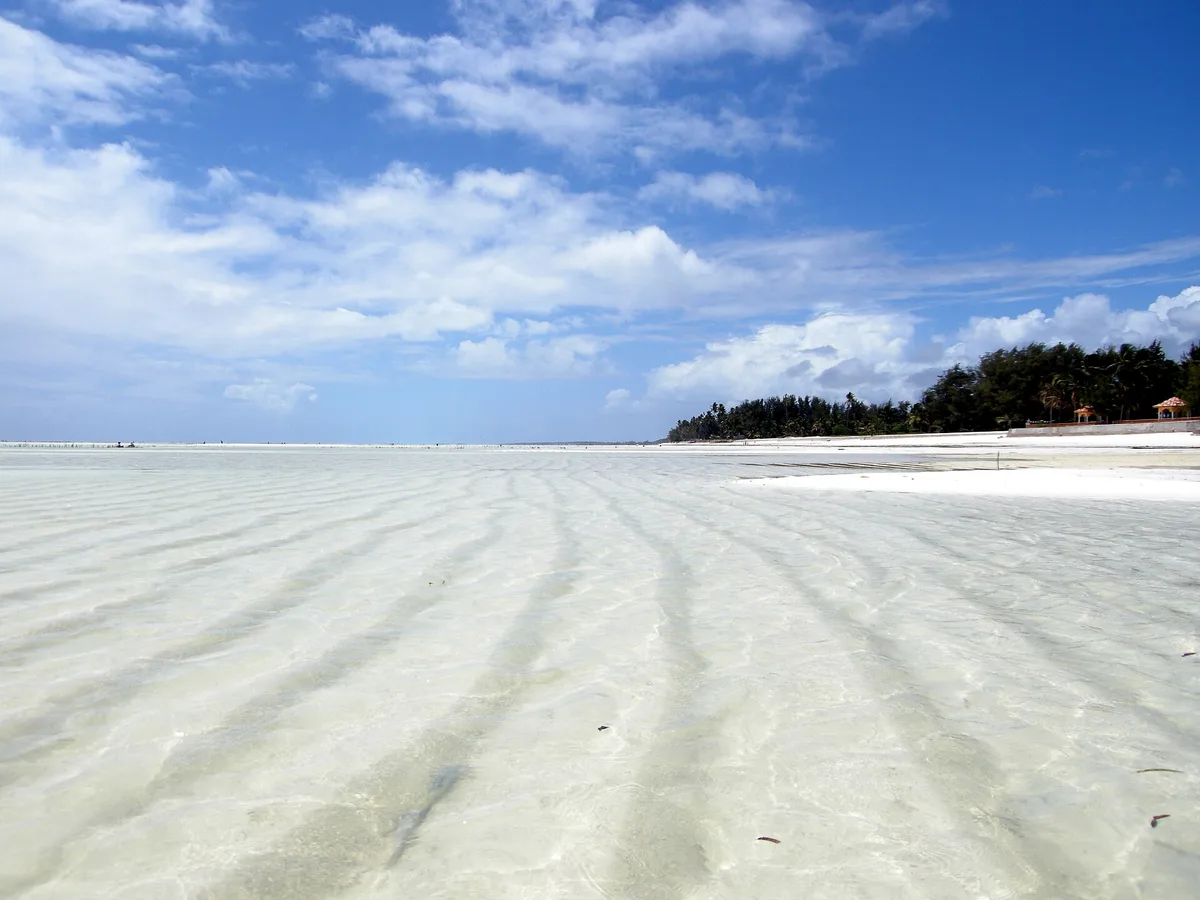
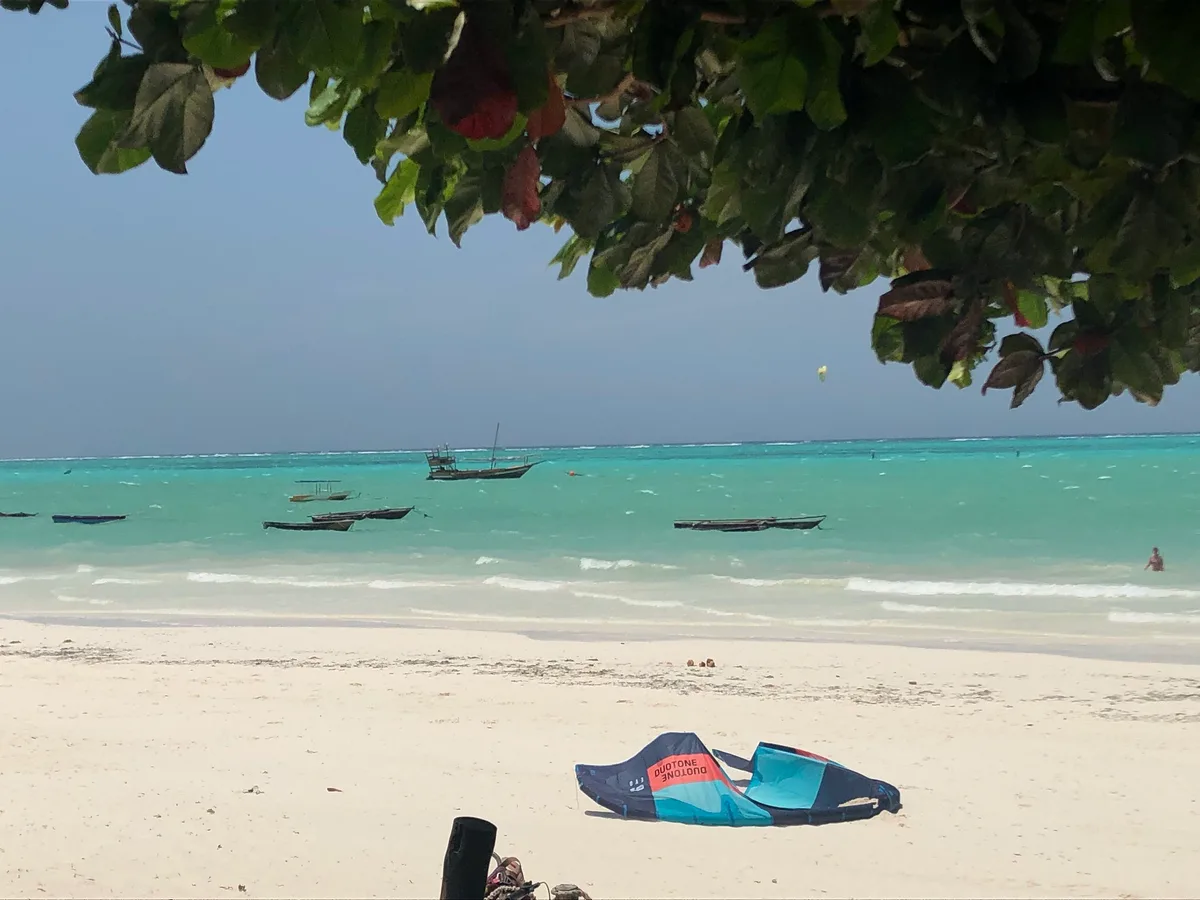
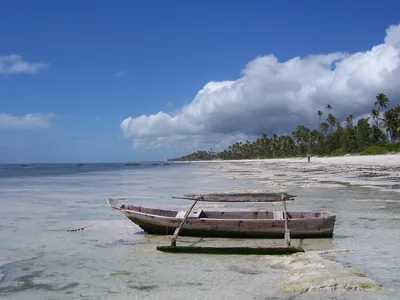
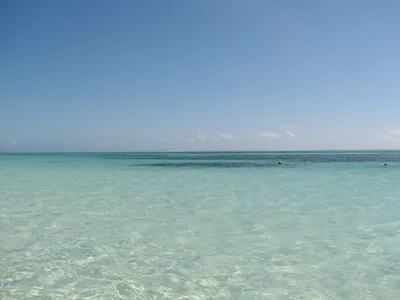
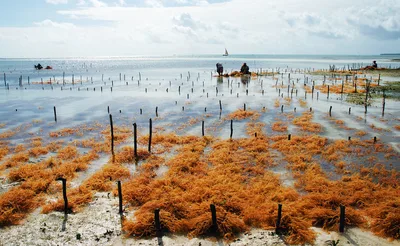
Paje stretches for roughly five kilometres along Zanzibar's southeast coast, its white sand giving way to a vast tidal flat lagoon that turns turquoise at high tide and drains to a shallow, pole-dotted expanse at low. The consistent kusi trade winds that barrel in from the Indian Ocean have made this one of East Africa's premier kitesurfing destinations — you'll hear kites humming overhead before you even reach the shore. Seaweed farming poles stud the lagoon in neat rows, a reminder that this is a working coastline as much as a holiday one. The backpacker social scene is real and lively, with kite schools, guesthouses, and open-air bars clustered along the beach road. It's busy, it's energetic, and it makes no apologies for either.
How to get there
From Stone Town, Paje is about a 60-minute drive — the most straightforward option is hiring a car or shared taxi, with daily services available. A ferry connection also exists for those arriving by sea. Informal free parking is available near the guesthouses and kite schools, so driving is genuinely hassle-free. There's no entry fee to the beach itself.
Who it's for
For couples
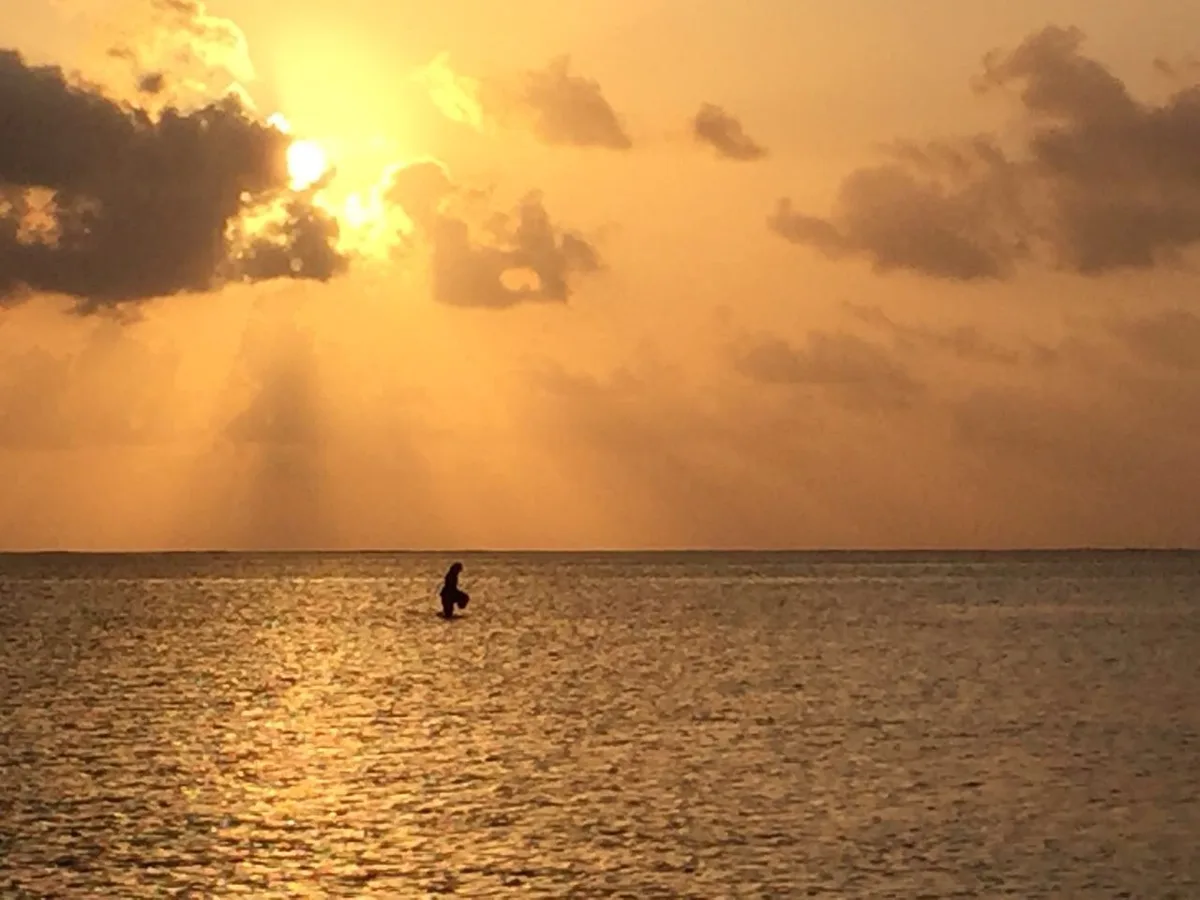
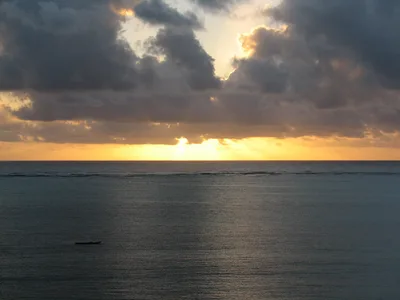
Couples who share an active streak will find Paje genuinely rewarding — learning to kite together, then watching the sun drop over the lagoon from one of the beachside restaurants, makes for a full and memorable day. It's not a quiet romantic retreat, but the energy is infectious rather than overwhelming.
For families
Families with young children should plan carefully around the tides — the lagoon is only safe for swimming at high tide, and stonefish and sea urchins in the shallows mean water shoes are non-negotiable for kids. Older children interested in watersports or curious about seaweed farming will find plenty to engage with.
Our take
Paje is one of those places that has a clear identity and owns it completely. The kusi winds, the vast tidal lagoon, the kite schools, the backpacker guesthouses — it all adds up to a beach that knows exactly who it's for. That's a strength, but it also means if you came for solitude, you're in the wrong place. The tidal dynamics here are serious: the lagoon drains dramatically, stonefish are present, and kite lines on the beach demand constant awareness from non-kiters. Go in, eyes open, water shoes on, tide table checked. Do that, and Paje delivers a genuinely distinctive East African beach experience that's hard to replicate anywhere else on Unguja.
What to do
The obvious draw is kitesurfing: Zanzibar Kite Paradise, about 1.6km along the beach, is a dedicated kite centre catering to beginners and experienced riders alike, and the kusi winds make conditions reliable from June through October. A seaweed farm visit at around 0.8km gives you a grounded look at the local economy that shapes the lagoon's landscape. When you're ready to venture inland, Jozani Chwaka Bay National Park is 35km away — Tanzania's only national park on Zanzibar, famous for its endemic red colobus monkeys and mangrove forest. The quieter neighbouring beach of Jambiani, just 5km south, is worth an afternoon if the Paje energy gets too much.
The seaweed farming poles at low tide create an otherworldly geometric scene that photographs unlike anywhere else in East Africa — go wide and low.
The kite-filled sky above the turquoise lagoon at high tide is the classic Paje shot; late afternoon gives you warm light and active kites in the same frame. For something quieter, the white sand at the southern end of the beach at sunrise is clean and uncluttered.
Where to eat
Right on the doorstep you'll find Kitu Kitamu for African cooking, Zanzi Lovers Sea Food for regional seafood dishes, and Madame Marry Restaurant — all within 0.1km of the beach. Hungry Lion and a cluster of local food stalls round out the options if you want something quick and cheap between sessions.
Where to stay
Paje By Night and Paje Palace both sit around 0.5km from the water and are well-known stops on the backpacker circuit. Kite Active caters specifically to kitesurfers, while Shamba Village and Hakuna Matata Boutique offer slightly more relaxed alternatives at the same short distance from the beach.
Photography
Shoot the lagoon at low tide for the geometric rows of seaweed farming poles receding into the distance — early morning light keeps the white sand from blowing out. At high tide, position yourself at the water's edge looking south for kites against a turquoise lagoon backdrop; golden hour before sunset is the sweet spot.
Good to know
Swim only at high tide — the tidal flat drains extensively at low tide, and seaweed farming poles in the lagoon become a real hazard in shallow water. Stonefish and sea urchins are present in the shallows, so wear water shoes every time you wade in. Kite lines on the beach are dangerous for non-participants: stay well clear of the designated launch areas, which kite schools actively enforce. Respect the seaweed farming infrastructure — the poles and lines are someone's livelihood, not a photo prop.
GAMES
🕹️ Five minutes of sand?
Three daily games — including the UV simulator set to this beach.
Map
Nearby places
Kitu Kitamu
Hungry Lion
Madame Marry Restaurant
Local food
Zanzi Lovers Sea Food
shamba village
Paje By Night
Paje Palace
Kite Active
Hakuna matata boutique
Jozani Chwaka Bay National Park
Jambiani Beach
Stone Town (Zanzibar City)
Things to see around Paje
Jozani Chwaka Bay National Park
Tanzania's only national park on Zanzibar; home to endemic red colobus monkeys and mangrove forest
Jambiani Beach
Quieter neighbouring southeast-coast beach with seaweed farming and village atmosphere
Stone Town (Zanzibar City)
UNESCO World Heritage Site; historic Swahili-Arab trading city
GIFT IDEA · MARCEL ET LES BLONDES
🎁 Give a moment, not a thing


What’s the occasion?

 💑 Dating anniversaryTwo dates, two starry skies
 💍 Wedding anniversaryCotton, silver, golden…
 🎂 BirthdayTheir own newspaper front page
 👶 New babyThe stars on the day they were bornValentine’s DayOur two moons, as a print
Shipping €5, free from €49 · made to order, shipped within 48 hAlso: our engraved wooden bracelets, €23.90 →
Frequently asked
The information on this page is provided for guidance only and may evolve. Access conditions, safety and infrastructure can change without notice. Always check official sources before traveling.
Nearest beaches
Reviews of this beach
- No reviews yet, what a shame — leave yours and share your experience.
Photo credits
Sources and licenses for the photos shown above.
- Photo 1 — Konstantin Zamkov · source · CC BY 2.0
- Photo 2 — Mehmet Ratip · source · CC BY-SA 4.0
- Photo 3 — Matt Kieffer from London, United Kingdom · source · CC BY-SA 2.0
- Photo 4 — Matt Kieffer derivated work User:Omondi · source · CC BY-SA 2.0
- Photo 5 — Jadou5233 · source · CC BY-SA 4.0
- Photo 6 — mebrett · source · CC BY 2.0