Kichanga BeachTanzania Beach Guide
White sand, turquoise water, zero resort noise
 🎁 Gift idea: the star map of your most beautiful night↓
About
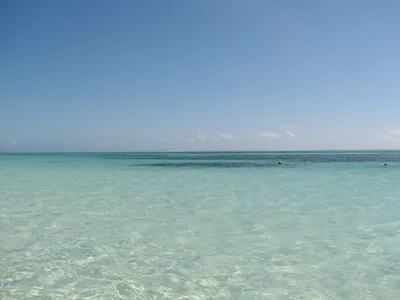
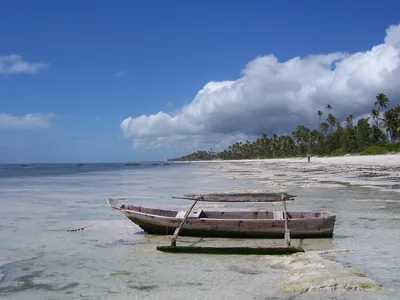
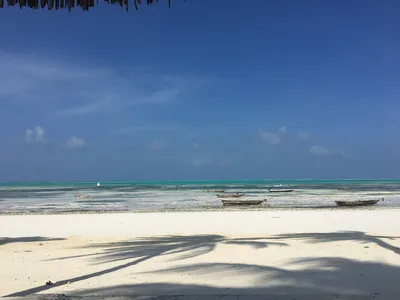
Kichanga sits on Zanzibar's northeast coast, a roughly 400-metre stretch of white sand backed by coconut palms rather than sun-lounger rows. The water runs a clear turquoise over a shallow reef flat, and on most days you'll have the whole place to yourself. It occupies a genuine gap in the resort corridor that lines this coastline — no beach bars, no touts, no infrastructure. Access runs through a working coconut plantation, which gives the approach a quietly rural feel that the polished resorts nearby have long since lost. This is what Zanzibar's beaches looked like before the developers arrived.
How to get there
From Stone Town, the drive takes around 65 minutes by car, heading northeast toward the Pingwe area. The final stretch follows a dirt track through the coconut plantation — ask villagers for directions, as the track isn't signposted. There is no formal parking; leave your vehicle at the plantation edge and walk in. A 4WD or bicycle is strongly recommended, because the track becomes impassable after heavy rain.
Who it's for
For couples
The combination of empty white-sand beach, turquoise water, and total absence of resort infrastructure makes Kichanga one of the more genuinely private stretches on the northeast coast — bring a picnic and you'll likely have it to yourselves.
For families
Kichanga suits families who are self-sufficient and comfortable with moderate access — the reef flat snorkeling is engaging for older children, but the complete lack of facilities means you must bring everything, including drinking water, from town.
Our take
Kichanga is one of the few places on Zanzibar's northeast coast where the beach hasn't been absorbed into a resort footprint, and that fact alone makes it worth the effort. The dirt-track access filters out anyone who isn't genuinely committed to getting there, which is exactly why the sand stays white and empty. Come prepared — no water, no shade structures, no rescue services — and treat the coconut plantation with the respect it deserves. Skip it entirely in March, April, and May unless you own a serious 4WD and enjoy mud. Time your visit for the dry season between June and October, check the tides before you wade onto the reef flat, and you'll find a stretch of Zanzibar coastline that still belongs to the island rather than to a hospitality brand.
What to do
The reef flat just offshore is the main draw — snorkeling here is rewarding when tides are right, with coral and fish visible in the turquoise shallows. Kiwengwa Beach is around 3km away and offers a contrast: a busier northeast-coast beach with all-inclusive resorts if you want amenities for part of the day. Matemwe Beach, roughly 4km north, gives views across to Mnemba Atoll — one of East Africa's top dive sites, about 10km offshore and accessible through operators like Chiriku Safari Zanzibar, rated 5 out of 5 and based about 15km away.
The coconut plantation track opening onto white sand makes a strong natural frame — shoot back toward the palms with the turquoise water behind you.
The reef flat at mid-tide offers clear, shallow water ideal for over-under shots if you have a waterproof housing. At low sun angles, the empty beach with no structures in sight is the cleanest wide shot on this stretch of coast.
Where to eat
Blue Lagoon, a seafood restaurant, is the closest option at around 0.7km from the beach — a practical stop before or after your visit. The Rock, roughly 2.1km away, is a well-known regional seafood spot built on a coral outcrop. For something more local, Chuale Local Food serves African cuisine at the same distance and is worth seeking out.
Where to stay
Karafuu Beach Resort and Ras Michamvi are both within 0.8km, making them the most convenient bases if you want to return to Kichanga on multiple days. Konokono Beach Resort, about 2km away, and Pweza Beach Bungalow at 1.9km offer quieter alternatives at a short distance from the beach.
Photography
Shoot in the early morning when the low equatorial sun hits the white sand at a flat angle and the turquoise water is at its calmest — the coconut palms framing the beach make a strong foreground. Late afternoon light works well too, particularly looking back toward the plantation track where the palms cast long shadows across the sand.
Good to know
Do not damage coconut trees or take coconuts — you're passing through a working plantation, and that access depends on local goodwill. The beach has zero facilities, so bring all your water and food before you leave town. Before snorkeling on the reef flat, check tidal conditions — the reef can be dangerously shallow at low tide. Avoid visiting in March, April, and May, when the long rains turn the dirt track into a mud channel that no ordinary car can handle.
GAMES
🕹️ Five minutes of sand?
Three daily games — including the UV simulator set to this beach.
Map
Nearby places
Blue Lagoon
Coconaut
The Rock
Chuale Local Food
Eden Paradise Zanzibar accomodation
Karafuu Beach Resort
Ras Michamvi
Karafuu
Pweza Beach Bungalow
Konokono Beach Resort
Chiriku Safari Zanzibar
Things to see around Kichanga
Kiwengwa Beach
Northeast-coast beach with all-inclusive resorts and reef snorkeling
Matemwe Beach
Northeast-coast beach with Mnemba Atoll views and reef access
Mnemba Atoll
Private coral atoll reserve; world-class diving and snorkelling
GIFT IDEA · MARCEL ET LES BLONDES
🎁 Give a moment, not a thing


What’s the occasion?

 💑 Dating anniversaryTwo dates, two starry skies
 💍 Wedding anniversaryCotton, silver, golden…
 🎂 BirthdayTheir own newspaper front page
 👶 New babyThe stars on the day they were bornValentine’s DayOur two moons, as a print
Shipping €5, free from €49 · made to order, shipped within 48 hAlso: our engraved wooden bracelets, €23.90 →
Frequently asked
The information on this page is provided for guidance only and may evolve. Access conditions, safety and infrastructure can change without notice. Always check official sources before traveling.
Nearest beaches
Reviews of this beach
- No reviews yet, what a shame — leave yours and share your experience.