Jambiani BeachTanzania Beach Guide
Seven kilometres of white sand, seaweed, and slow living
 🎁 Gift idea: the star map of your most beautiful night↓
About
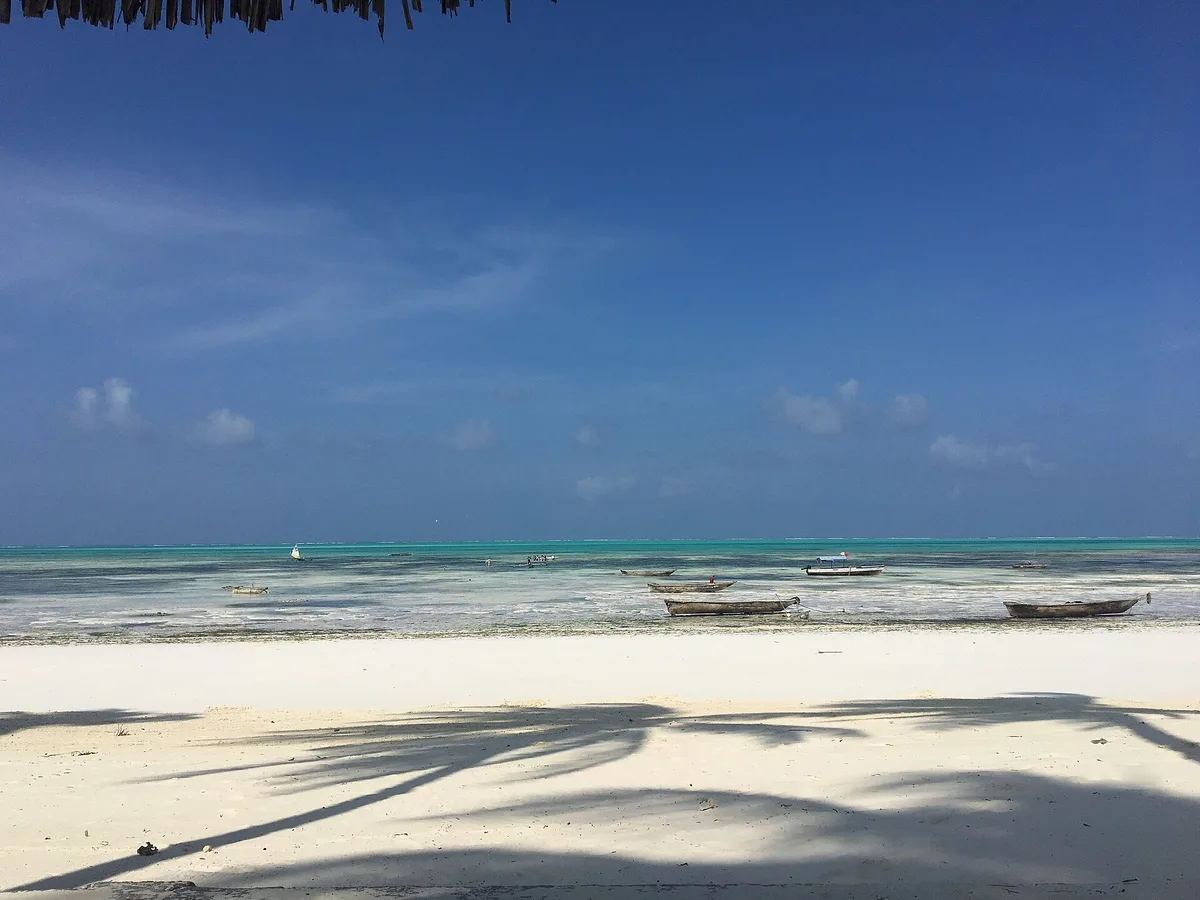
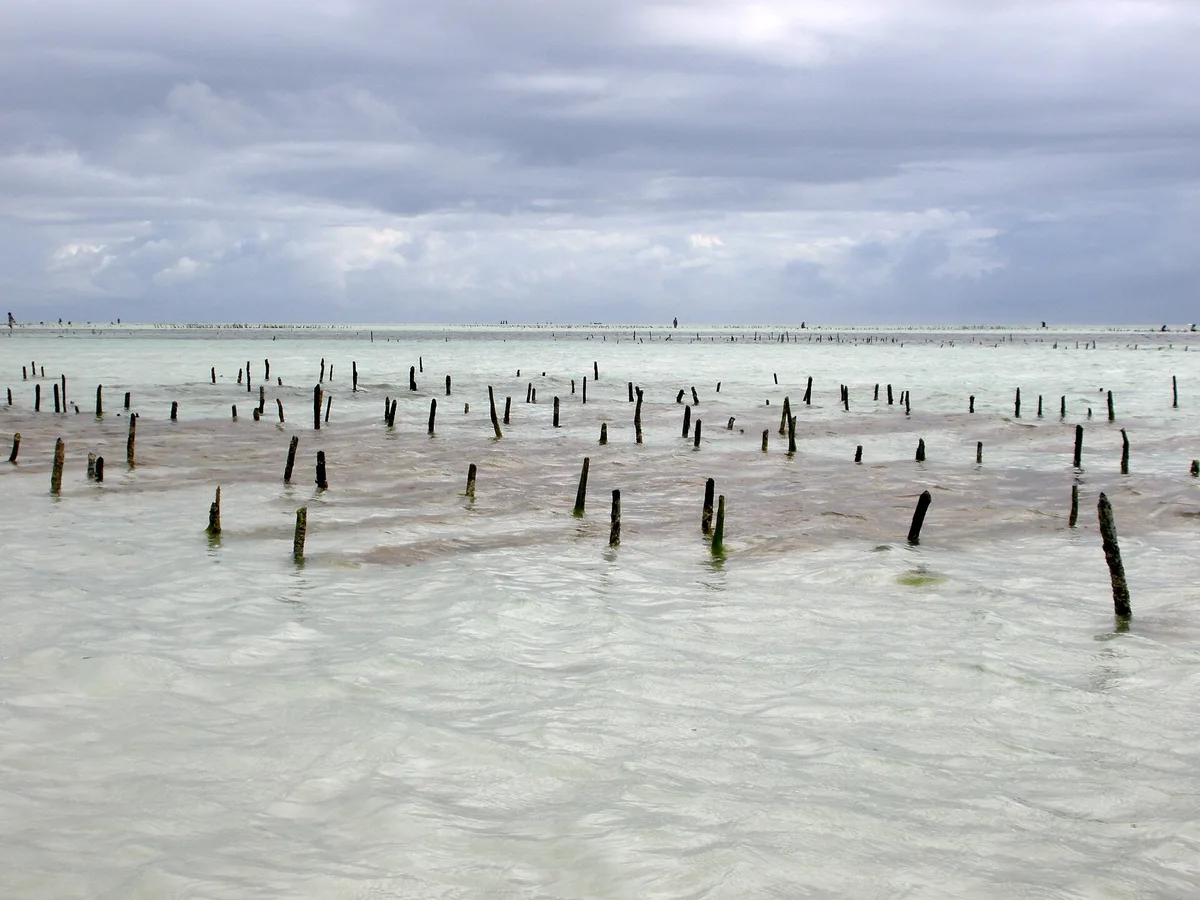
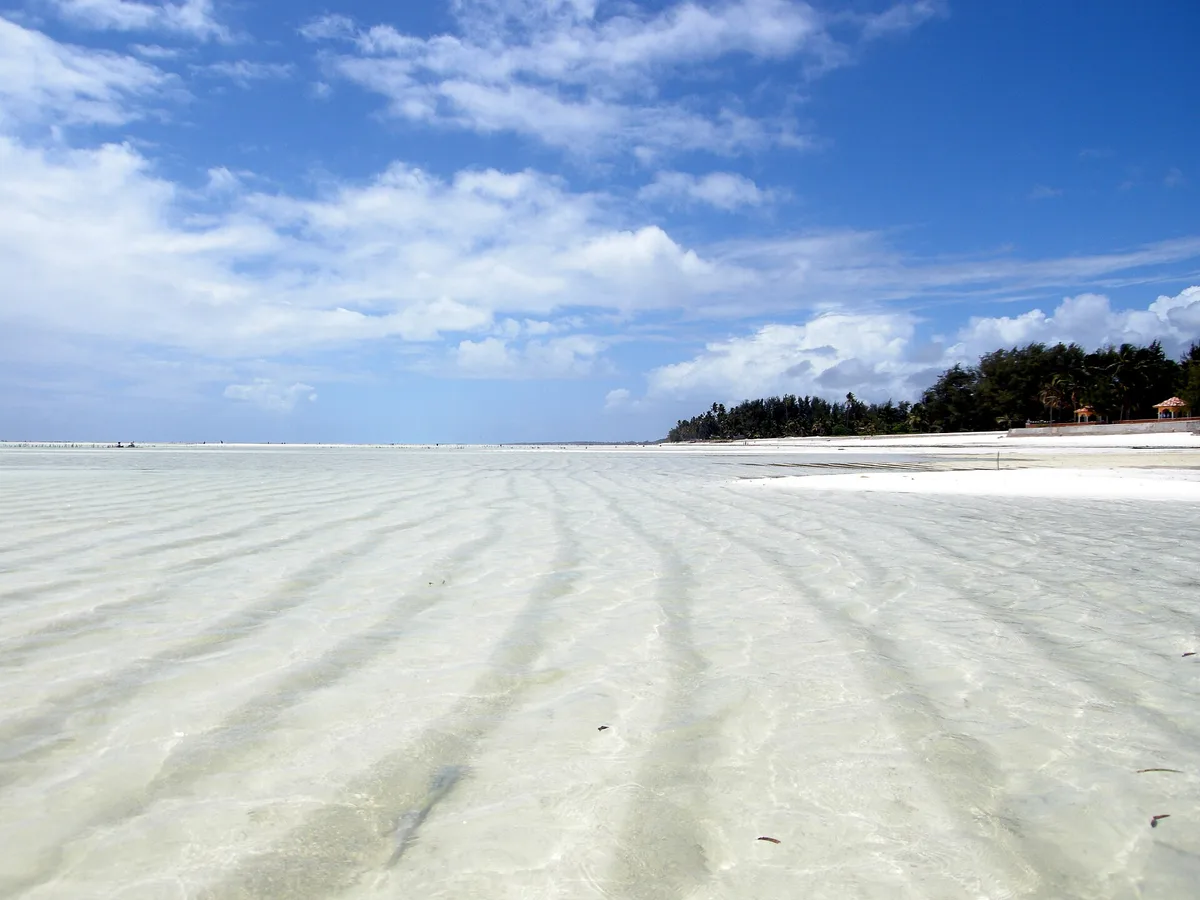
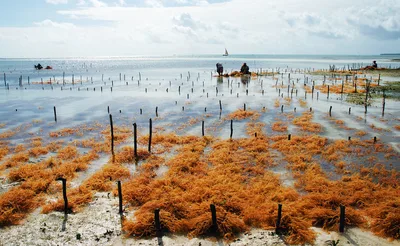
Jambiani stretches for an uninterrupted 6 km along Zanzibar's southeast coast, its white sand backed by a strip of budget guesthouses and a working village that has no interest in performing for tourists. The water is turquoise where it reaches you, but the tidal flat here is wide — at low tide the sea retreats far enough to expose rows of seaweed farming lines staked into the sand, a livelihood that defines this beach as much as any postcard view. The smell of seaweed at low tide is real and present; come prepared or time your visit to high tide. The vibe is unhurried and genuinely local, a pace that either suits you immediately or doesn't.
How to get there
From Stone Town, Jambiani is roughly a 65-minute drive — the most straightforward option and the one most visitors take. A ferry connection also exists for those arriving by sea. Parking near the guesthouses is informal and free. There's no entry fee.
Who it's for
For couples
Jambiani's quiet pace and long empty stretches of white sand make it easy to find space for yourselves — the lack of large resort infrastructure keeps the atmosphere genuinely low-key rather than performatively romantic.
For families
The wide, flat beach gives children room to run and explore at low tide, but parents should be aware that swimming is only safe at high tide due to the extensive tidal flat — plan the day around the tide table and keep younger swimmers close.
Our take
Jambiani is the kind of place that rewards visitors who aren't chasing a resort experience. The beach is genuinely beautiful — white sand, turquoise water, 7 km of it — but the tidal flat means you need to work with the sea's schedule, not against it. The seaweed farming is the honest heart of this place; it's not a backdrop, it's someone's income. If you can accept the low-tide smell and the modest village rules around dress, you'll find a stretch of Zanzibar coast that still belongs to the people who live here. Skip March through May without hesitation. Come between June and October for dry skies and the best swimming windows.
What to do
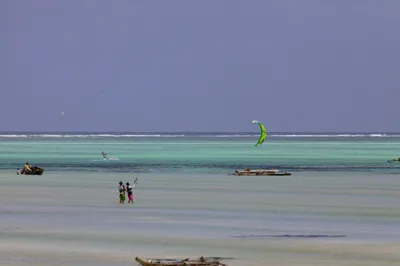
Kuza Cave sits just 1 km away and makes for an easy half-day detour from the beach. If kitesurfing is on your list, Zanzibar Kite Paradise is 4.1 km up the coast, and nearby Paje Beach — 5 km north — is East Africa's premier kitesurfing spot with consistent trade winds. A little further afield, Jozani Chwaka Bay National Park (18 km) is Tanzania's only national park on Zanzibar, home to endemic red colobus monkeys and mangrove forest worth the trip.
The seaweed farming lines stretching across the exposed tidal flat at low tide make a striking and unusual frame — shoot wide to capture the scale.
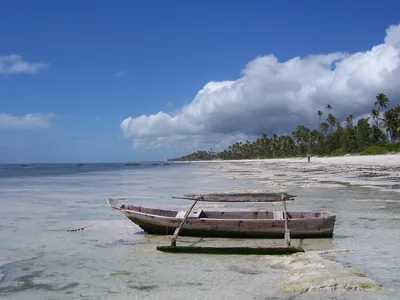
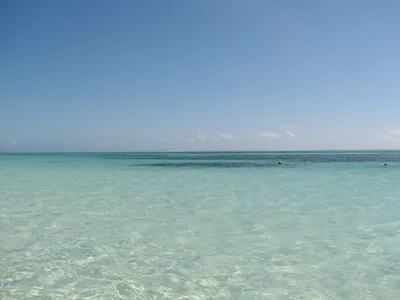
The 7 km uninterrupted white sand corridor, best photographed from water level at high tide, gives you clean turquoise water and an open horizon with no resort clutter in sight. Village lanes just behind the beach offer candid texture if you have permission and dress appropriately.
Where to eat
Kim's Restaurant and Step IN both serve African dishes within 200 m of the beach, good for straightforward local meals. Gadea Garden Restaurant blends seafood and Italian a short walk away, and La Shira and The Spot round out the options within 300 m if you want to vary your evenings.
Where to stay
Kasuku Villa and Residence Gadea Zanzibar are both within 100 m of the water, keeping things convenient. Jambiani Villas and Hôtel Equalia Rose are a little further along at 200 m, and Blue Oyster Hotel sits 300 m from the beach — all fitting the budget-to-mid-range character of the strip.
Photography
Shoot the seaweed farming lines at golden hour when the low tide exposes the full width of the tidal flat — the geometry of the stakes against the turquoise water is unlike anything else on the island. Early morning gives you soft light and an empty beach; the 7 km stretch means you can walk until the guesthouses disappear behind you.
Good to know
Swimming is only practical at high tide — the tidal flat is very wide and the water retreats a long way at low tide, so check the tide table before you plan your swim. The seaweed farming lines running across the sand are working infrastructure, not decoration; walk around them, don't disturb them, and treat the farmers with the same respect you'd give any working person. Jambiani is a Muslim-majority village — dress modestly when you step off the beach and into the lanes. Avoid March, April, and May, when the long rains bring rough seas and the beach loses much of its appeal.
GAMES
🕹️ Five minutes of sand?
Three daily games — including the UV simulator set to this beach.
Map
Nearby places
Kim‘s Restaurant
Gadea Garden Restaurant
Step IN
La Shira
The Spot
Kasuku Villa
Residence Gadea Zanzibar
Jambiani Villas
Hôtel Equalia Rose
Blue Oyster Hotel
Jozani Chwaka Bay National Park
Paje Beach
Stone Town (Zanzibar City)
Things to see around Jambiani
Jozani Chwaka Bay National Park
Tanzania's only national park on Zanzibar; endemic red colobus monkeys and mangrove forest
Paje Beach
East Africa's premier kitesurfing beach with consistent trade winds
Stone Town (Zanzibar City)
UNESCO World Heritage Site; historic Swahili-Arab trading city
GIFT IDEA · MARCEL ET LES BLONDES
🎁 Give a moment, not a thing


What’s the occasion?

 💑 Dating anniversaryTwo dates, two starry skies
 💍 Wedding anniversaryCotton, silver, golden…
 🎂 BirthdayTheir own newspaper front page
 👶 New babyThe stars on the day they were bornValentine’s DayOur two moons, as a print
Shipping €5, free from €49 · made to order, shipped within 48 hAlso: our engraved wooden bracelets, €23.90 →
Frequently asked
The information on this page is provided for guidance only and may evolve. Access conditions, safety and infrastructure can change without notice. Always check official sources before traveling.
Nearest beaches
Reviews of this beach
- No reviews yet, what a shame — leave yours and share your experience.
Photo credits
Sources and licenses for the photos shown above.
- Photo 1 — Jonathan Dalrymple · source · CC BY-SA 4.0
- Photo 2 — Matt Kieffer · source · CC BY-SA 2.0
- Photo 3 — Cécile Furet · source · CC BY-SA 4.0
- Photo 4 — Matt Kieffer from London, United Kingdom · source · CC BY-SA 2.0