Motu Tapu BeachFrench Polynesia Beach Guide
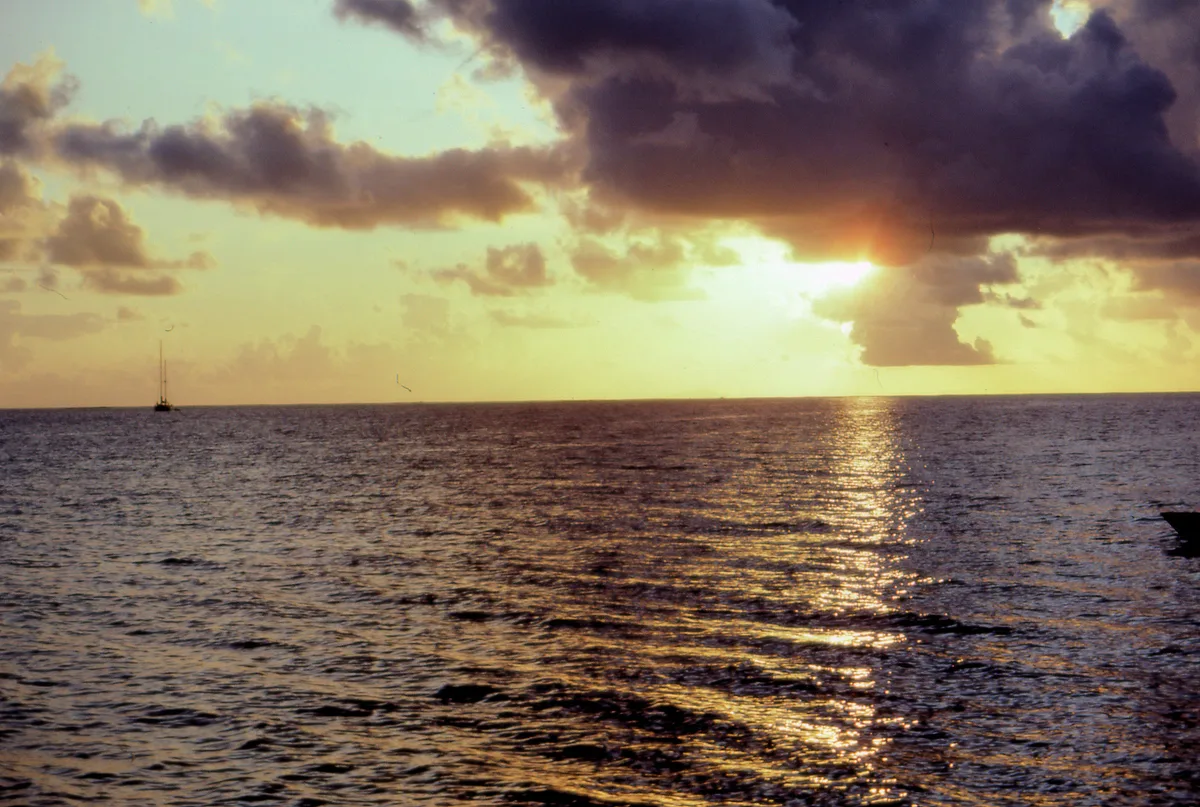
Bora-Bora's postcard motu, white sand, zero roads
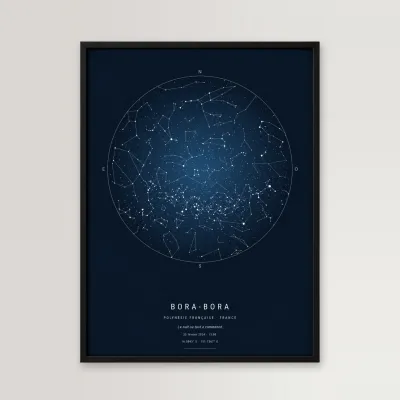 🎁 Gift idea: the star map of your most beautiful night↓
About
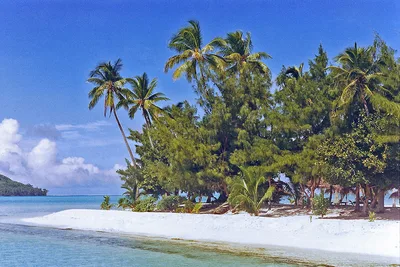
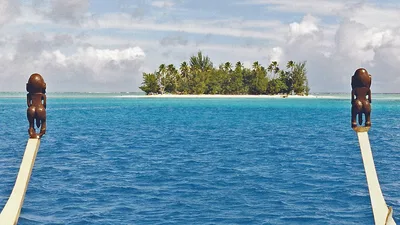
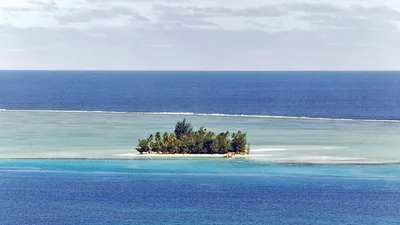
Motu Tapu is a small, uninhabited island sitting in the turquoise lagoon of Bora-Bora, French Polynesia. Its white sand shore stretches roughly 169 metres — compact, pristine, and framed by the volcanic silhouette of Mount Otemanu rising across the water. Coral reef shallows wrap the motu, colouring the lagoon in vivid turquoise and making every glance seaward feel composed for a photograph. No buildings, no roads, no permanent residents — just sand, reef, and sky. The romantic vibe here is earned, not marketed.
How to get there
Motu Tapu is boat-access only — reach it by boat from Vaitape or from resort jetties, a journey of around 20 minutes. There is no road to this motu and no parking of any kind; leave the car concept behind entirely. Day tours and lagoon excursions depart daily, but before you book, confirm with your operator that the tour includes an actual beach landing — many anchor offshore and never set foot on the sand.
Who it's for
For couples
Motu Tapu's romantic vibe is built on genuine isolation — an uninhabited white sand shore, turquoise water, and Mount Otemanu framing every quiet moment. It's the kind of place where two people and a picnic basket feel entirely sufficient.
For families
The safe swimming conditions and shallow coral reef shallows make Motu Tapu manageable for families with older children who can snorkel, though the boat-only access and complete lack of facilities mean you need to plan carefully and bring everything — sunscreen, water, snacks, reef shoes for the kids.
Our take
Be clear-eyed before you book: Motu Tapu is genuinely beautiful, but the experience lives or dies on whether your operator actually lands on the beach. Confirm that explicitly — many tours anchor offshore and call it done. Once you're on the sand, the setting delivers: white sand, turquoise lagoon, Mount Otemanu framing the horizon, and no permanent inhabitants to share it with. Wear reef shoes in the water — stonefish and coral cuts are real risks, not fine print. Stick to the dry season, May through October, for calm lagoon conditions and the visibility that makes snorkelling here worthwhile. At roughly 169 metres of shoreline, this is an intimate spot, not a sprawling beach day — treat it as a focused, unhurried experience.
What to do
The coral reef shallows surrounding the motu make snorkelling the obvious highlight. Just 1.2 km away, shark feeding excursions are available in the lagoon, and a snorkelling site around a sunken sailboat lies roughly 1.3 km out. Stingray encounters are available even closer, around 0.5 km from the motu. Back on the main island, Bora-Bora Lagoonarium, about 4 km away, offers guided snorkel sessions with rays and sharks in a semi-wild marine park.
The money shot is from the waterline looking toward Mount Otemanu — white sand foreground, turquoise lagoon mid-frame, volcanic peak behind: arrive early before tour boats cluster.
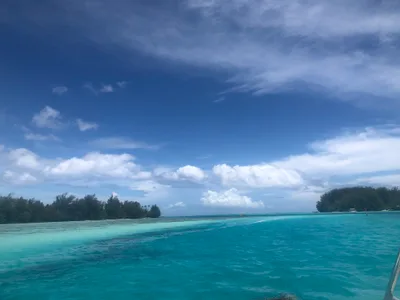
The coral reef shallows just off the shore reward an underwater angle, where the turquoise water and reef life create the postcard composition the motu is famous for.
Where to eat
There are no restaurants or food stalls on the motu itself — pack everything you need before you board. Back on the main island, MaiKai Marina & Yacht Club and Le Gecko are both around 2.2 km from Vaitape and make solid options for a meal before or after your lagoon trip. Bora Bora Yacht Club, about 2.5 km away, is another reliable choice for post-excursion dining.
Where to stay
Oa Oa Lodge, roughly 2.2 km from Vaitape, offers a more accessible base for budget-conscious travellers wanting to day-trip to the motu. For a resort experience, Conrad Bora Bora Nui sits about 2.9 km away, making it a convenient base for lagoon exploration.
Photography
The classic shot frames Mount Otemanu's volcanic peak across the turquoise lagoon with the white sand of the motu in the foreground — position yourself at the water's edge in the early morning for the softest light and fewest visitors in frame. At the reef shallows, an underwater camera captures the coral and fish life that make Motu Tapu one of Bora-Bora's most recognisable postcard compositions.
Good to know
Always confirm beach landing permission before booking your tour, as many operators anchor offshore only and you may never touch the sand. Be aware of currents even inside the lagoon — consult locals, obey any warning signs, and never assume calm water means safe water. Wear reef shoes: coral cuts are painful and stonefish are a genuine hazard in these shallows. Avoid visiting in January, February, and March, when heavy rain, rough lagoon conditions, and reduced visibility make the trip far less rewarding.
GAMES
🕹️ Five minutes of sand?
Three daily games — including the UV simulator set to this beach.
Map
Nearby places
MaiKai Marina & Yacht Club
Le Gecko
Maikai
Bora Bora Yacht Club
Le Panda d'or
Oa Oa Lodge
Conrad Bora Bora Nui
Things to see around Bora-Bora
Mount Otemanu
Extinct volcanic peak at 727m, the highest point of Bora-Bora and the island's defining landmark
Matira Beach
The only fully public beach on the main island of Bora-Bora, with shallow turquoise water
Bora-Bora Lagoonarium
Semi-wild marine park in the lagoon offering guided snorkel encounters with rays and sharks
GIFT IDEA · MARCEL ET LES BLONDES
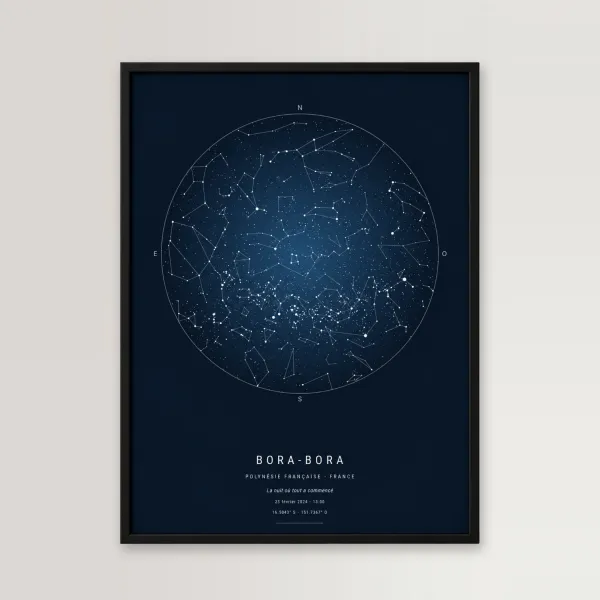
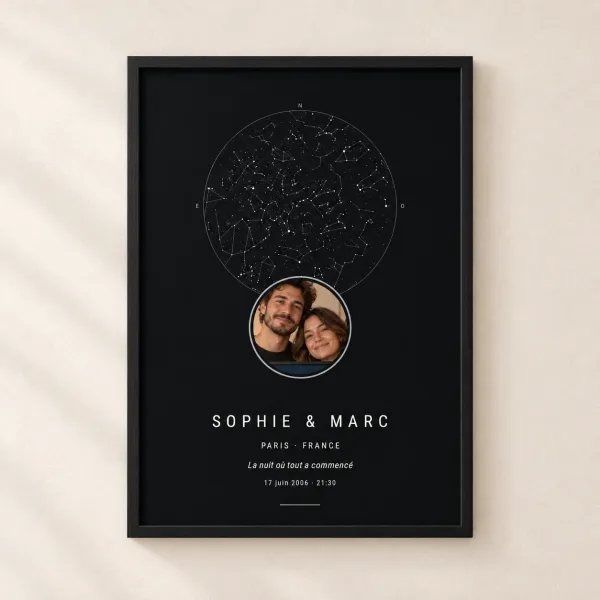
🎁 Give a moment, not a thing
What’s the occasion?

 💑 Dating anniversaryTwo dates, two starry skies
 💍 Wedding anniversaryCotton, silver, golden…
 🎂 BirthdayTheir own newspaper front page
 👶 New babyThe stars on the day they were bornValentine’s DayOur two moons, as a print
Shipping €5, free from €49 · made to order, shipped within 48 hAlso: our engraved wooden bracelets, €23.90 →
Frequently asked
The information on this page is provided for guidance only and may evolve. Access conditions, safety and infrastructure can change without notice. Always check official sources before traveling.
Other beaches in the region
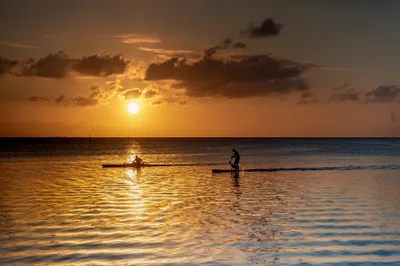
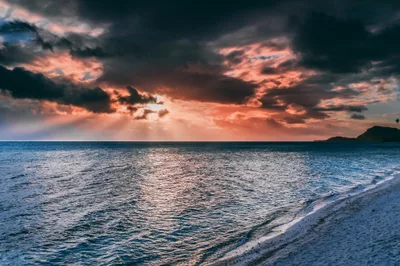
More beaches in Society Islands
Reviews of this beach
- No reviews yet, what a shame — leave yours and share your experience.
Photo credits
Sources and licenses for the photos shown above.
- Photo 1 — mjhbower · source · CC BY-SA 2.0
- Photo 2 — mjhbower · source · CC BY-SA 2.0
- Photo 3 — mjhbower · source · CC BY-SA 2.0
- Photo 4 — jimg944 · source · CC BY 2.0
- Photo 5 — jimg944 · source · CC BY 2.0