Maeva BeachFrench Polynesia Beach Guide
Ancient stone temples meet turquoise lagoon on Huahine
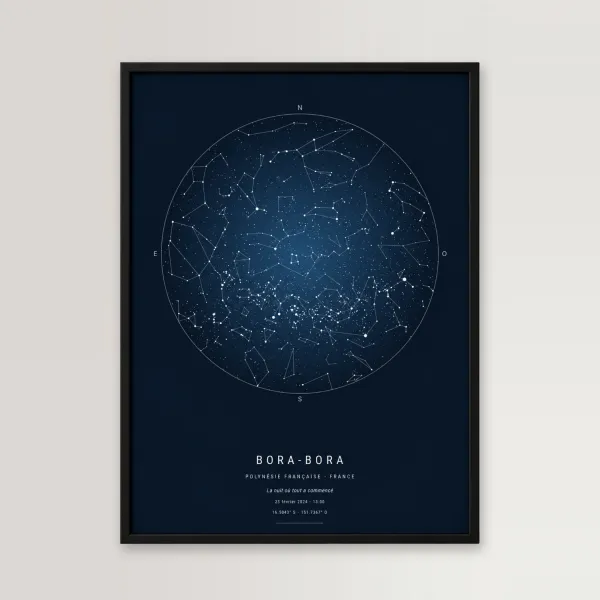
 🎁 Gift idea: the star map of your most beautiful night↓
About
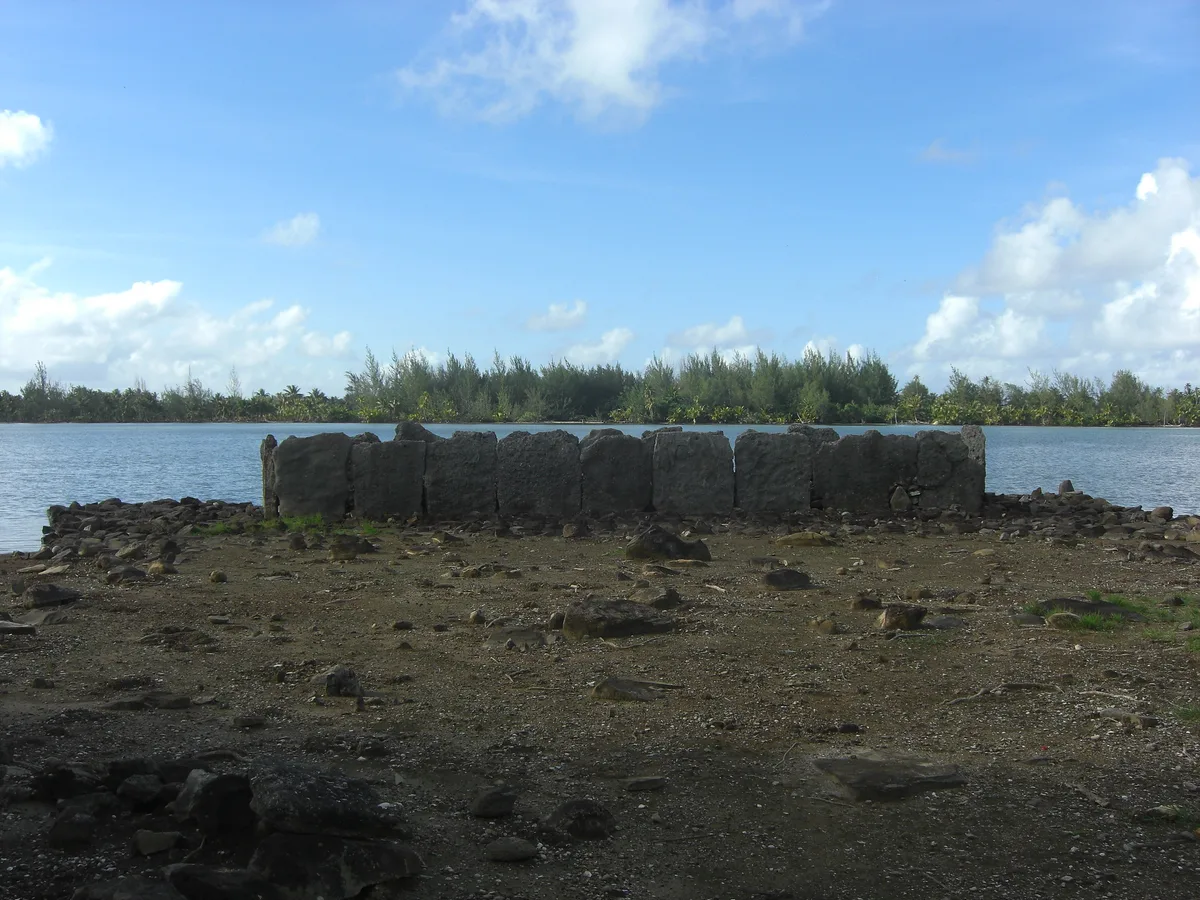
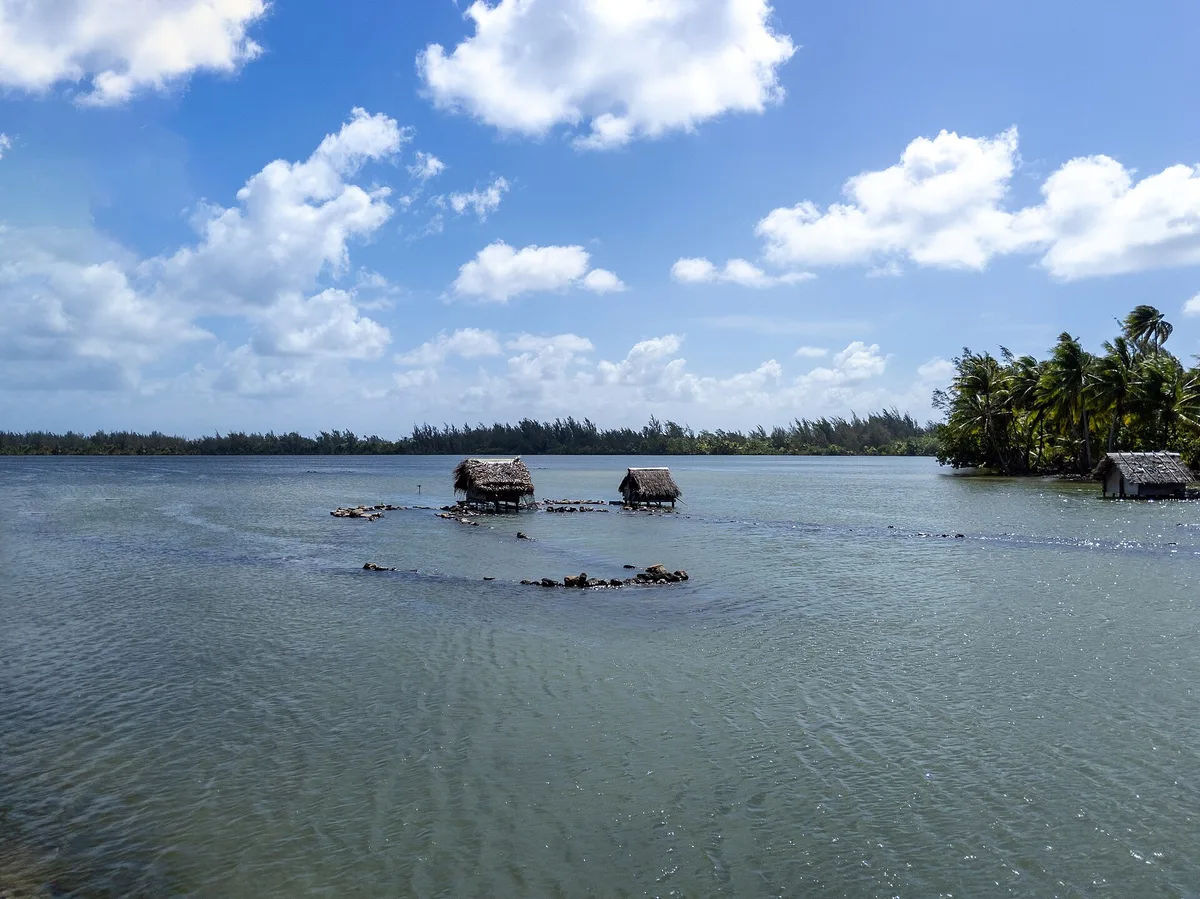
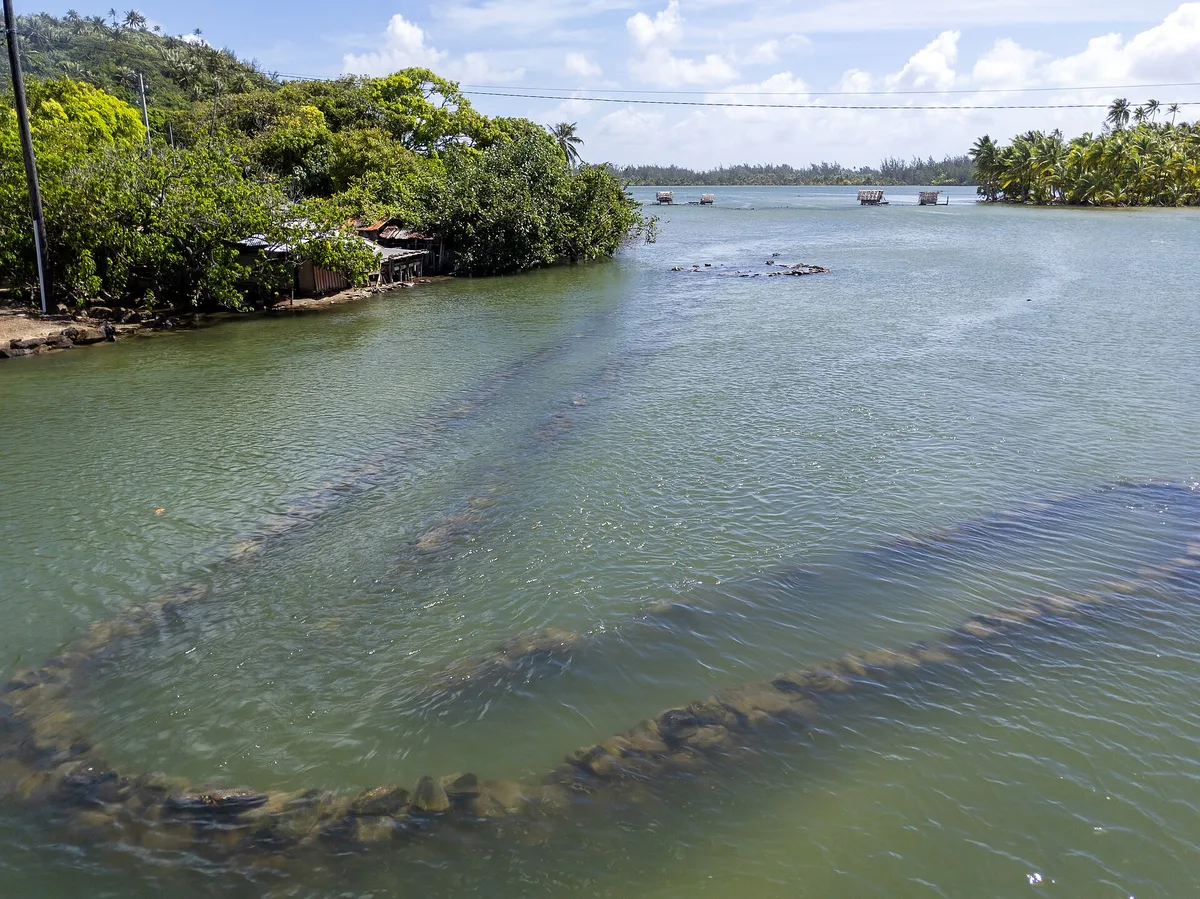
Plage de Maeva stretches roughly 800 metres along the edge of Huahine Nui, where beige sand meets the shallow turquoise waters of a calm lagoon. Behind you, about 30 marae stone temples rise from the landscape — the largest concentration in all of French Polynesia, lending the beach a weight and stillness you won't find at a resort strip. Traditional fish traps still thread the lagoon, reminders that this shoreline has been worked and revered for centuries. Lake Fauna Nui sits just behind the village, adding a layer of brackish green to the scenery. The vibe is unhurried, the setting is genuinely rare, and the archaeology is the main event.
How to get there
Plage de Maeva is a 10-minute drive from Fare, the main town on Huahine Nui — straightforward on a flat road with daily access. There's no entry fee. Informal free roadside parking is available at the archaeological site, so you won't need to walk far from your car to reach the sand.
Who it's for
For couples
The combination of a quiet beige-sand shore, turquoise water, and ancient stone temples creates a contemplative, unhurried atmosphere that suits couples looking for cultural depth over beach-bar energy. Sunset from the lagoon edge, with the marae silhouettes behind you, is hard to beat.
For families
The flat road access and manageable sand surface make arrival easy with kids in tow, and the shallow lagoon is calm enough for wading — just keep children away from the fish trap structures and submerged rocks, and aim for mid to high tide. The on-site archaeological museum adds a genuine learning moment for curious young visitors.
Our take
Plage de Maeva is not a beach you come to for sunloungers and cocktails — and that's exactly the point. The beige sand and turquoise lagoon are lovely, but the real draw is the archaeological density: about 30 marae stone temples within walking distance, a living tradition of fish traps still working the water, and a UNESCO-recognised cultural landscape that most visitors to French Polynesia fly straight past on their way to Bora Bora. Swim at mid to high tide, respect the stones and the traps, and give the small museum at least an hour. Skip the wet season months of December through February if you want the lagoon at its clearest. This is one of the most historically significant beaches in the Pacific — treat it accordingly.
What to do
The Maeva Archaeological Site, just 200 metres away, anchors any visit — a small on-site museum helps you decode the marae platforms before you wander among them. The traditional fish traps (Pièges à poissons) are visible from the shoreline at about 800 metres and worth a look from the bank. Snorkelling is available in the lagoon area, and the Jardin de corail lies roughly 2.2 kilometres away for those wanting more underwater exploration. A short detour to Lake Fauna Nui, only 300 metres back, rewards birdwatchers and anyone curious about the traditional fishing ecology that shaped this whole coastline.
The marae stone platforms framed against the turquoise lagoon — especially from the archaeological site 200 metres from the beach — deliver a shot you won't replicate anywhere else in French Polynesia.
The traditional fish trap structures visible in the lagoon water make a striking foreground element at mid tide. For a wider landscape, the Lake Fauna Nui shoreline just 300 metres back offers reflections of the hills and sky in the brackish water.
Where to eat
The nearest dining is back toward Fare: Tatie Gette, about 4.8 kilometres away, covers breakfast, burgers, local fish dishes, and coffee. OAOA and Métis are both around 4.9 kilometres out if you want more variety after a morning at the marae. Pack a lunch if you plan a long day — there's nothing on the beach itself.
Where to stay
Bée Local Labhouse, roughly 1.5 kilometres from the beach, is the closest listed accommodation option. Beyond that, Fare is your base for most of Huahine's lodging choices.
Photography
Early morning is best — low-angle light catches the beige sand and turquoise lagoon before the midday glare flattens everything. The marae stone platforms with the lagoon in the background make the most distinctive frame on Huahine; position yourself at the archaeological site at dawn for the cleanest shots.
Good to know
Time your visit to mid or high tide — the lagoon can turn shallow and murky near the fish trap structures at low tide, and submerged rocks around those structures are a real hazard for bare feet and waders. Do not climb or move the marae stone platforms; they are sacred and protected. The fish traps in the lagoon are active cultural heritage — leave them completely undisturbed. Avoid December through February if water clarity matters to you: heavy wet-season rain clouds the lagoon. True digital-detox spot — bring offline books, the cell signal fades and there's nowhere to plug in a laptop.
GAMES
🕹️ Five minutes of sand?
Three daily games — including the UV simulator set to this beach.
Map
Nearby places
Tatie Gette
OAOA
Métis
Vairai Sunset Gril Para
Chez Tara
Bée Local Labhouse
Maeva Archaeological Site
Lake Fauna Nui
Sacred Blue-Eyed Eels of Faie
Things to see around Maeva
Maeva Archaeological Site
Over 40 marae stone temples, the largest concentration in French Polynesia, with a small museum on site
Lake Fauna Nui
Large brackish lake behind Maeva village, important for traditional fishing and birdlife
Sacred Blue-Eyed Eels of Faie
River mouth where sacred freshwater eels are fed by locals
GIFT IDEA · MARCEL ET LES BLONDES
🎁 Give a moment, not a thing
What’s the occasion?
 💑 Dating anniversaryTwo dates, two starry skies
 💍 Wedding anniversaryCotton, silver, golden…
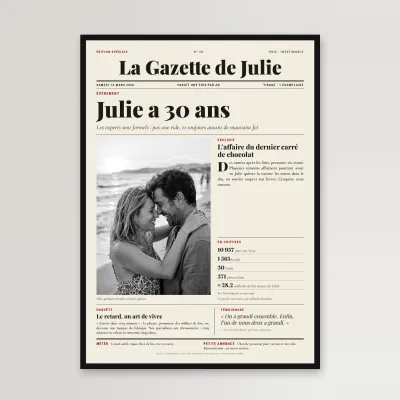 🎂 BirthdayTheir own newspaper front page
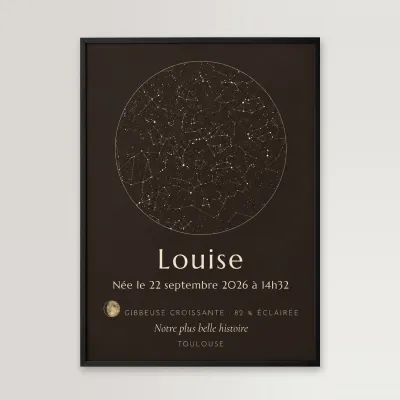 👶 New babyThe stars on the day they were bornValentine’s DayOur two moons, as a print
Shipping €5, free from €49 · made to order, shipped within 48 hAlso: our engraved wooden bracelets, €23.90 →
Frequently asked
The information on this page is provided for guidance only and may evolve. Access conditions, safety and infrastructure can change without notice. Always check official sources before traveling.
Other beaches in the region
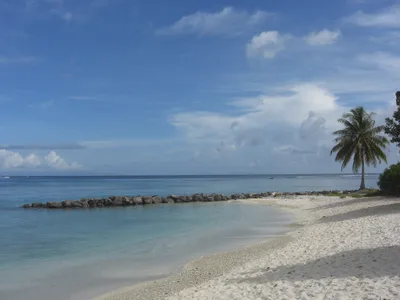
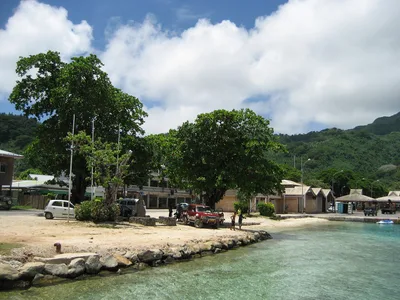
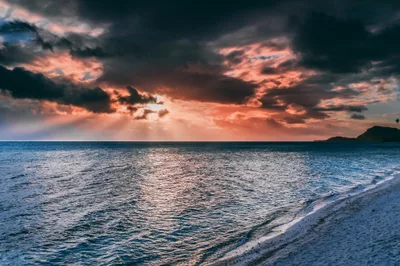
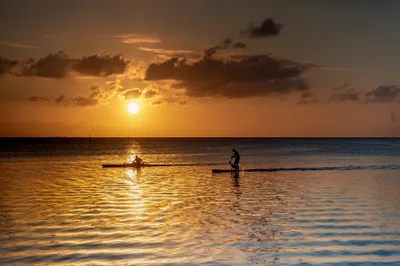
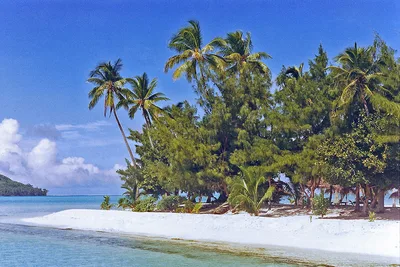
Other relaxed beaches in French Polynesia
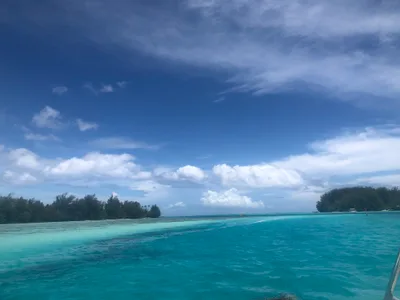
More beaches in Society Islands

Reviews of this beach
- No reviews yet, what a shame — leave yours and share your experience.