Fare BeachFrench Polynesia Beach Guide
Huahine's lively waterfront where village life meets the lagoon
 🎁 Gift idea: the star map of your most beautiful night↓
About
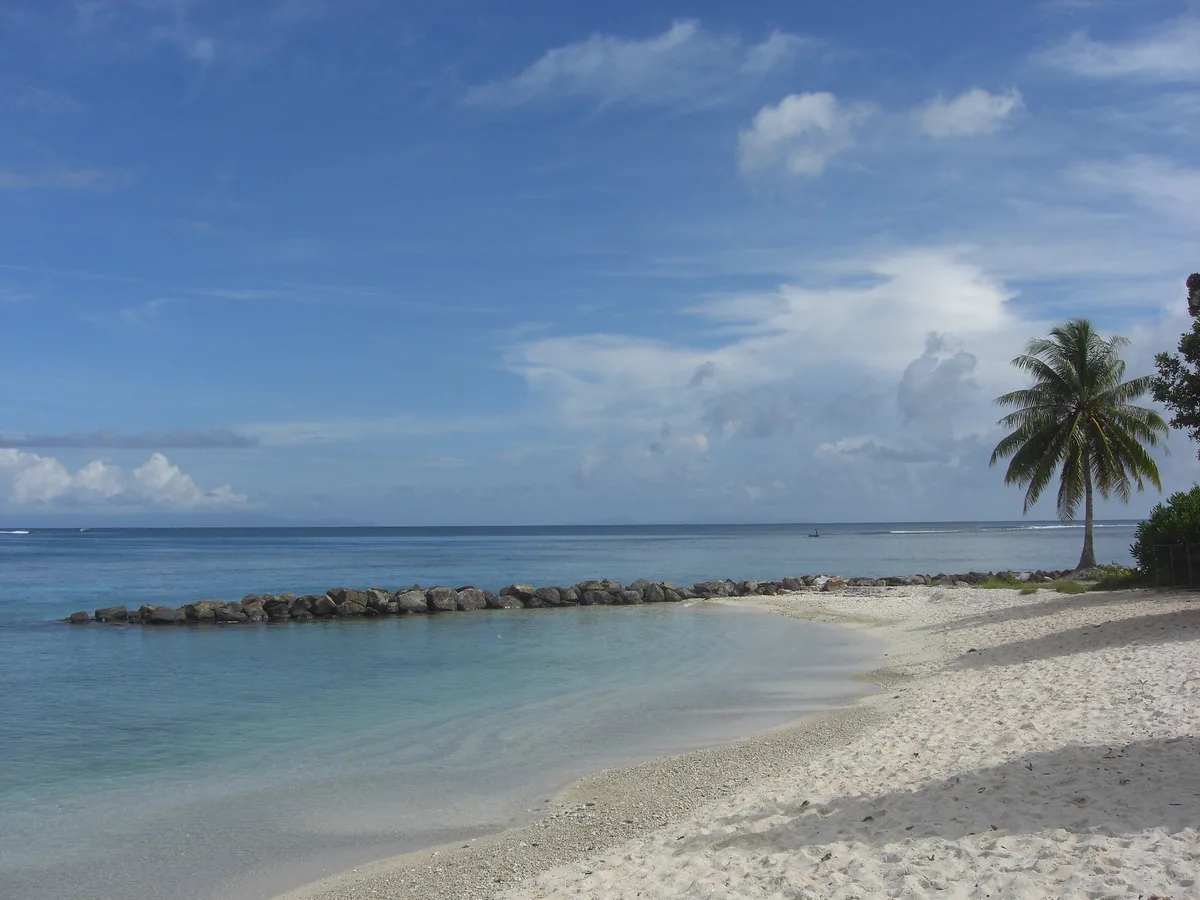
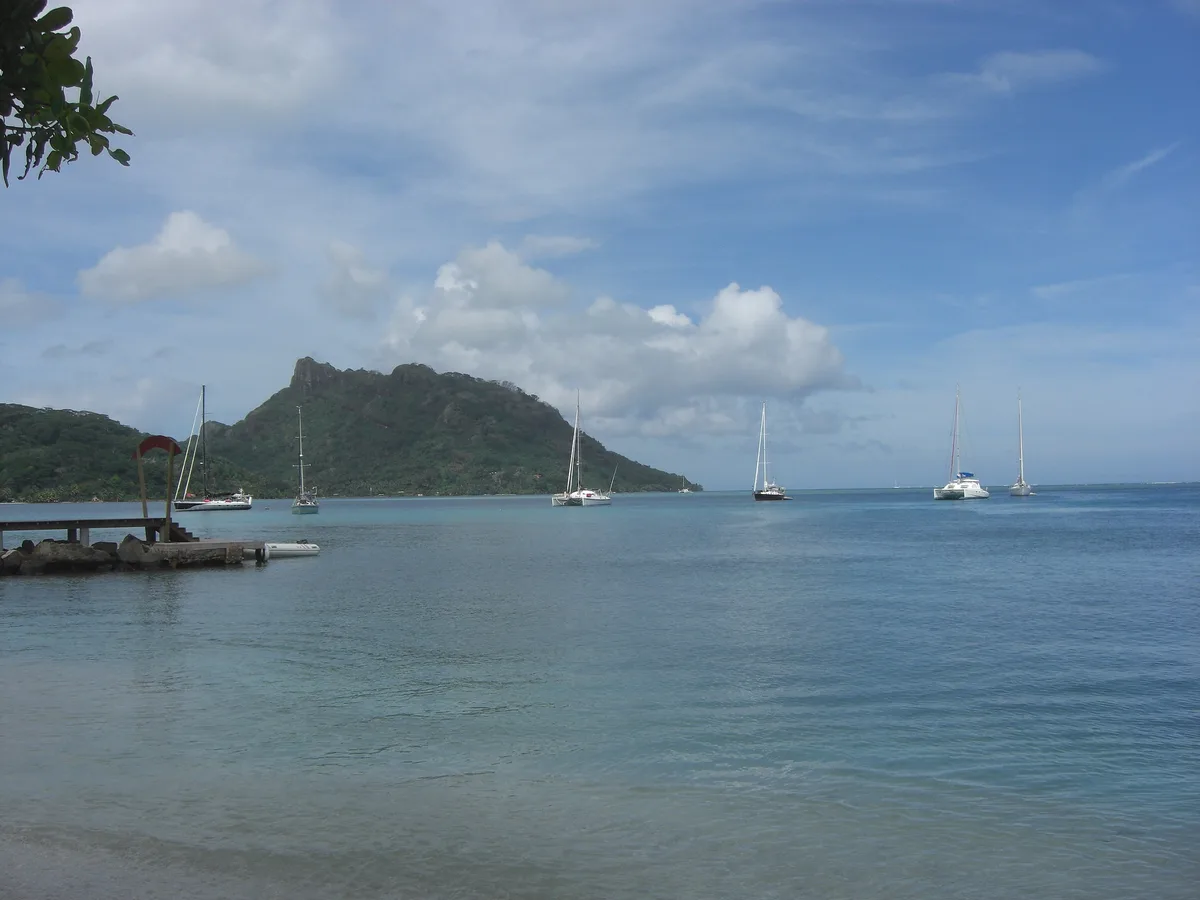
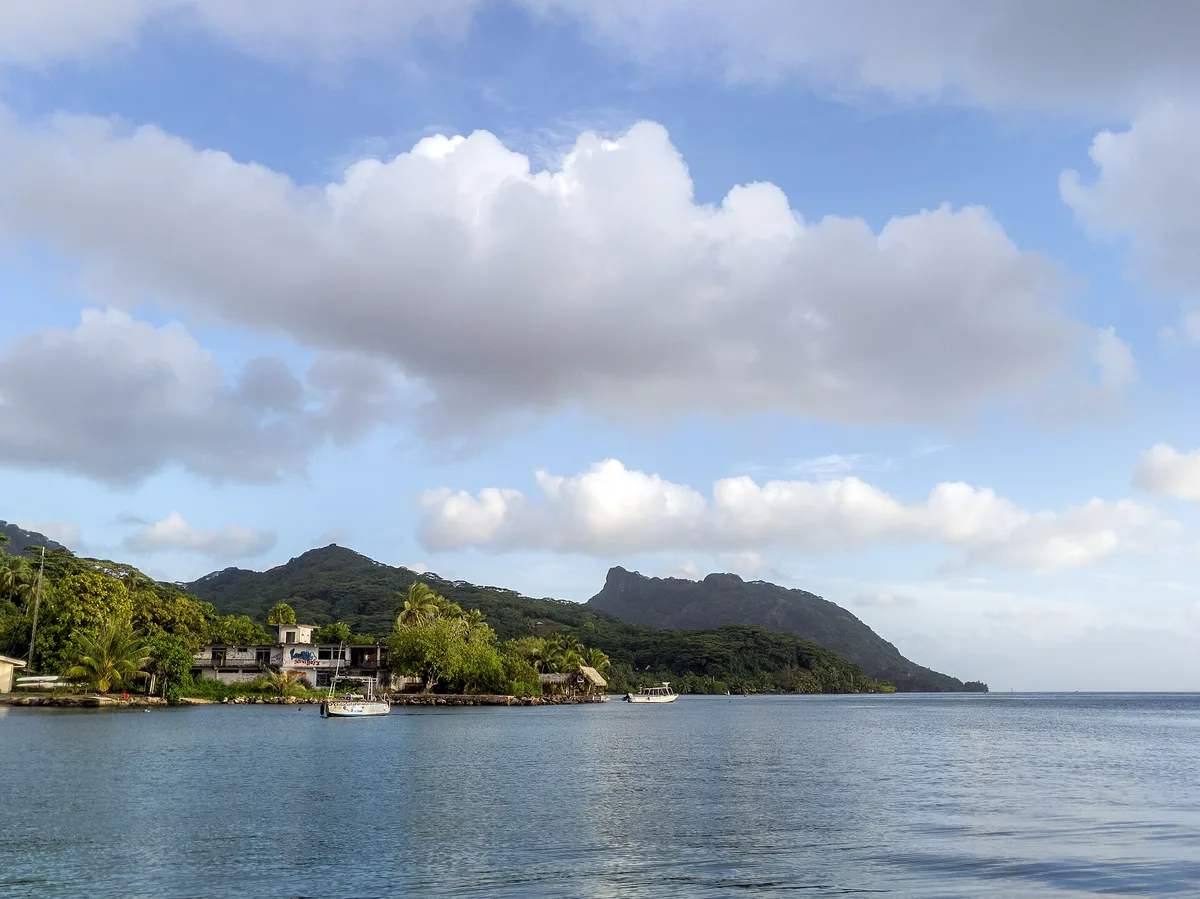
Fare beach sits right at the heart of Huahine's main village, a compact stretch of golden sand backed by Chinese merchant shopfronts and the quiet hum of daily island life. Turquoise water laps at the shore just metres from the ferry dock, where outrigger canoes rest between sessions and locals gather in the late afternoon shade. It's less a resort beach than a living, breathing social space — the kind of place where supply boats unload alongside swimmers and children chase each other across the sand. The waterfront road runs flat alongside it, making the whole scene feel open and accessible, with the lagoon glittering beyond the quay.
How to get there
From Huahine Airport, it's a five-minute drive along the coast road — free roadside parking is available along the quay, though spaces fill quickly when the weekly ferry from Papeete arrives. That ferry crossing from Tahiti takes around three hours and runs weekly, making it a genuine slow-travel arrival. There's no entry fee. Sand access near the dock is uneven, but the flat waterfront road makes the beach easy to reach on foot.
Who it's for
For couples
The late-afternoon light on the turquoise water, with locals gathering and canoes returning, makes for a quietly romantic scene — low-key, unhurried, and genuinely local rather than staged for tourists.
For families
The flat waterfront road and easy sand access make it manageable with young children, and the outrigger canoes and ferry activity give kids plenty to watch. Stick to swimming north of the quay and the moderate conditions are suitable for families comfortable in open water.
Our take
Fare beach won't compete with the overwater-bungalow postcards of Bora Bora, and it doesn't try to. This is a working village waterfront — golden sand, turquoise water, outrigger canoes, and the weekly ferry turning the quay into the social event of the week. The safety rule here is simple and non-negotiable: swim north of the quay, away from boat traffic. Get that right and you have a genuinely warm, local beach experience that most visitors to French Polynesia never find. Come between May and October for dry skies and reliable ferry schedules. Skip November through March — higher rainfall, cyclone risk, and disrupted crossings make the timing poor. Worth the detour for anyone wanting to see Huahine as it actually lives.
What to do
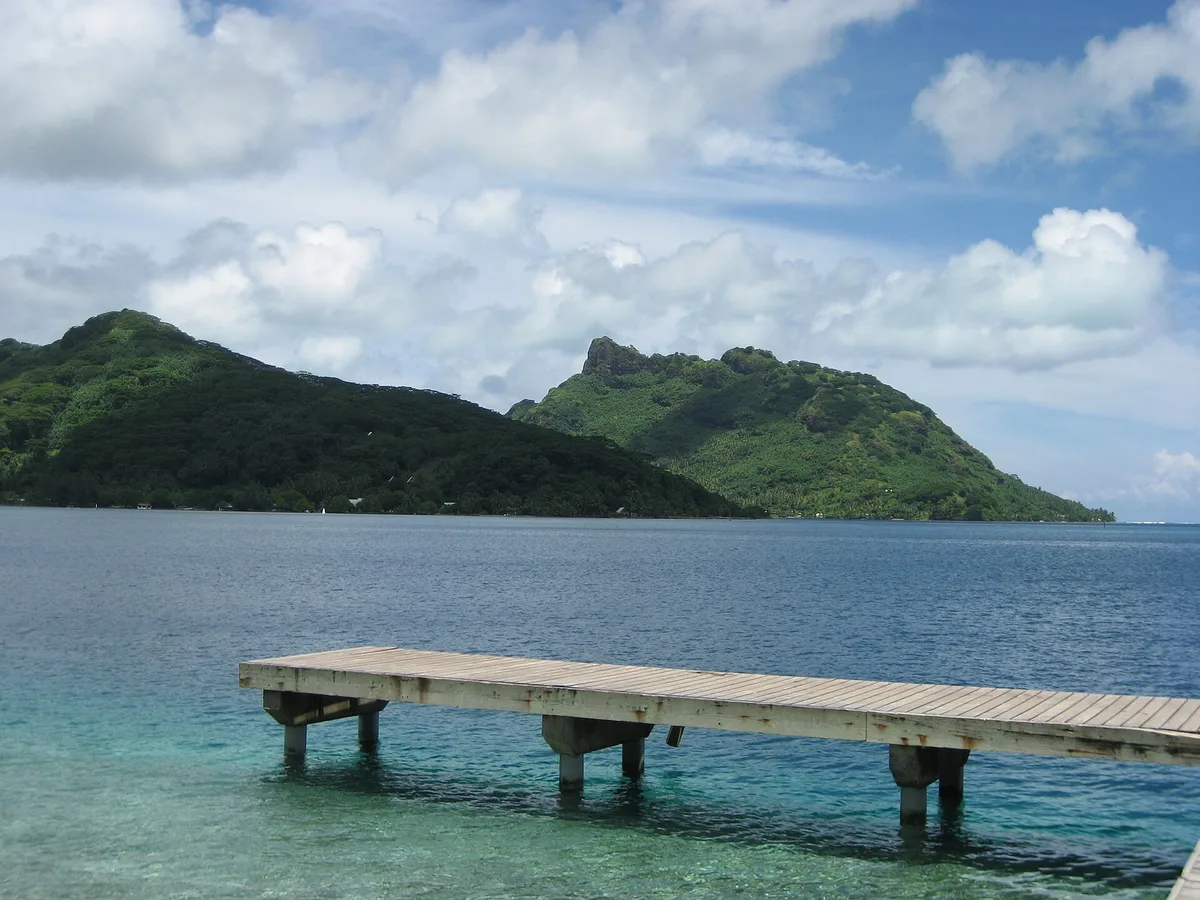
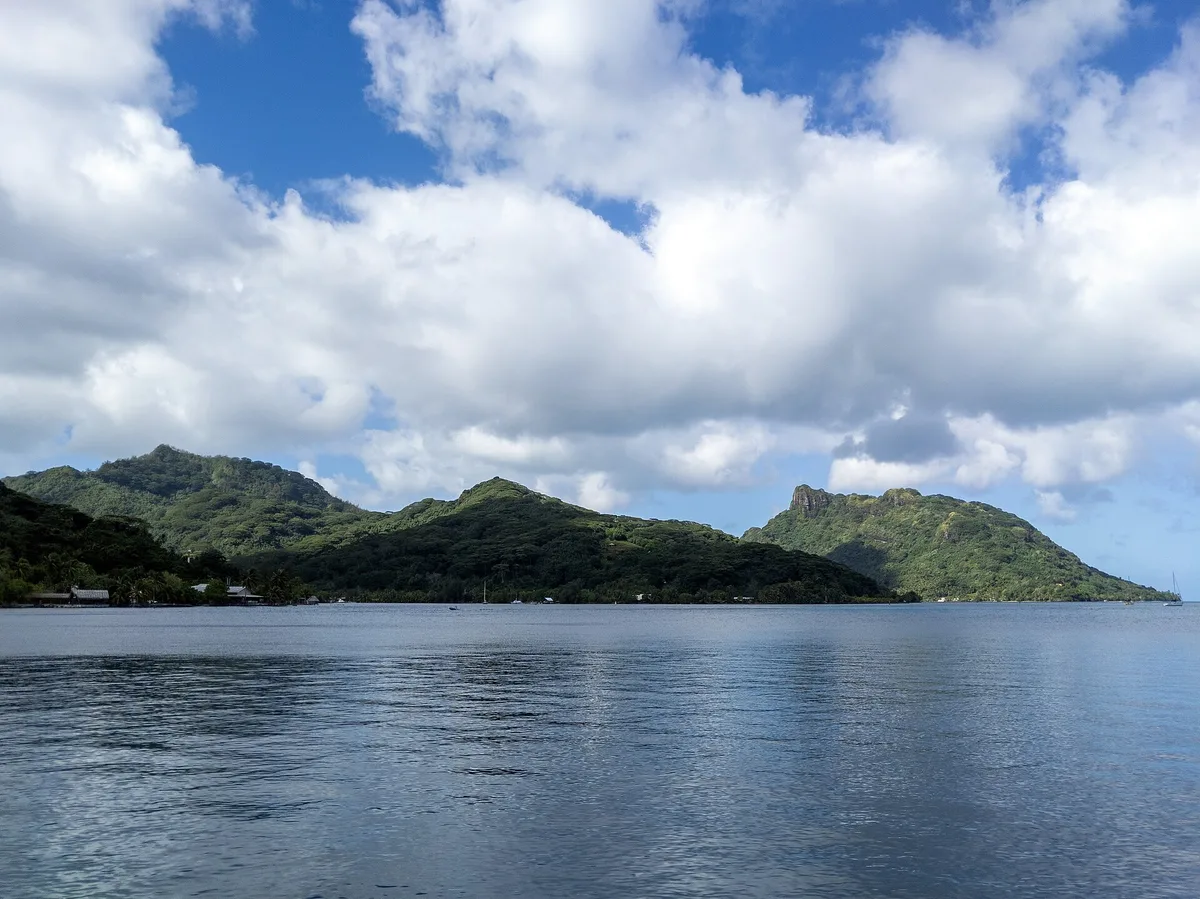
Three kilometres from the beach, the Sacred Blue-Eyed Eels of Faie offer one of French Polynesia's most unusual cultural encounters — locals feed freshwater eels at the river mouth in a tradition that goes back generations. Seven kilometres away, the Maeva Archaeological Site holds the largest concentration of marae stone temples in French Polynesia and genuinely worth the short drive. For a wider perspective on the island, the Tefarerii Belvedere viewpoint at eight kilometres delivers a sweeping panorama over both Huahine Nui and Huahine Iti, lagoon and outer reef stretching to the horizon.
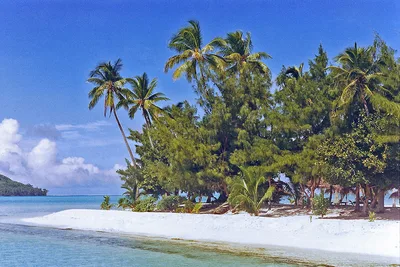
The row of outrigger canoes pulled up on golden sand with the turquoise lagoon behind them is the defining shot — best in early morning light before the quay gets busy.
The Chinese merchant shopfronts framing the waterfront offer a composition you won't find on most French Polynesian beaches. The weekly ferry arrival, with the dock alive and the village gathering, is a documentary-style moment worth capturing.
Where to eat
OAOA is just 100 metres from the waterfront and the closest option when hunger strikes after a swim. Tatie Gette, 400 metres away, covers breakfast through to burgers and local fish dishes — a solid all-day choice. For something a little more considered, Métis sits 200 metres from the beach and rounds out a compact dining scene that punches above its village size.
Where to stay
Bée Local Labhouse, 1.5 kilometres from the beach, is the nearest listed accommodation — a short walk or quick drive from the waterfront. Options in Fare are limited, so booking ahead is wise, particularly around the weekly ferry schedule when the village sees its busiest days.
Photography
Early morning is the best time to shoot — golden sand, turquoise water and outrigger canoes lined up before the day's activity begins. The Chinese merchant shopfronts make an unusual and characterful backdrop for wide shots of the waterfront, especially when the ferry is docked.
Good to know
Always swim north of the quay — ferry traffic and supply boats churn the water near the dock, and boat wash from departing ferries can be sudden and strong. The weekly ferry arrival is worth watching, but stay well clear of the water at that moment. Parking is free but limited, so arrive early if you're driving. True digital-detox spot — bring offline books, the cell signal fades and there's nowhere to plug in a laptop.
GAMES
🕹️ Five minutes of sand?
Three daily games — including the UV simulator set to this beach.
Map
Nearby places
OAOA
Métis
Tatie Gette
Vairai Sunset Gril Para
Chez Tara
Bée Local Labhouse
Maeva Archaeological Site
Sacred Blue-Eyed Eels of Faie
Panorama de Tefarerii
Things to see around Huahine
Maeva Archaeological Site
Largest concentration of marae stone temples in French Polynesia
Sacred Blue-Eyed Eels of Faie
River mouth where sacred freshwater eels are fed by locals — a unique cultural experience
Panorama de Tefarerii
Hilltop panorama over both Huahine Nui and Huahine Iti with views of the lagoon and outer reef
GIFT IDEA · MARCEL ET LES BLONDES
🎁 Give a moment, not a thing

What’s the occasion?

 💑 Dating anniversaryTwo dates, two starry skies
 💍 Wedding anniversaryCotton, silver, golden…
 🎂 BirthdayTheir own newspaper front page
 👶 New babyThe stars on the day they were bornValentine’s DayOur two moons, as a print
Shipping €5, free from €49 · made to order, shipped within 48 hAlso: our engraved wooden bracelets, €23.90 →
Frequently asked
The information on this page is provided for guidance only and may evolve. Access conditions, safety and infrastructure can change without notice. Always check official sources before traveling.
Other beaches in the region
More beaches in Society Islands

Reviews of this beach
- No reviews yet, what a shame — leave yours and share your experience.
Photo credits
Sources and licenses for the photos shown above.
- Photo 1 — Olivier Bruchez · source · CC BY-SA 2.0
- Photo 2 — Peter Gill / UK · source · CC BY 3.0
- Photo 3 — Matthew Dillon from Hollywood, CA, USA · source · CC BY 2.0
- Photo 4 — Olivier Bruchez · source · CC BY-SA 2.0
- Photo 5 — Matthew Dillon from Hollywood, CA, USA · source · CC BY 2.0