Coconut Rock BeachSri Lanka Beach Guide
Sri Lanka's quietest cove, earned by a short hike
About
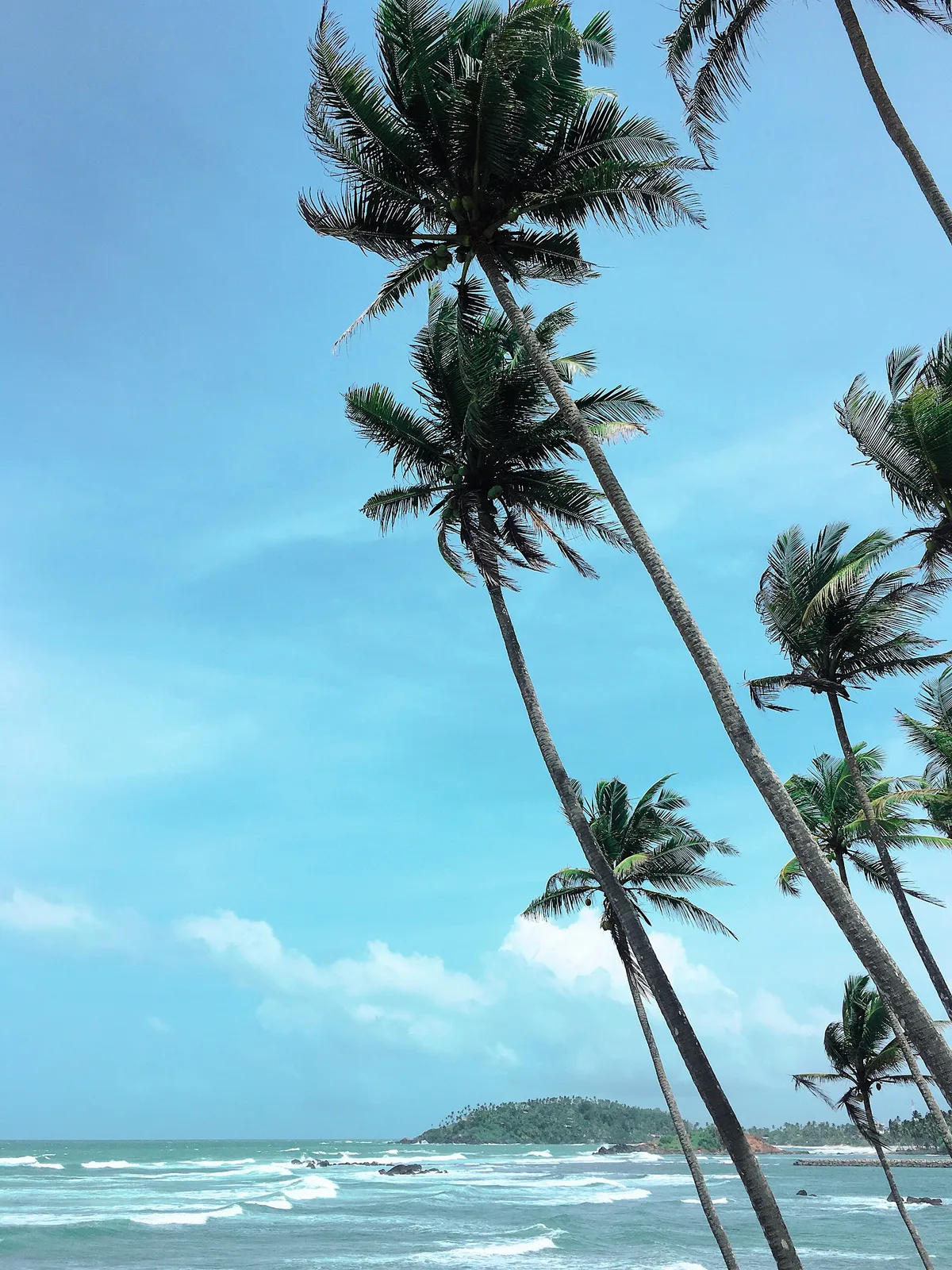
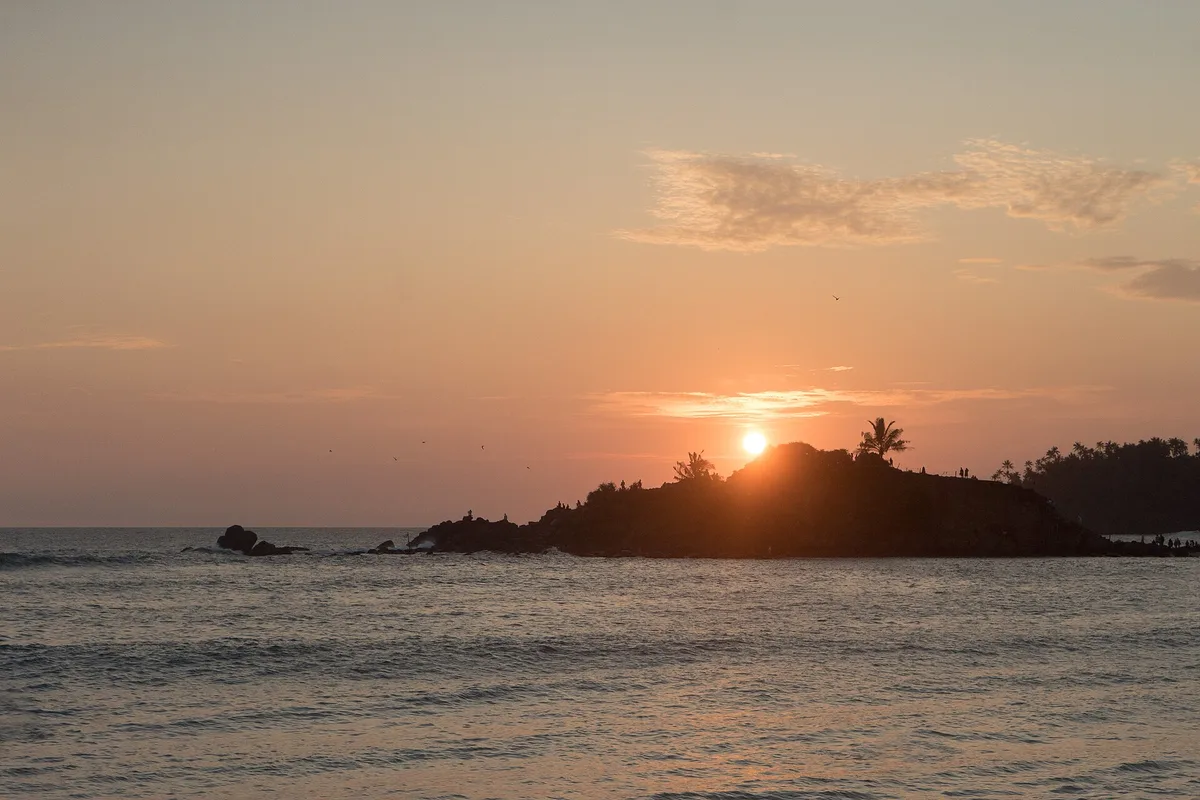
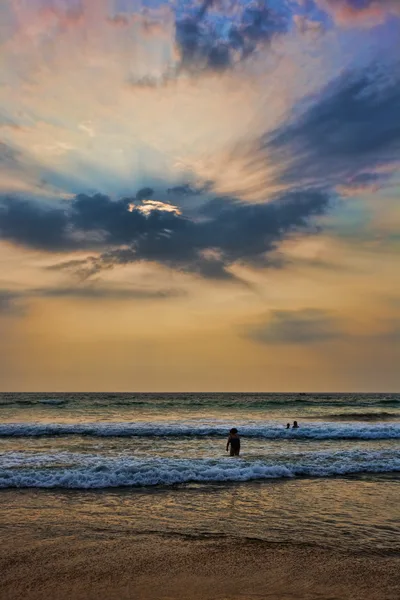
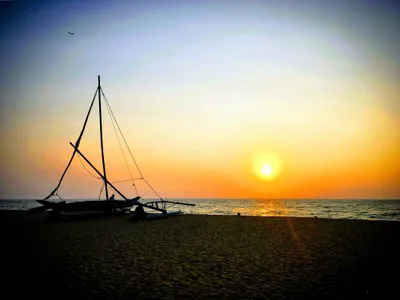
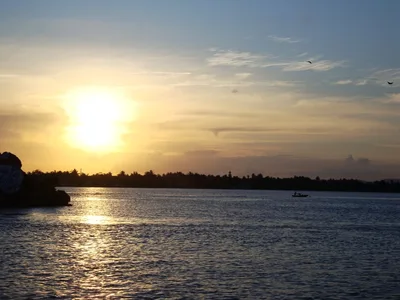
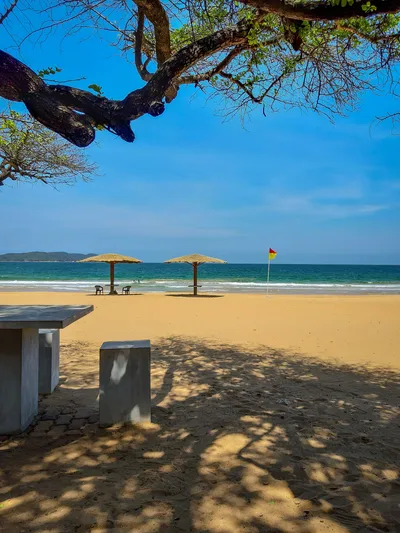
Coconut Rock Beach is a small, secluded cove on Parrot Rock near Matara, on Sri Lanka's Southern Province coast. A large boulder splits the cove in two, framing golden sand and crystal-clear water in a way that feels genuinely off the tourist trail. At roughly 120 metres long, it stays consistently quiet even when nearby Hiriketiya is buzzing — no beach bars, no vendors, no noise. The snorkeling here outperforms Hiriketiya's, with calm, clear water revealing reef life best explored between November and April. It's a place that rewards the effort of getting there with real solitude.
How to get there
Coconut Rock Beach is reached on foot only — park at Hiriketiya Beach and walk over the rocky headland, a hike of around 10 minutes. There is no parking at the beach itself, and no road access. The crossing is moderate in difficulty on dry days, but becomes slippery and genuinely dangerous after heavy rain, so check conditions before you set out.
Who it's for
For couples
The consistent quiet and the effort required to reach it naturally filters out the day-tripper traffic, making it one of the more genuinely private stretches of sand on the south coast — bring a picnic and stay as long as you like.
For families
The rocky headland crossing is not accessible and requires sure footing, making this a poor choice for young children or anyone with limited mobility — families with older, confident kids who can handle the hike will find the calm cove rewarding, but only in dry conditions with no lifeguard present.
Our take
Coconut Rock Beach is the kind of place that stays quiet precisely because it asks a little of you — a 10-minute hike over a rocky headland, no facilities, and no hand-holding once you arrive. That's the deal, and it's a good one. The snorkeling genuinely earns the trip, the golden sand is clean, and the boulder-split cove is as photogenic as it sounds. Come between November and April, check the weather before crossing the headland, and bring everything you need including a bag for your rubbish. Skip it from May through September — the monsoon turns the crossing into a real hazard and the water visibility drops sharply. If you're based at Hiriketiya and want to escape the surf-school scene for a few hours, this is your answer.
What to do
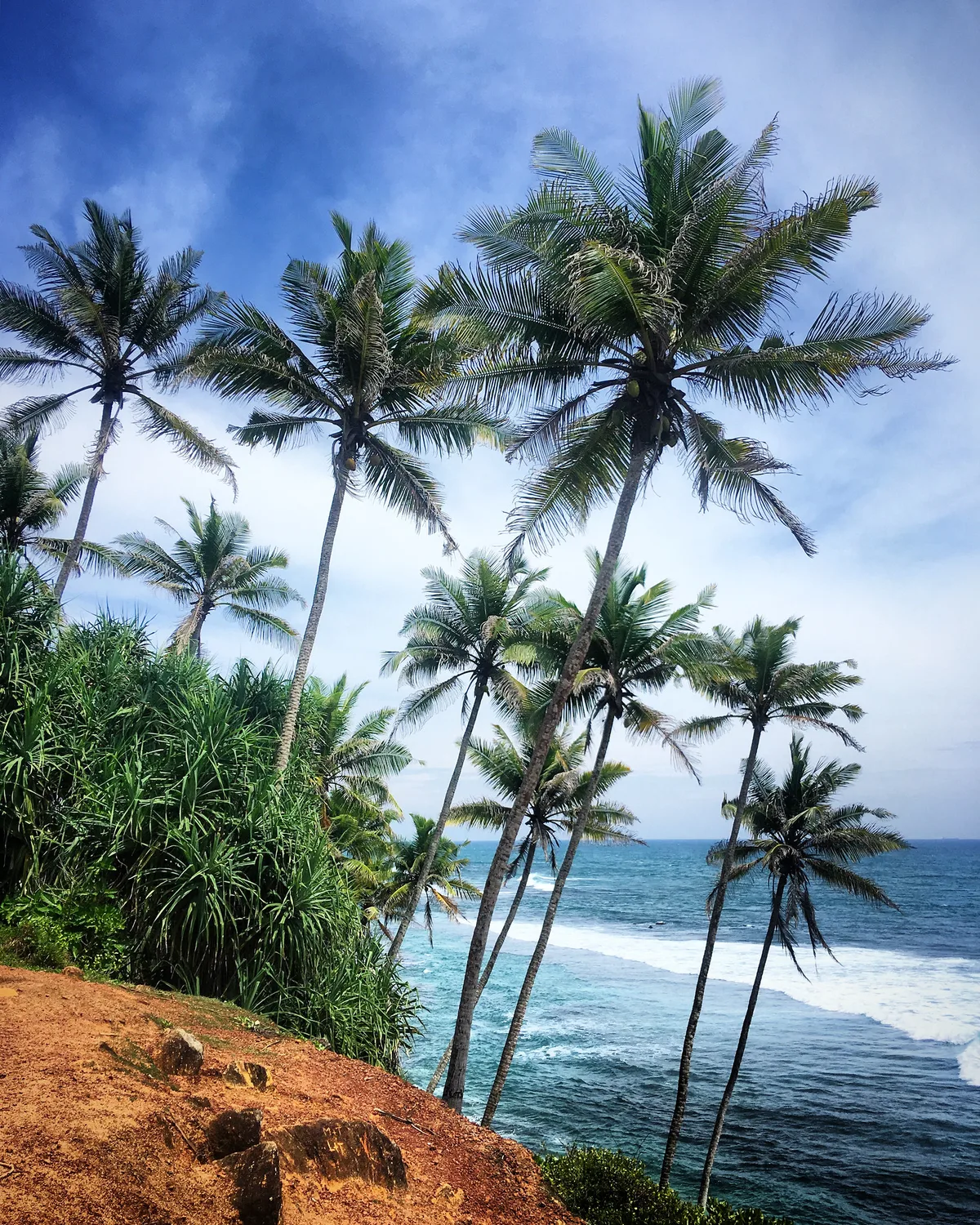
Snorkeling is the headline act — the crystal-clear water and reef make this one of the better spots on this stretch of coast, best in calm dry-season conditions. Coconut Tree Hill is right at the beach, worth a look for its coastal views. A short distance away, Hiriketiya Beach offers a contrasting scene with its surf culture and café vibe. Further afield, the Wewurukannala Vihara temple in Dickwella — about 4km away — houses one of Sri Lanka's largest seated Buddha statues at 50 metres tall, well worth the detour.
The giant boulder splitting the cove is the unmissable frame — shoot from the sand at low angle with the crystal-clear water in the foreground.
The rocky headland trail also offers an elevated lookout back over the golden sand cove that photographs well in morning light.
Where to eat
There's nothing to eat or drink at the beach itself, so fuel up before you hike over. The Slow, about 0.5km away near Hiriketiya, covers breakfast, lunch, and Sri Lankan dishes. Sea Goggle Rest and Bunga Bunga are both within 0.5km if you want something closer to the trailhead after your visit.
Where to stay
Sunstyle Mirissa and Esprit D'ici are both around 0.2km away — as close as you'll get to the headland trailhead. Cococabana at 0.3km and Morning Star at 0.4km round out a solid cluster of options, all within easy walking distance of the Hiriketiya access point.
Photography
The large boulder splitting the cove is the defining shot — position yourself at water level on the golden sand in the early morning for soft light and glassy water. The rocky headland itself offers an elevated angle back over the cove that works well in the golden hour before sunset.
Good to know
There are zero facilities here — pack out every piece of rubbish you bring in, no exceptions. The rocky headland crossing is slippery when wet and is not suitable after heavy rain; if it's been raining, turn back. There are no lifeguards, so swim within your limits and only snorkel in calm conditions, ideally between November and April. Avoid the beach entirely from May through September — the monsoon makes the headland crossing dangerous and snorkeling visibility poor.
GAMES
🕹️ Five minutes of sand?
Three daily games — including the UV simulator set to this beach.
Map
Nearby places
Sea Goggle Rest
Glass House Restaurant
The Slow
Bunga Bunga
Simple Restaurant & Cafe
Sunstyle Mirissa
Esprit D‘ici
Cococabana
Morning Star
Beach Mirissa Hotel
Coconut Tree Hill
Weligambay Villas Parking Space
Kushtarajagala Statue
Things to see around Dikwella
Hiriketiya Beach
Horseshoe surf cove with café culture and consistent left-hand break
Wewurukannala Vihara
Temple with a 50-metre seated Buddha, one of the largest in Sri Lanka
Dickwella Beach
Broad fishing harbour beach with giant Buddha temple backdrop
GIFT
🎁 Gift this beach
Its exact coastline, your date, your words — on a print or a PDF you print yourself.
Coconut Rock Beach
THAT DAY
Coconut Rock Beach, Southern Province
© OpenStreetMap contributors
Clean & decorative, or “That day” with the real sky of your date.
Shipping included 3-6 business days
A question before you order? Contact us
Delivered within minutes on the confirmation page and by email: a ZIP with all 4 print sizes (30×40 cm, 12×16″, 50×70 cm, 18×24″), each as a high-resolution PDF and PNG (300 dpi), plus a screen version. Print at home or at any print shop.
Please complete the delivery address.
Please accept the Terms of Sale.
Almost there — the shop opens very soon.
Secure payment · Printed locally in 30+ countries · 7 languages
Frequently asked
The information on this page is provided for guidance only and may evolve. Access conditions, safety and infrastructure can change without notice. Always check official sources before traveling.
Nearest beaches
Other relaxed beaches in Sri Lanka
Reviews of this beach
- No reviews yet, what a shame — leave yours and share your experience.
Photo credits
Sources and licenses for the photos shown above.
- Photo 1 — briandemel · source · CC BY-SA 4.0
- Photo 2 — Alexey Komarov · source · CC BY-SA 4.0
- Photo 3 — sergei.gussev · source · CC BY 2.0