Clachtoll BeachUnited Kingdom Beach Guide
Wild white sands, ancient stones, Atlantic drama
 🎁 Gift idea: the star map of your most beautiful night↓
About
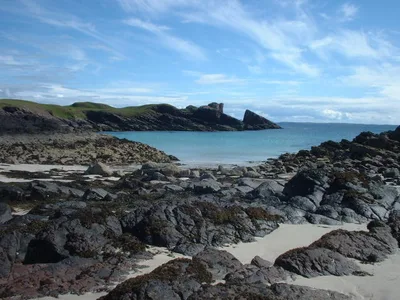
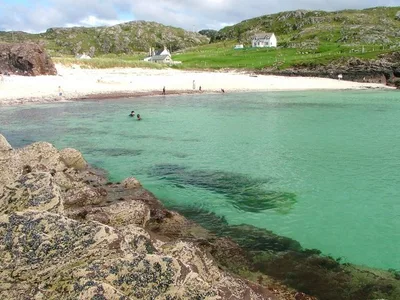
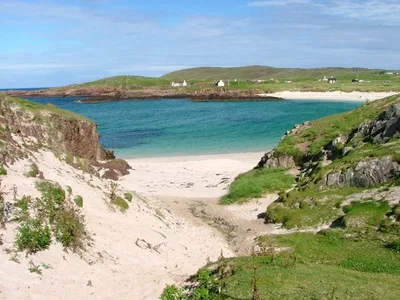
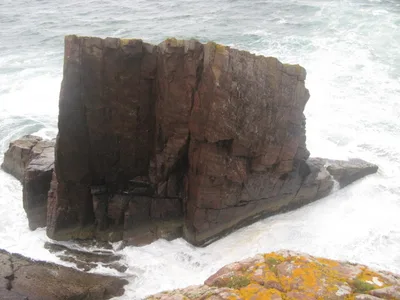
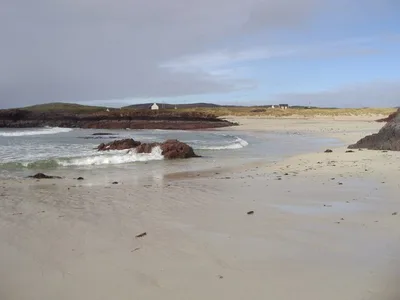
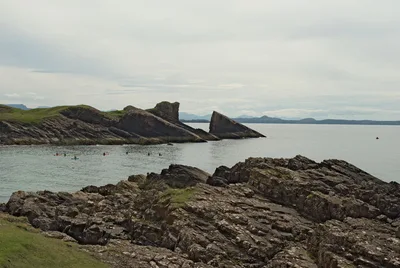
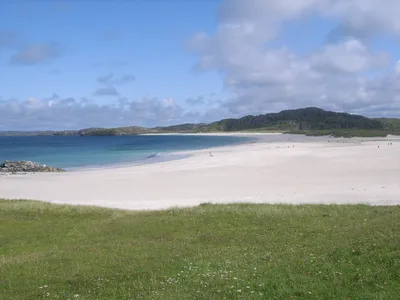
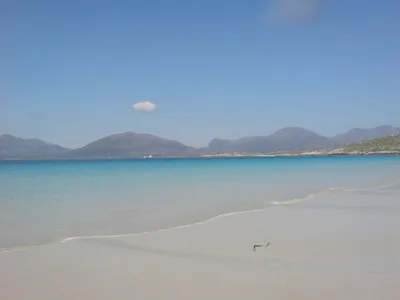
Clachtoll Beach is a compact stretch of white sand on Scotland's northwest Highland coast, where turquoise water meets the rugged drama of Torridonian sandstone. At roughly 188 metres long, it punches well above its size — a split rock sea-stack guards one end, and an Iron Age broch ruin crowns the headland just above the shore. The beach is quiet by nature, drawing those who seek raw Highland scenery rather than amenities. Rock pools appear at low tide, and the geology underfoot tells a story far older than any guidebook. The vibe is unapologetically wild.
How to get there
From Ullapool, Clachtoll Beach is about 42 minutes by car — the most practical option. A bus runs twice daily Monday to Saturday from Ullapool, taking around 78 minutes. Free parking is available in a car park at the beach, with the campsite sitting adjacent. The walk from car park to sand is short but crosses uneven ground, so sturdy footwear is advisable.
Who it's for
For couples
The quiet, wild character of Clachtoll makes it ideal for couples who want space — long walks to the broch, rock-pooling at low tide, and the kind of uninterrupted coastal scenery that doesn't need a visitors to feel special.
For families
Families with older children will find the rock pools at low tide endlessly engaging, and the free parking and dog-friendly policy remove two common headaches. Note that the uneven path from car park to beach and the cold, wave-exposed water mean it suits active families more than those with very young children.
Our take
Clachtoll is not a beach you stumble upon — it takes a deliberate 42-minute drive from Ullapool, and that filters out anyone not serious about it. The Atlantic exposure means the water is cold and waves can be strong; swim with real caution and respect the conditions. What you get in return is a genuinely quiet stretch of white sand backed by ancient Torridonian sandstone geology, a sea-stack that looks sculpted, and an Iron Age broch ruin close by. It's compact at around 188 metres, but the surrounding landscape makes it feel vast. Come between June and September for the best light and the most manageable weather. Worth every kilometre of the drive.
What to do
The Clachtoll Broch ruins, just 0.2km from the sand, are the headline act — a well-preserved Iron Age structure on the headland that rewards a slow walk around its perimeter. At low tide, the rock pools along the beach edge are worth an hour of patient exploration. A short drive of 3.3km takes you to Clashnessie Fall, and the Point of Stoer — a dramatic headland — is 8.6km away for those who want a longer coastal walk. Neighbouring Achmelvich Beach, 5km along the coast, offers another sweep of white sand in a more sheltered bay.
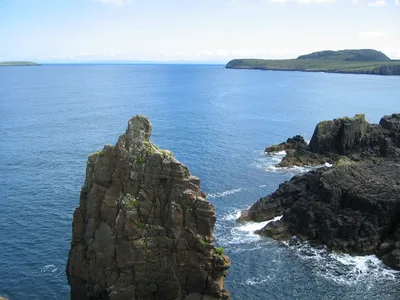
The split rock sea-stack is the most distinctive frame on this beach — shoot it from the sand at low tide with the turquoise water in the foreground.
The Clachtoll Broch ruins on the headland, just 0.2km away, offer a dramatic silhouette against the Highland sky, especially in the long evening light of a June or July sunset.
Where to eat
For a sit-down meal, Inbhir Brunches is around 6.9km from the beach and the closest option. Delilah's is just slightly further at 7.1km. Facilities at the beach itself are limited, so bring a packed lunch — the setting more than compensates for the lack of a café.
Where to stay
The campsite directly above the beach is the most atmospheric base, putting you steps from the sand at first light. For something more comfortable, Tor Druim is around 9.9km away. The small fishing village of Lochinver, 12km distant, also provides a service hub if you need more options.
Photography
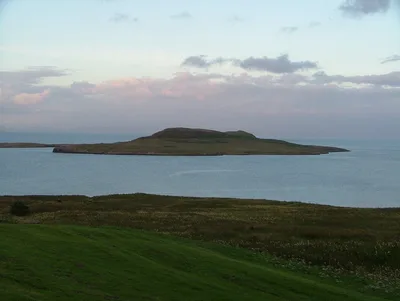
The split rock sea-stack and the Torridonian sandstone cliffs photograph best in the low golden light of a summer morning, when the turquoise water catches the colour and the beach is at its quietest. For a wider composition, the headland above the broch gives an elevated view back across the white sand and out to Soyea Island.
Good to know
The Atlantic exposure here is real — strong waves are possible even on calm-looking days, and the water stays cold year-round, so enter with caution and never swim alone. Clachtoll Broch is an active archaeological site: do not climb on the ruins, however tempting the viewpoint looks. Avoid visiting in November through February, when severe Atlantic storms and very limited daylight make the coast genuinely inhospitable. Dogs are welcome on the beach, but keep them under control near the broch and rock pools.
GAMES
🕹️ Five minutes of sand?
Three daily games — including the UV simulator set to this beach.
Map
Nearby places
Inbhir Brunches
Delilah's
Tor Druim
Things to see around Assynt
Clachtoll Broch
Well-preserved Iron Age broch ruin on the headland immediately above the beach.
Achmelvich Beach
Neighbouring white-sand beach in a sheltered bay, popular with campers.
Lochinver
Small fishing village and service hub for Assynt, known for Lochinver Larder pies.
GIFT IDEA · MARCEL ET LES BLONDES
🎁 Give a moment, not a thing
What’s the occasion?
 💑 Dating anniversaryTwo dates, two starry skies
 💍 Wedding anniversaryCotton, silver, golden…
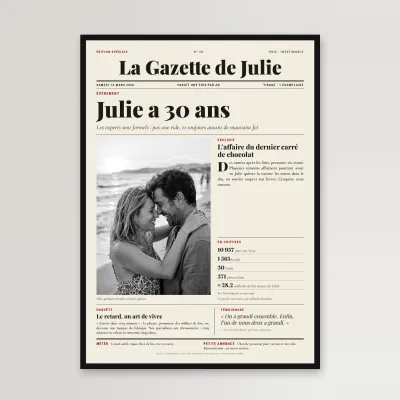 🎂 BirthdayTheir own newspaper front page
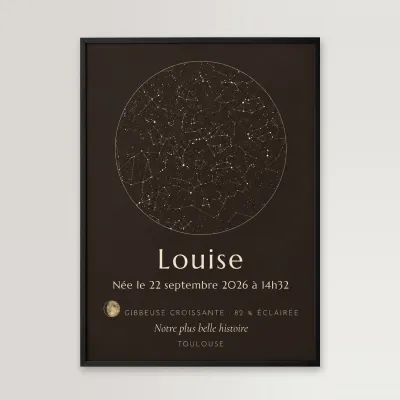 👶 New babyThe stars on the day they were bornValentine’s DayOur two moons, as a print
Shipping €5, free from €49 · made to order, shipped within 48 hAlso: our engraved wooden bracelets, €23.90 →
Frequently asked
The information on this page is provided for guidance only and may evolve. Access conditions, safety and infrastructure can change without notice. Always check official sources before traveling.
Other beaches in the region
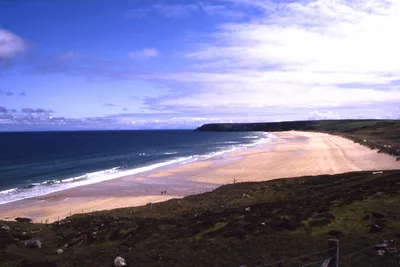
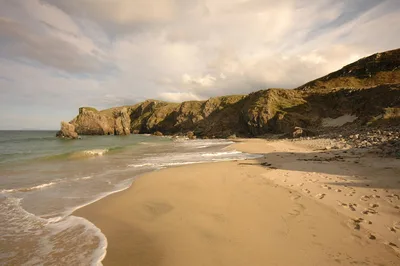
Other wild beaches in United Kingdom
Reviews of this beach
- No reviews yet, what a shame — leave yours and share your experience.
Photo credits
Sources and licenses for the photos shown above.
- Photo 1 — CMackay · source · CC BY-SA 2.0
- Photo 2 — Mick Garratt · source · CC BY-SA 2.0
- Photo 3 — Mick Garratt · source · CC BY-SA 2.0
- Photo 4 — Ulrich Hartmann · source · CC BY-SA 2.0
- Photo 5 — Euan Nelson · source · CC BY-SA 2.0
- Photo 6 — Peter Moore · source · CC BY-SA 2.0