Traigh Ghearadha BeachUnited Kingdom Beach Guide
Shell-sand solitude on Lewis's wild north-east coast
 🎁 Gift idea: the star map of your most beautiful night↓
About
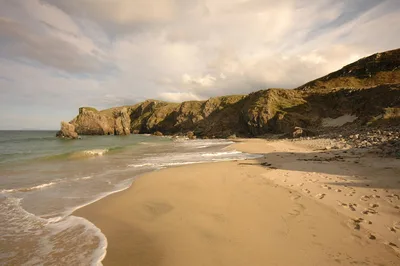
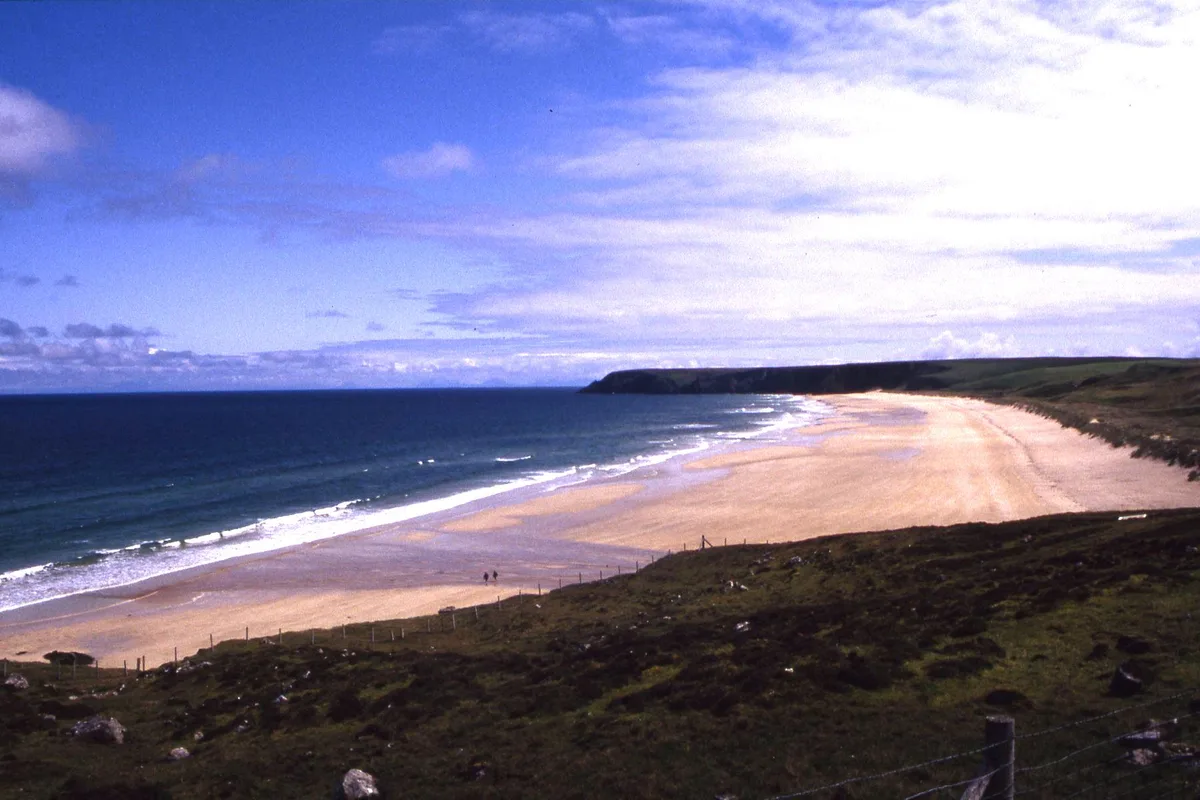
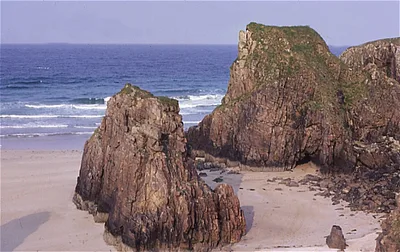
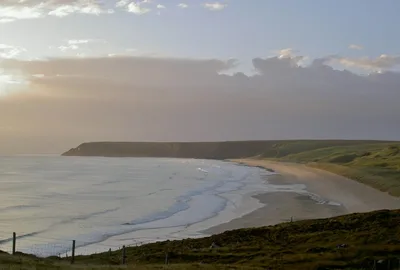
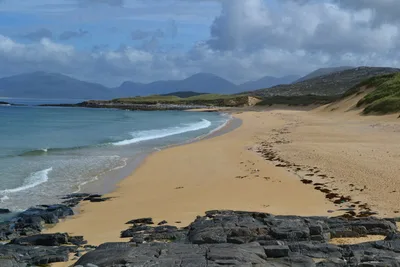
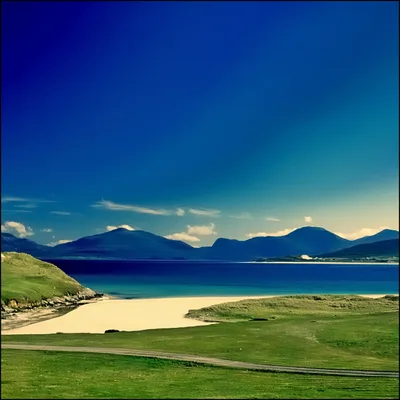
Traigh Ghearadha stretches roughly 662 metres along the exposed north-east coast of Leòdhas (Lewis) in the Outer Hebrides, a sweep of white shell-sand backed by the raw Atlantic sky. The water runs a deep, open blue — honest and unfiltered, nothing like a sheltered lagoon. A rocky headland separates it from the neighbouring shore, giving the beach a natural seclusion that keeps it consistently empty even in summer. This is local-knowledge territory: you won't stumble on it by accident, and that's precisely the point. The relaxed, unhurried vibe rewards those willing to earn it.
How to get there
Traigh Ghearadha is walk-in only — there is no road to the beach and no dedicated parking. Leave your vehicle at the Tolsta car park in North Tolsta and follow the coastal path; allow around 20 minutes on foot. The rocky headland crossing between the path and the beach can be slippery when wet, so wear footwear with grip.
Who it's for
For couples
The consistently empty shore and the effort required to reach it make Traigh Ghearadha a genuinely private retreat — bring a flask, find a spot against the dunes, and you'll likely have the whole white shell-sand beach to yourselves.
For families
Families with older, sure-footed children will enjoy the sense of adventure the walk-in access provides, but the slippery rocky headland crossing and exposure to strong northerly swell mean it's not the right choice for toddlers or non-swimmers.
Our take
Traigh Ghearadha is the kind of beach that filters itself: the walk-in-only access, the absence of any signpost or car park, and the slippery headland crossing mean that only those who genuinely want to be here will make it. That self-selection is the beach's greatest asset — 662 metres of white shell-sand and open blue water, consistently empty, with no facilities and no fanfare. Go between June and September when daylight is long and the weather is at its most cooperative; the rest of the year, north-easterly gales make the exposed north-east coast a genuinely hostile place. Heed the swell: strong waves build fast on this coast, and the headland crossing is not a place for complacency in wet conditions. Bring everything you need, wear boots with grip, and leave nothing behind. Worth every step of the walk.
What to do
Just 1.5 km away, Traigh Mhòr at Tolsta pairs beautifully with a visit here — and the unfinished Bridge to Nowhere at the road terminus is one of Lewis's more quietly surreal landmarks, sitting only 0.5 km from the beach path. If you're making a longer day of it, the Callanish Standing Stones — one of the most significant Neolithic monuments in Europe — are roughly 50 km south and well worth the drive. Stornoway, the main town of Lewis and Harris, lies about 27 km away and is home to ferry connections and the An Lanntair arts centre.
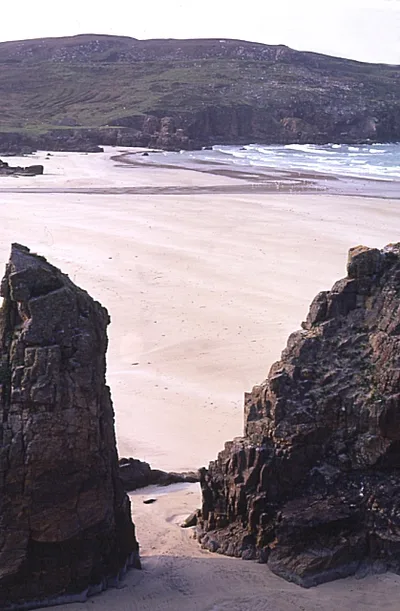
The rocky headland provides an elevated vantage point looking back along the white shell-sand — frame it with the deep blue water in the foreground for a composition that shows the beach's isolation.
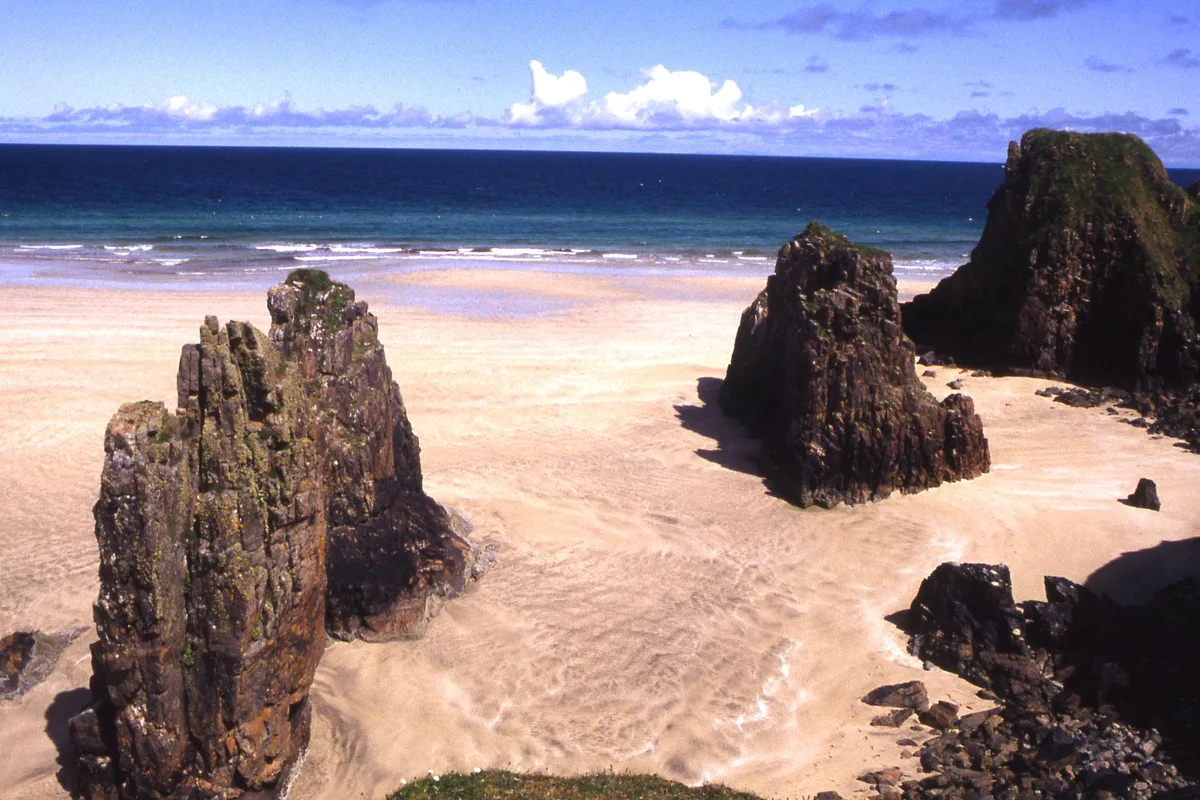
At low tide, the shell-sand texture itself is worth a close-up shot, with the Atlantic horizon as a clean, uncluttered backdrop.
Where to eat
There are no food or drink facilities at or near the beach, so pack everything you need before you set out. The closest dining option is The Cross Inn, around 12.4 km away, followed by Borve Country House Hotel at 13.8 km. Plan your return journey around meal times — arriving hungry after the walk with nowhere to eat nearby is easily avoided with a little forward planning.
Where to stay
Overnight options close to the beach are limited, which suits the off-grid character of this corner of Lewis. Mardanan's Croft, a campsite roughly 12.5 km away, is the nearest listed accommodation and a fitting base for those who want to explore this stretch of coastline at a slower pace.
Photography
The contrast between the white shell-sand and the deep blue water photographs best in the soft, low-angled light of a Hebridean summer morning or evening. Shoot from the rocky headland looking back along the beach for a wide, empty composition.
Good to know
Come prepared for the Hebridean north-east: the coast is fully exposed, and strong waves build quickly in any northerly swell — assess conditions before you wade in. The rocky headland crossing demands care, especially after rain when surfaces become slippery. Avoid the beach entirely from November through February, when north-easterly gales and very short daylight hours make the walk both unpleasant and potentially hazardous. Dogs are welcome year-round, but keep them close on the headland section.
GAMES
🕹️ Five minutes of sand?
Three daily games — including the UV simulator set to this beach.
Map
Nearby places
The Cross Inn
Borve Country House Hotel
Mardanan’s Croft (Campsite)
Bridge to nowhere
Observatory
Traigh Mhòr, Tolsta (Bridge to Nowhere)
Callanish Standing Stones
Stornoway
Things to see around Lewis
Traigh Mhòr, Tolsta (Bridge to Nowhere)
Adjacent beach at Tolsta with the unfinished Bridge to Nowhere at the road terminus.
Callanish Standing Stones
Neolithic stone circle, one of the most significant prehistoric monuments in Europe.
Stornoway
Main town of Lewis and Harris with ferry connections and An Lanntair arts centre.
GIFT IDEA · MARCEL ET LES BLONDES
🎁 Give a moment, not a thing


What’s the occasion?

 💑 Dating anniversaryTwo dates, two starry skies
 💍 Wedding anniversaryCotton, silver, golden…
 🎂 BirthdayTheir own newspaper front page
 👶 New babyThe stars on the day they were bornValentine’s DayOur two moons, as a print
Shipping €5, free from €49 · made to order, shipped within 48 hAlso: our engraved wooden bracelets, €23.90 →
Frequently asked
The information on this page is provided for guidance only and may evolve. Access conditions, safety and infrastructure can change without notice. Always check official sources before traveling.
Nearest beaches
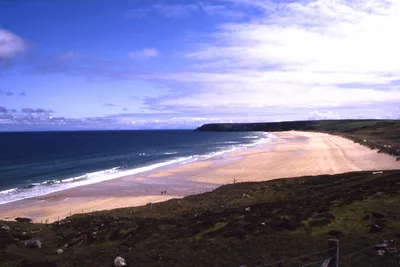
Other relaxed beaches in United Kingdom
More beaches in Scottish Islands
Reviews of this beach
- No reviews yet, what a shame — leave yours and share your experience.
Photo credits
Sources and licenses for the photos shown above.
- Photo 1 — Steven Brown · source · CC BY-SA 2.0
- Photo 2 — Colin Park · source · CC BY-SA 2.0
- Photo 3 — Colin Park · source · CC BY-SA 2.0
- Photo 4 — Anne Burgess · source · CC BY-SA 2.0
- Photo 5 — Anne Burgess · source · CC BY-SA 2.0
- Photo 6 — Alan Reid · source · CC BY-SA 2.0