Khao Thong Beach
Golden sands, karst drama, zero tourist fuss
About
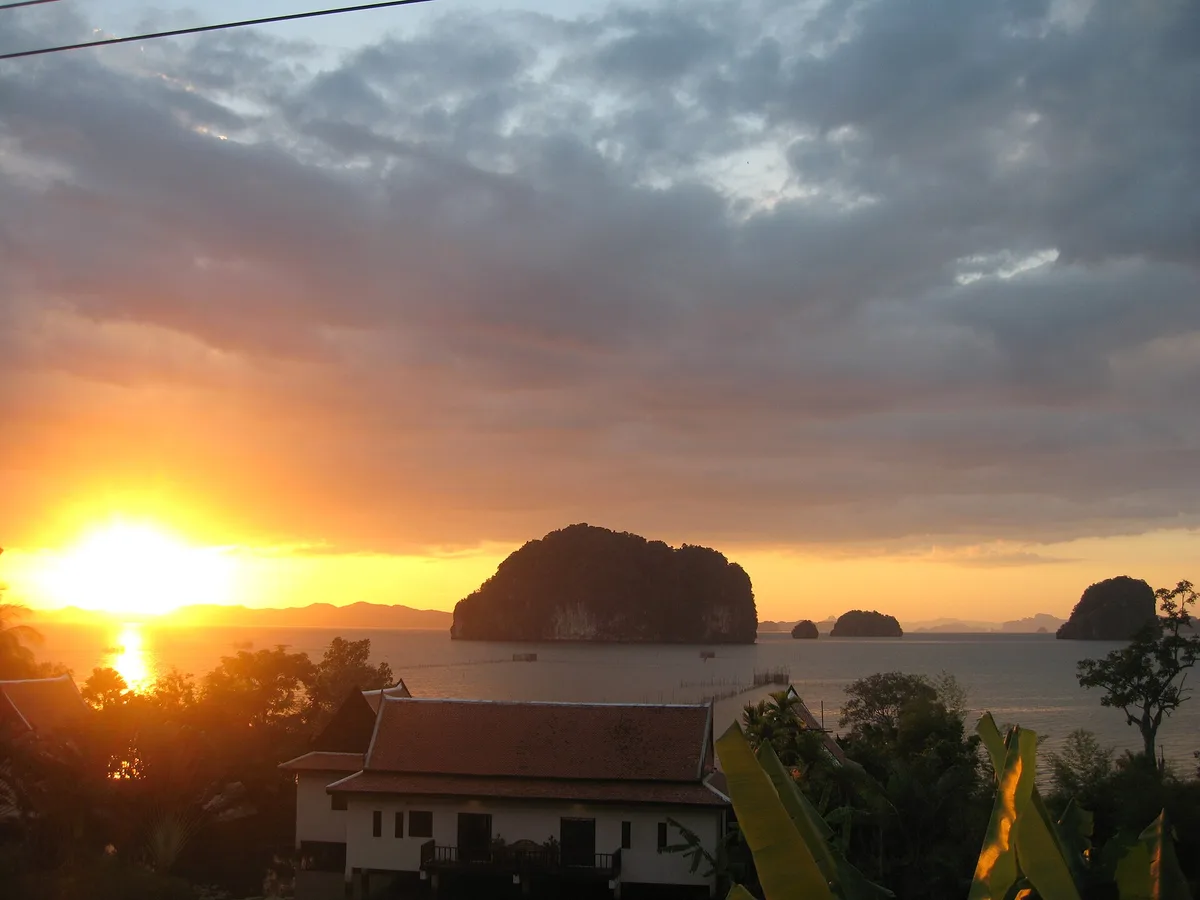
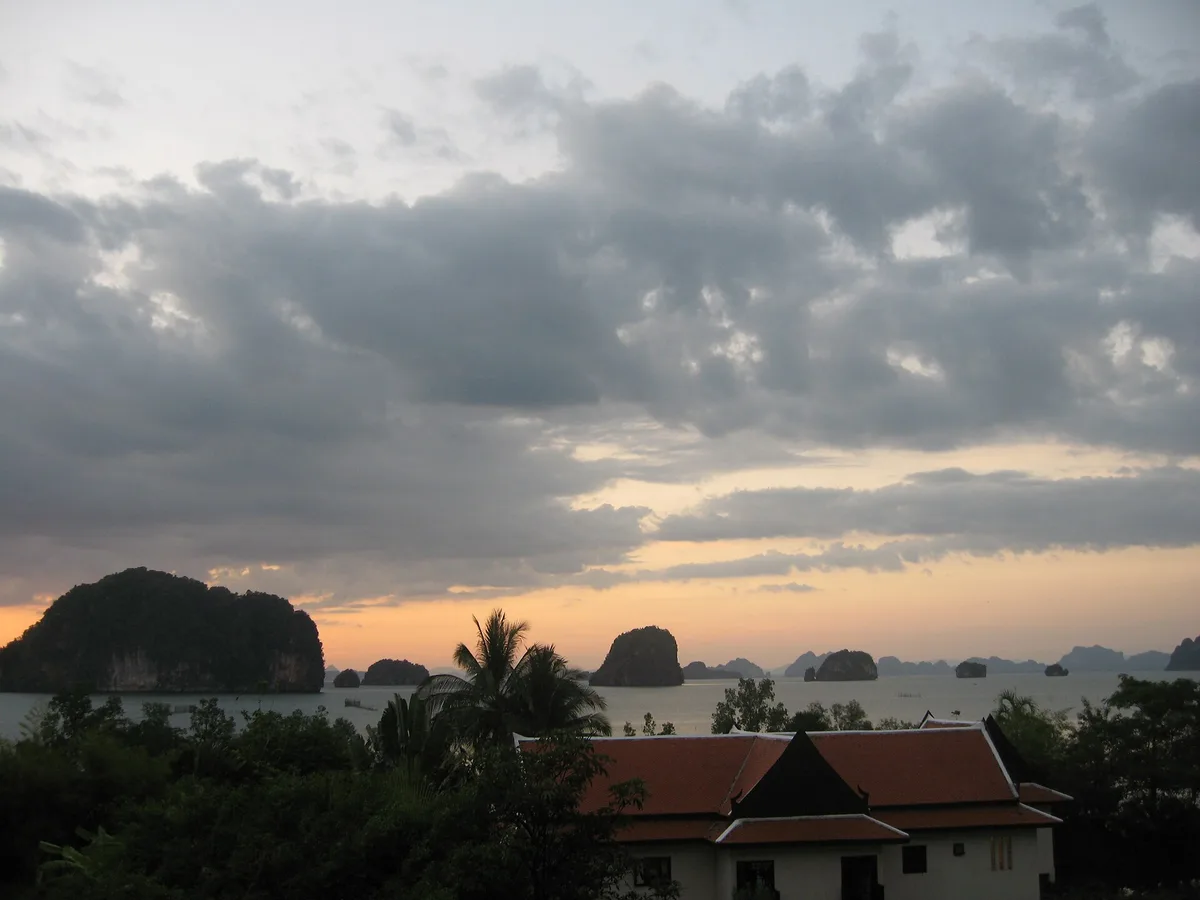
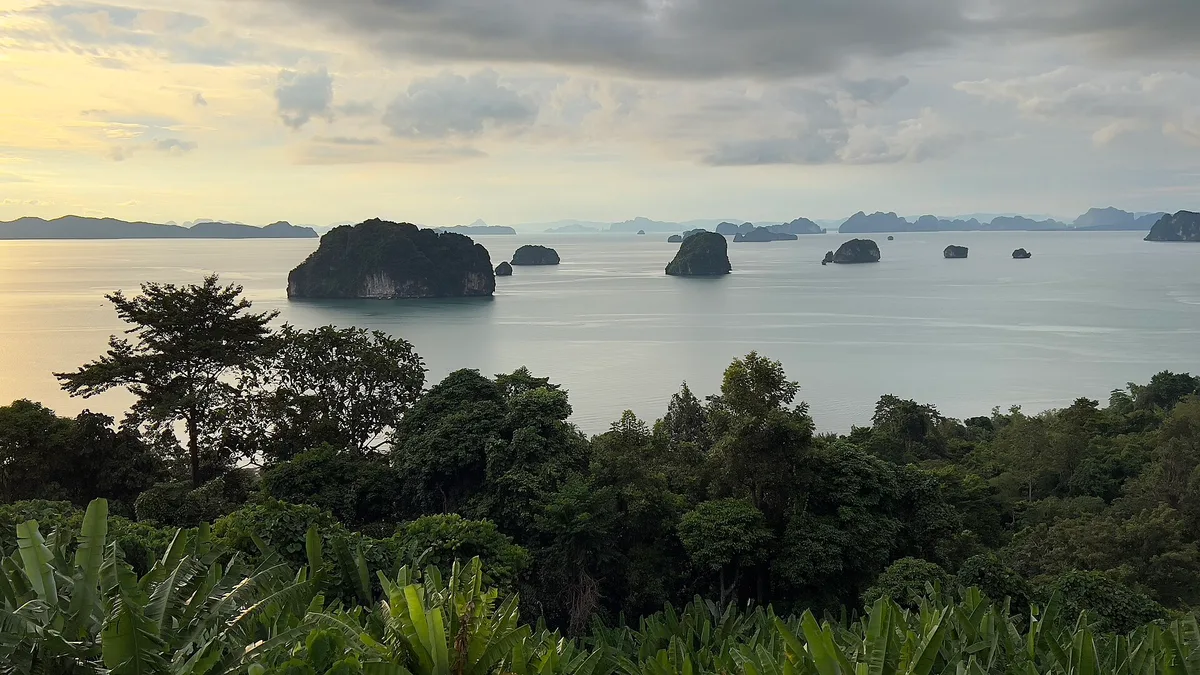
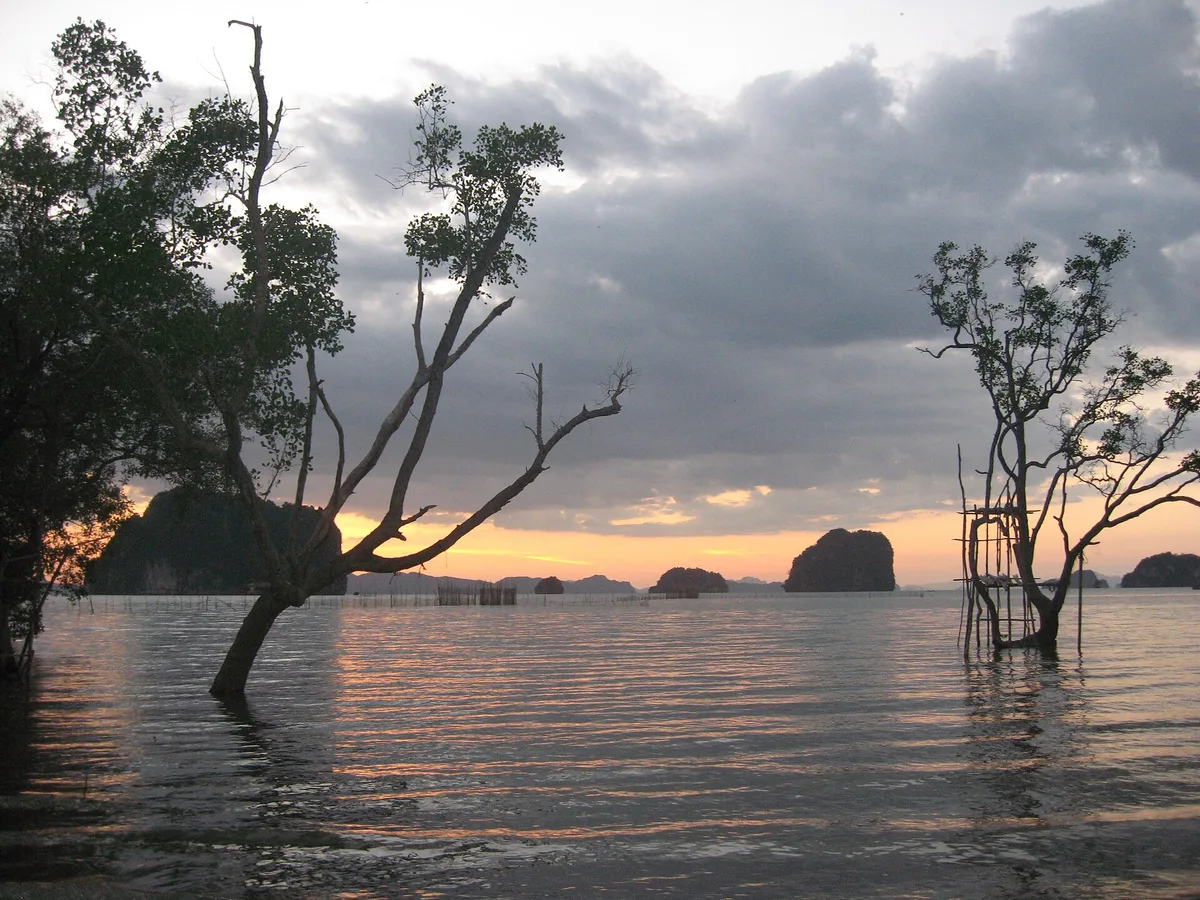
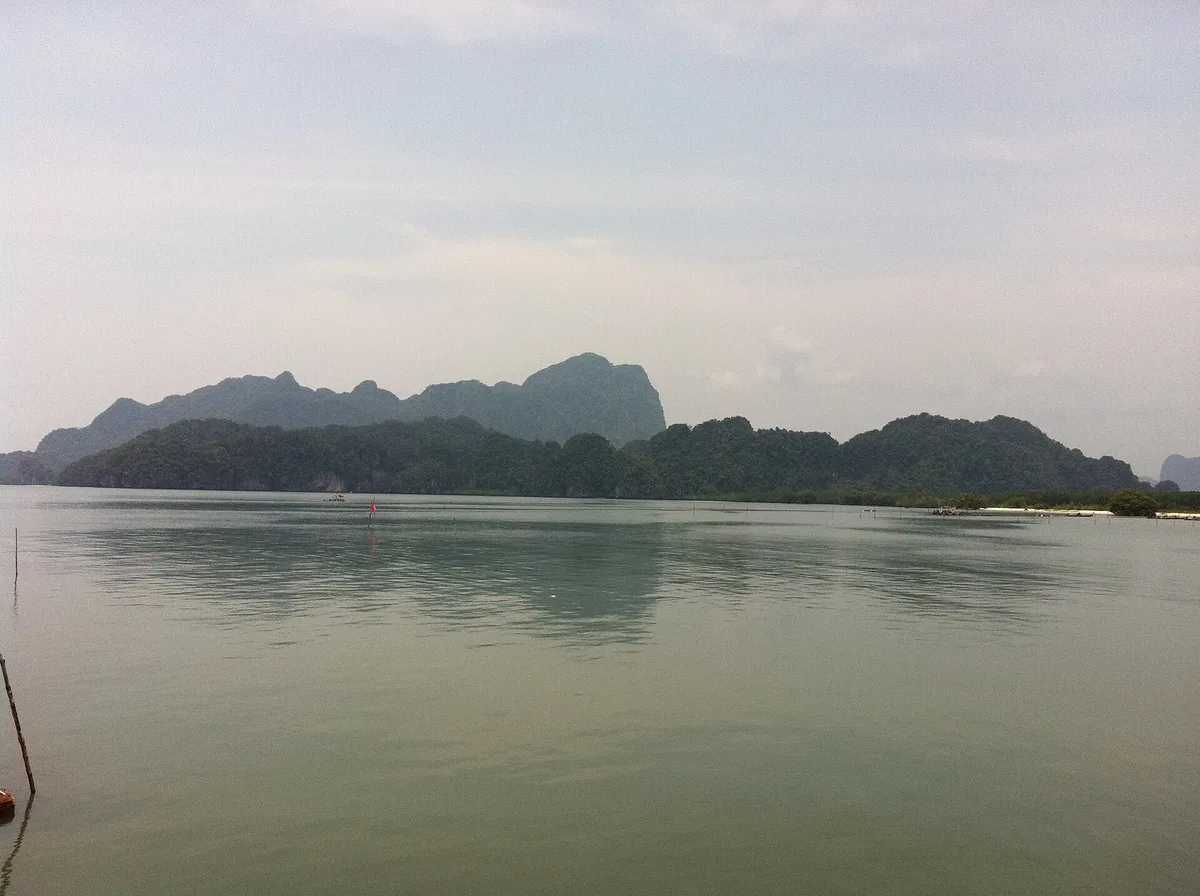
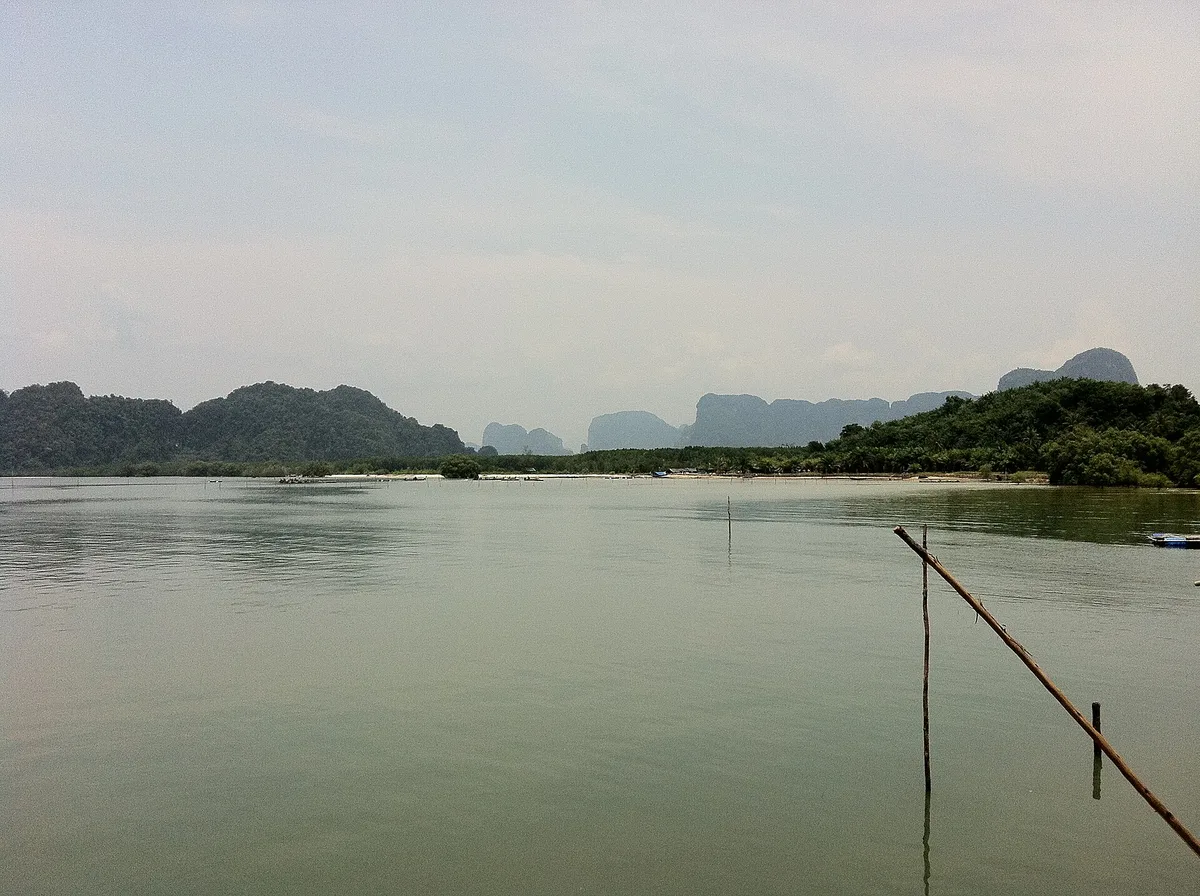
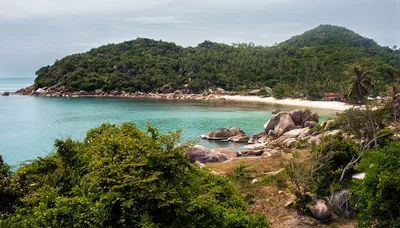
Khao Thong Beach sits on the shores of Koh Yi island near Krabi Town, where the Krabi River meets the Andaman Sea. The golden sand stretches roughly along a calm estuary front, backed by nothing more than open sky and the silhouettes of limestone peaks. The water here runs brown — tinted by river sediment — and the flat, still surface mirrors the twin limestone pillars of Khao Kanab Nam on clear mornings. There are no beach bars, no sun-lounger rentals, no hawkers — just local fishermen, birdsong, and the occasional longtail boat cutting through the channel. It's raw, unhurried, and genuinely off the tourist trail.
How to get there
From Krabi Town, the beach is roughly a 15-minute drive and easy to reach by car. Ferry connections are also available from Krabi Town, with the crossing taking around 30 minutes. Free informal roadside parking is available on-site — no ticket machines or apps required. There is no entry fee.
Who it's for
For couples
Couples who want quiet and scenery without the resort-beach circus will find Khao Thong genuinely rewarding — golden sand, dramatic karst silhouettes, and almost no one else around. Pair it with a sunset kayak through Ao Thalane's mangroves nearby for a full day out.
For families
The flat, calm beach surface and easy road access make arrival straightforward with kids, but be clear with children that the water is off-limits — boat traffic in the channel makes it unsafe for anyone. Pack a picnic, bring a frisbee, and treat it as a scenic stop rather than a swim day.
Our take
Feet in the sand, eyes on the screen
Khao Thong is not a beach you swim at — get that straight before you go. The river channel carries active boat traffic and the brown, murky water offers zero visibility, so keep your feet dry. What it is, unambiguously, is one of the most photogenic estuary settings near Krabi Town: golden sand, a wide flat calm, and the twin limestone towers of Khao Kanab Nam rising in the distance. There are no facilities, no vendors, and almost no other visitors — which is either a dealbreaker or the whole point, depending on who you are. Come in the dry season between November and April, bring your own supplies, and give yourself an hour to just sit with the view. Skip June through August entirely.
What to do
The beach's prime activity is photography — frame the Khao Kanab Nam twin pillars across the estuary at golden hour and you'll understand why locals come here with cameras. Kayaking is available about 3.4km away, and the Ao Thalane mangrove forest kayaking experience is just 3.5km from the beach — one of the best ways to explore the surrounding karst landscape from water level. Krabi Town, 8km away, offers a riverside market, Sino-Portuguese architecture, and ferry connections, while Tiger Cave Temple's 1,237-step staircase to a clifftop viewpoint is worth the effort 10km inland.
Position yourself at the waterline at dawn to capture the Khao Kanab Nam twin pillars reflected in the flat brown estuary — the golden sand in the foreground anchors the composition.
The empty beach looking east toward the limestone karst also works well in the late afternoon when the light turns warm and the peaks catch a golden edge.
Where to eat
Khaothong Terrace is the closest option at just 0.4km — a logical stop before or after your visit. The Natural Cafe, 1.8km away, covers a broad spread including Thai food, seafood, and coffee. For something more polished, the Banyan Tree Krabi resort at 8.5km hosts both Saffron and The Naga Kitchen, covering Thai and Western menus respectively.
Where to stay
The nearest options cluster within 3km of the beach: Iaia House (2.7km) and Vill Thalanena (2.8km) offer smaller, local-style stays, while Tha Lane Resort at 2.9km puts you close to the estuary without being far from Krabi Town. Gillhams Fishing Resort, 3.1km out, is a well-known option for those who want a more activity-focused base.
Photography
The best shots frame the Khao Kanab Nam twin limestone pillars reflected in the flat, brown estuary water — arrive early morning when light is soft and boat traffic is minimal. The golden sand foreground against the karst backdrop makes for a strong compositional contrast, especially in the dry season months of November through April when visibility of the peaks is at its clearest.
Good to know
Do not enter the water here. Active boat traffic moves through the river channel and the murky, low-visibility water makes swimming genuinely dangerous — this is not a swimming beach under any circumstances. There are zero tourist facilities on site, so bring water, snacks, and sun protection. Avoid June, July, and August: monsoon rains increase river turbidity and the limestone peaks disappear behind haze, making the main draw — those karst views — largely invisible.
Map
Nearby places
Khaothong Terrace
The Natural Cafe
The Naga Kitchen at Banyan Tree
Bird's Nest by Saffron Restaurant
Saffron at Banyan Tree Krabi
Iaia : House
Melina'S Monkey House & WHALE BAR
Vill Thalanena
Tha Lane Resort
Gillhams fishing resort
Things to see around Mueang Krabi
Khao Kanab Nam
Twin limestone pillars at the Krabi River mouth, accessible by kayak tour from Krabi Town
Krabi Town
Provincial capital with riverside market, Sino-Portuguese architecture, and ferry pier
Tiger Cave Temple (Wat Tham Suea)
Buddhist temple complex with 1,237-step staircase to clifftop viewpoint
Frequently asked
The information on this page is provided for guidance only and may evolve. Access conditions, safety and infrastructure can change without notice. Always check official sources before traveling.
Nearest beaches

Other relaxed beaches in Thailand
Reviews of this beach
- No reviews yet, what a shame — leave yours and share your experience.
Photo credits
Sources and licenses for the photos shown above.
- Photo 1 — ::::=UT=::: · source · CC BY-SA 3.0
- Photo 2 — ::::=UT=::: · source · CC BY-SA 3.0
- Photo 3 — Stefan Fussan · source · CC BY-SA 4.0
- Photo 4 — ::::=UT=::: · source · CC BY-SA 3.0
- Photo 5 — Mozhar · source · CC BY-SA 3.0
- Photo 6 — Mozhar · source · CC BY-SA 3.0