
Tham Phra Nang Beach
Sacred cave, white sand, boat-only Krabi classic
About
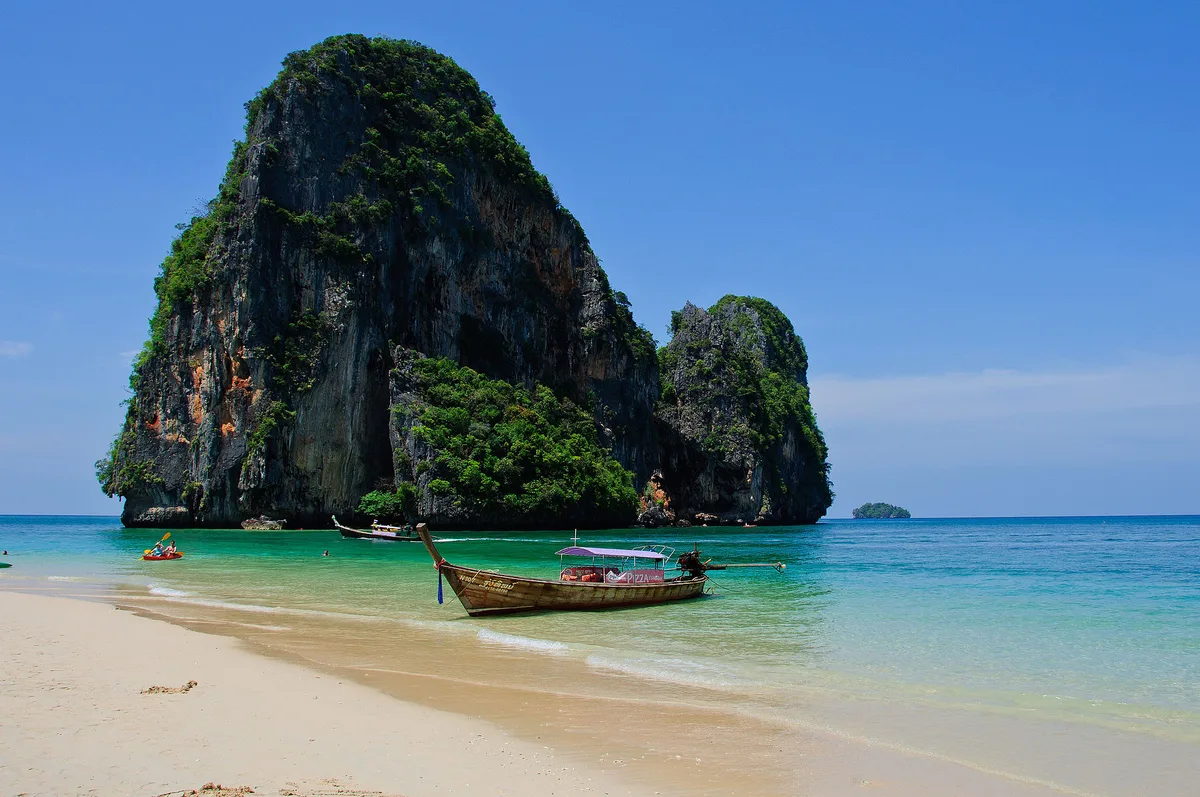
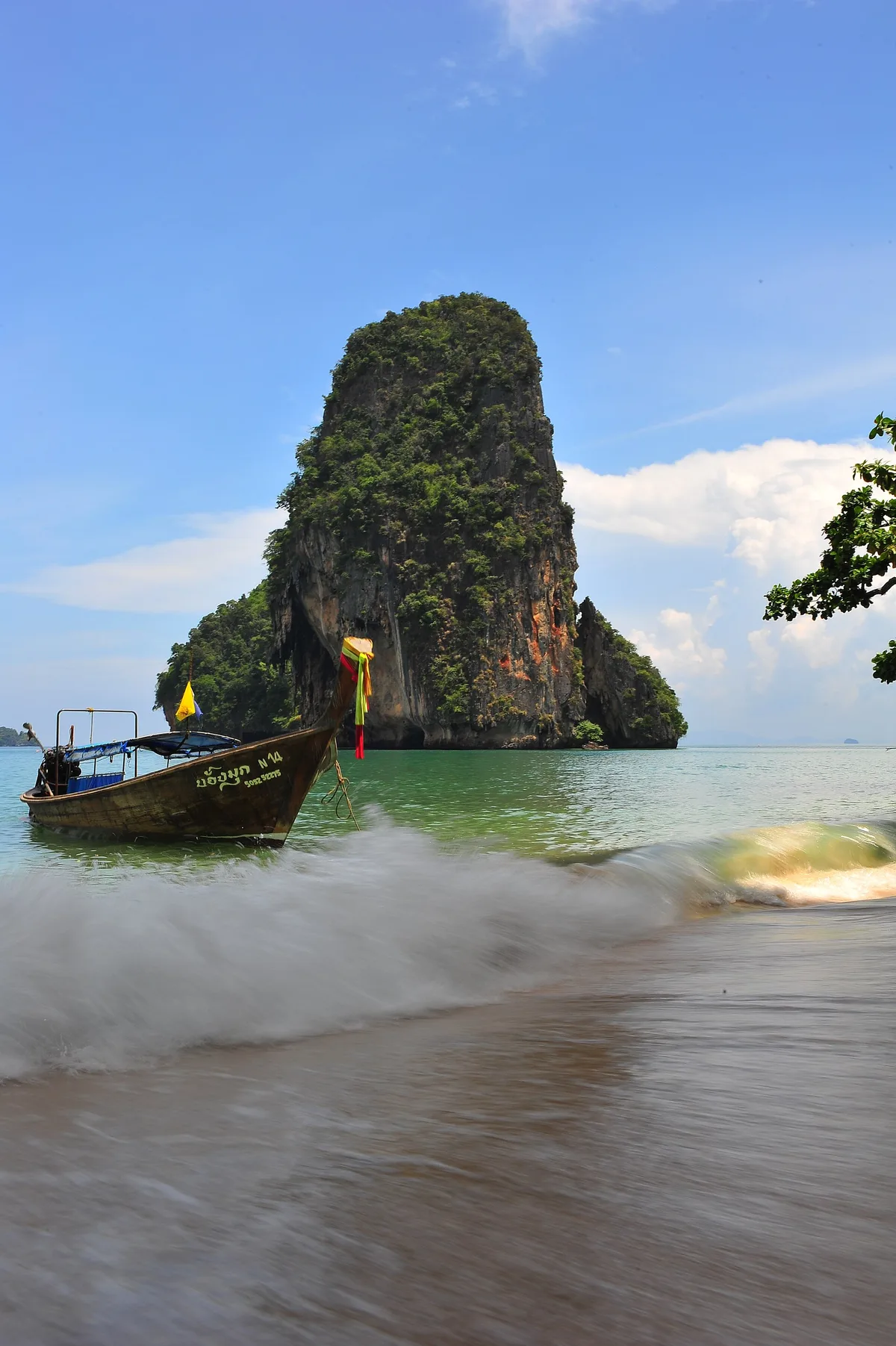
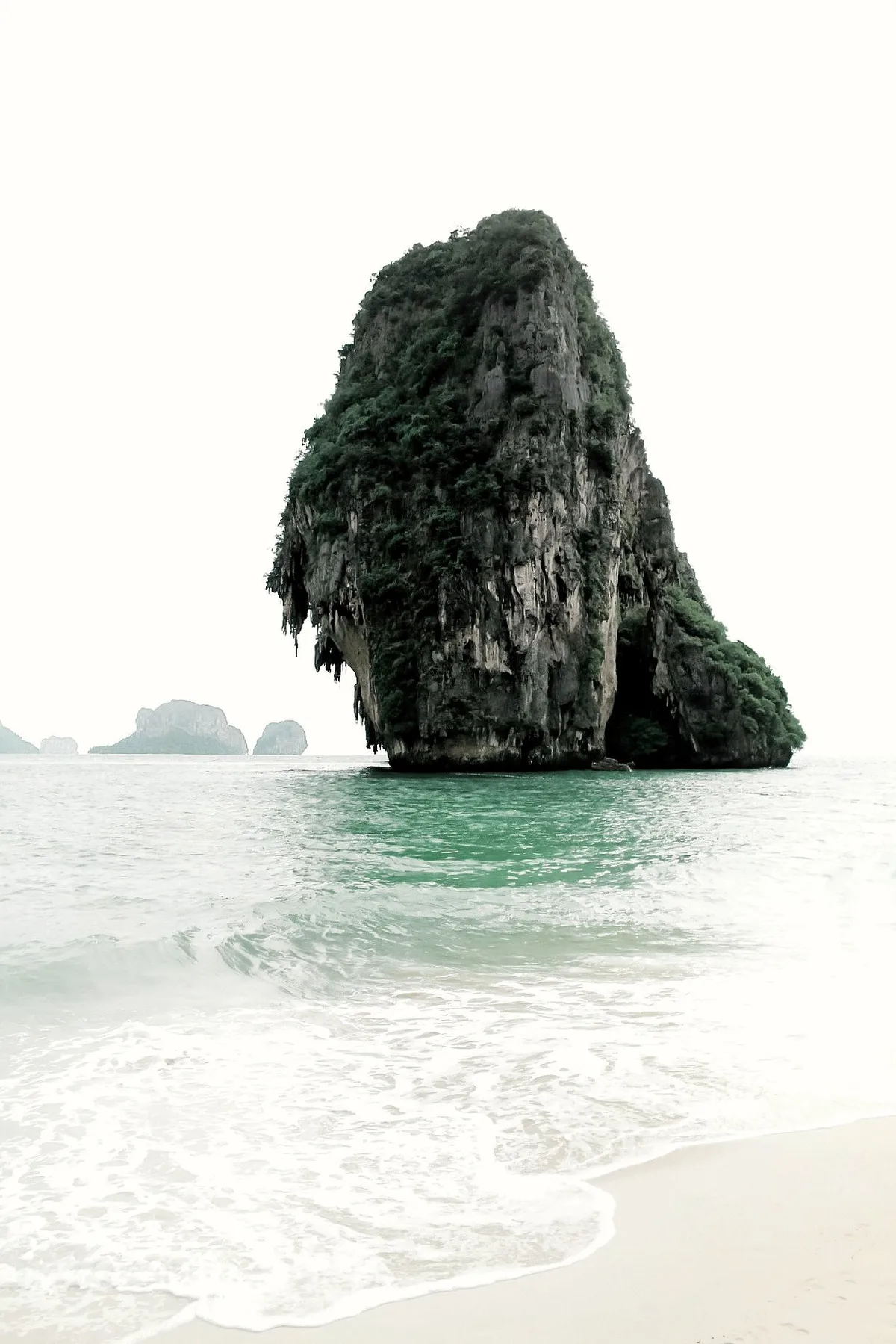
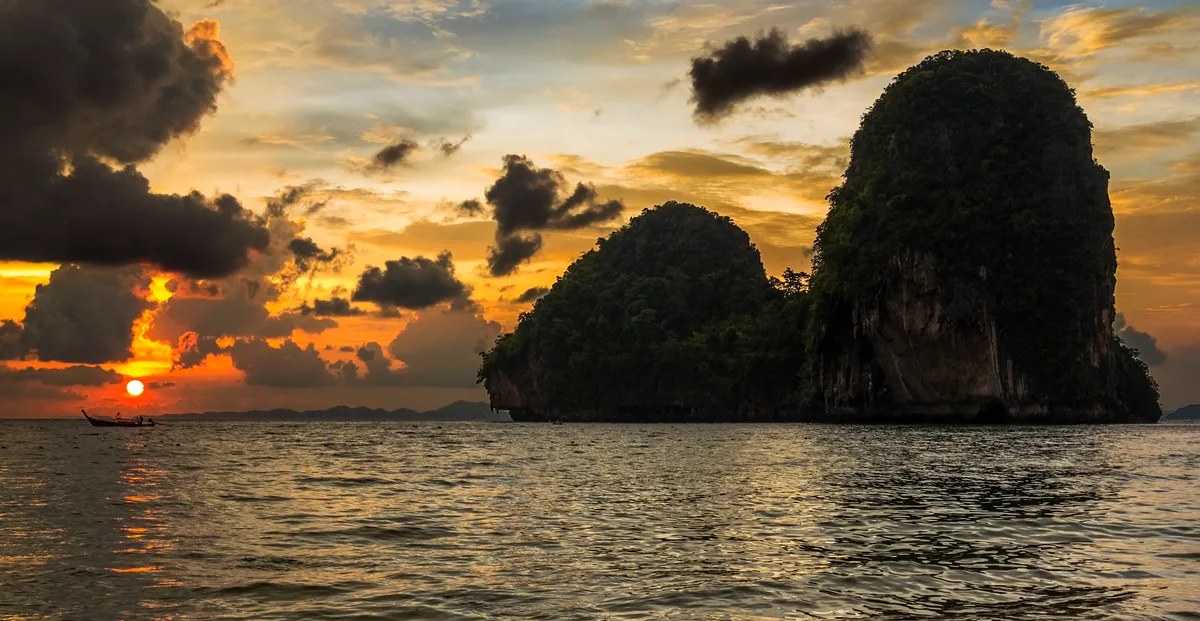
Phra Nang Beach sits at the foot of twin karst headlands on, a short longtail ride from Ao Nang on the Andaman Sea. The white sand is soft underfoot, the water crystal-clear and calm enough for safe swimming, and the whole scene is framed by sheer limestone walls that drop straight into the sea. At the southern end, a sacred cave shrine filled with wooden phallus offerings draws both curious visitors and devout worshippers — it's an active place of worship, not a photo prop. The beach is genuinely busy during the day, but the setting is dramatic enough that even a packed shoreline feels earned.
How to get there
Phra Nang is boat-only — there is no road and no parking at the beach itself. From Ao Nang pier, a longtail boat takes roughly 15 minutes and runs daily; you can also reach it on foot via a 15-minute jungle path from Railay West Beach. Leave your vehicle in Ao Nang before boarding. The beach falls within Hat Nopparat Thara – Mu Ko Phi Phi National Park, so national park rules apply on arrival.
Who it's for
For couples
The boat-only approach and dramatic limestone backdrop make Phra Nang one of the more romantic arrivals in Krabi — arrive early, claim a quiet stretch of white sand before the day-trippers, and walk the jungle path to the Lagoon together.
For families
Swimming is safe and the water is crystal-clear, which suits younger swimmers well, but note that boarding a longtail requires wading and the jungle path to the Lagoon is uneven — it's best for families with older, steady-footed kids. Dogs are not permitted in this national park area.
Our take
Feet in the sand, eyes on the screen
Phra Nang delivers on the postcard, but it's not a secret — it's one of the busiest beaches in Krabi for good reason. The white sand is real, the water is genuinely crystal-clear, and the karst headlands are as dramatic as anything on the Andaman coast. What lifts it above a standard beach stop is the Princess Cave shrine: an active, living place of worship that gives the whole peninsula a weight most Thai beaches don't have. Treat it accordingly. Avoid June through September when monsoon seas make the longtail crossing unreliable, and get there before 10:00 if you want the beach at anything close to its best. Worth the boat ride — just not in peak midday heat.
What to do
The Princess Cave (rated 4.6/5) is just 0.3 km from the waterline and is the cultural centrepiece of the whole peninsula — the wooden phallus offerings inside have been accumulating for generations. Snorkeling off the karst headlands rewards you with clear water and marine life without needing to go far from shore. A short walk of 0.6 km brings you to the Lagoon (also 4.6/5), a hidden tidal pool reached by a scramble through the jungle. Diamond Cave (Tham Phra Nang Nai), 0.4 km away, is an illuminated stalactite cave worth the detour if you have time after the beach.
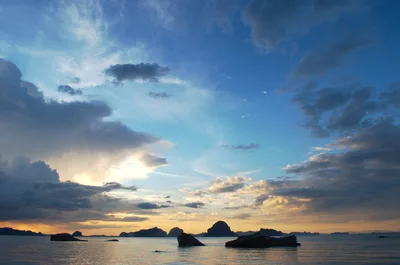
Stand at the waterline and shoot back toward the twin karst headlands at sunrise — the white sand, crystal-clear water, and sheer limestone walls fill the frame without any effort.
The Princess Cave shrine, dense with wooden offerings against dark rock, is a striking and culturally layered subject best photographed in soft afternoon light when the angle is lower.
Where to eat
There are no restaurants on the beach itself, so eat before you board or pack supplies. Rayavadi is the closest option at 0.2 km from the Railay side, and Sand Sea Restaurant (Thai) and Flame Tree Restaurant — which covers everything from Thai to Italian pizza — are both within 0.6 km. Doasis Café at 0.5 km is a solid pick for a sandwich or breakfast before the morning longtail.
Where to stay
Anyavee Railay Resort and Rai Rey Beach Club are the closest bases, both around 0.8 km from the beach and reachable without a vehicle. Diamond Cave Resort and Railay Viewpoint Resort sit at roughly 1 km and give you easy access to both Phra Nang and the wider Railay peninsula.
Photography
The best shot on the peninsula is from the waterline looking back at the twin karst headlands — go at first light before the longtails arrive and the white sand is still empty. The cave shrine interior, with its dense forest of wooden offerings against the dark rock, rewards a wide-angle lens in the softer afternoon light.
Good to know
Arrive before 10:00 or after 14:00 — visitor numbers peak sharply between those hours and the narrow beach fills fast. The cave shrine is an active place of worship: respect it, do not remove or damage any offerings, and keep your voice low inside. Longtail crossings can be rough between May and October, and the sea makes the journey unreliable in June through September — plan your visit between November and April if you can. Small jellyfish are occasionally present in the bay, so scan the water before you wade in.
Map
Nearby places
Rayavadi
Doasis Café
Sand Sea Restaurant
Flame Tree Restaurant
Swasdee
Anyavee Railay Resort
Rai Rey Beach Club
Reilay Hilltop Reception
Diamond Cave Resort
Railay Viewpoint Resort
Railay West Beach
Diamond Cave (Tham Phra Nang Nai)
Hat Nopparat Thara – Mu Ko Phi Phi National Park HQ
Things to see around Mueang Krabi
Railay West Beach
Iconic karst-backed sandy beach connected by jungle path
Diamond Cave (Tham Phra Nang Nai)
Illuminated stalactite cave accessible from Railay East
Hat Nopparat Thara – Mu Ko Phi Phi National Park HQ
National park headquarters with ferry connections to Ko Phi Phi
Frequently asked
The information on this page is provided for guidance only and may evolve. Access conditions, safety and infrastructure can change without notice. Always check official sources before traveling.
Nearest beaches
Other wild beaches in Thailand
Reviews of this beach
- No reviews yet, what a shame — leave yours and share your experience.
Photo credits
Sources and licenses for the photos shown above.
- Photo 1 — kallerna · source · CC BY-SA 3.0
- Photo 2 — Mark Fischer · source · CC BY-SA 2.0
- Photo 3 — Александр Ф · source · CC BY-SA 3.0
- Photo 4 — Rojs Rozentāls · source · CC BY-SA 2.0
- Photo 5 — guillenperez · source · CC BY-ND 2.0