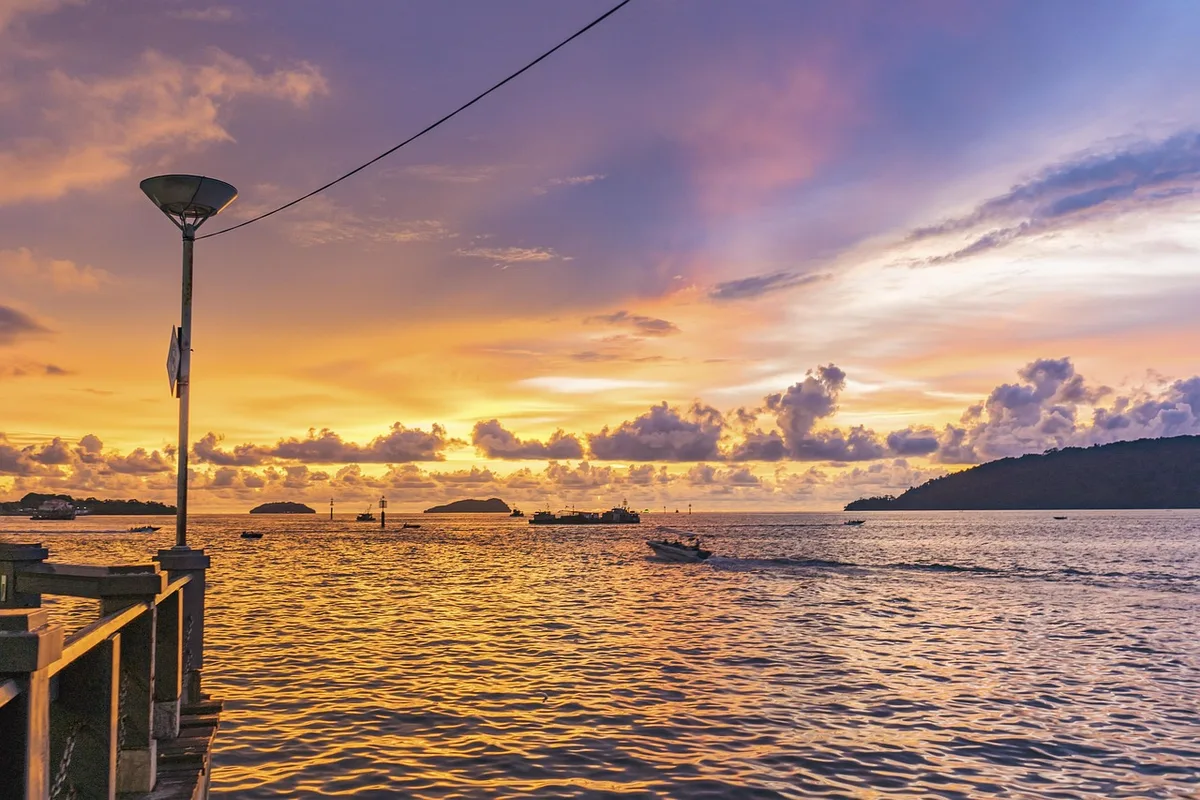
Hòn Vung BeachVietnam Beach Guide
White sand, turquoise water, zero footprints — earn it
 🎁 Gift idea: the star map of your most beautiful night↓
About
Bãi Hòn Vung sits on the uninhabited island of Hòn Bảy Cạnh in the Con Dao archipelago, reachable only by boat from Côn Đảo town pier. White sand meets turquoise water in near-total silence — this beach sees almost no visitors, and the wild, untouched atmosphere is the whole point. At low spring tides, a tidal sandbar emerges to connect the beach to an adjacent islet, a geological feature that is rare in the Con Dao archipelago and unlike anything else on this coast. There are no facilities of any kind here — no shade structures, no toilets, no vendors — just open sky, warm water, and the sounds of a national park doing its job.
How to get there
Bãi Hòn Vung is boat-only — reach it by arranging an on-demand boat from Côn Đảo town pier to Hòn Bảy Cạnh. There is no road, no car access, and no parking of any kind; the boat lands directly on the sand. A national park permit fee applies and is used for conservation. There is no road infrastructure on the island, and the landing is on open beach sand.
Who it's for
For couples
For couples who want genuine solitude, Bãi Hòn Vung delivers — the beach is consistently empty, and the low-tide sandbar walk to the adjacent islet is a quietly dramatic shared experience that requires planning and rewards patience.
For families
Families should plan carefully: there are no facilities, no shade structures, and no emergency services on the island, and the boat landing is on open sand with no accessible infrastructure. The moderate swimming conditions and the absence of any amenities make this better suited to older children and adults who are comfortable in a fully self-sufficient, wild environment.
Our take
Bãi Hòn Vung is not a beach you stumble onto — it takes a permit, a boat, a tide table, and a willingness to be completely self-sufficient. The northwest exposure is a real hazard; the months from November through February can make the sea crossing rough and the beach uncomfortable, so plan your visit for the dry season when this place earns its reputation. Swimming is rated moderate, and with no emergency services anywhere on the island, you enter the water at your own considered risk. What you get in return is one of the genuinely empty beaches in the Con Dao archipelago — white sand, turquoise water, and a tidal sandbar connection to an adjacent islet that feels like a private geological event. The wild vibe is not a marketing line; it is the literal condition of the place. If you want facilities, skip it. If you want the real thing, plan carefully and go.
What to do
The tidal sandbar walk to the adjacent islet is the defining experience here — time your visit around low spring tides and you can cross on foot to a sliver of land that is otherwise surrounded by turquoise water. The surrounding waters of Hòn Bảy Cạnh support active sea turtle nesting, and the nearby island also features a colonial lighthouse worth exploring. Back on the main island, Con Dao National Park Headquarters — about 10 km away — is the place to arrange permits and learn about the archipelago's conservation programs. Hàng Dương Cemetery, roughly 12 km away, is a significant cultural and pilgrimage site for those interested in Vietnamese history.
The tidal sandbar at low spring tide — white sand stretching into turquoise water toward the adjacent islet — is the shot that defines this beach.
Frame it wide from the shoreline to capture the full sandbar ribbon with the uninhabited island's green interior behind it. The boat approach to Hòn Bảy Cạnh also offers an elevated perspective of the white sand arc against the surrounding turquoise, best captured in the clear light of the dry season.
Where to eat
There is absolutely nothing to eat or drink at Bãi Hòn Vung — no café, no vendor, no coconut stand. Bring all food and water from Côn Đảo town before boarding the boat, and carry out every wrapper and bottle when you leave.
Where to stay
There is no accommodation on Hòn Bảy Cạnh or at the beach — camping is prohibited under national park regulations. Base yourself in Côn Đảo Special Administrative Region town, which is the departure point for the boat crossing and the nearest settlement.
Photography
The tidal sandbar at low spring tide is the single most photogenic feature — shoot from the beach looking toward the islet connection for a composition that shows the turquoise water flanking a ribbon of white sand, with the sharp contrast between the white sand and the surrounding green of the uninhabited island.
Good to know
A national park permit is required — no exceptions, and camping is strictly prohibited. Carry out every piece of waste you bring; there are no bins or waste services on the island. The tidal sandbar that connects to the adjacent islet is only visible at low spring tides, so check tide tables carefully before you go or you may miss the feature entirely. Northwest exposure means the sea crossing and the beach itself can be rough and dangerous during the northeast monsoon — avoid visiting in November, December, January, and February. There are no facilities and no emergency services on the island, so bring everything you need and tell someone your plan. True digital-detox territory — cell signal fades and there is nowhere to plug anything in; bring offline books.
GAMES
🕹️ Five minutes of sand?
Three daily games — including the UV simulator set to this beach.
Map
Nearby places
Things to see around Côn Đảo
Hòn Bảy Cạnh
Nearby uninhabited island with colonial lighthouse and active sea turtle nesting program.
Con Dao National Park Headquarters
Main visitor centre; island permits arranged here.
Hàng Dương Cemetery
Historic cemetery and pilgrimage site for Vietnamese revolutionary prisoners.
GIFT IDEA · MARCEL ET LES BLONDES
🎁 Give a moment, not a thing

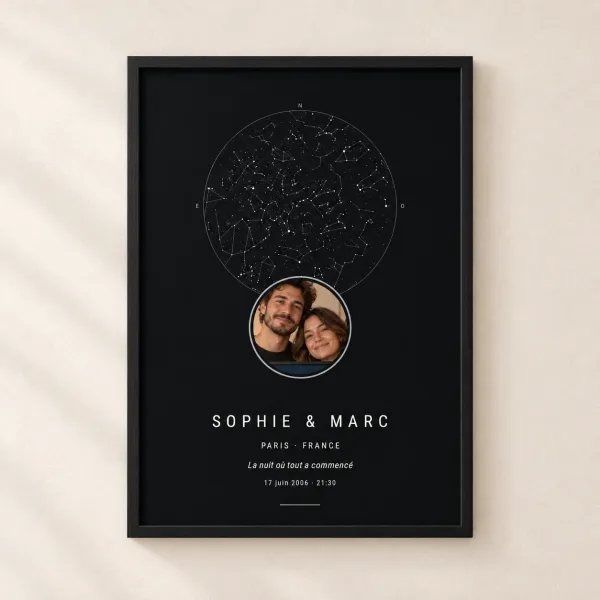
What’s the occasion?
 💑 Dating anniversaryTwo dates, two starry skies
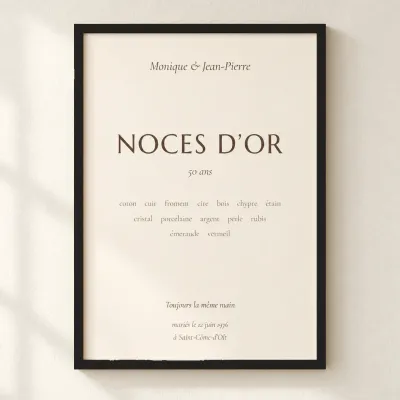 💍 Wedding anniversaryCotton, silver, golden…
 🎂 BirthdayTheir own newspaper front page
 👶 New babyThe stars on the day they were bornValentine’s DayOur two moons, as a print
Shipping €5, free from €49 · made to order, shipped within 48 hAlso: our engraved wooden bracelets, €23.90 →
Frequently asked
The information on this page is provided for guidance only and may evolve. Access conditions, safety and infrastructure can change without notice. Always check official sources before traveling.
Other beaches in the region
Other wild beaches in Vietnam
More beaches in Vietnamese Coast
Reviews of this beach
- No reviews yet, what a shame — leave yours and share your experience.
Photo credits
Sources and licenses for the photos shown above.
- Photo 1 — JimBear · source · Pixabay License
- Photo 2 — JimBear · source · Pixabay License
- Photo 3 — JimBear · source · Pixabay License