Đất Đỏ BeachVietnam Beach Guide
Red cliffs, blue water, zero tourists — earn it
About
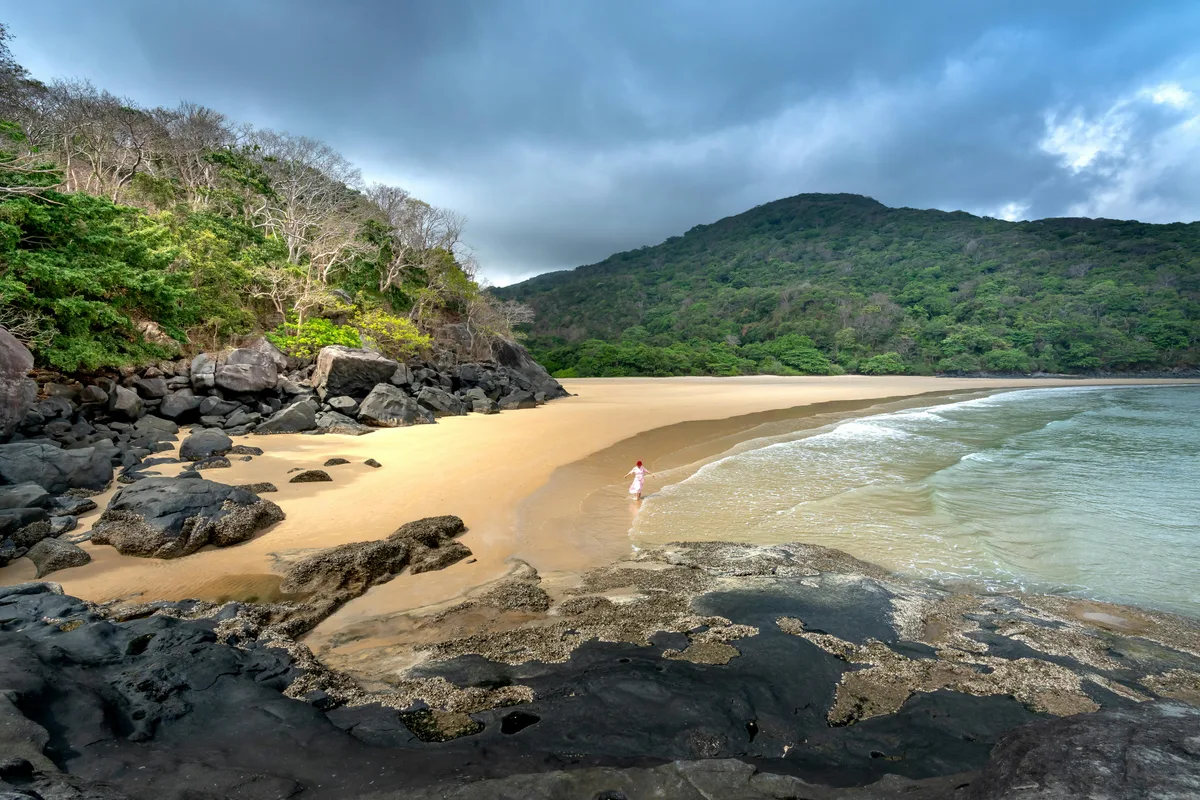
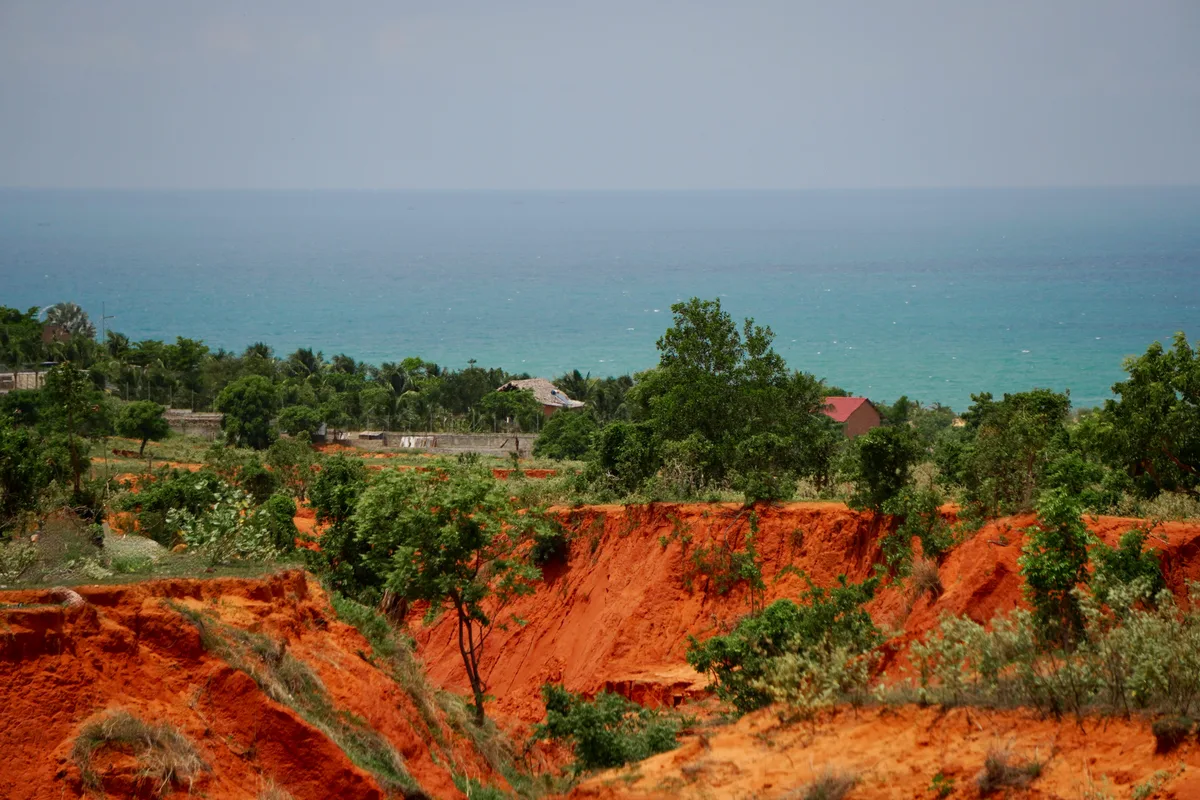
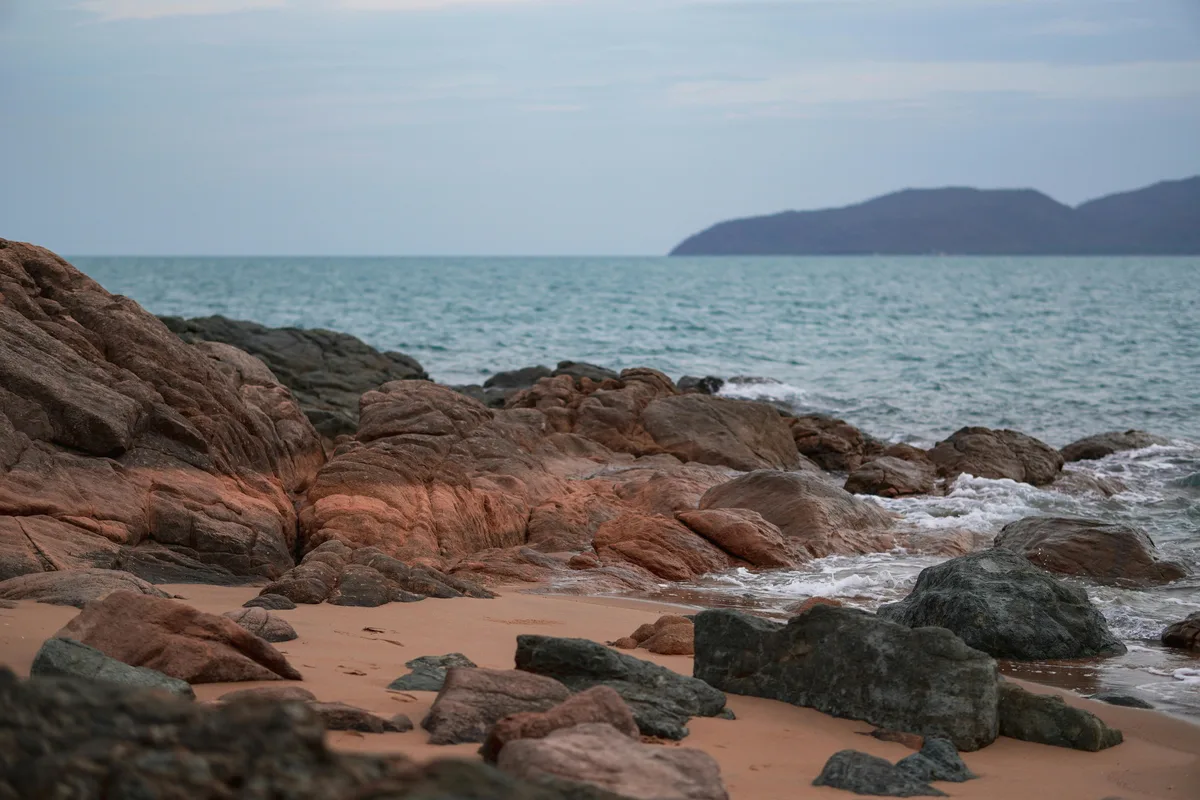
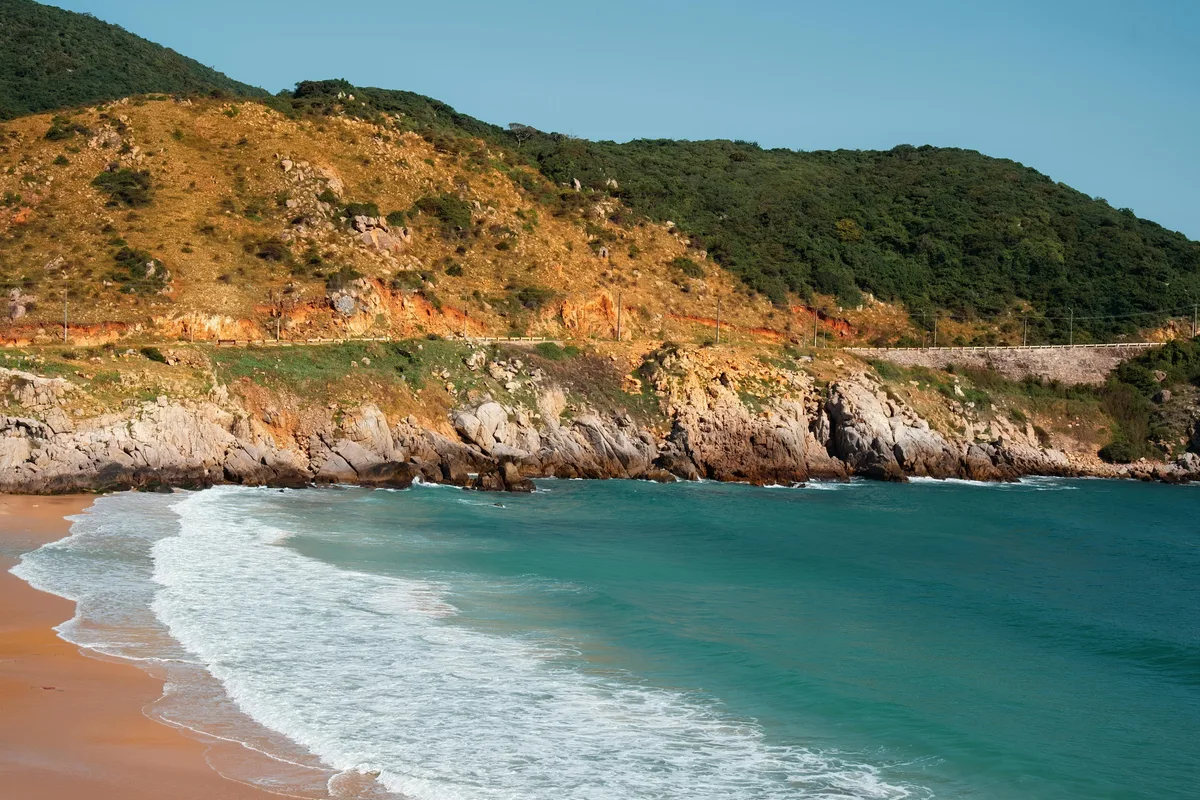
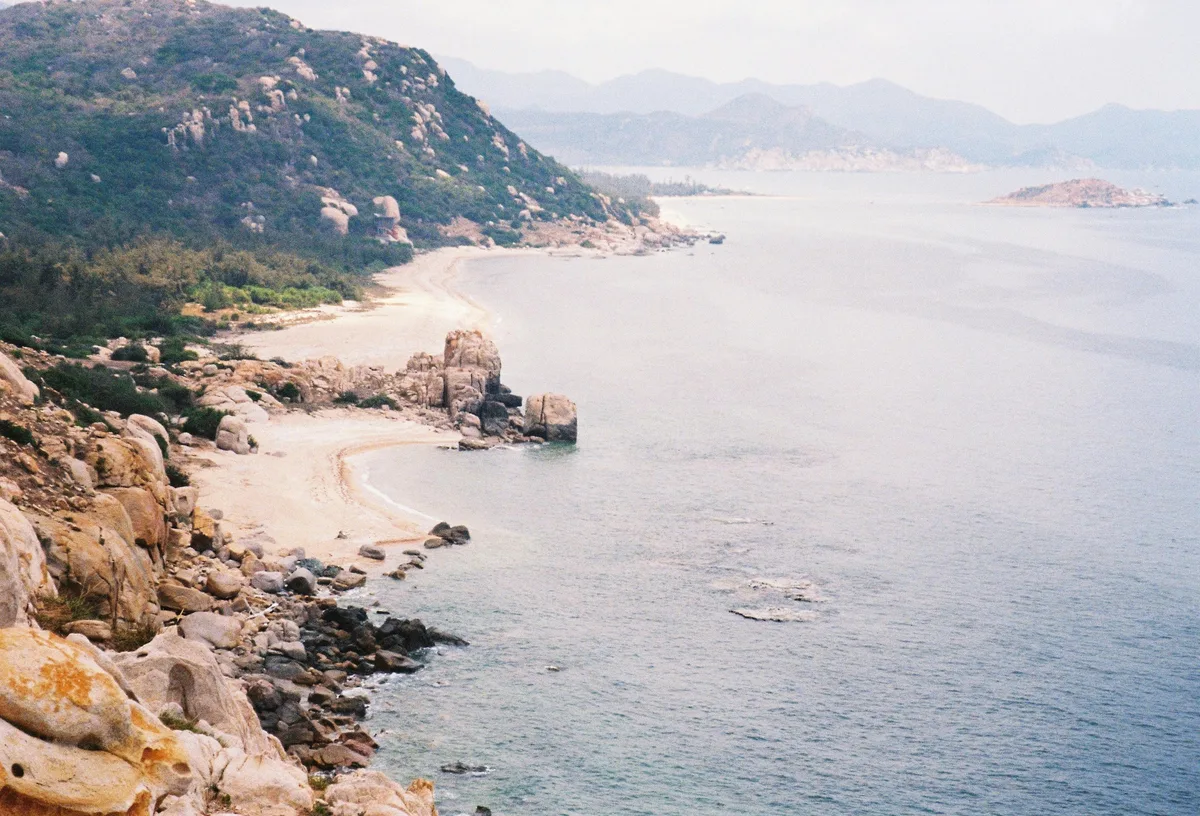
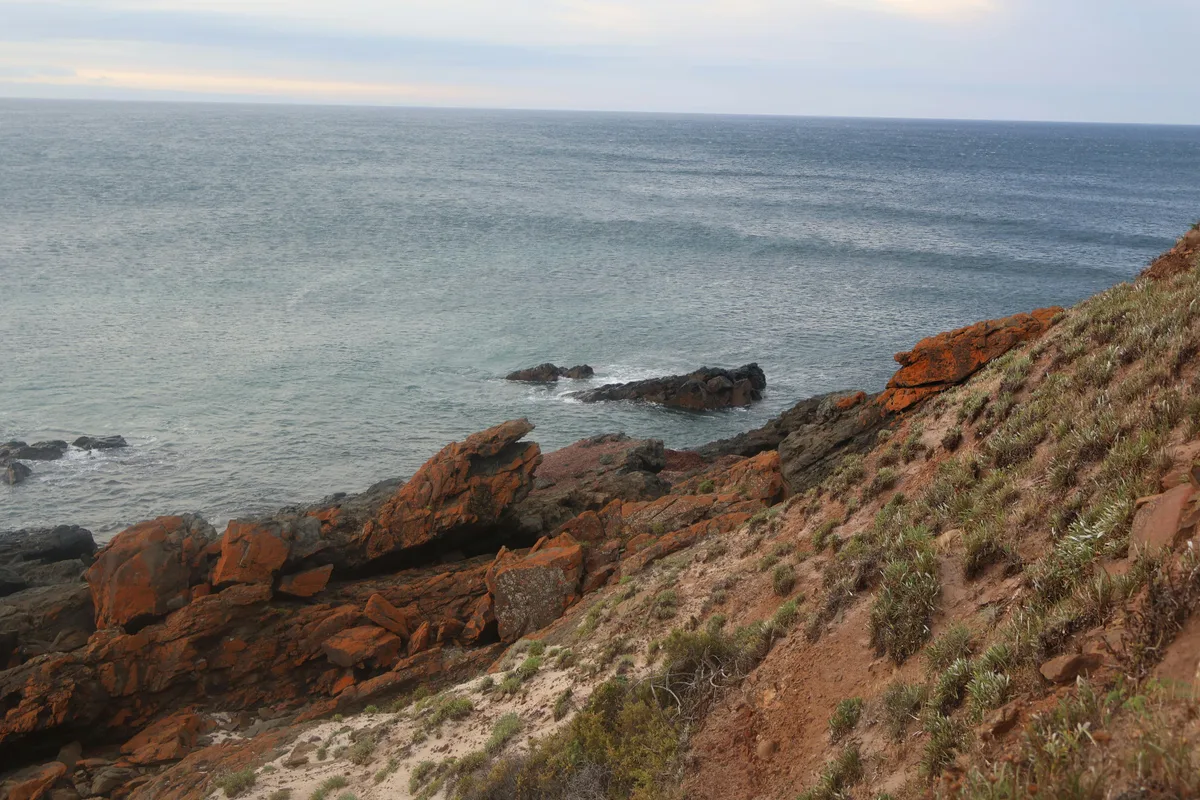
Bãi Đất Đỏ sits on Phú Quốc's isolated east coast, where iron-rich laterite cliffs blaze rust-red against the open blue of the Gulf of Thailand. A narrow strip of mixed sand and pebbles runs roughly 400 metres along the base of those geological formations — raw, ungroomed, and completely free of tourist infrastructure. There are no sunbeds, no vendors, no signs: just the cliffs, the water, and the wind. The east coast setting means the beach catches the full force of northeast swells in the cooler months, so timing your visit matters. Come in the dry season shoulder months and you'll find one of the most visually striking and empty stretches of shoreline on the island.
How to get there
From Dương Tơ, the drive takes around 20 minutes by car — follow the east coast road and expect a rough track for the final approach. There is no organised parking; pull off informally at the roadside when the track ends. There is no entry fee. The rough terrain and rocky beach make this unsuitable for wheelchairs or anyone with limited mobility.
Who it's for
For couples
The complete absence of other visitors and the dramatic red cliff backdrop make this a genuinely private escape — bring a picnic, stay for the afternoon light, and you'll likely have the entire 400-metre beach to yourselves.
For families
The difficult access track, rocky mixed-sand-and-pebble beach, unstable cliff edges, and total lack of facilities make Bãi Đất Đỏ a poor choice for young children — nearby Bãi Sao at 5 km is a far safer and more comfortable family option.
Our take
Bãi Đất Đỏ is not a beach you visit to swim or relax in comfort — the unstable cliff edges, rocky mixed shoreline, and total absence of facilities demand respect and preparation. What it offers instead is something increasingly rare on Phú Quốc: a genuinely wild, empty coastline with a geological character unlike anything else on the island. The red laterite cliffs are the real draw, and they deliver. Avoid the November-to-March window when northeast winds make the east coast rough and uninviting. Come in the dry season, carry your own water, leave nothing behind, and stay well back from the cliff edges. For photographers and geology-curious travellers willing to make the effort, this is one of the most visually distinctive spots on the island.
What to do
Phú Quốc National Park, a UNESCO-recognised biosphere reserve with primary rainforest, lies about 20–30 km away and makes a natural pairing with a visit here. Bãi Sao, the island's most celebrated beach on the southeast coast, is only 25 km distant — a useful contrast if you want to compare the wild east with a more accessible shoreline. For a half-day inland excursion, Suối Tranh Waterfall sits inside the national park around 8 km away, and the Trúc Lâm Hộ Quốc Zen Monastery is a calm, photogenic stop roughly 8.4 km from the beach.
The rust-red laterite cliff face reflected against the blue Gulf of Thailand is the defining shot — get low on the pebble strip and shoot wide in morning light to capture the full geological drama.
The narrow beach itself, framed between cliff wall and open water with no infrastructure in sight, photographs best from the far southern end looking north along the shoreline.
Where to eat
The closest option is Bia Hơi Hà Nội - ANN Restaurant, just 0.6 km away, serving Vietnamese, seafood, and American-Taiwanese dishes — a practical first stop before or after the beach. Quán Ốc Hà, a seafood and grilled-fish spot, and Phở Hồng Anh, good for local noodle bowls, are both around 2.7 km away. Pack your own water and snacks for the beach itself — there is nothing on site.
Where to stay
Little Phu Quoc is the closest option at just 0.5 km, and Positano 59 sits 0.9 km away — both convenient bases for an early-morning visit before the heat builds. If you want a resort experience, the JW Marriott Phu Quoc Emerald Bay Resort & Spa is roughly 2.9 km away, offering a sharp contrast to the raw conditions at Bãi Đất Đỏ itself.
Photography
The red laterite cliff face is the star — shoot from the pebble shoreline in the morning when low-angle light intensifies the iron-rich colour against the blue water behind. Late afternoon throws long shadows across the cliff texture and turns the mixed sand warm-toned; position yourself low on the beach to frame the cliffs against the open sky.
Good to know
Do not climb or approach the cliff edges — the laterite formations are geologically unstable and edges can give way without warning. There are zero facilities on site, so carry enough drinking water for your entire visit. Keep the beach clean: no littering is a firm local rule, and with no infrastructure here, whatever you bring in, you carry out. Avoid visiting between November and March, when northeast winds drive strong waves onto the east coast and conditions become genuinely hazardous.
GAMES
🕹️ Five minutes of sand?
Three daily games — including the UV simulator set to this beach.
Map
Nearby places
Bia Hơi Hà Nội - ANN Restaurant
Bánh Xèo Cuội 2 - Bún Đậu Mắm Tôm
Che to Co ut
Quán Ốc Hà
Phở Hồng Anh
Little Phu Quoc
Positano 59
Tây Tiến Bungalow
Khách Sạn Phùng Hưng
JW Marriott Phu Quoc Emerald Bay Resort & Spa
Things to see around An Thới
Bãi Sao
Phú Quốc's most famous white sand beach on the southeast coast
Suối Tranh Waterfall
Forested waterfall in the national park, a popular half-day excursion
Phú Quốc National Park
UNESCO-recognised biosphere reserve with primary rainforest
GIFT
🎁 Gift this beach
Its exact coastline, your date, your words — on a print or a PDF you print yourself.
Đất Đỏ Beach
THAT DAY
Đất Đỏ Beach, Gulf of Thailand
© OpenStreetMap contributors
Clean & decorative, or “That day” with the real sky of your date.
Shipping included 3-6 business days
A question before you order? Contact us
Delivered within minutes on the confirmation page and by email: a ZIP with all 4 print sizes (30×40 cm, 12×16″, 50×70 cm, 18×24″), each as a high-resolution PDF and PNG (300 dpi), plus a screen version. Print at home or at any print shop.
Please complete the delivery address.
Please accept the Terms of Sale.
Almost there — the shop opens very soon.
Secure payment · Printed locally in 30+ countries · 7 languages
Frequently asked
The information on this page is provided for guidance only and may evolve. Access conditions, safety and infrastructure can change without notice. Always check official sources before traveling.
Nearest beaches
Other wild beaches in Vietnam
More beaches in Gulf of Thailand
Reviews of this beach
- No reviews yet, what a shame — leave yours and share your experience.
Photo credits
Sources and licenses for the photos shown above.
- Photo 1 — Quang Nguyen Vinh · source · Pexels License
- Photo 2 — Tuan Vy · source · Pexels License
- Photo 3 — Paul · source · Pexels License
- Photo 4 — ㅤ quang vinh ㅤ · source · Pexels License
- Photo 5 — Thanh Luu · source · Pexels License
- Photo 6 — Sunny spring bean · source · Pexels License