Bhàlaigh BeachUnited Kingdom Beach Guide
White sands, ruined mansion, tidal crossing — earn every step
 🎁 Gift idea: the star map of your most beautiful night↓
About
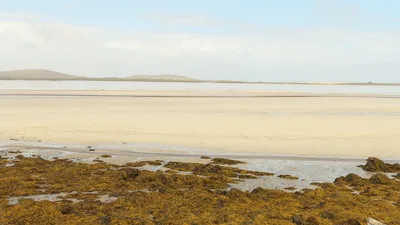
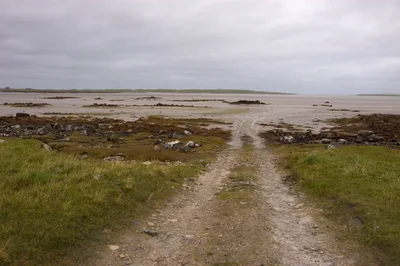
Traigh Bhalaigh stretches for nearly four kilometres of white sand on the island of Bhàlaigh in the Outer Hebrides. At low tide, a tidal flat opens a crossing to the uninhabited island beyond, where the shell of a ruined Edwardian mansion stands in eerie silence against the Atlantic sky. The water runs crystal clear over the sand, and on most days you'll have the entire beach to yourself. The vibe is wild and uncompromising: wind-scoured, elemental, and completely without facilities. Come prepared, or don't come at all.
How to get there
Traigh Bhalaigh is reached on foot from Sollas on North Uist — a roughly 30-minute hike, available daily. Informal, free parking is available near Sollas; from there you walk to the tidal crossing. There is no entry fee, but the crossing to Bhàlaigh island is only safe within two hours either side of low water — check tide tables before you leave the car.
Who it's for
For couples
For couples who want genuine solitude, Traigh Bhalaigh delivers — the tidal crossing and the ghostly ruin of Vallay House make for an adventure that's shared rather than spectated, on a beach that's almost always empty.
For families
Families with older, responsible children may enjoy the adventure of the tidal crossing, but the dangerous swimming conditions and the strict two-hour tide window mean this is not a beach for young children or casual family outings — plan carefully and keep dogs under control near nesting birds.
Our take
Traigh Bhalaigh is not a beach you visit casually. The tidal crossing to Bhàlaigh island is the whole point — and it demands real preparation: tide tables checked, someone informed of your plans, no mobile signal once you're across, and a hard deadline to return. Do not enter the water; swimming is dangerous. Do not enter Vallay House; the structure is unsafe. Get those non-negotiables clear, and what's left is one of the most extraordinary coastal experiences in Scotland — nearly four kilometres of white sand, crystal-clear water, an uninhabited island, and a crumbling Edwardian mansion with a brooding, atmospheric presence. Visit between June and September for the safest crossing windows and the longest daylight. Avoid November through March entirely — winter storms make the crossing genuinely dangerous and daylight is too short to cross safely.
What to do
The crossing to Vallay island and the haunting ruin of Vallay House are the centrepiece of any visit — allow time to explore the vast tidal flat and the exterior of the mansion from a safe distance. Back on North Uist, the St Kilda Viewpoint is around 7.5 km away and on a clear day offers a remarkable outlook. Pobull Fhinn is about 11.8 km from the beach, and Bay's Loch Seal Viewing Point is roughly 12.9 km away. For birdlife, Balranald RSPB Reserve is about 15 km distant and is renowned for corncrakes and wading birds on the machair.
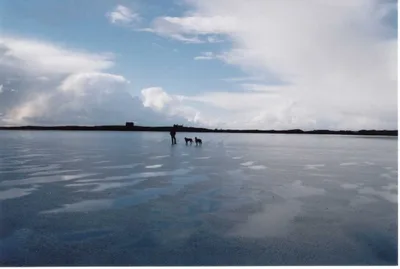
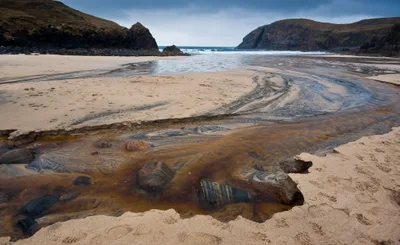
The tidal flat crossing at low water — white sand, shallow mirror-like pools, and the skeletal outline of Vallay House in the background — is the shot that defines this beach.
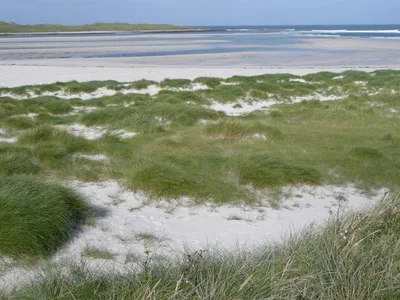
The vast empty sweep of Traigh Bhalaigh itself, photographed from the dune edge looking west towards the Atlantic, rewards wide-angle lenses and patience.
Where to eat
There are no food or drink facilities at or near the beach, so bring everything you need. The closest dining options are Hamersay House at around 13.3 km and Cabarach Restaurant at approximately 13.9 km. Plan your meals around your tide window, not the other way around.
Where to stay
The closest places to stay are The Rowan Tree B&B and Vallay Sands B&B, both within 1.8 km of the beach — ideal for an early-morning crossing at low tide. Struan House Sollas B&B is just 2.6 km away, and Uist Forest Retreat offers a different setting at around 4.4 km. If you prefer a hotel, Hamersay Hotel is about 13.3 km away.
Photography
The tidal flat at low tide — with the ruined Edwardian mansion reflected in shallow pools and the white sand stretching to the horizon — is the defining shot; arrive as the tide retreats for the best light and reflections. The best months for long golden-hour light are June through September, when the northern latitude gives you extended evenings and soft, directional light.
Good to know
Check tide tables rigorously before crossing — tidal channels fill rapidly and stranding on Vallay is a real risk, not a theoretical one. Do not attempt the crossing in poor visibility or strong winds, and always inform someone of your plans before you set out. There is no mobile signal on Vallay, so you cannot call for help once you're across. The ruined Vallay House is structurally unsafe — do not enter the building under any circumstances. Swimming at Traigh Bhalaigh is dangerous; do not enter the water.
GAMES
🕹️ Five minutes of sand?
Three daily games — including the UV simulator set to this beach.
Map
Nearby places
Hamersay House
Cabarach Restaurant
The Rowan Tree B&B
Vallay Sands B&B
Struan House Sollas B & B
Uist Forest Retreat
Hamersay Hotel
Things to see around North Uist
Vallay House ruin
Ruined Edwardian mansion on uninhabited Vallay island, accessible via tidal causeway.
Balranald RSPB Reserve
RSPB reserve on North Uist famous for corncrakes and wading birds on machair.
Lochmaddy
Main village of North Uist with ferry terminal and Taigh Chearsabhagh arts centre.
GIFT IDEA · MARCEL ET LES BLONDES
🎁 Give a moment, not a thing

What’s the occasion?
 💑 Dating anniversaryTwo dates, two starry skies
 💍 Wedding anniversaryCotton, silver, golden…
 🎂 BirthdayTheir own newspaper front page
 👶 New babyThe stars on the day they were bornValentine’s DayOur two moons, as a print
Shipping €5, free from €49 · made to order, shipped within 48 hAlso: our engraved wooden bracelets, €23.90 →
Frequently asked
The information on this page is provided for guidance only and may evolve. Access conditions, safety and infrastructure can change without notice. Always check official sources before traveling.
Nearest beaches
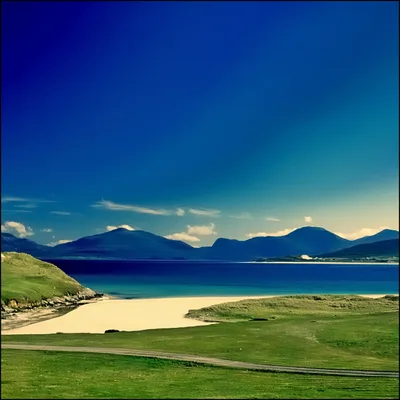
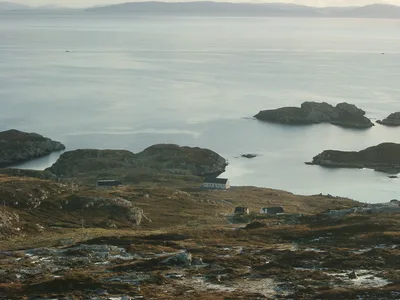
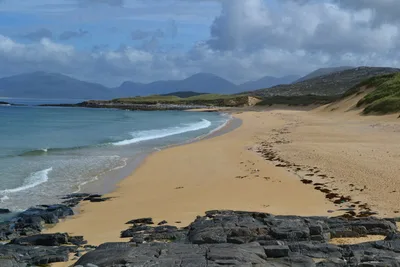
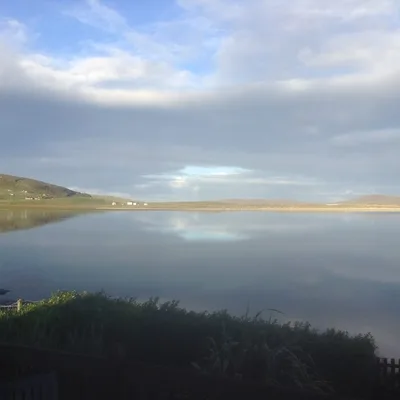
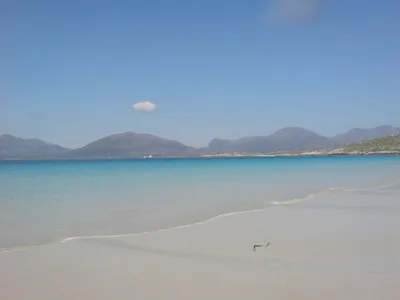
Other wild beaches in United Kingdom
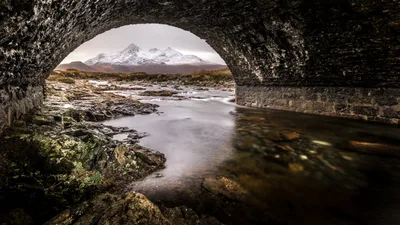
More beaches in Scottish Islands
Reviews of this beach
- No reviews yet, what a shame — leave yours and share your experience.
Photo credits
Sources and licenses for the photos shown above.
- Photo 1 — Scot Tares · source · CC BY-SA 2.0
- Photo 2 — Hector Davie · source · CC BY-SA 2.0
- Photo 3 — AlastairG · source · CC BY-SA 2.0
- Photo 4 — itmpa · source · CC BY-SA 2.0
- Photo 5 — Tom Richardson · source · CC BY-SA 2.0