Swakopmund BeachNamibia Beach Guide
Fog, history, and grey sand on Namibia's cold Atlantic coast
About
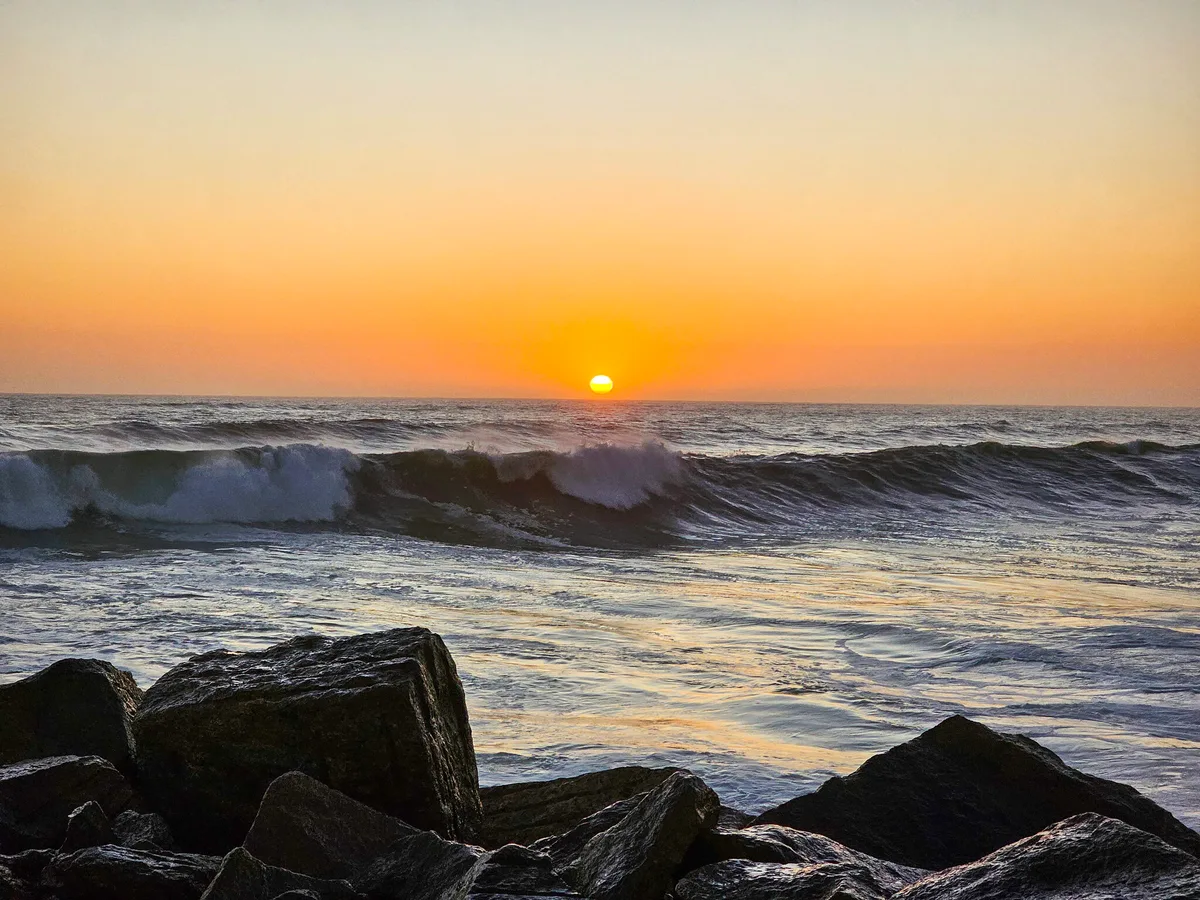
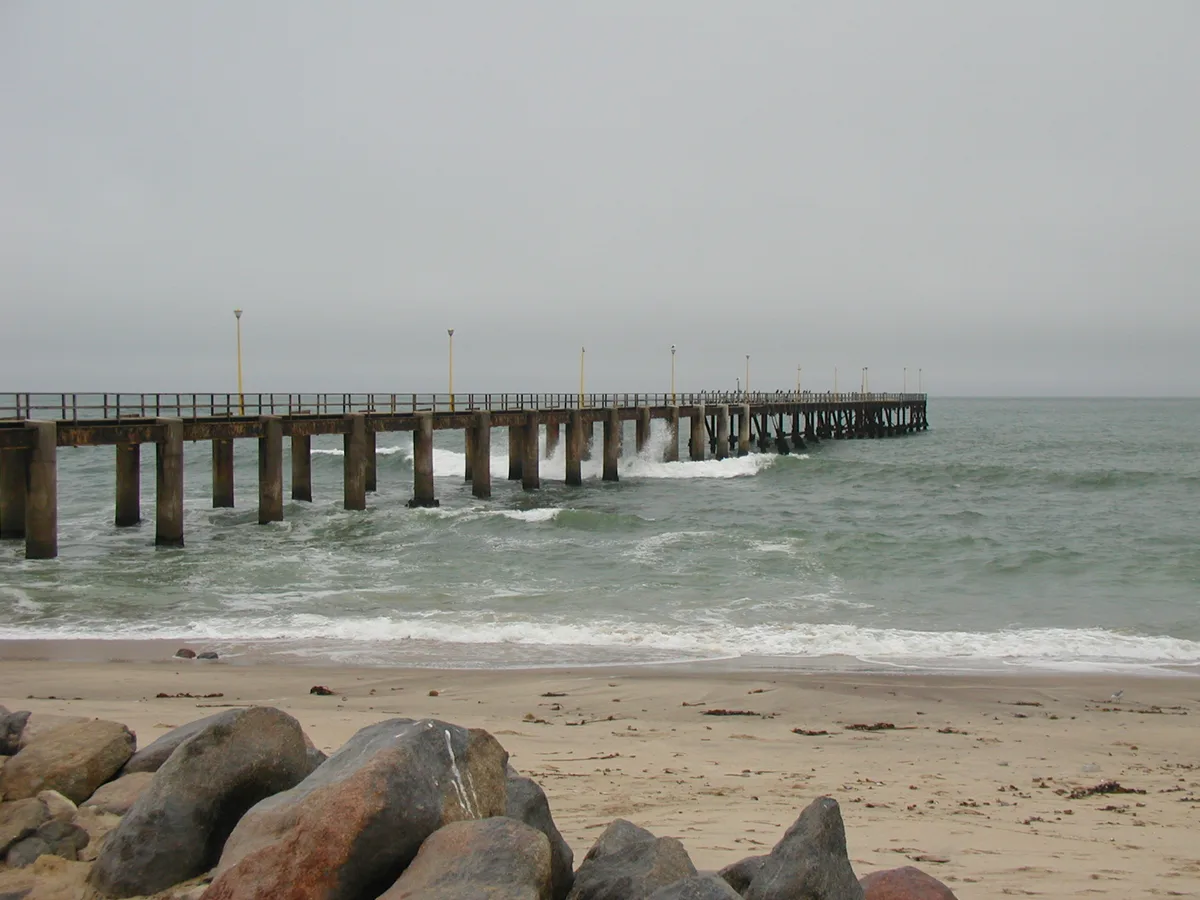
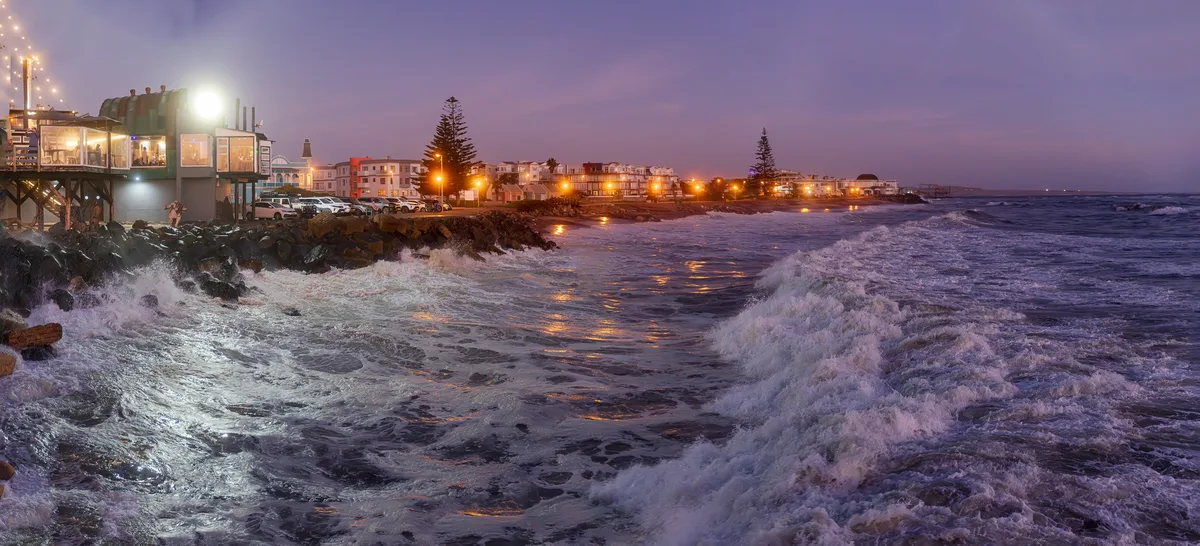
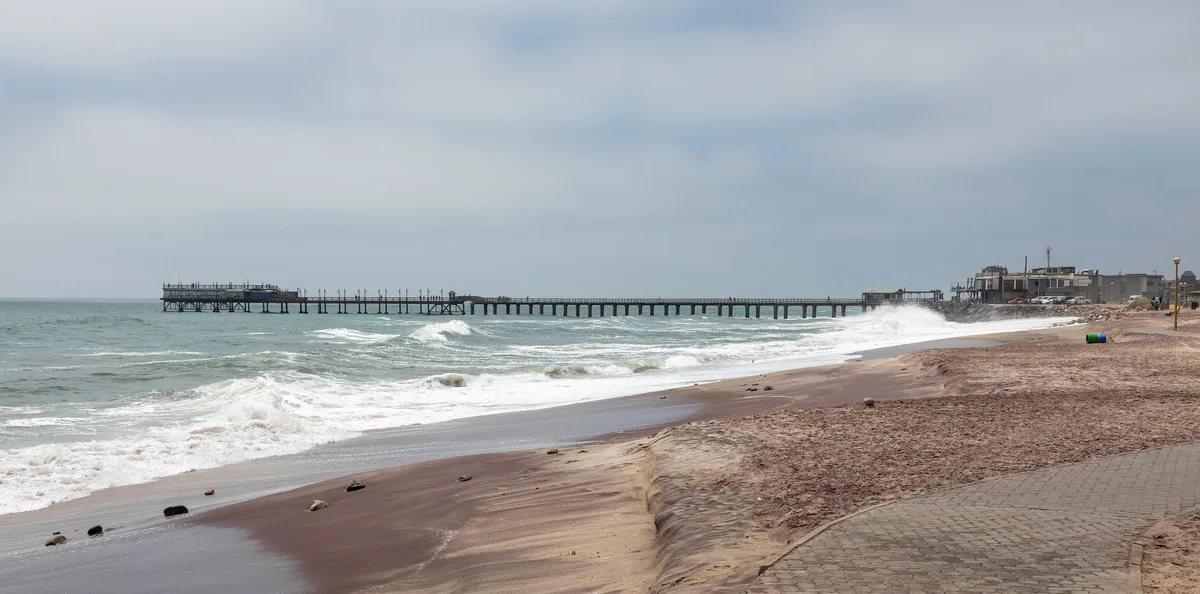
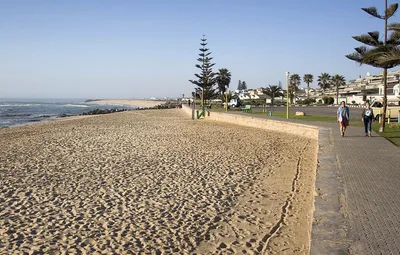
Strand von Swakopmund stretches roughly 689 metres along the Erongo Region coast, its grey sand meeting the deep blue of the Benguela Current-chilled Atlantic. The backdrop is unlike almost any other beach on the continent — Wilhelminian architecture lines the promenade, a historic lighthouse stands sentinel, and a German colonial pier reaches out over the cold water. Year-round sea fog rolls in from the ocean, softening the light and giving the whole scene a moody, cinematic quality. It's an urban beach with a relaxed pace, where walkers, anglers, and photographers outnumber swimmers — for very good reason.
How to get there
The beach sits right at the edge of Swakopmund town centre, roughly a five-minute drive from anywhere in the city. A paved promenade runs the full length of the beachfront, making it easy to reach on foot or by car. Parking is a mix of free street parking along Strand Street and the beachfront road, plus paid municipal parking lots nearby.
Who it's for
For couples
The relaxed promenade, moody fog atmosphere, and striking colonial architecture make this a compelling walk for couples who appreciate history and unusual scenery over sun-and-swim beach days. Dinner at Lighthouse Restaurant or Ambrosia, both within 0.2 km, rounds out the evening naturally.
For families
Families with older children who enjoy history and walking will find the Swakopmund Museum and the Jetty walk genuinely engaging, but parents should be firm: the water is off-limits due to rip currents and extreme cold, and that rule applies to everyone regardless of age or swimming ability.
Our take
Let's be direct: you do not come to Strand von Swakopmund to swim. The water is dangerously cold, rip currents are a constant presence, and no-swim advisories are posted regularly — take them seriously. What you do come for is one of the most architecturally distinctive beach settings in Africa, where a German colonial pier, a historic lighthouse, and Wilhelminian facades create a backdrop that has no equivalent on this continent. The grey sand and deep blue Atlantic under drifting sea fog produce a visual mood that photographers will find endlessly compelling. Skip the May-to-August window unless you enjoy cold wind and near-zero visibility, and aim for the remaining months for more comfortable conditions. Walk the promenade, visit the Jetty, eat well within easy reach, and treat this as the urban, atmospheric, history-soaked coastal walk it genuinely is.
What to do
The Jetty and the Mole, both around 0.4 km from the beach, are the obvious first stops — the pier walk over the cold Atlantic is one of Swakopmund's most iconic experiences. The Swakopmund Museum, about 0.5 km away, covers Namibian natural history and German settlement history and is well worth an hour of your time. If you're willing to venture further, Welwitschia Plains lies around 30 km out, and Dune 7 near Walvis Bay is roughly 33 km away.
The German colonial pier extending over the deep blue Atlantic is the single most photogenic structure on the beach — shoot from the shore at low angle to capture its full length against the water.
The historic lighthouse framed by Wilhelminian architecture, particularly when sea fog drifts across the scene, delivers a moody, distinctly Namibian composition that stands apart from any conventional beach shot. The grey sand foreground with the blue ocean and colonial skyline behind is the establishing wide shot this beach was made for.
Where to eat
Within 0.3 km of the beach you have a solid cluster of options: Butcher & Brewer for meat-focused plates, Lighthouse Restaurant for a meal with a view matching its name, and Ambrosia for Mediterranean flavours — all within 0.2 km. Farm Kitchen and De Kelder are both a short 0.3 km walk if you want to explore a little further.
Where to stay
Artemis Hotel Swakopmund and Gondwana The Pearls Beach Pods are both just 0.2 km from the beach, putting you as close to the waterfront as it gets. Hotel Schweizerhaus and Swakopmund Luxury Suites are a comfortable 0.3 km away, while the classic Hansa Hotel sits about 0.5 km from the shore.
Photography
The golden hour before the fog thickens is prime time — position yourself to frame the German colonial pier against the deep blue Atlantic for a shot that captures both the architecture and the ocean in one frame. The historic lighthouse against the Wilhelminian building backdrop, especially when low sea fog drifts in from May through September, produces a distinctly atmospheric image unlike anything you'll find on a tropical beach.
Good to know
Do not enter the water. Swimming is strictly prohibited by advisories posted frequently on-site due to powerful rip currents and water temperatures that rarely exceed 16°C year-round — these are not conditions for any swimmer. Fishing is permitted in designated zones along the beach, so check the marked areas before casting. Avoid visiting May through August if you want any comfort: dense sea fog and the strongest cold winds make conditions genuinely unpleasant during those months. Dogs are generally welcome but keep them under control near other visitors.
Map
Nearby places
Butcher & Brewer
Lighthouse Restaurant
Ambrosia
Farm Kitchen
De Kelder
Artemis Hotel Swakopmund
Gondwana The Pearls Beach Pods
Hotel Schweizerhaus
Swakopmund Luxury Suites
Hansa Hotel
Things to see around Swakopmund
Swakopmund Museum
Colonial-era museum covering Namibian natural history and German settlement history.
Welwitschia Plains
Dune 7 (Walvis Bay)
One of the highest sand dunes in the Namib, popular for sandboarding.
GIFT
🎁 Gift this beach
Its exact coastline, your date, your words — on a print, a mug, or a PDF you print yourself.
Swakopmund Beach
THAT DAY
Swakopmund Beach, Erongo Region
© OpenStreetMap contributors
Clean & decorative, or “That day” with the real sky of your date.
Shipping included 3-6 business days
A question before you order? Contact us
Delivered within minutes on the confirmation page and by email: a ZIP with all 4 print sizes (30×40 cm, 12×16″, 50×70 cm, 18×24″), each as a high-resolution PDF and PNG (300 dpi), plus a screen version. Print at home or at any print shop.
Please complete the delivery address.
Please accept the Terms of Sale.
Almost there — the shop opens very soon.
Secure payment · Printed locally in 30+ countries · 7 languages
Frequently asked
The information on this page is provided for guidance only and may evolve. Access conditions, safety and infrastructure can change without notice. Always check official sources before traveling.
Other beaches in the region
Reviews of this beach
- No reviews yet, what a shame — leave yours and share your experience.
Photo credits
Sources and licenses for the photos shown above.
- Photo 1 — stefanserena · source · CC0 1.0
- Photo 2 — Sänger · source · CC BY-SA 4.0
- Photo 3 — Ninara · source · CC BY 2.0
- Photo 4 — string_bass_dave · source · CC BY-SA 2.0
- Photo 5 — License pending verification