De Panne BeachBelgium Beach Guide
Belgium's widest beach, wild winds, endless beige sand
 🎁 Gift idea: the star map of your most beautiful night↓
About
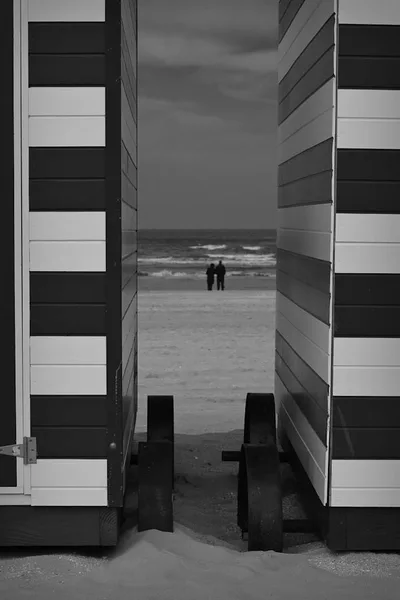
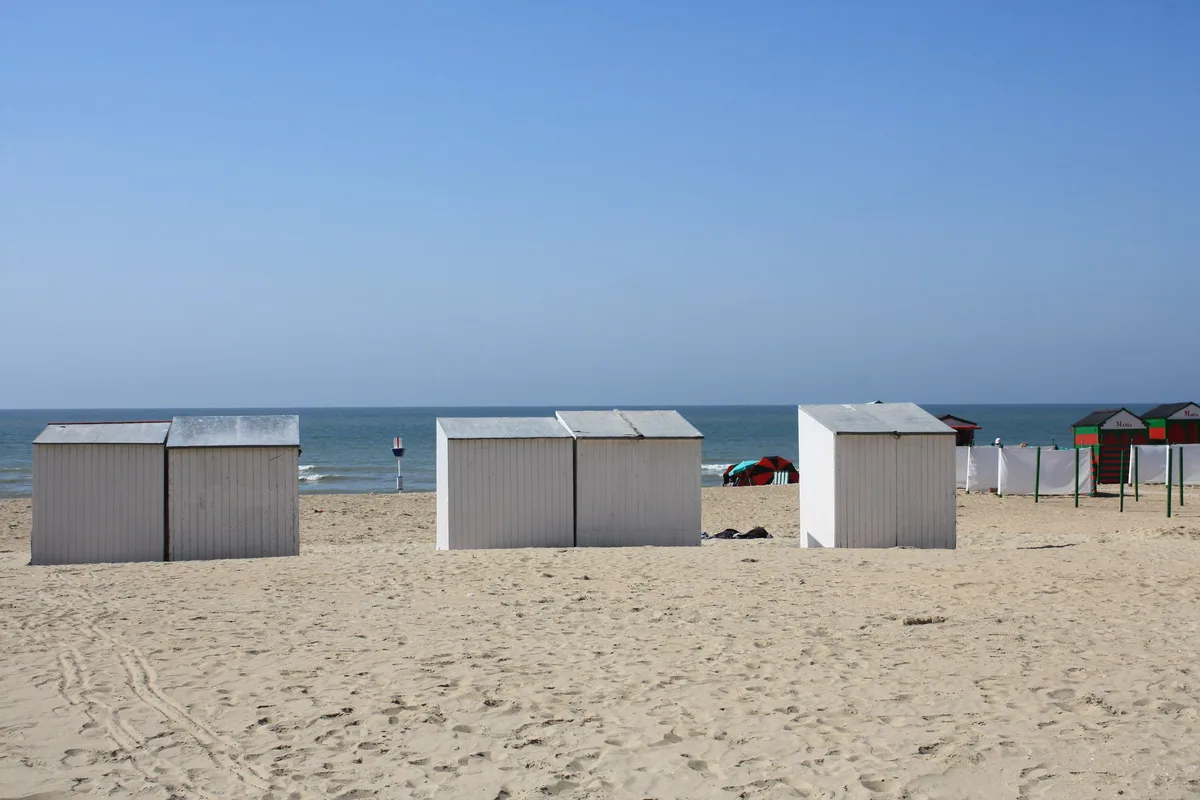
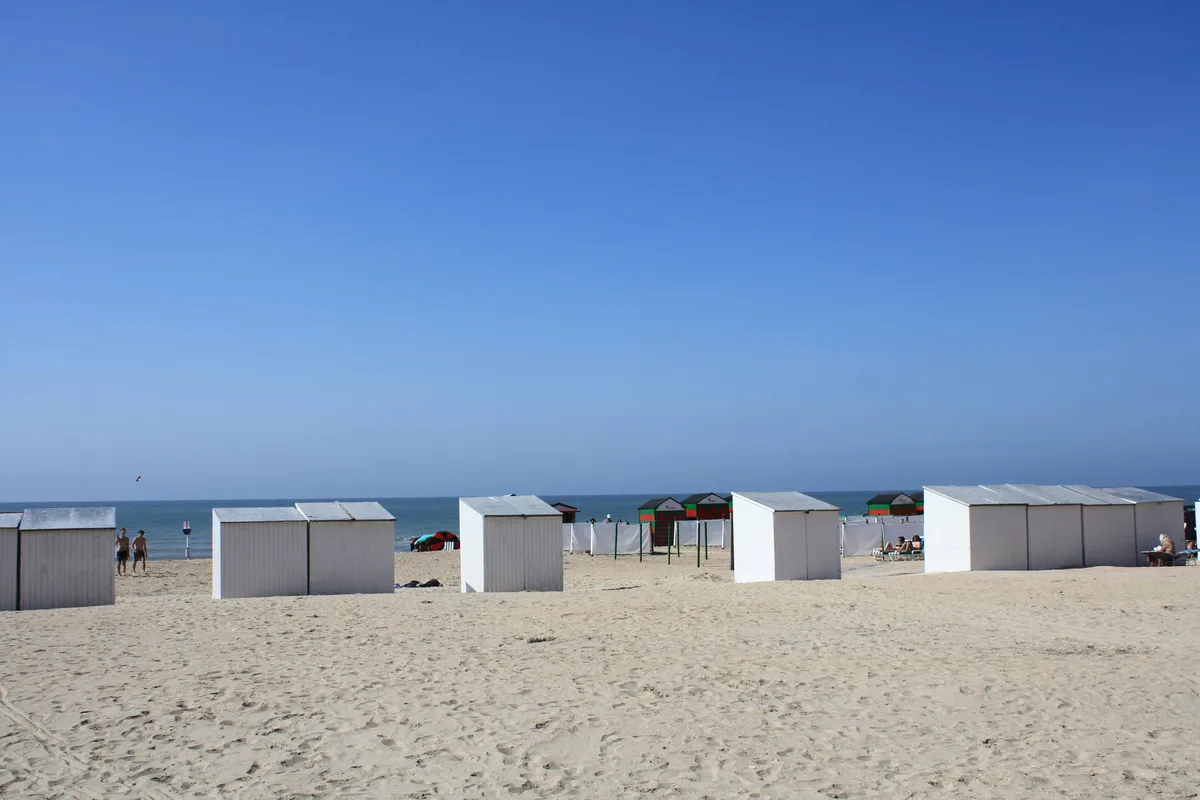
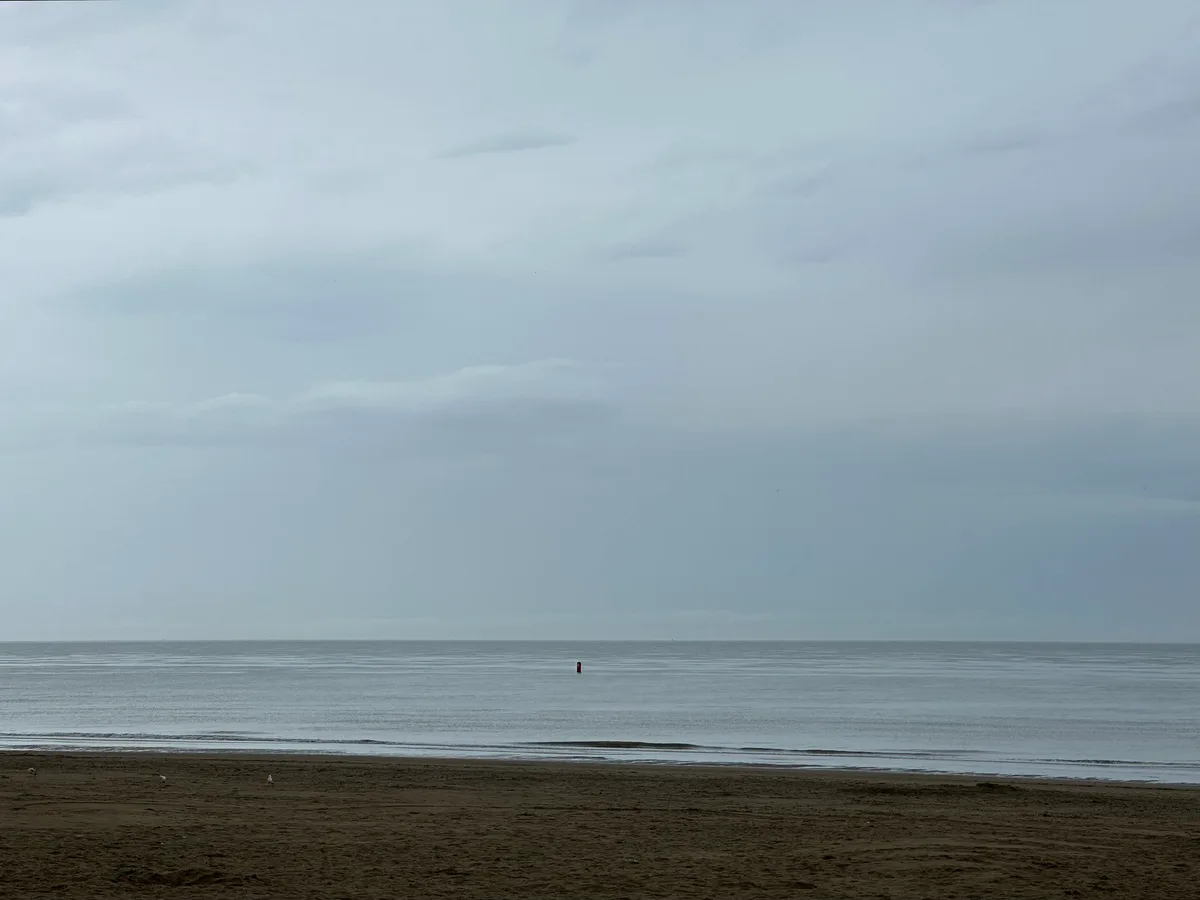
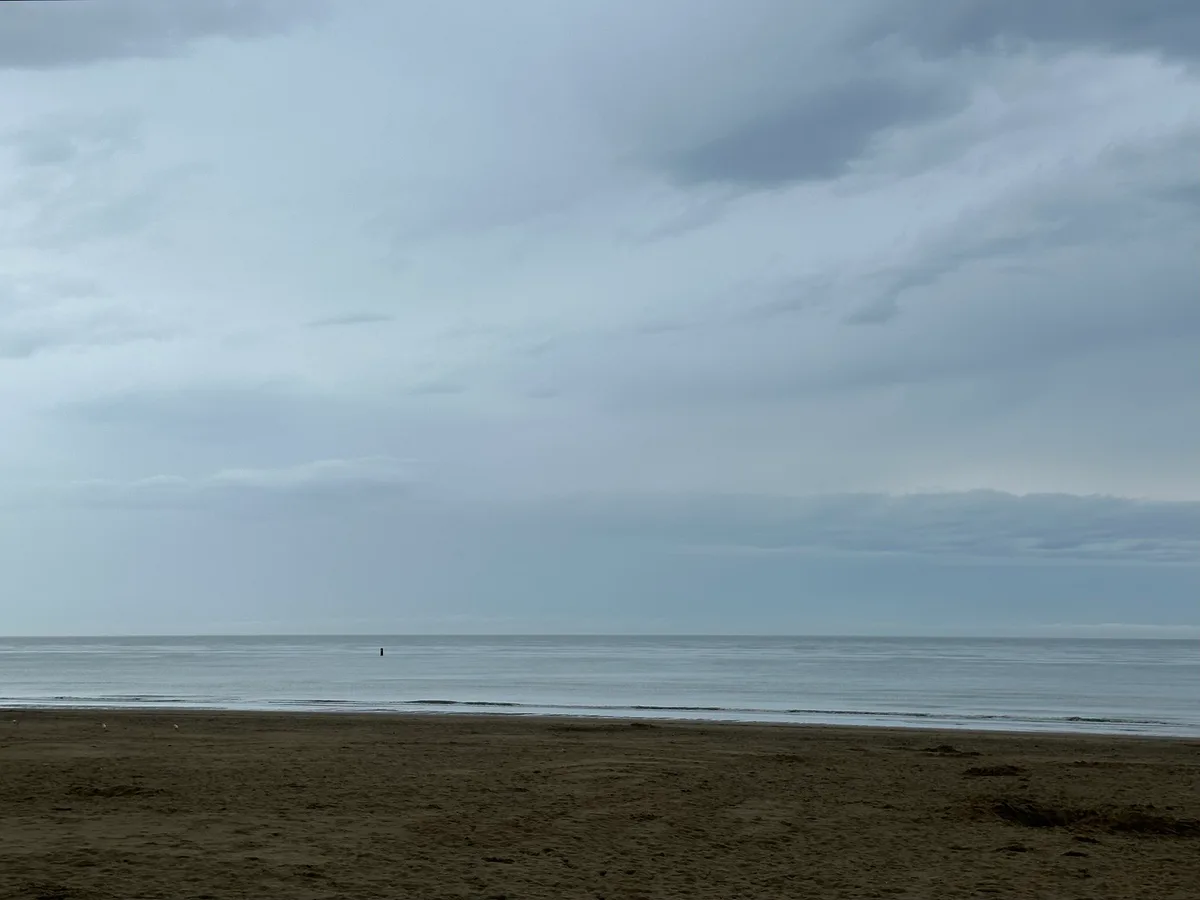
Strand De Panne stretches along the North Sea coast in the commune of De Panne, part of the Veurne district in Belgium. At low tide it earns its reputation as the widest beach on the Belgian coast — a vast, open expanse of beige sand meeting turquoise-blue water under a sky that rarely stays still. The Westhoek dune nature reserve rises behind the beach, a large parabolic dune massif that gives the whole setting a raw, untamed edge. Wind is the constant companion here: it sculpts the dunes, powers the kite surfers, and sends land yachts racing across the tidal flat in a blur of colour. The French border sits just minutes away, and on clear days the horizon feels genuinely boundless.
How to get there
The easiest approach from Veurne is by train — the journey takes around 4 minutes and trains run hourly, making it the most reliable option. Drivers from Veurne reach the seafront in about 15 minutes; from Dunkirk in France it's roughly 14 minutes by car. Paid parking is available in multiple car parks near the seafront, but spaces fill quickly on sunny summer days so arriving early is strongly advised.
Who it's for
For couples
A long walk along nearly 1,800 m of open beige sand at low tide, with the Westhoek dunes as a windbreak and the turquoise-blue North Sea ahead, is quietly spectacular — just dress for the wind.
For families
The wide tidal flat gives children enormous room to run, fly kites, and explore, and Plopsaland Belgium is only 2.7 km away for when the wind gets too much — note that dogs are not permitted on the main beach in summer.
Our take
De Panne is not a beach you come to for a lazy sunbathe — the wind will see to that. What it offers instead is scale, wildness, and a genuine sense of the North Sea doing exactly what it wants. The land-yacht zone is a real hazard and must be treated as one: stay behind the markings, keep children close, and be aware that currents near the French border are not to be underestimated. Get that right and you have one of the most exhilarating stretches of coast in Belgium — nearly 1,800 m of beige sand, turquoise-blue water, and a dune nature reserve that feels a world away from the beach bars. Come between June and September for the best weather, arrive early if you're driving, and bring a windproof jacket every single time.
What to do
The Westhoek Nature Reserve, about 1 km from the beach, is one of the largest dune massifs on the Belgian coast and well worth a walk — stick to the marked paths as access is restricted in places. Families with children will find Plopsaland Belgium about 2.7 km away, while the Provinciaal bezoekerscentrum Duinpanne, roughly 1.6 km out, offers a good introduction to the dune ecosystem. For a cultural detour, the exceptionally well-preserved Spanish Renaissance market square in Veurne is about 14 km inland, and the In Flanders Fields Museum in Ypres — a major WWI museum documenting the Western Front — is around 35 km away.
The land-yacht zone at low tide is unmistakable — frame a yacht against the vast beige sand flat and turquoise-blue water for a shot that looks like nowhere else in Belgium.
The crest of the Westhoek dune massif gives a sweeping elevated view over the reserve and the coast that rewards anyone willing to walk the 1 km from the beach.
Where to eat
Panne Plage is right on the doorstep, just 0.1 km from the beach, making it the obvious stop for a post-swim bite. C-Hotels Continental, about 0.3 km away, also has dining options if you want something more sheltered from the wind.
Where to stay
C-Hotels Continental sits 0.3 km from the beach and is the closest full-service option. The ibis De Panne is about 0.9 km away for a reliable mid-range stay, and Camping Kindervreugde, roughly 3 km out, suits those who want to wake up close to the dunes.
Photography
Shoot the land yachts from the promenade at low tide when the beige sand flats stretch to the waterline and the turquoise-blue North Sea glitters behind them — morning light before the wind picks up gives the cleanest shots. The Westhoek dune massif at golden hour, with its sweeping parabolic ridges, makes a compelling backdrop that shows a completely different side of the coast.
Good to know
The land-yacht racing zone is clearly demarcated on the beach — pedestrians must stay well clear at all times, as the area is genuinely hazardous for anyone on foot or in the water. Strong westerly winds blow year-round and the air stays cold even in peak summer, so pack a windproof layer regardless of the forecast. Currents can be strong near the French border, so take extra care if you swim toward that end of the beach. Dogs are prohibited on the main beach during the summer season, and the Westhoek dune reserve has restricted access paths that must be respected.
GAMES
🕹️ Five minutes of sand?
Three daily games — including the UV simulator set to this beach.
Map
Nearby places
Panne Plage
C-Hotels Continental
Provinciaal bezoekerscentrum Duinpanne
Nature Reserve of Westhoek
Plopsaland Belgium
Westhoek Nature Reserve
In Flanders Fields Museum
Veurne Market Square
Things to see around De Panne
Westhoek Nature Reserve
Large parabolic dune massif and nature reserve, one of the largest on the Belgian coast.
In Flanders Fields Museum
Major WWI museum in Ypres documenting the Western Front experience.
Veurne Market Square
Exceptionally well-preserved Spanish Renaissance market square in a small Flemish town.
GIFT IDEA · MARCEL ET LES BLONDES
🎁 Give a moment, not a thing

What’s the occasion?
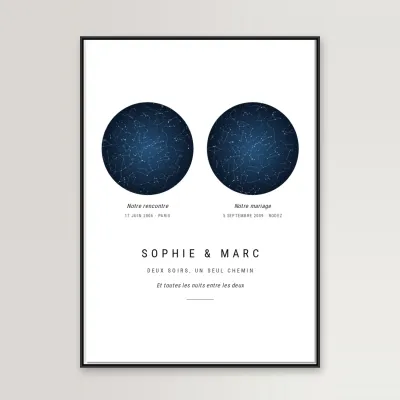 💑 Dating anniversaryTwo dates, two starry skies
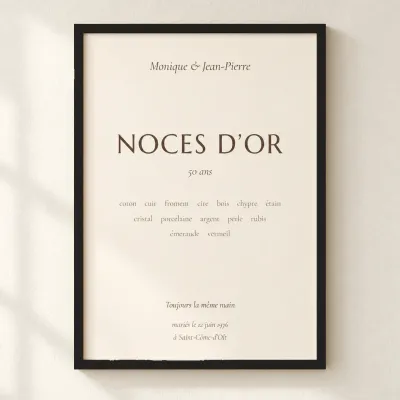 💍 Wedding anniversaryCotton, silver, golden…
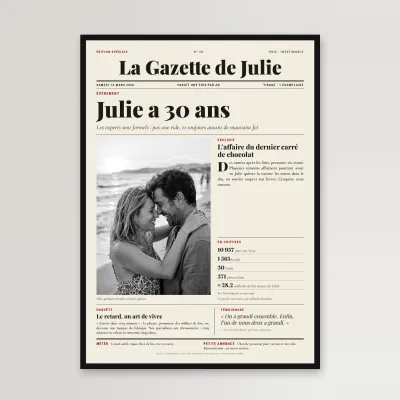 🎂 BirthdayTheir own newspaper front page
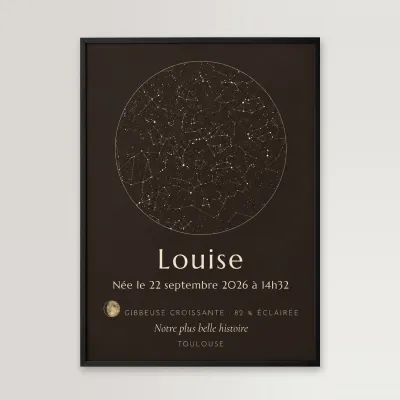 👶 New babyThe stars on the day they were bornValentine’s DayOur two moons, as a print
Shipping €5, free from €49 · made to order, shipped within 48 hAlso: our engraved wooden bracelets, €23.90 →
Frequently asked
The information on this page is provided for guidance only and may evolve. Access conditions, safety and infrastructure can change without notice. Always check official sources before traveling.
Nearest beaches
Reviews of this beach
- No reviews yet, what a shame — leave yours and share your experience.
Photo credits
Sources and licenses for the photos shown above.
- Photo 1 — Lieven Lema · source · CC BY-SA 3.0
- Photo 2 — srh.7807 · source · CC BY-ND 2.0
- Photo 3 — srh.7807 · source · CC BY-ND 2.0
- Photo 4 — sergei.gussev · source · CC BY 2.0
- Photo 5 — sergei.gussev · source · CC BY 2.0
- Photo 6 — François Musin · source · Public Domain