Shark Harbor BeachUnited States Beach Guide
Remote Catalina cove where horn sharks patrol the shallows
About
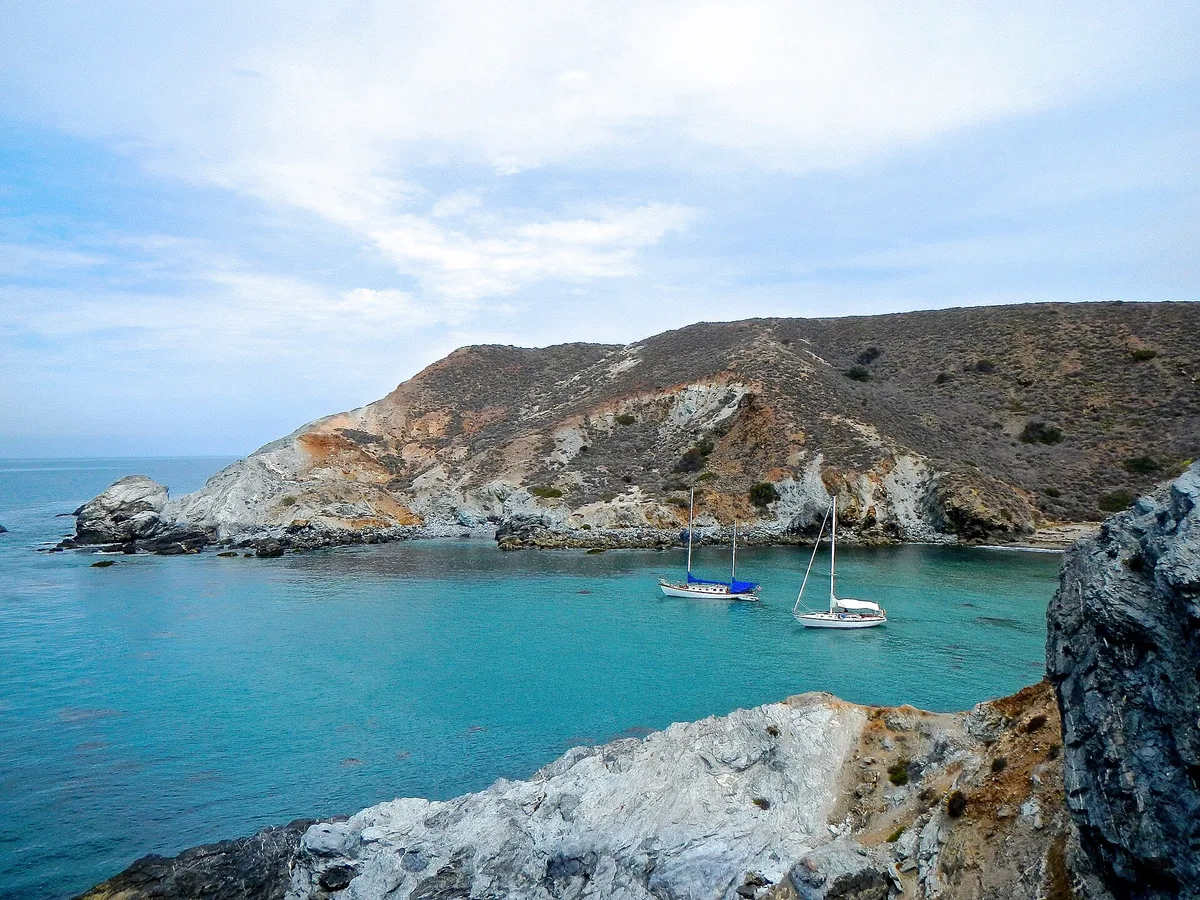
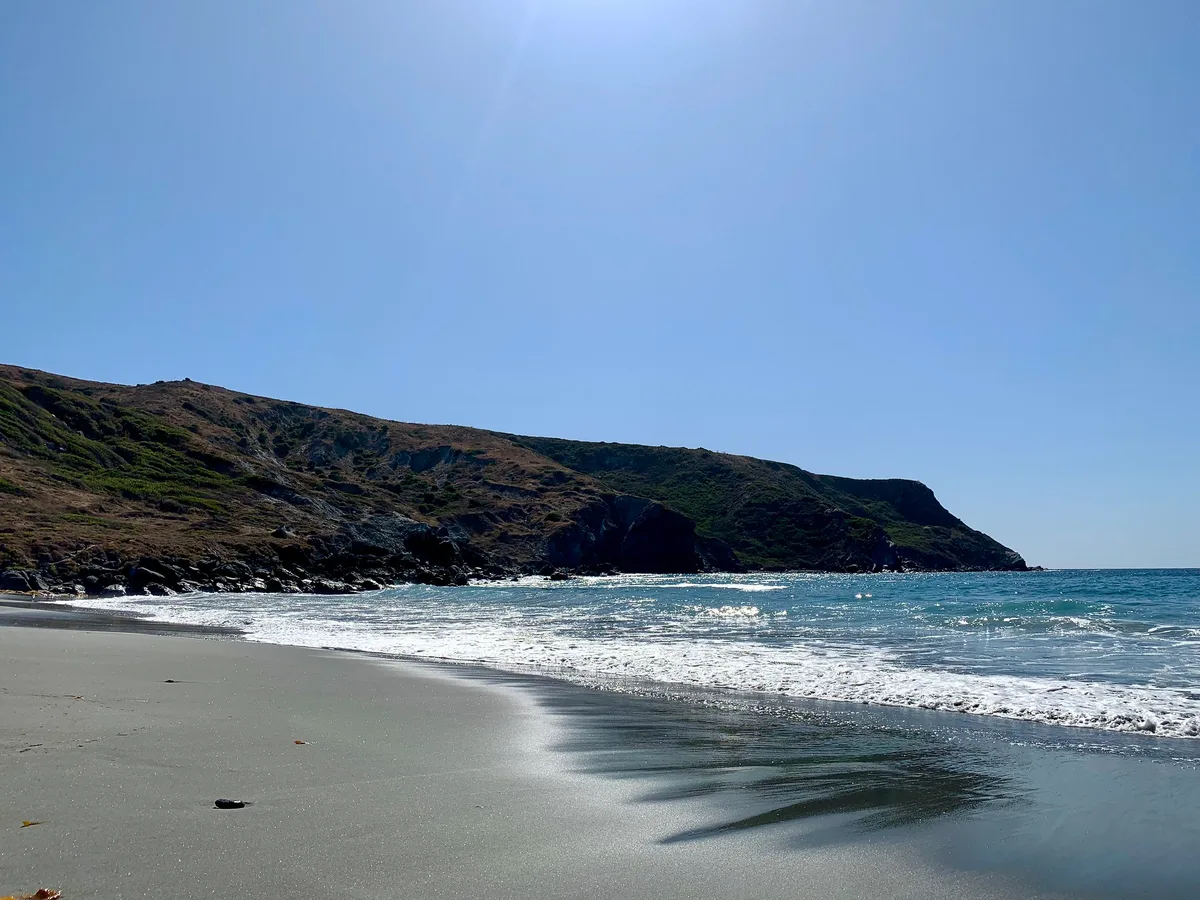
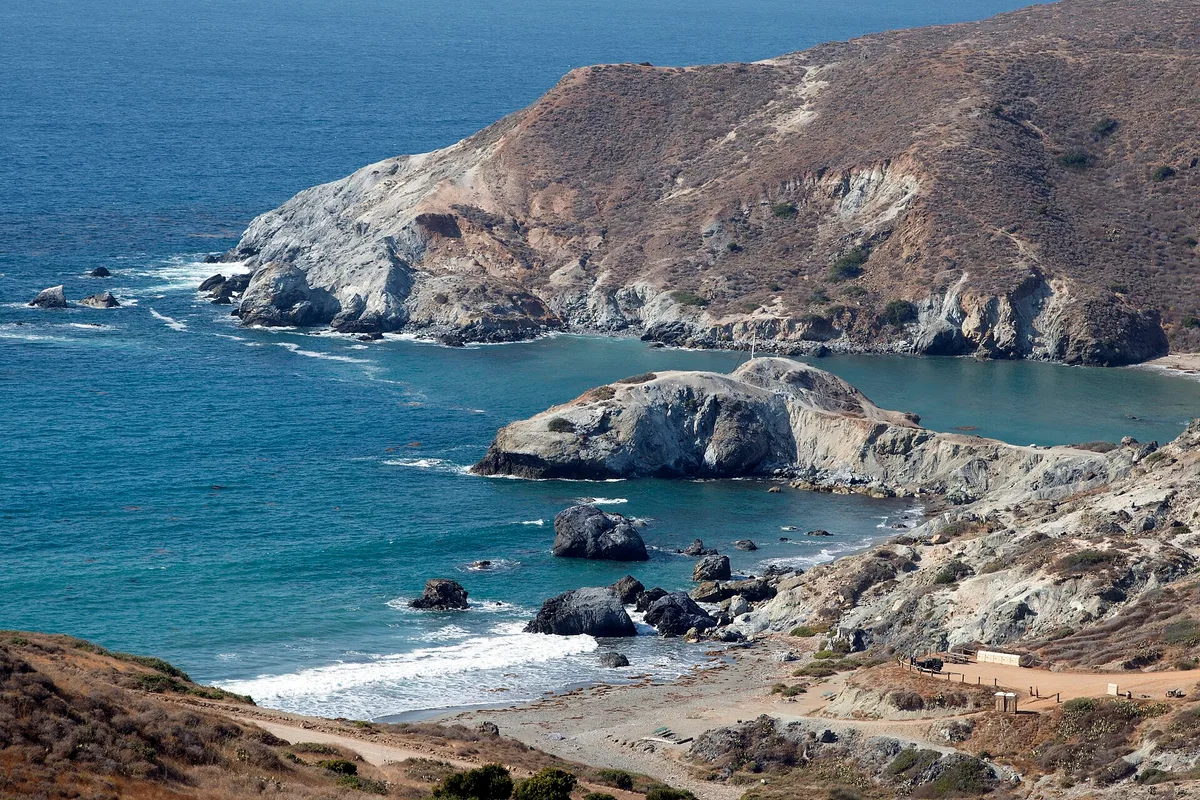
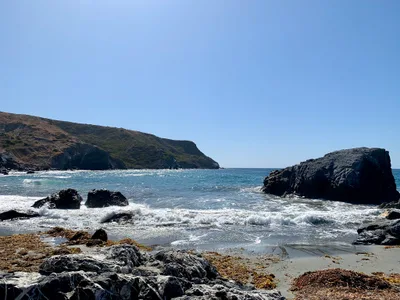
Shark Harbor sits on the wild south-facing shore of Catalina Island, a compact mixed-sand cove roughly 120 metres wide where crystal-clear water meets a rocky shelf that divides two separate coves. At low tide the reef opens up into exposed tide pools teeming with intertidal life, and horn sharks cruise the shallows in plain sight. There are zero facilities here — no toilets, no shade structures, no lifeguard — and the terrain is raw and unmanicured. The south-facing exposure means long light and open ocean swell, which is part of the appeal and part of the danger.
How to get there
Shark Harbor has no road access whatsoever — you reach it one of three ways. The quickest overland option is a 10-minute hike from Little Harbor campground, walkable daily. Alternatively, catch a bus from Two Harbors or Avalon, also running daily, then hike in from Little Harbor. If you're coming directly from the Southern California mainland by private or charter boat, budget around 120 minutes on the water. There is no parking of any kind; leave the car behind before you board.
Who it's for
For couples
A stripped-back, genuinely empty cove with horn sharks visible in the shallows and tide pools to explore together — it rewards couples who want solitude and natural spectacle over comfort.
For families
The rocky terrain, dangerous water, complete lack of facilities, and difficult access make this a poor choice for young children or anyone with limited mobility; Little Harbor Beach 0.5 km north is the far safer family option.
Our take
Be clear-eyed about what Shark Harbor is: a wild, remote, facility-free cove where the water is dangerous and the terrain is unforgiving. Rips and undertow are real hazards — do not swim here. What it offers instead is extraordinary: horn sharks in the shallows, exposed tide pools at low tide, crystal-clear water, and a genuine sense of isolation that is almost impossible to find on the California coast. The 10-minute hike from Little Harbor campground is the easiest approach, but even that requires planning — no food, no water, no signal, no lifeguard. Avoid December through February when winter swells make the rocky cove hazardous and the trail from Little Harbor difficult. Come between June and September, time your arrival for low tide, wear water shoes, and leave every rock and creature exactly where you found it.
What to do
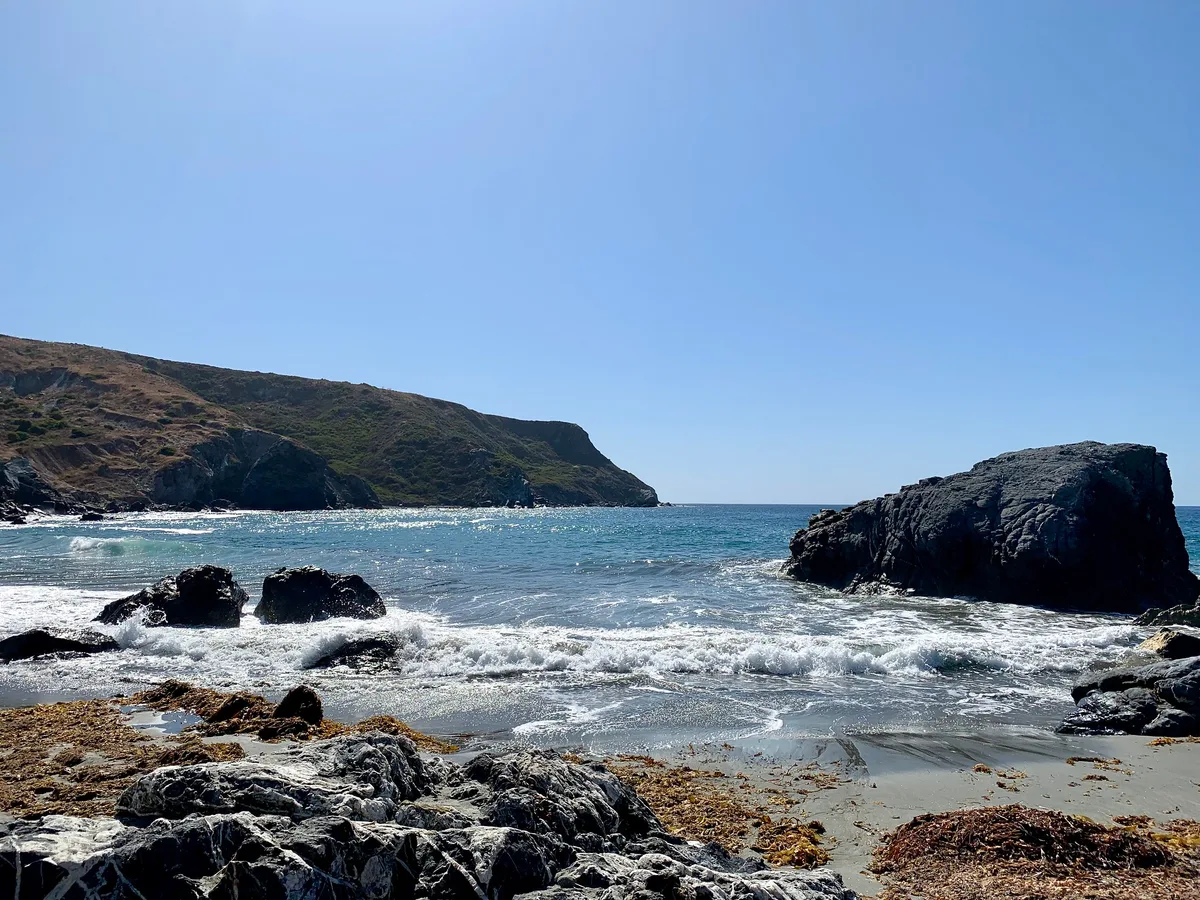
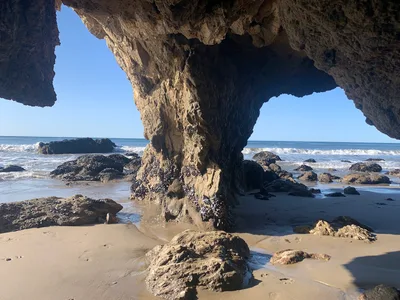
The tide pools exposed at low tide are the headline act — time your visit around the tidal chart and you'll find a living gallery of intertidal species along the rock shelf. Snorkeling in the crystal-clear water (outside the dangerous swim zone, close to the rocks) puts you eye-level with horn sharks and reef fish. The Trans-Catalina Trail passes through Little Harbor just 0.5 km away, so keen hikers can tag this cove as part of the 38.5-mile island-crossing route. Little Harbor Beach, immediately north, offers a more sheltered alternative with better sand if you need a calmer base.
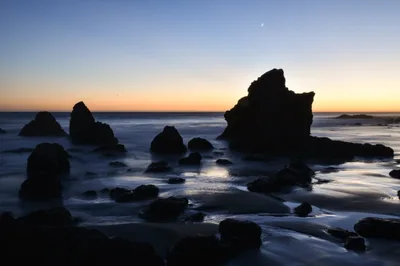
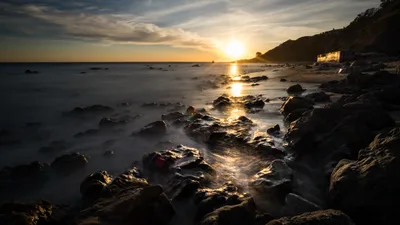
The exposed tide pools at low tide, with the rock shelf cutting across the frame and crystal-clear water beyond, are the most photogenic feature on the beach.
Position above the dividing rock shelf at golden hour to capture both coves simultaneously with the open Pacific as backdrop.
Where to eat
There are no food vendors, cafés, or restaurants at Shark Harbor — none. Pack everything you need before you leave Little Harbor campground, and carry out all waste.
Where to stay
Little Harbor Campground, rated 4.7 out of 5 across 139 reviews, sits just 0.5 km from the cove and is the only lodging option within reach. It's a campground-only setup, so come prepared with your own gear.
Photography
Shoot at low tide when the exposed rock shelf and tide pools create strong foreground texture against the crystal-clear water — morning light from the east catches the cove well before midday. The rock shelf dividing the two coves makes a natural compositional frame; position yourself on the higher ground above the shelf for a wide shot that shows both coves in a single frame.
Good to know
Do not enter the water for swimming — rips and undertow make this cove genuinely dangerous, and there is no lifeguard on site. Rocky entry is the norm, so wear water shoes from the moment you step off the trail. Horn sharks are harmless residents of the shallows, but do not handle or disturb them. California law and Catalina Island Conservancy regulations prohibit collecting any marine life or rocks; pack out every piece of trash you carry in. True digital-detox territory — cell signal fades and there is nowhere to plug anything in, so bring offline entertainment.
GAMES
🕹️ Five minutes of sand?
Three daily games — including the UV simulator set to this beach.
Map
Nearby places
Little Harbor Campground
Whales Tail
Things to see around Los Angeles
Little Harbor Beach
Sheltered campground cove immediately north with better sand and snorkeling off the eastern arm.
Trans-Catalina Trail
38.5-mile island-crossing trail passing through Little Harbor.
Ben Weston Beach
Wide south-facing sand beach in a valley bowl, the widest on the island.
GIFT
🎁 Gift this beach
Its exact coastline, your date, your words — on a print or a PDF you print yourself.
Shark Harbor Beach
THAT DAY
Shark Harbor Beach, California Islands
© OpenStreetMap contributors
Clean & decorative, or “That day” with the real sky of your date.
Shipping included 3-6 business days
A question before you order? Contact us
Delivered within minutes on the confirmation page and by email: a ZIP with all 4 print sizes (30×40 cm, 12×16″, 50×70 cm, 18×24″), each as a high-resolution PDF and PNG (300 dpi), plus a screen version. Print at home or at any print shop.
Please complete the delivery address.
Please accept the Terms of Sale.
Almost there — the shop opens very soon.
Secure payment · Printed locally in 30+ countries · 7 languages
Frequently asked
The information on this page is provided for guidance only and may evolve. Access conditions, safety and infrastructure can change without notice. Always check official sources before traveling.
Nearest beaches


Other wild beaches in United States
Reviews of this beach
- No reviews yet, what a shame — leave yours and share your experience.