Saunton SandsUnited Kingdom Beach Guide
Six kilometres of golden sand, zero buildings, pure Atlantic wild
About
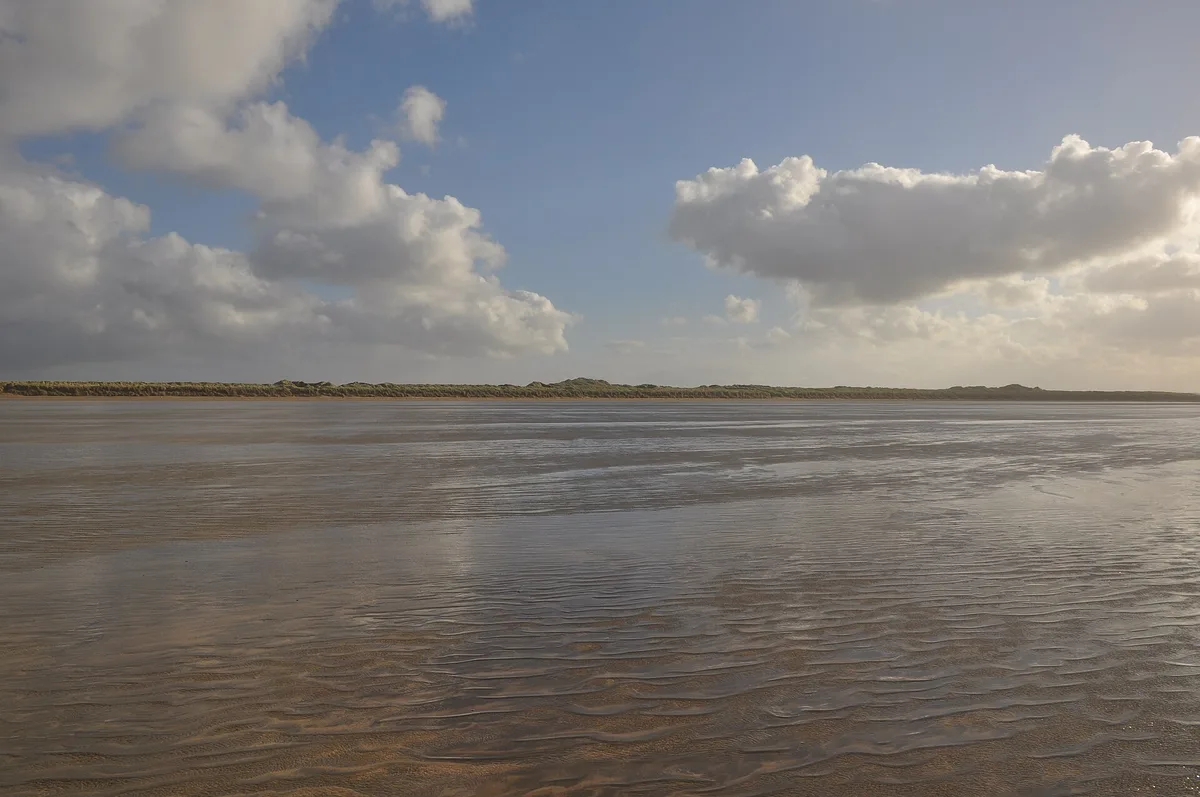
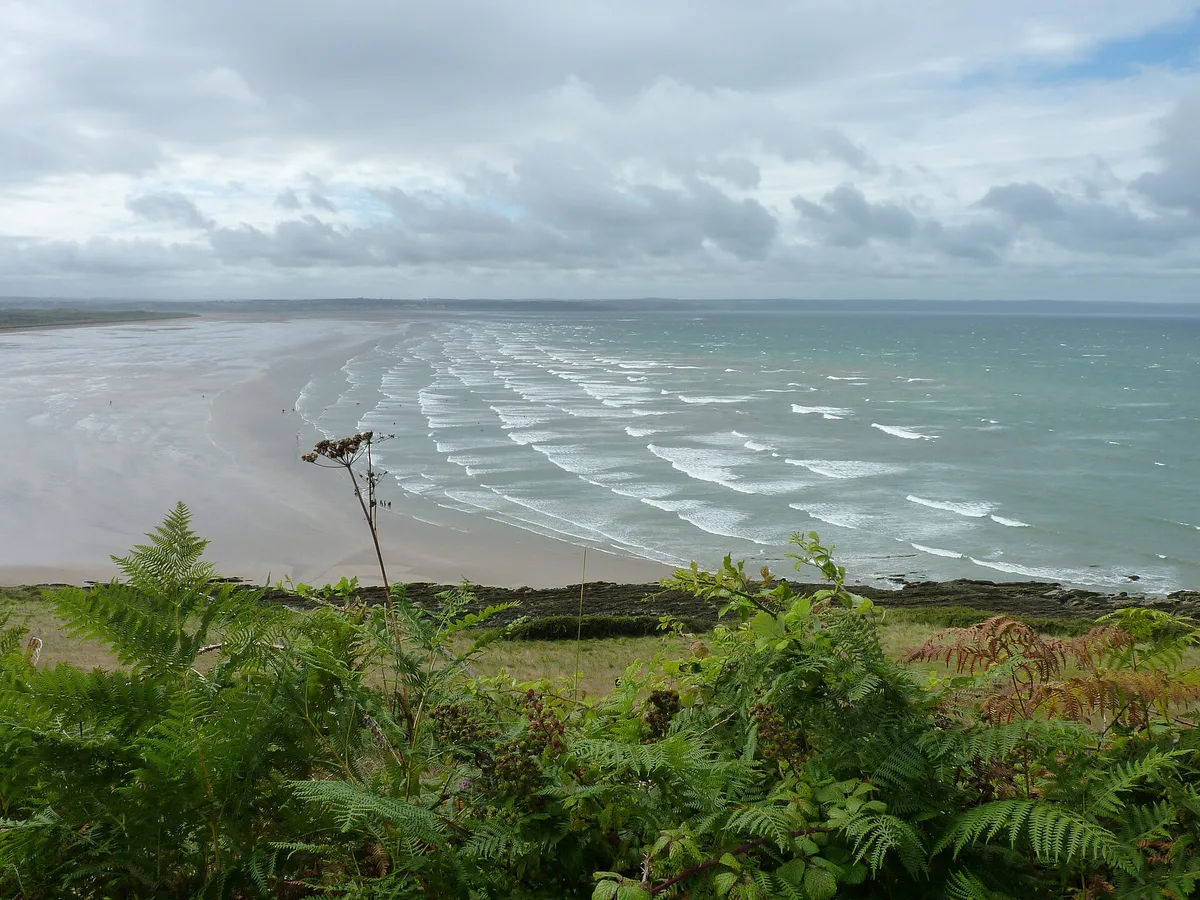
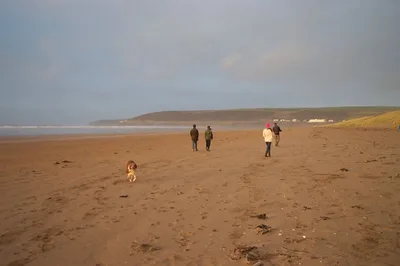
Saunton Sands stretches roughly 4.8 to 5.6 kilometres along the North Devon coast, a near-unbroken ribbon of golden sand backed not by beach huts or cafés but by England's largest dune system. The blue Atlantic rolls in with long, even lines that have made this one of the country's most respected longboard breaks. Behind the beach, Braunton Burrows — a UNESCO Biosphere Reserve — rises in pale dunes threaded with rare flora, giving the whole scene a cinematic, almost untouched flatness. At the southern end, the Taw-Torridge estuary adds a quieter, estuarine edge to the landscape. There are no buildings on the beach face itself, which is exactly why photographers and walkers keep coming back.
How to get there
From Barnstaple it's a 20-minute drive; from Braunton village, about 15 minutes. A single-track approach road feeds the large paid car park at the north end — budget around £8 per day. Be warned: that single road causes severe tailbacks in August, so arrive before 9am or after 5pm to avoid sitting in traffic for the better part of your morning. A National Trust ferry crossing takes just 6 minutes and offers an alternative way in.
Who it's for
For couples
The absence of buildings on the beach face and the wild, open Atlantic setting make Saunton a genuinely rare place for a long walk with no commercial noise — follow the dune paths into Braunton Burrows and you can feel entirely alone even on a moderate-traffic day.
For families
The flat, golden sand and easy beach access work well for families with younger children, and the WWII Matilda tank remains at 1.7km give older kids something concrete to hunt for. Stick to flagged swimming zones when lifeguards are present, and note that the single access road in August demands an early start.
Our take
Saunton Sands is one of England's genuinely wild beaches, and that wildness comes with real responsibility. Rip currents are present — do not treat the water casually, and only swim between the flags when lifeguards are on duty. That said, if you respect the conditions, what you get in return is extraordinary: 6.4 kilometres of golden sand with no buildings on the beach face, backed by a UNESCO-protected dune system that most visitors barely explore. Come in June, July, or August for the best weather, but arrive early or the single access road will test your patience before you've even seen the sea. Longboarders have known about this place for years, and the flat cinematic perspective draws photographers for good reason. Skip it in winter — Atlantic storms make it genuinely inhospitable. Time it right, follow the marked paths, and Saunton delivers something increasingly rare on the English coast: space, scale, and silence.
What to do
The dunes themselves are the main event: Braunton Burrows, just 0.5km from the beach, is England's largest sand dune system and part of the North Devon UNESCO Biosphere Reserve, with rare flora and fauna worth exploring on the marked trails. History buffs can seek out the remains of a Matilda tank from World War II at 1.7km, and a Hawker Hunter jet at 3.1km — both are unusual finds in a coastal landscape. Five kilometres away, Croyde Beach offers a classic sheltered bay popular with shortboarders and bodyboarders if you want to compare Devon's surf spots. The historic market town of Barnstaple, 14km inland, has a Victorian pannier market worth an afternoon.
The north end at low tide delivers the signature shot: unbroken golden sand running to the horizon with no buildings, best in early morning when the light is flat and soft.
The dune crests of Braunton Burrows at 0.5km offer a high vantage looking south along the full length of the beach. The Taw-Torridge estuary at the southern end adds a different, quieter frame — still water against open sand — particularly photogenic in the hour before sunset.
Where to eat
For fish and chips, Squires is the local favourite at 4.8km — a Devon staple after a long beach walk. Meraki Pizza Co is at the same distance if you want something different, and Woolacombe Bay Pizza is 9km away for a post-surf evening option. There are no food outlets on the beach face itself, so bring supplies if you're planning a full day.
Where to stay
The Woolacombe Bay Hotel at 9km is the area's most established option, with direct access to the North Devon coast. Closer in, The Pines (8.2km) and Saunton Sands Hotel (8.5km) offer smaller, more local stays. The Rocks and Parade House, both around 9km, round out a solid range of choices without needing to go far.
Photography
The beach's cinematic flat perspective is best captured at low tide from the north end, where the golden sand stretches uninterrupted to the horizon with no buildings in frame — early morning light before the daytrippers arrive is ideal. The dune ridges of Braunton Burrows at 6.5km provide elevated angles looking back across the beach toward the Taw-Torridge estuary at the south end, especially striking in late afternoon.
Good to know
Rip currents are present at Saunton Sands — do not enter the water outside of flagged zones, and only swim between the flags when lifeguards are on duty. The Braunton Burrows dune system is a protected UNESCO reserve: stay strictly on marked paths and keep off the dunes themselves — no vehicles are permitted on them under any circumstances. In August, the access road can back up badly; the before-9am or after-5pm rule is not a suggestion, it's the difference between a good day and a wasted one. Avoid visiting November through February — exposed Atlantic conditions, winter storms, and strong winds make the beach uncomfortable and the water genuinely dangerous.
GAMES
🕹️ Five minutes of sand?
Three daily games — including the UV simulator set to this beach.
Map
Nearby places
Squires
Meraki Pizza Co
Han Court
Woolacombe Bay Pizza
The Captain's Table
The Pines
Tantons Hotel
Woolacombe Bay Hotel
The Rocks
Parade House
Flagpole Dune (37m originally)
Remains of a Matilda tank from World War II
Hawker Hunter jet
Things to see around Braunton
Braunton Burrows
England's largest sand dune system, part of the North Devon UNESCO Biosphere Reserve with rare flora and fauna.
Croyde Beach
Classic surf beach in a sheltered bay, popular with shortboarders and bodyboarders.
Barnstaple
Historic market town on the Taw estuary with a Victorian pannier market and museums.
GIFT
🎁 Gift this beach
Its exact coastline, your date, your words — on a print or a PDF you print yourself.
Saunton Sands
THAT DAY
Saunton Sands, British Coast
© OpenStreetMap contributors
Clean & decorative, or “That day” with the real sky of your date.
Shipping included 3-6 business days
A question before you order? Contact us
Delivered within minutes on the confirmation page and by email: a ZIP with all 4 print sizes (30×40 cm, 12×16″, 50×70 cm, 18×24″), each as a high-resolution PDF and PNG (300 dpi), plus a screen version. Print at home or at any print shop.
Please complete the delivery address.
Please accept the Terms of Sale.
Almost there — the shop opens very soon.
Secure payment · Printed locally in 30+ countries · 7 languages
Frequently asked
The information on this page is provided for guidance only and may evolve. Access conditions, safety and infrastructure can change without notice. Always check official sources before traveling.
Nearest beaches
Other wild beaches in United Kingdom
More beaches in British Coast
Reviews of this beach
- No reviews yet, what a shame — leave yours and share your experience.
Photo credits
Sources and licenses for the photos shown above.
- Photo 1 — Lewis Clarke · source · CC BY-SA 2.0
- Photo 2 — Roger Cornfoot · source · CC BY-SA 2.0
- Photo 3 — Roger Cornfoot · source · CC BY-SA 2.0
- Photo 4 — Ruth Sharville · source · CC BY-SA 2.0
- Photo 5 — Fiona Avis · source · CC BY-SA 2.0