Barril BeachPortugal Beach Guide
Golden sands, turquoise water, and a train to remember
About
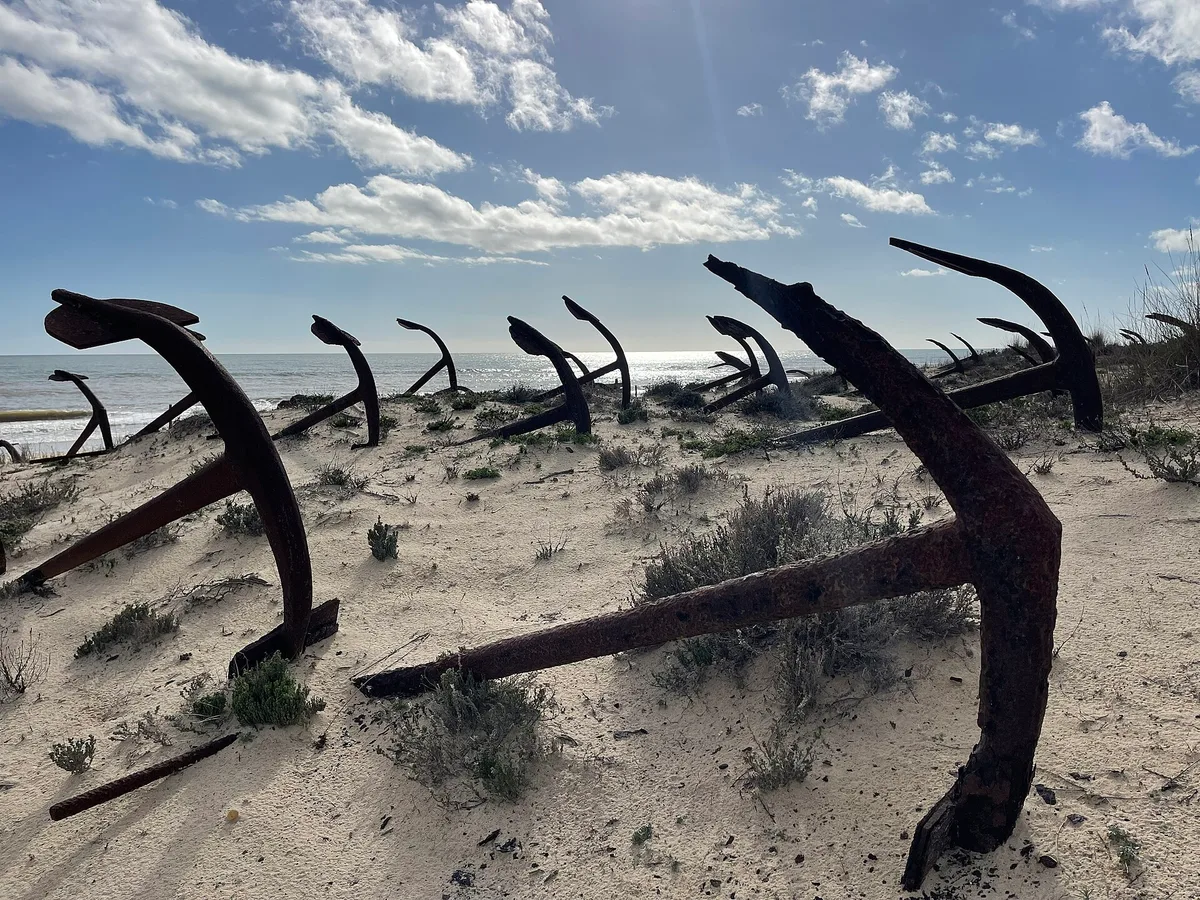
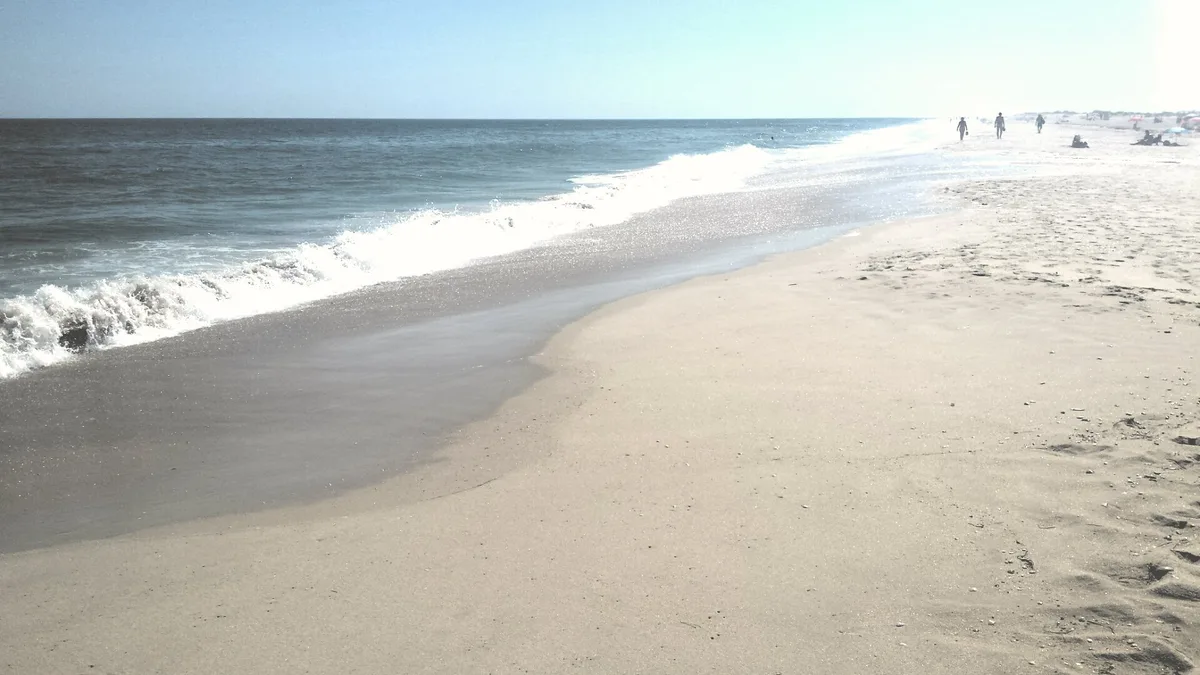
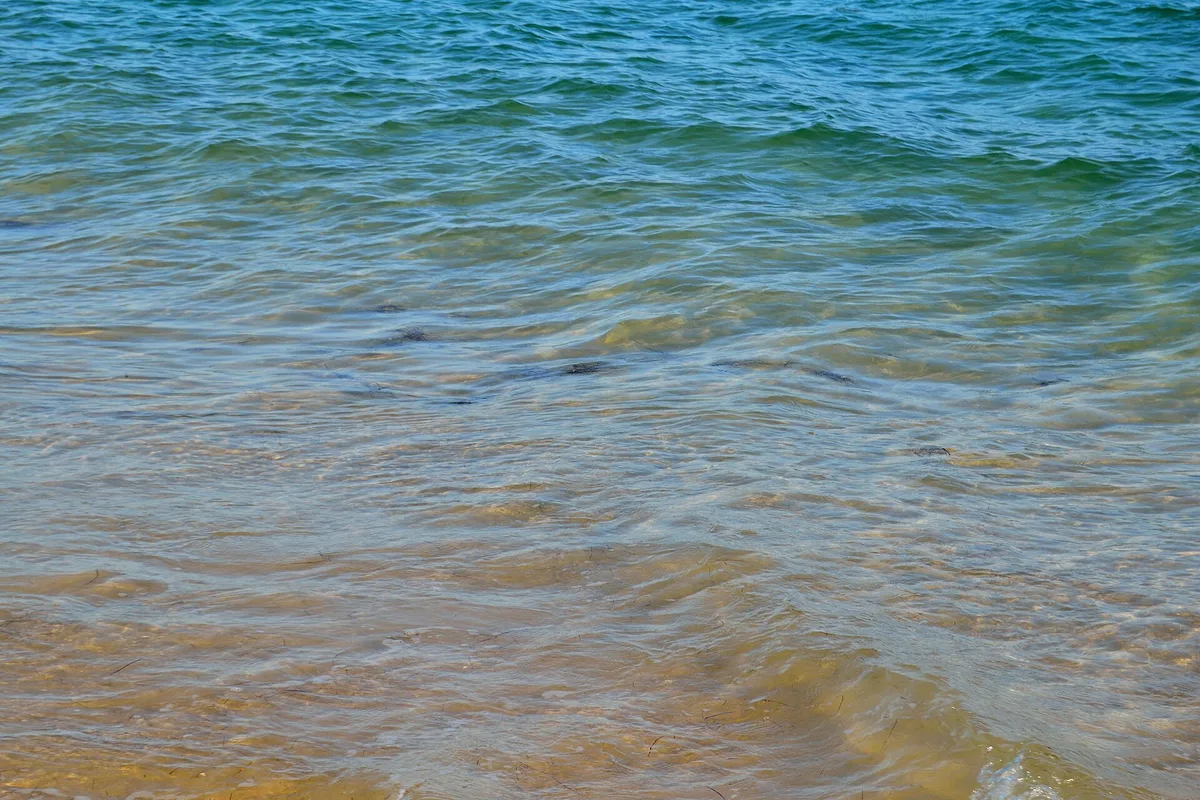
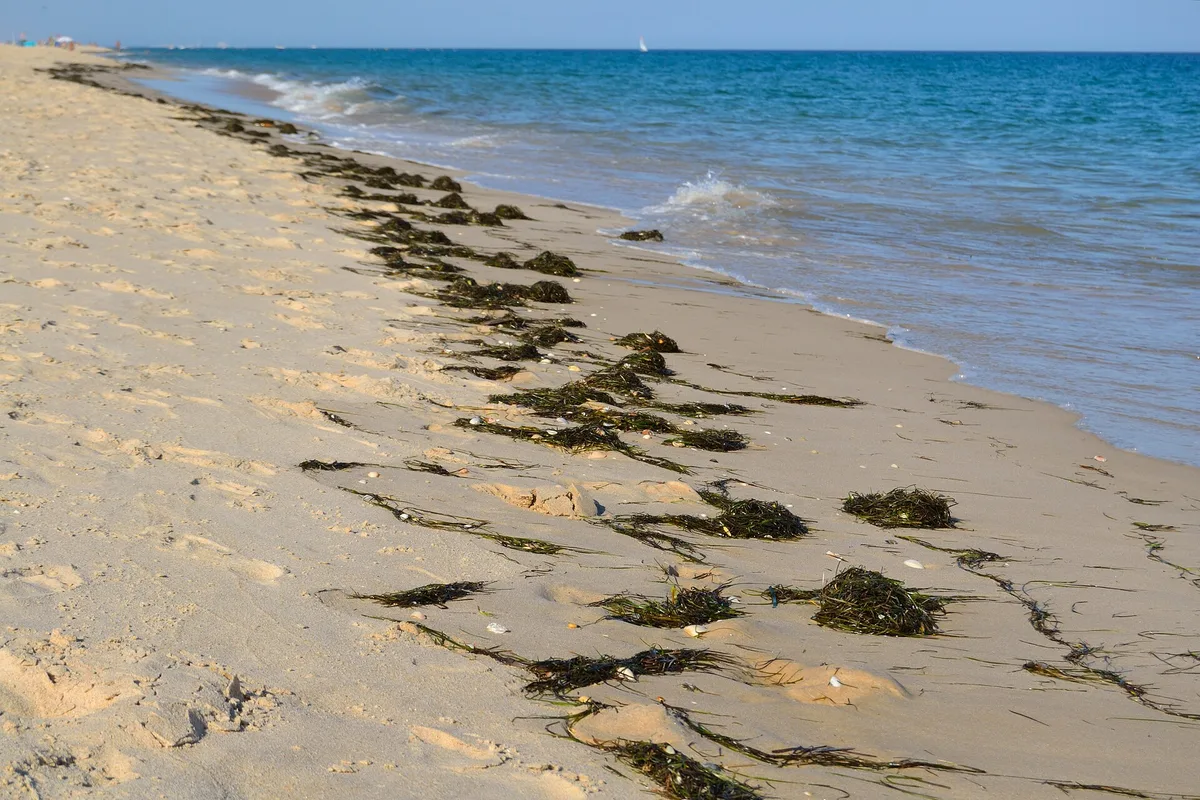
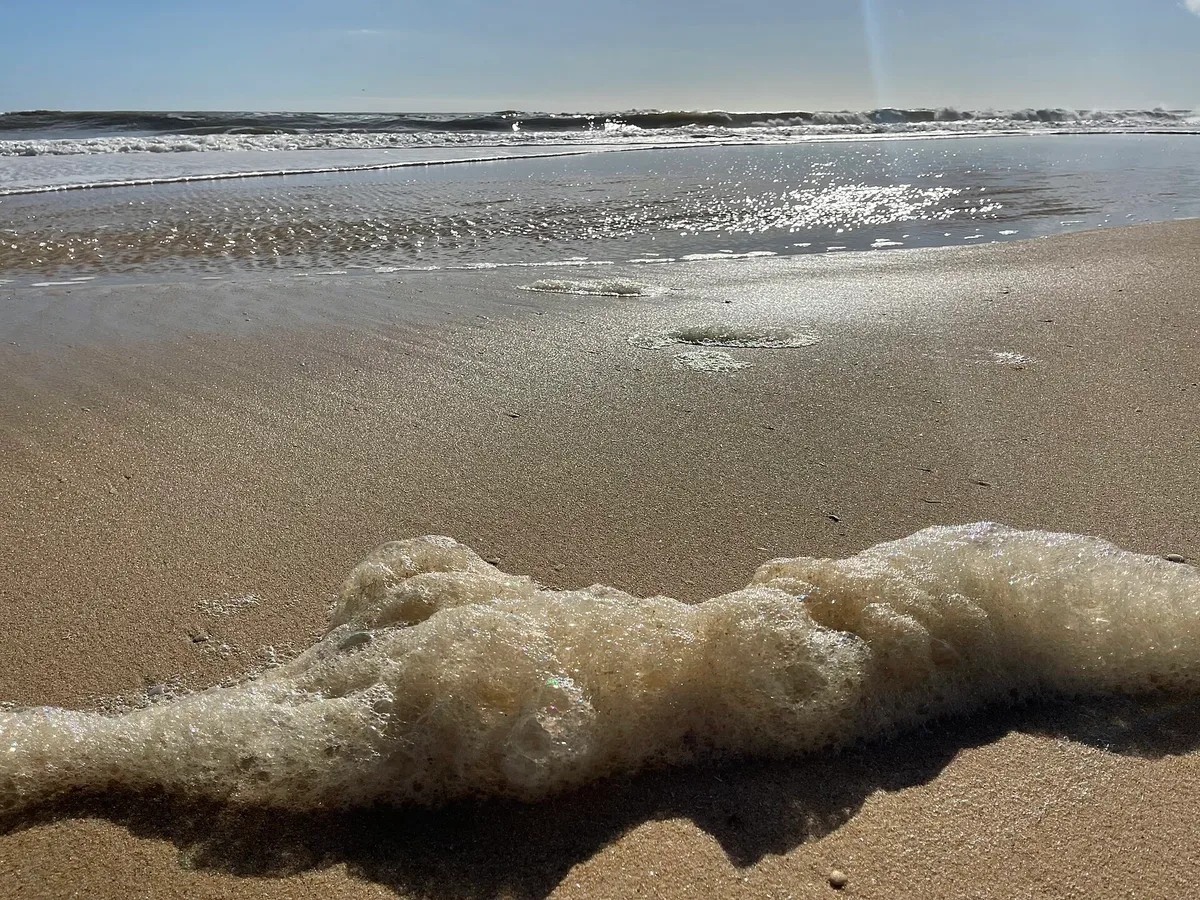
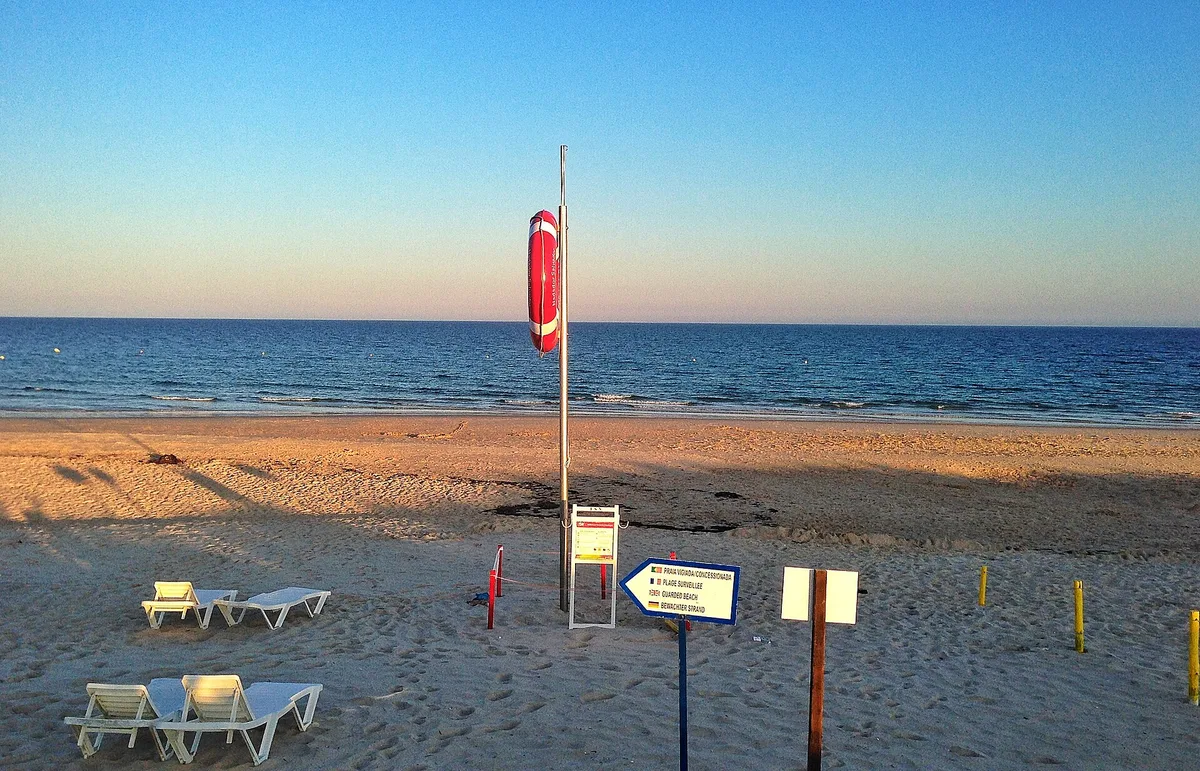
Praia do Barril sits on Ilha de Tavira, a barrier island within the Ria Formosa Natural Park, reached by a short journey across the lagoon from the Algarve mainland. The beach stretches along the Atlantic side of the island, where golden sand meets genuinely turquoise water in a setting that feels unhurried and easy. The relaxed vibe here is real — this isn't a resort strip, it's a proper beach with space to breathe. What sets Barril apart is its anchor cemetery: rows of rusted anchors planted in the sand, a quiet monument to the tuna-fishing industry that once defined this coast. The Ria Formosa lagoon system behind the island adds a layer of ecological richness that makes the whole place feel alive.
How to get there
From Pedras d'El Rei, you have three options: walk the wooden boardwalk across the salt marshes (about 15 minutes), hop on the narrow-gauge mini-train that runs every 15–20 minutes in season and takes around 8 minutes, or drive to the car park at Pedras d'El Rei (paid parking runs €8–10 per day; free roadside spots are also available nearby). From Tavira town, a ferry departs from Quatro Águas with regular summer service, taking roughly 45 minutes. A bus from Tavira also runs on weekdays — about 15 minutes — but service is infrequent and does not run on weekends, so don't rely on it as your only plan.
Who it's for
For couples
The mini-train ride through the salt marshes, followed by a long walk along the golden sand to the anchor cemetery, makes for a quietly memorable day — unhurried, a little offbeat, and far enough from the main Algarve resort circuit to feel like your own discovery.
For families
The mini-train from Pedras d'El Rei is a genuine hit with children, and the safe swimming conditions mean parents can relax on the golden sand while kids play in the turquoise shallows. The anchor cemetery adds an unexpected talking point for curious older kids.
Our take
Praia do Barril earns its reputation not just on looks — golden sand, turquoise Atlantic water, safe swimming — but on character. The anchor cemetery alone makes it worth the trip, a strange and moving piece of industrial history planted right in the sand. The mini-train is not a theme-park novelty; it's the most practical and enjoyable way to cross the island, and it sets the tone for a beach that does things its own way. Swimming is safe, the vibe is relaxed, and the Ria Formosa backdrop gives the whole place an ecological weight that pure resort beaches lack. Come in June or September if you want the best of the weather without the peak-summer pressure. Worth the detour from anywhere in the eastern Algarve.
What to do
The anchor cemetery is the standout attraction on the island itself — a haunting and photogenic field of rusted anchors that tells the story of the Algarve's tuna-fishing past. Back toward Tavira, the Torre de Tavira and the Câmara Obscura are both worth an afternoon, sitting about 4.5 km from the beach. The Ria Formosa lagoon that surrounds Ilha de Tavira is a protected natural park, and the birdlife and salt-marsh landscape visible on the walk or train ride to the beach is part of the experience.
The anchor cemetery delivers a shot unlike anything else on the Algarve — rows of weathered anchors against open sky, best in warm directional light.
The narrow-gauge mini-train crossing the salt marshes is a second strong frame, especially with the Ria Formosa lagoon stretching out behind it. At the waterline, the contrast of golden sand and turquoise water is straightforward but genuinely striking in the right light.
Where to eat
Right at the beach, Restaurante Museu do Atum (0.1 km) is the obvious first stop — the name translates to Tuna Museum Restaurant, which tells you exactly what to order. Back toward Pedras d'El Rei, O Capelo serves fish, Portuguese classics, and seafood at around 1.6 km, and Cervejaria O Chico is another solid option a little further along at 1.7 km.
Where to stay
Tavira Monte is the closest option at 3.4 km from the beach, offering a base with easy access to both the beach and Tavira town. Vila Galé Tavira at 4.4 km is a larger property for those who want more amenities. Several residenciais — Residencial Imperial, Residencial Mares, and Hotel Residencial Marés — cluster around the 4.5–4.6 km mark and tend to offer a more affordable, locally-run alternative.
Photography
The anchor cemetery is the single most photogenic spot on the island — shoot it in the low golden light of early morning or late afternoon when the rust tones glow against the sky. For the classic Barril shot, position yourself at the water's edge looking back toward the dunes, where the turquoise water and golden sand frame the natural landscape at its most vivid.
Good to know
Take the mini-train at least one way — it's a genuine piece of local character, not a tourist gimmick. Arrive before mid-morning in July and August if you want a quieter stretch of golden sand. Swimming is rated safe here, but always check current sea conditions on the day, as Atlantic swell can change quickly. The anchor cemetery is a short walk from the main beach access point — don't miss it.
GAMES
🕹️ Five minutes of sand?
Three daily games — including the UV simulator set to this beach.
Map
Nearby places
Restaurante Museu do Atum
Vale d'el Rei
Restaurante A Casa
O Capelo
Cervejaria O Chico
Tavira Monte
Vila Galé Tavira
Residencial Imperial
Residencial Mares
Hotel Residencial Marés
GIFT
🎁 Gift this beach
Its exact coastline, your date, your words — on a print or a PDF you print yourself.
Barril Beach
THAT DAY
Barril Beach, Portuguese Atlantic
© OpenStreetMap contributors
Clean & decorative, or “That day” with the real sky of your date.
Shipping included 3-6 business days
A question before you order? Contact us
Delivered within minutes on the confirmation page and by email: a ZIP with all 4 print sizes (30×40 cm, 12×16″, 50×70 cm, 18×24″), each as a high-resolution PDF and PNG (300 dpi), plus a screen version. Print at home or at any print shop.
Please complete the delivery address.
Please accept the Terms of Sale.
Almost there — the shop opens very soon.
Secure payment · Printed locally in 30+ countries · 7 languages
Frequently asked
The information on this page is provided for guidance only and may evolve. Access conditions, safety and infrastructure can change without notice. Always check official sources before traveling.
Other beaches in the region
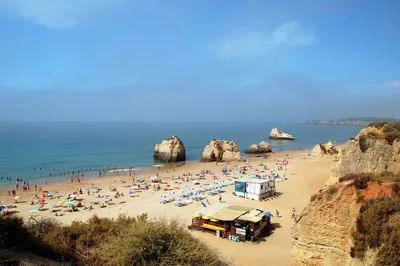
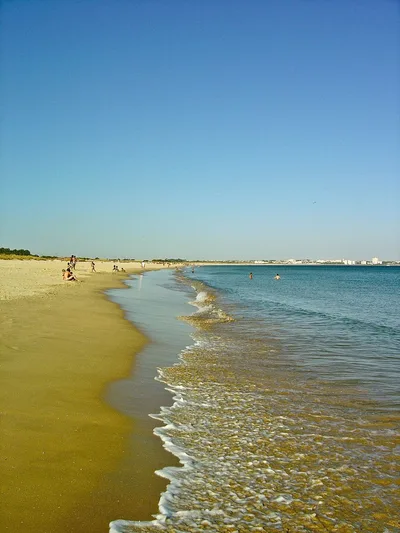
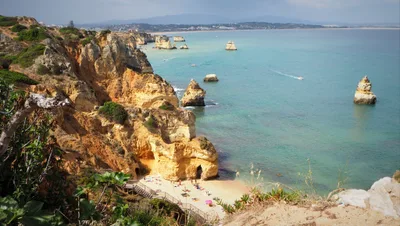
Other relaxed beaches in Portugal
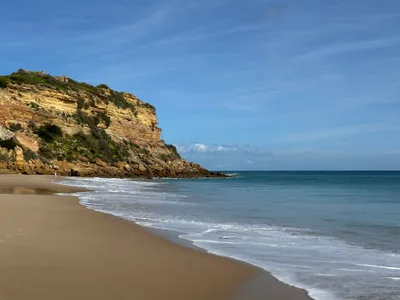
More beaches in Portuguese Atlantic
Reviews of this beach
- No reviews yet, what a shame — leave yours and share your experience.
Photo credits
Sources and licenses for the photos shown above.
- Photo 1 — tjabeljan · source · CC BY 2.0
- Photo 2 — Sgt · source · CC BY 2.0
- Photo 3 — Carlos Pinto from Porto, Portugal · source · CC BY-SA 2.0
- Photo 4 — Carlos Pinto from Porto, Portugal · source · CC BY-SA 2.0
- Photo 5 — tjabeljan · source · CC BY 2.0
- Photo 6 — gertrudis2010 · source · CC BY-SA 3.0