Ponta do Sapal BeachCape Verde Beach Guide
Wild salt marsh shore where flamingos rule the grey sand
About
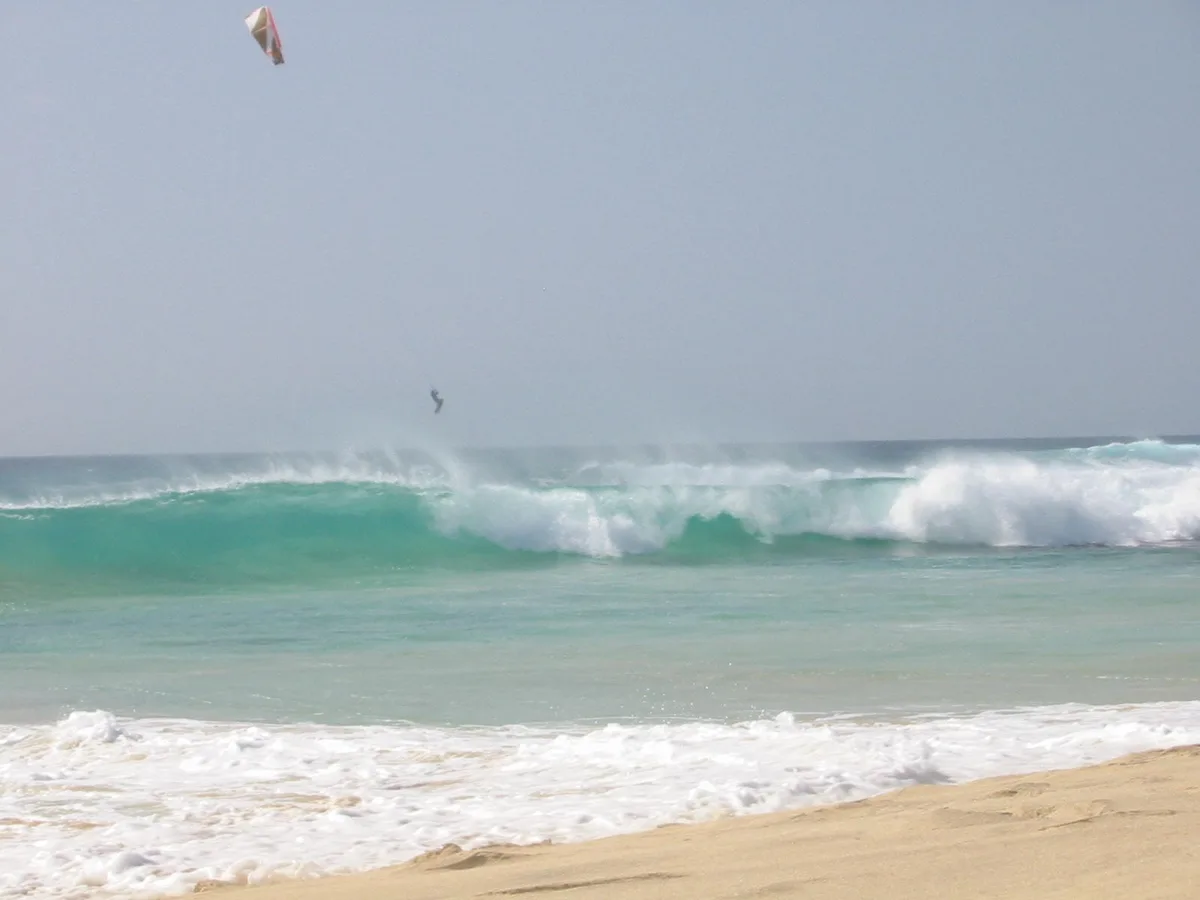
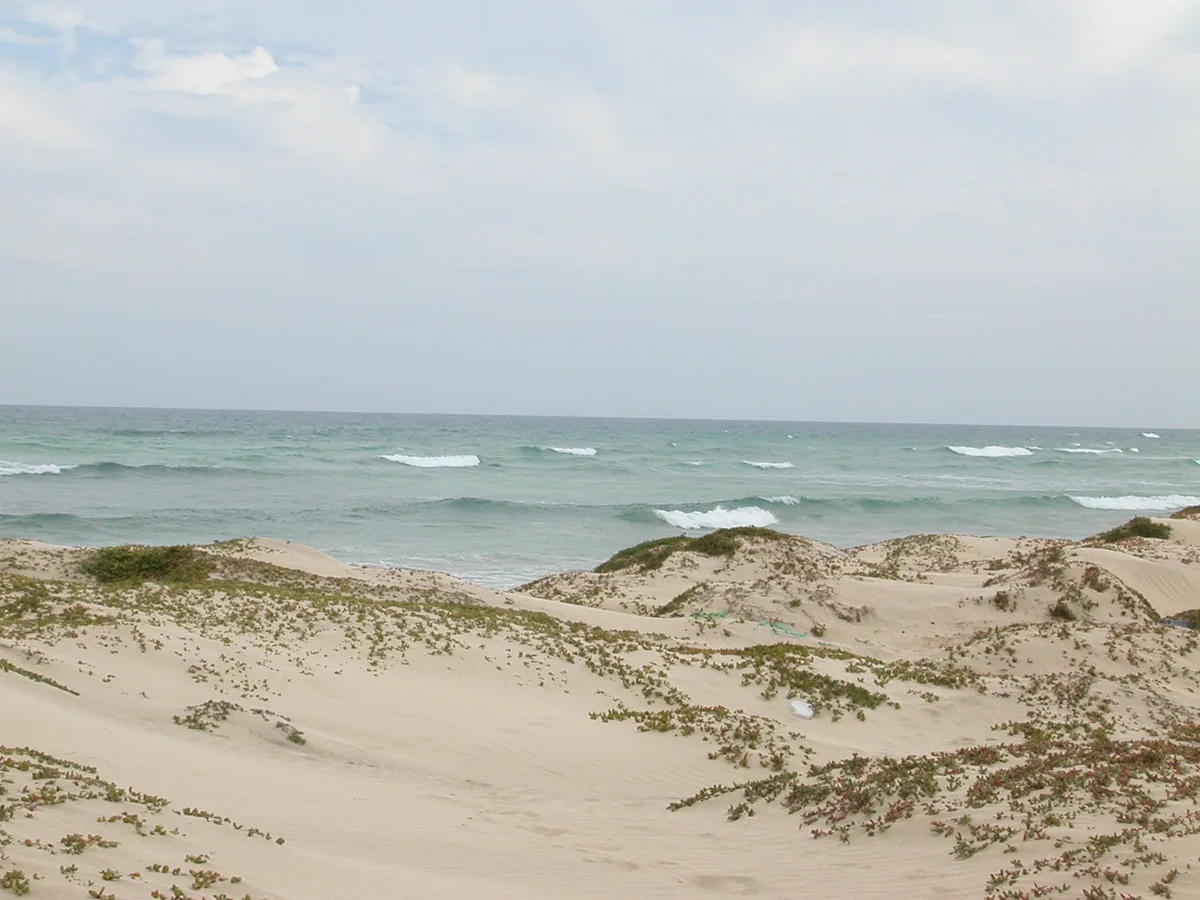
Praia de Ponta do Sapal sits on the north coast of Sal, Cape Verde, where a sweeping stretch of grey sand meets a working salt marsh that draws flamingos, sandpipers, and other migratory wading birds. The water runs grey and the wind rarely lets up, giving the whole scene a raw, elemental quality that feels nothing like the resort beaches to the south. Outside bird season, the landscape is stark and featureless — honest about what it is. But from November through March, the marsh comes alive with flocks that make the difficult drive entirely worthwhile. There are zero facilities here: no sunbeds, no beach bars, no shade, just wind, birds, and open sky.
How to get there
From Espargos, the beach is roughly a 25-minute drive on a rough track — a 4x4 is strongly recommended, as track conditions vary and rare rain events can make the route impassable. There is no formal parking area; leave your vehicle on the track near the marsh and walk in. No entry fee applies, but the access is genuinely difficult and unsuitable for standard hire cars after any rainfall.
Who it's for
For couples
Couples who share a passion for wildlife or wild, unscripted landscapes will find something quietly compelling here — the isolation and the spectacle of flamingos on grey water is unlike anything on Sal's tourist circuit. It's a detour that rewards patience over comfort.
For families
Praia de Ponta do Sapal is not well suited to families with young children — the difficult 4x4 track, complete absence of facilities, and strict rules around not disturbing the birds make it a poor fit for a beach day. Older children with a genuine interest in birdwatching are the exception.
Our take
Praia de Ponta do Sapal is not a beach you visit for swimming or sunbathing — the grey sand, grey water, difficult track, and zero facilities make that clear from the start. Swimming carries moderate risk and there is nothing here to encourage it. What this place offers instead is rare: a genuinely wild migratory bird habitat on a Cape Verdean coastline that is otherwise heavily developed for tourism. Come between November and March, bring binoculars, respect the birds, and accept the discomfort of the drive. Skip it entirely from June to September — there is simply nothing to see. For wildlife-focused travellers willing to do the work, this is one of the most singular spots on Sal.
What to do
The beach sits just 0.5km from Project Biodiversity (Projeto Biodiversidade), a local conservation initiative that can add real context to what you're seeing in the marsh. If you have a half-day to spare, the Buracona Blue Eye — a basalt rock platform with a striking underwater cave light phenomenon — is about 12km away and worth combining into the same trip. Pedra de Lume Salt Crater, a volcanic crater with a hypersaline pink lagoon, lies around 18km distant and makes for a logical second stop given the salt-landscape theme of the day.
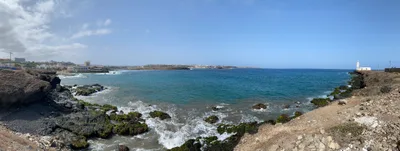
The salt marsh edge at dawn is the single strongest frame on this beach — flamingos silhouetted against grey water with no human infrastructure in sight.
The dark sand foreground against the flat, wind-scoured horizon also rewards a wide-angle shot that leans into the beach's deliberately bleak, end-of-the-world atmosphere.
Where to eat
There are no food or drink options at the beach itself, so pack everything before you leave. Back towards Santa Maria, Promenade and Restaurante Ponta Preta are both within 0.6km and offer a welcome meal after the drive. Kulinarium is another option at the same distance if you want to vary the choice.
Where to stay
Halos Casa Resort is the closest base at around 1.5km, offering a comfortable return after a windswept morning at the marsh. Pentão and NHA Terra are both within roughly 2km if you prefer smaller, more local options. Porta do Vento and Villa ao Mar round out the choices within 2.3km.
Photography
The best shots come in the early morning when low light catches the flamingos against the grey water and salt flats — arrive at sunrise between November and March for the strongest colour contrast. The featureless horizon and dark sand also make for compelling minimalist compositions; shoot wide to capture the scale of the marsh against the open sky.
Good to know
Keep a respectful distance from flamingo flocks at all times, and do not disturb nesting or feeding birds — this is a protected migratory staging area, not a petting zoo. Dogs are not permitted, as they disturb the migratory and wading birds that make this place worth visiting. Bring everything you need: there is no shade, no fresh water, and no facilities of any kind on site. Avoid June through September entirely — there is no bird activity and the beach is featureless and windswept with nothing to reward the difficult journey.
GAMES
🕹️ Five minutes of sand?
Three daily games — including the UV simulator set to this beach.
Map
Nearby places
Promenade
Restaurante Ponta Preta
kulinarium
Espargos
Santa Maria
Halos Casa Resort
Pentão
NHA Terra
Porta do Vento
Villa ao mar
Things to see around Espargos
Pedra de Lume Salt Crater
Volcanic crater with hypersaline pink lagoon
Buracona Blue Eye
Basalt rock platform with underwater cave light phenomenon
Palmeira Fishing Port
Working fishing harbour with authentic atmosphere and fresh fish
GIFT
🎁 Gift this beach
Its exact coastline, your date, your words — on a print or a PDF you print yourself.
Ponta do Sapal Beach
THAT DAY
Ponta do Sapal Beach, Cape Verde
© OpenStreetMap contributors
Clean & decorative, or “That day” with the real sky of your date.
Shipping included 3-6 business days
A question before you order? Contact us
Delivered within minutes on the confirmation page and by email: a ZIP with all 4 print sizes (30×40 cm, 12×16″, 50×70 cm, 18×24″), each as a high-resolution PDF and PNG (300 dpi), plus a screen version. Print at home or at any print shop.
Please complete the delivery address.
Please accept the Terms of Sale.
Almost there — the shop opens very soon.
Secure payment · Printed locally in 30+ countries · 7 languages
Frequently asked
The information on this page is provided for guidance only and may evolve. Access conditions, safety and infrastructure can change without notice. Always check official sources before traveling.
Nearest beaches
Other wild beaches in Cape Verde
Reviews of this beach
- No reviews yet, what a shame — leave yours and share your experience.